By Caitlin Bartkus | Associate Specialist, Resource Development
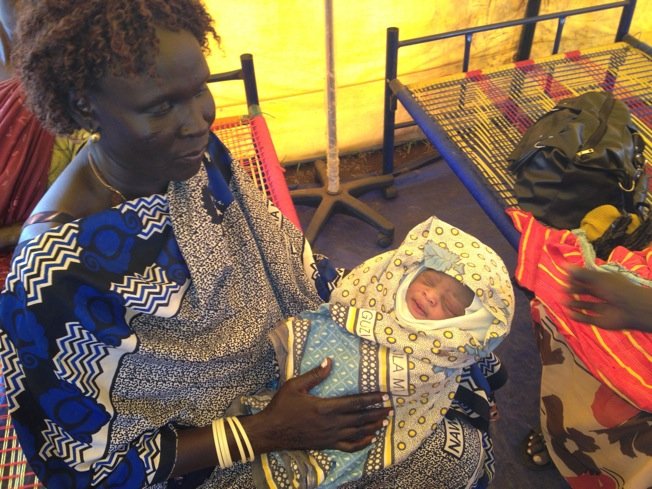
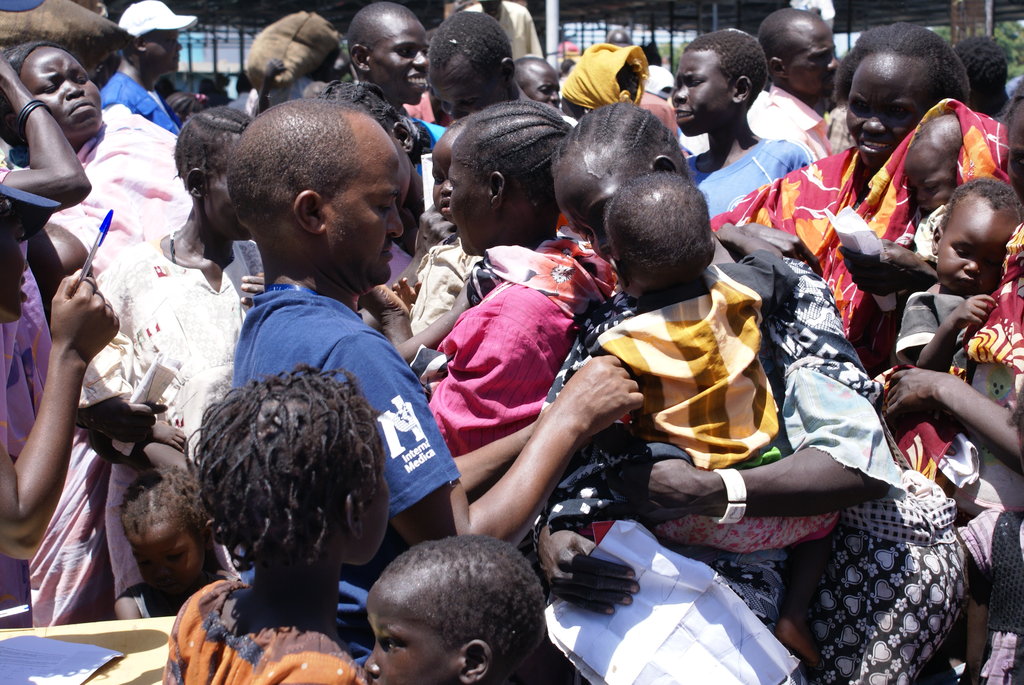
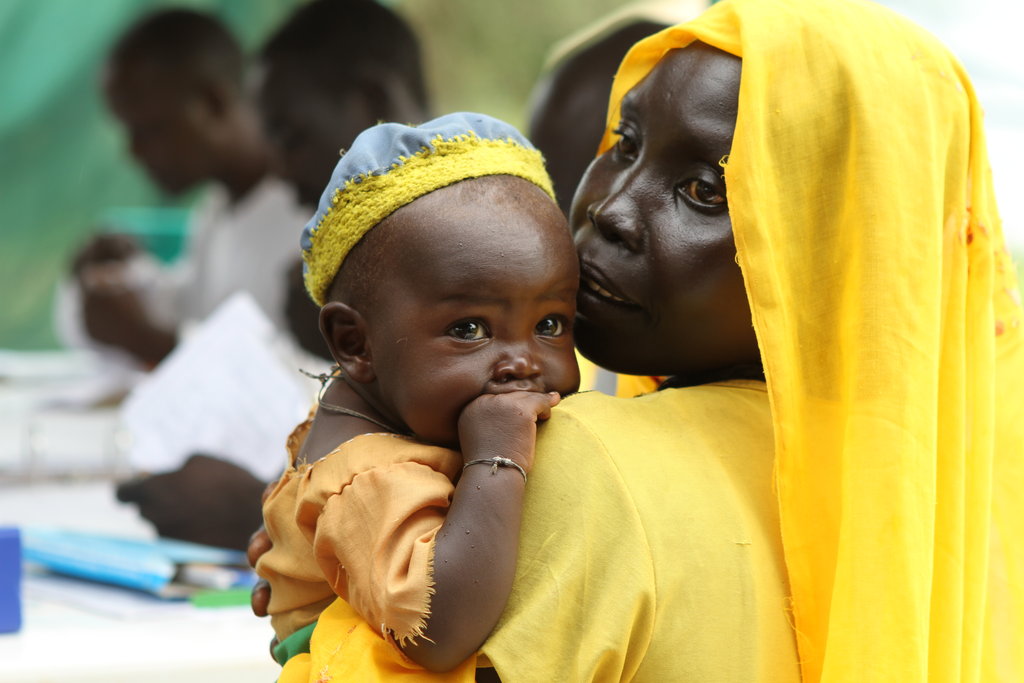
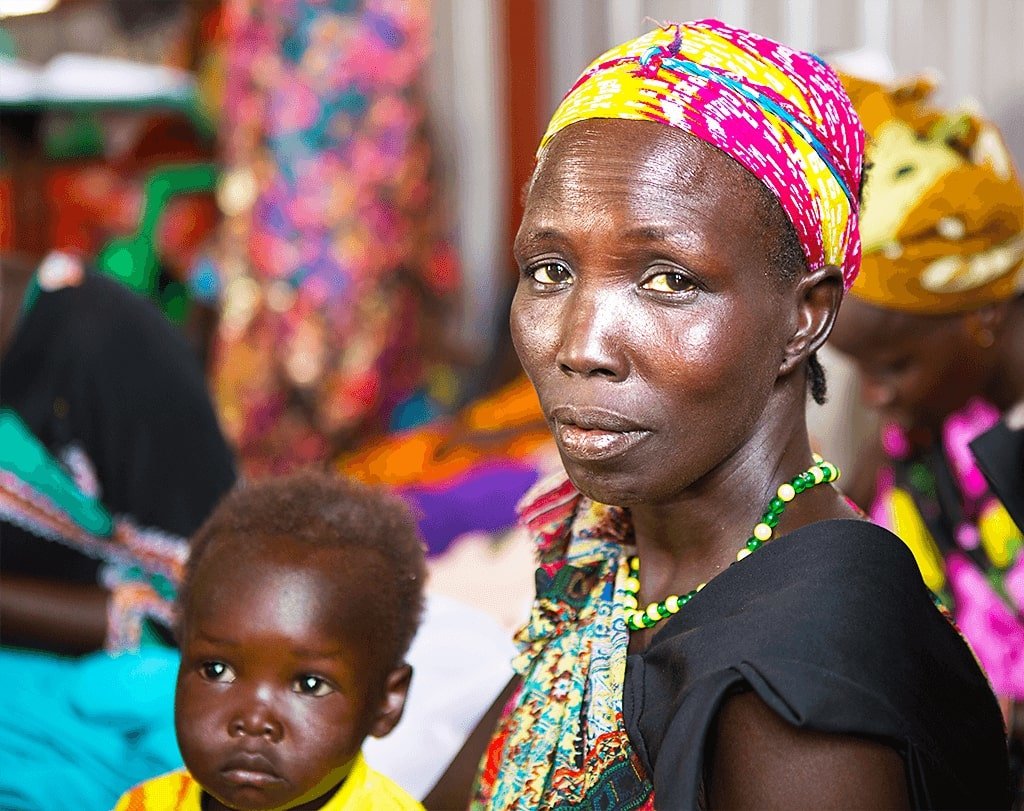
In South Sudan, hostility continues to simmer, hampering efforts to improve public health standards in a country that has one of the world’s highest infant-mortality rates. The food-security situation remains desperate and the number of people at risk of starvation has increased. Potential for disease is extremely high, with large numbers of displaced people and sharply reduced access to healthcare.
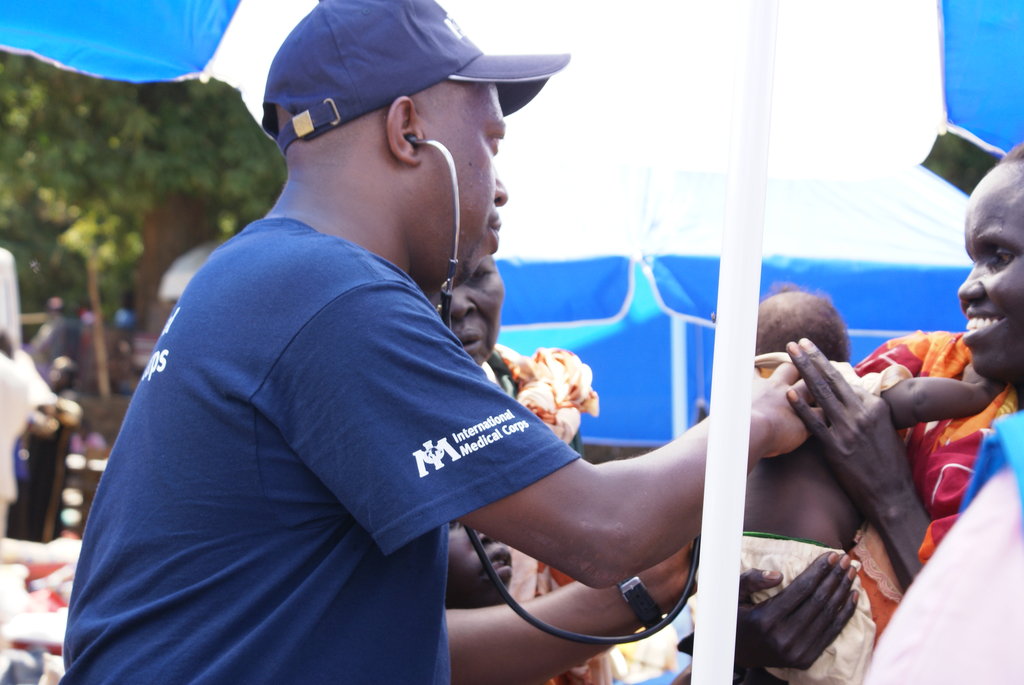
Despite all of these challenges, International Medical Corps continues to provide lifesaving healthcare, nutrition, mental health and protection services in five of the country’s 10 states. And it is our committed staff members, like Dr. Abdou, who make this work possible.
Dr. Abdou, International Medical Corps’ Medical Director in South Sudan, was inspired to become a doctor when his hometown of Goma, in the Democratic Republic of the Congo (DRC), was overwhelmed as hundreds of thousands of people sought refuge from the genocide against the Tutsi in Rwanda. “I could see how people were suffering,” Dr. Abdou says. “I got the feeling that I needed to do something in my life to help people, at least in the future.”
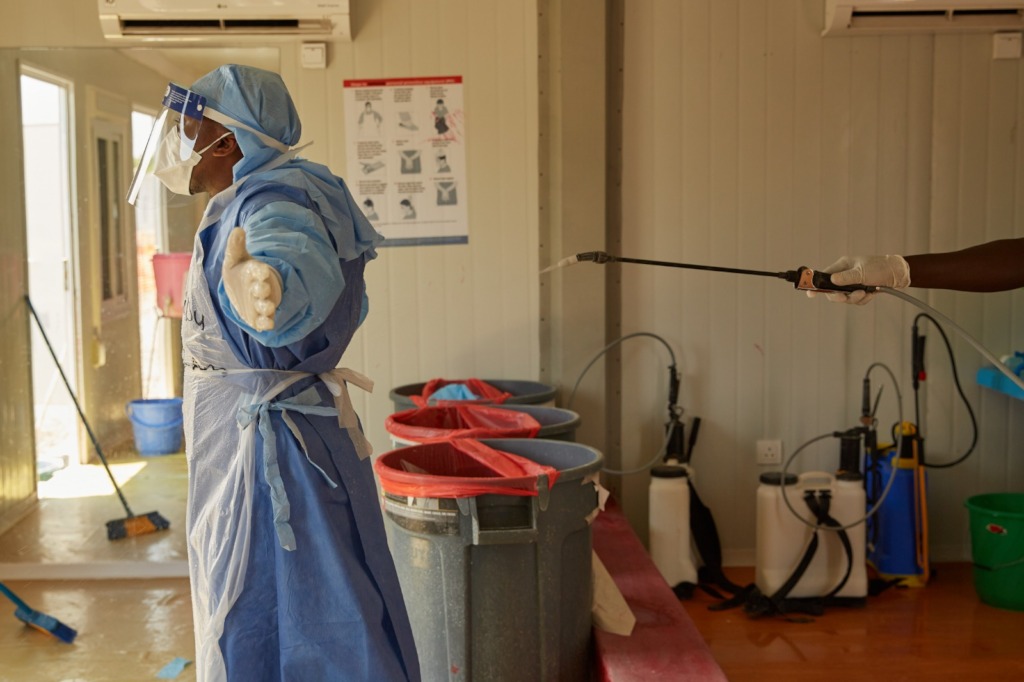
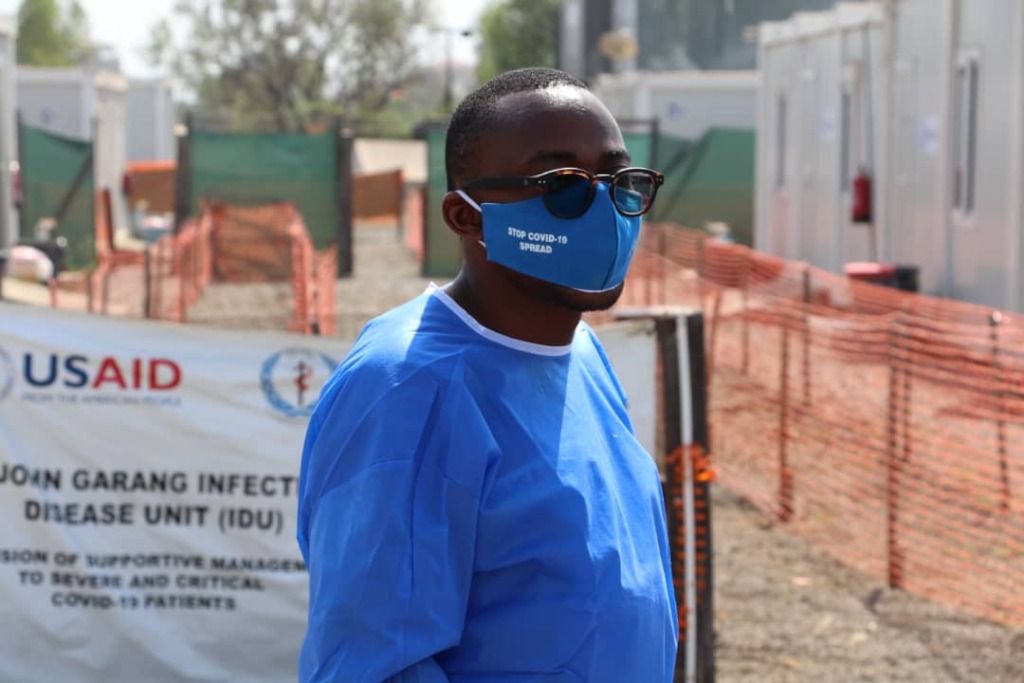
In March 2019, Dr. Abdou came to International Medical Corps as a technical coordinator, charged with preparing South Sudan for a potential Ebola outbreak. Luckily, the Ebola outbreak in the neighboring DRC did not spread across the border, but Dr. Abdou’s expertise proved useful as the COVID-19 pandemic took hold.
“Our greatest achievement has been keeping all the health facilities operational during the peak of COVID-19. When the pandemic started, my biggest worry was that many of our workers would get infected, and we would end up closing our health facilities in the POC [protection of civilians site]—which would be a disaster, because no one else is there to provide healthcare,” he explains. “And we succeeded—none of our health facilities closed because of COVID. We put a lot of safety measures in place, and we talked to staff on almost a daily basis to make sure they follow those protocols, because people tend to do things for a few days, and then they forget. International Medical Corps management also supported us quickly, making sure PPE [personal protective equipment] was readily available on time.”
“There will always be outbreaks of measles or cholera or other infectious diseases in many African countries—it’s something we just need to get used to,” he says. “But the principles are the same, no matter the disease—you need dedication and you need to avoid panic. Go forward and respond to it, while respecting the protocols.”
Support from the GlobalGiving community of donors helps Dr. Abdou, and the rest of our dedicated team in South Sudan, combat disease, relieve suffering and save lives.
Project reports on GlobalGiving are posted directly to globalgiving.org by Project Leaders as they are completed, generally every 3-4 months. To protect the integrity of these documents, GlobalGiving does not alter them; therefore you may find some language or formatting issues.
If you donate to this project or have donated to this project, you can receive an email when this project posts a report. You can also subscribe for reports without donating.



Support this important cause by creating a personalized fundraising page.
Start a Fundraiser