By Michael Hall | Strategic Advisor
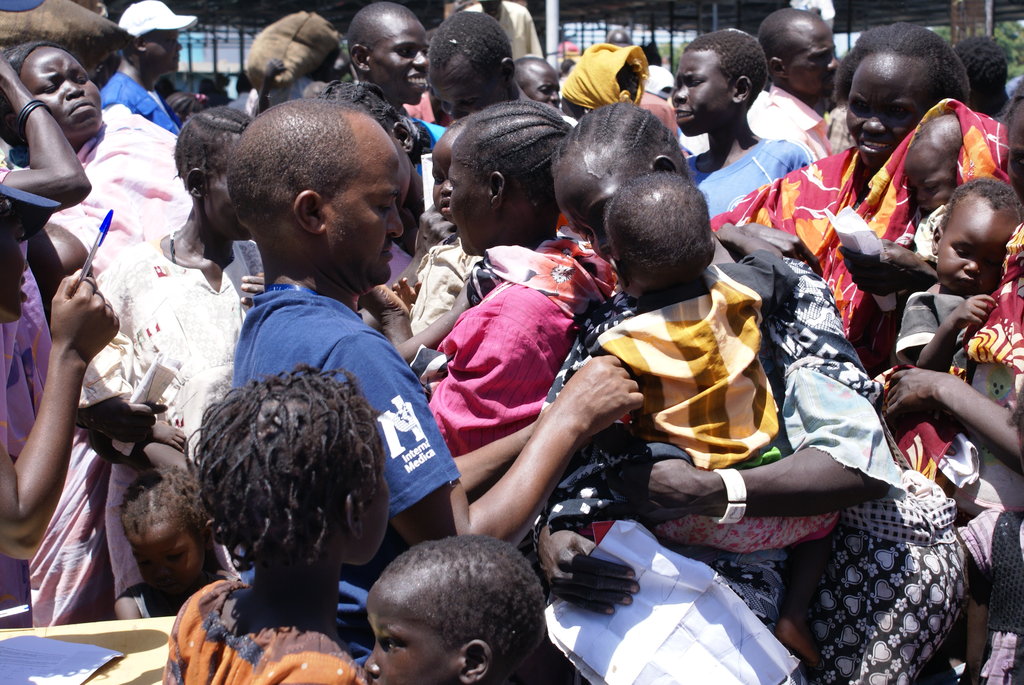
South Sudan has struggled with violence between armed groups in the years since the civil war ended. In August 2022, heavy fighting erupted between armed groups around the town of Tonga and has since spread east across Upper Nile State and south into the neighboring state of Jonglei—resulting in the displacement of thousands of people. The increasingly volatile situation has prompted a sharp increase in humanitarian needs as internally displaced people (IDPs) move from location to location in search of safety, shelter, food and clean water. With nearly 20 percent of the population of South Sudan displaced and more than 70 percent of the population in need of humanitarian assistance as of July 2022, needs were high before the current round of fighting
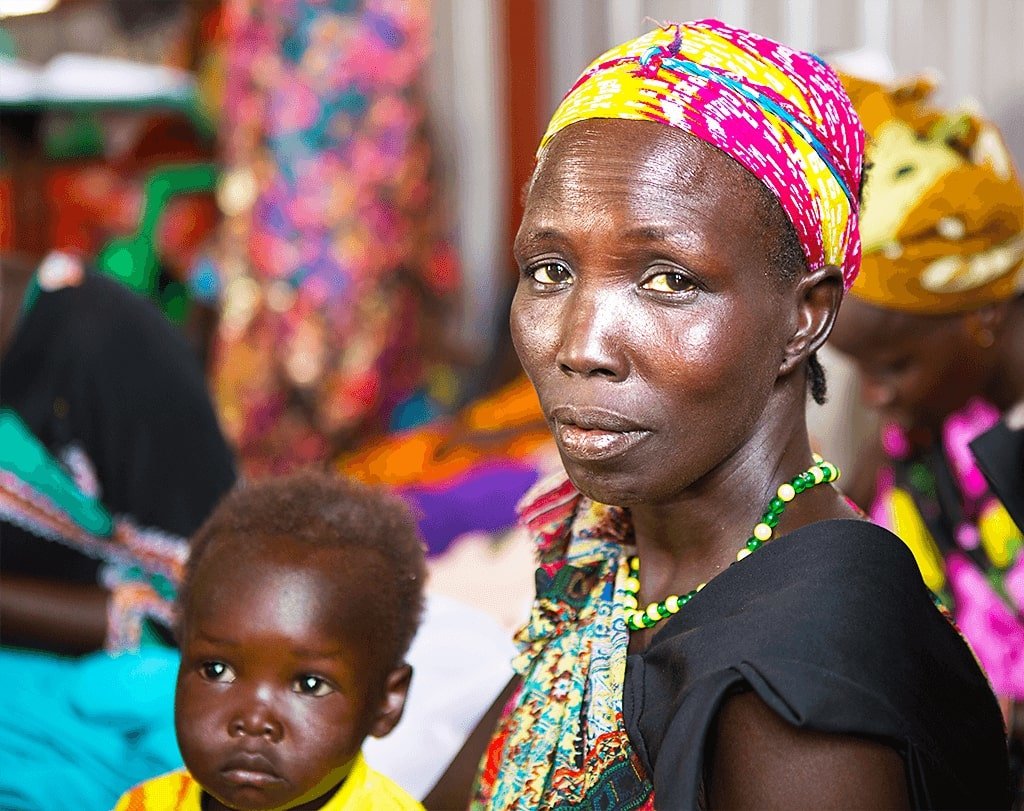
The conflict poses significant protection and safety risks to those displaced, especially the most vulnerable such as women, children and the elderly, and reports of gender-based violence and extortion are on the rise. The sudden influx of IDPs is severely straining the ability of host communities to provide essential services—particularly health, clean water, and adequate sanitation and hygiene—to themselves and the new arrivals. Food is also an urgent need. Due to the combined impact of cyclical drought and flooding, 7 to 8 million people across South Sudan are facing acute food insecurity and are in urgent need of food assistance—the ongoing fighting will only exacerbate the situation.
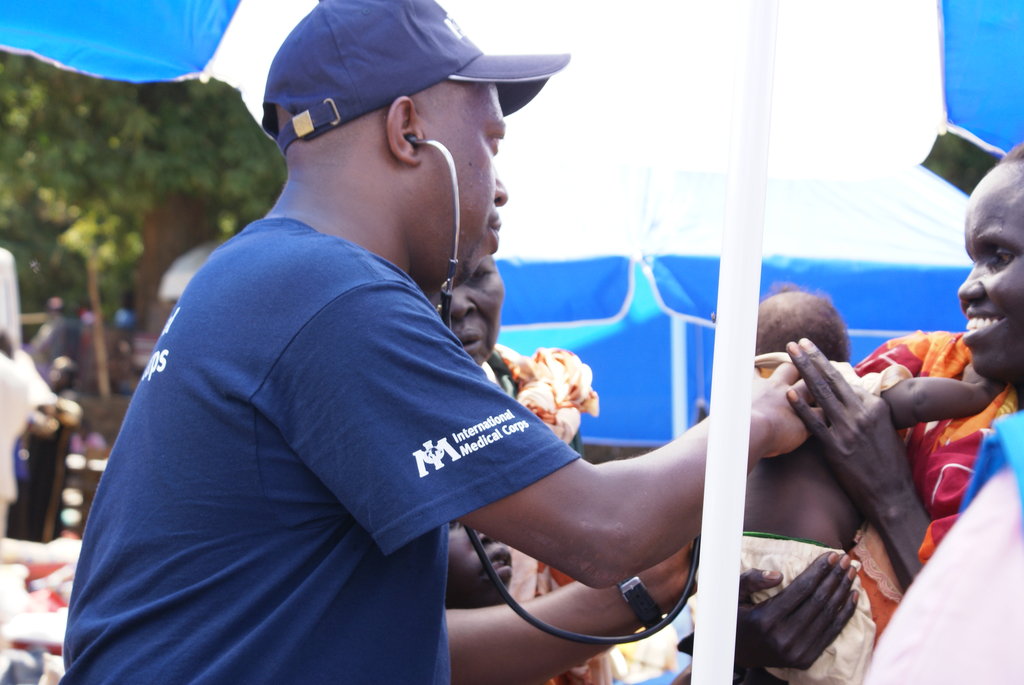
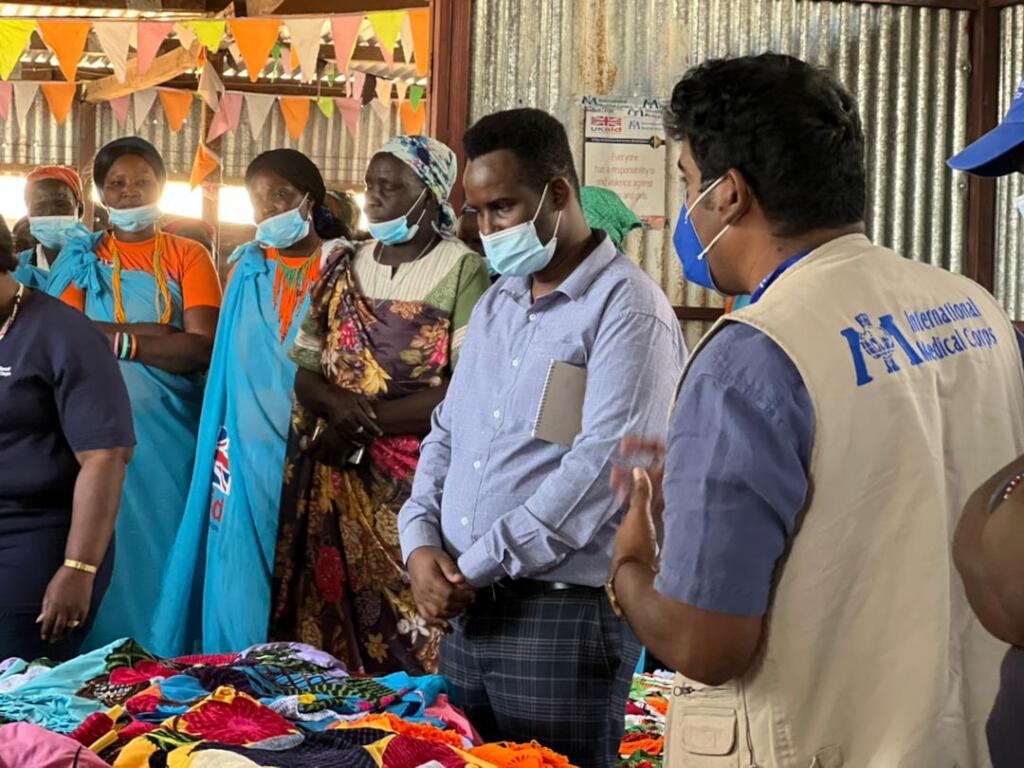
The Malakal Protection of Civilians (PoC) site in particular saw a sharp increase in the number of people it served in September. International Medical Corps quickly developed a response to provide primary health and nutrition services as well as gender-based violence prevention and treatment programs to this population. Additionally, knowing that clashes could continue, International Medical Corps began planning for the likelihood of the crisis expanding.
Some of the activities International Medical Corps has undertaken to provide humanitarian relief to residents of the Malakal PoC, include:
Project reports on GlobalGiving are posted directly to globalgiving.org by Project Leaders as they are completed, generally every 3-4 months. To protect the integrity of these documents, GlobalGiving does not alter them; therefore you may find some language or formatting issues.
If you donate to this project or have donated to this project, you can receive an email when this project posts a report. You can also subscribe for reports without donating.



Support this important cause by creating a personalized fundraising page.
Start a Fundraiser