By Robert Rutherford | Resource Development Officer
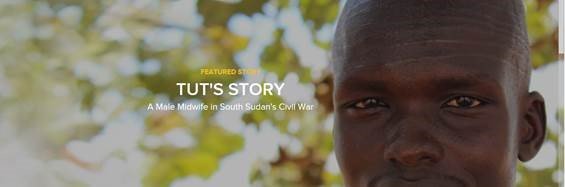
Tut was in his second year of training to become a midwife when the conflict in South Sudan began. In a country with one of the highest rates of maternal mortality anywhere in the world, the skills he was developing were vital. Yet his future and his life were thrown into chaos by the fighting that broke out in the capital, Juba.
“My teachers told us to leave the school early, because people from my tribe were being assaulted all across Juba. They could not keep me safe in the school.”
Tut left South Sudan for Kenya where he would be safe from the fighting, but after several months without any hope of continuing his studies, he resolved to return to his homeland. The journey back to South Sudan would be particularly dangerous, because Tut bears the distinctive facial markings of his tribe. As the ethnic divisions in South Sudan became ever more violent, these markings threatened to identify him to any fighters looking to attack people of his tribe.
The car he was traveling back in was ambushed by a group of fighters almost as soon as it crossed the border. Everyone in the car was pulled out and told to reveal which tribe they were from. It was only the bravery of his friends who convinced the fighters that they were all from the same tribe which saved Tut’s life.
Once back in Juba, Tut was able to complete his final year of studies and qualified as a midwife. Yet Juba still remained too dangerous for him to live freely in the city. On the day that he graduated he moved to the UN Protection of Civilians camp, joining 30,000 thousand internally displaced people seeking refuge from the violence.
“At first I thought I would never be able to use my skills as a midwife, but then I heard about the International Medical Corps health center where many babies are born every week.”
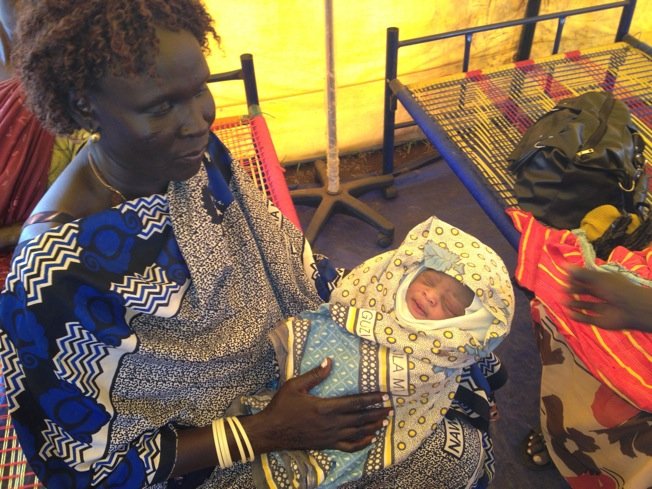
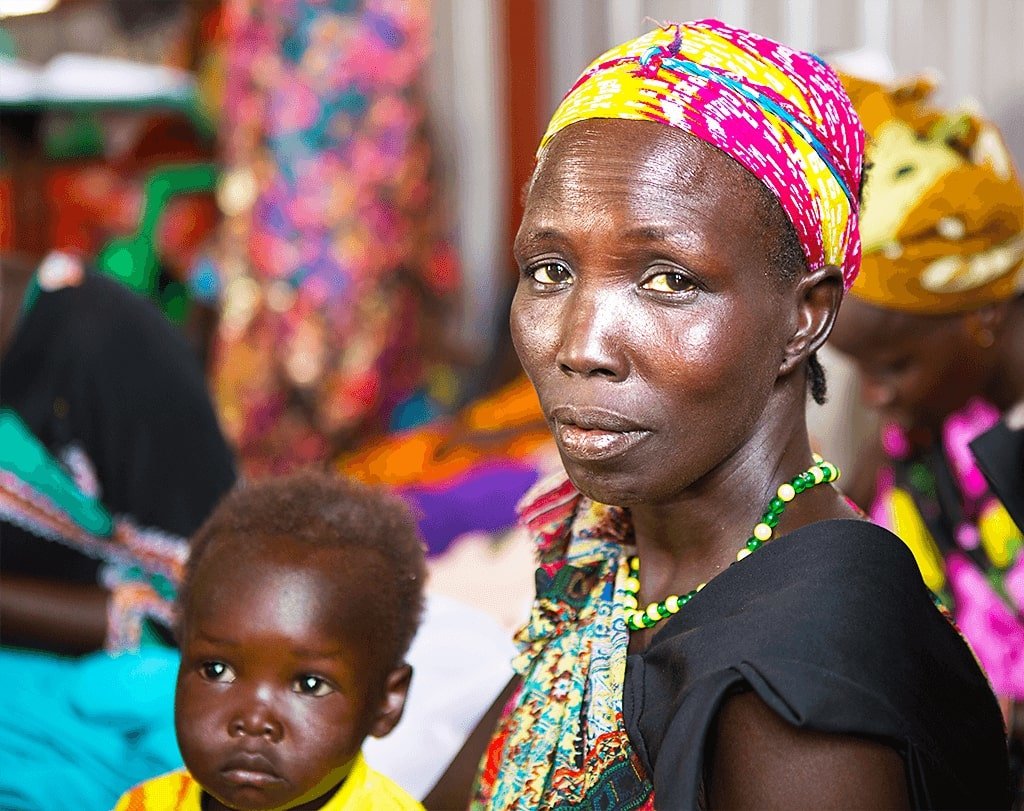
Tut joined International Medical Corps as a midwife and works every day in the maternal health clinic, supporting pregnant women and new mothers. Each month he helps to deliver as many as 80 babies in the camp’s small maternity ward.
“I am very proud to be a midwife because it is like saving two lives at once. I help save the mother and the baby.”
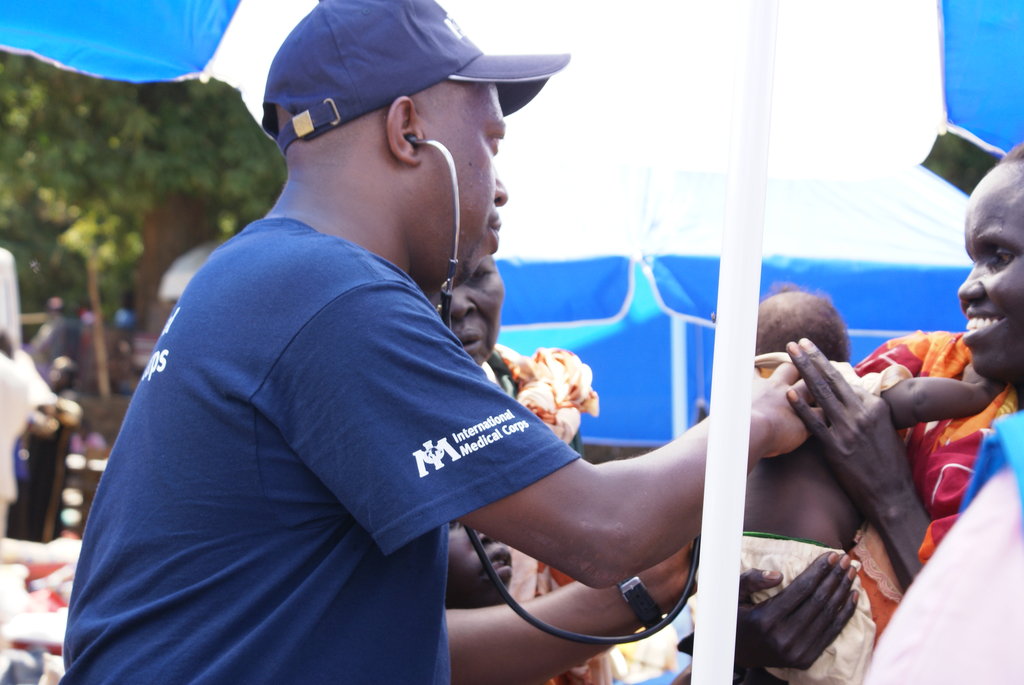
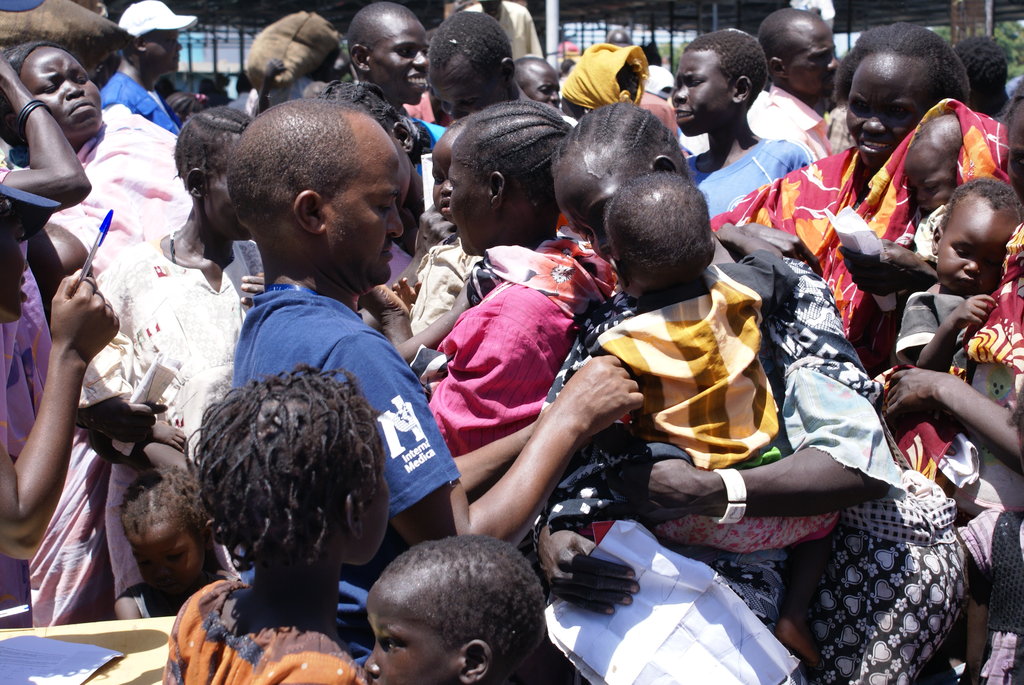
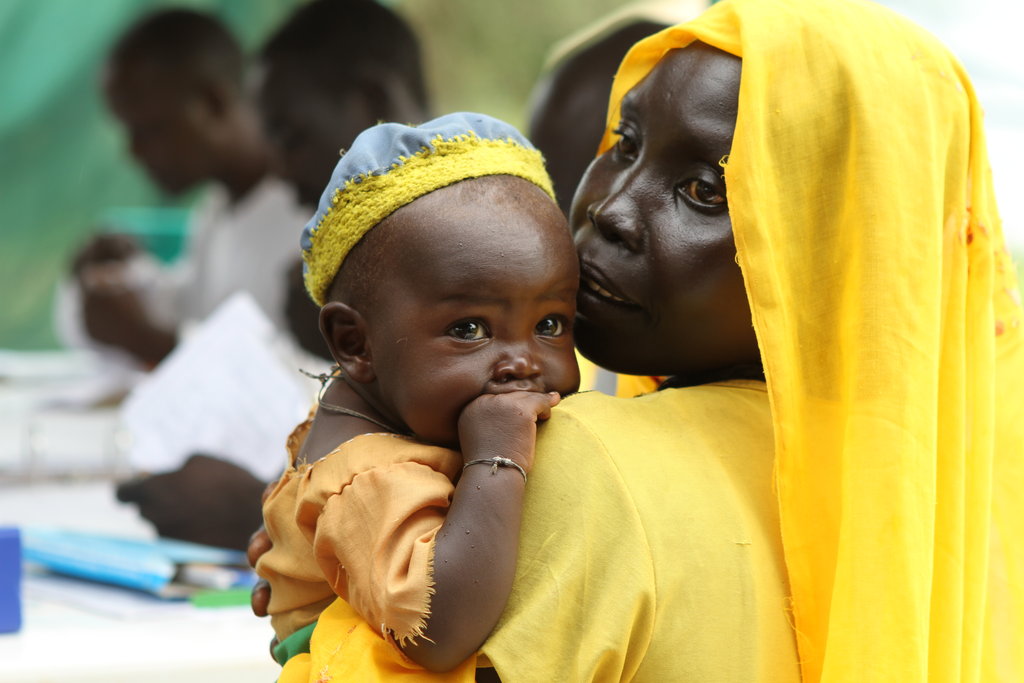
International Medical Corps is helping South Sudan progress toward the Millenium Development Goal of reducing child mortality and improving maternal health through direct service delivery at primary and secondary level health clinics, as well as capacity strengthening programs through the National Health Training Institute in Kajo Keji. The high impact services that International Medical Corps implements in primary health clinics in South Sudan focus on improving the health of women and their children. It is with the generous support of GlobalGiving and other donors that International Medical Corps is able to carry out such critical, life-saving work.
Project reports on GlobalGiving are posted directly to globalgiving.org by Project Leaders as they are completed, generally every 3-4 months. To protect the integrity of these documents, GlobalGiving does not alter them; therefore you may find some language or formatting issues.
If you donate to this project or have donated to this project, you can receive an email when this project posts a report. You can also subscribe for reports without donating.



Support this important cause by creating a personalized fundraising page.
Start a Fundraiser