By Brandon Lawler | Annual Fund Associate
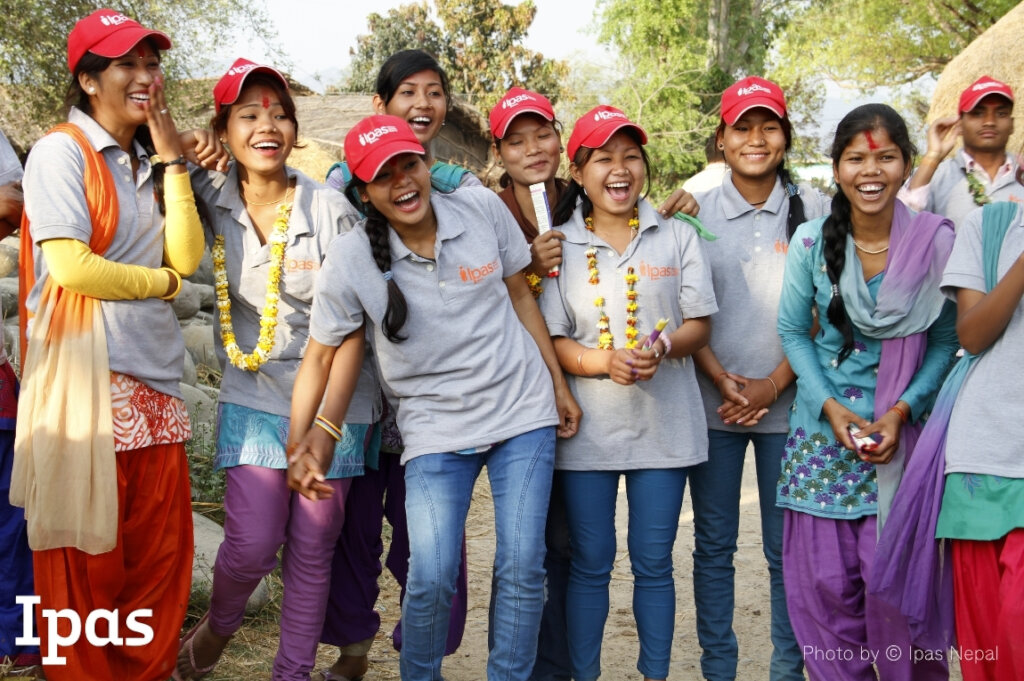
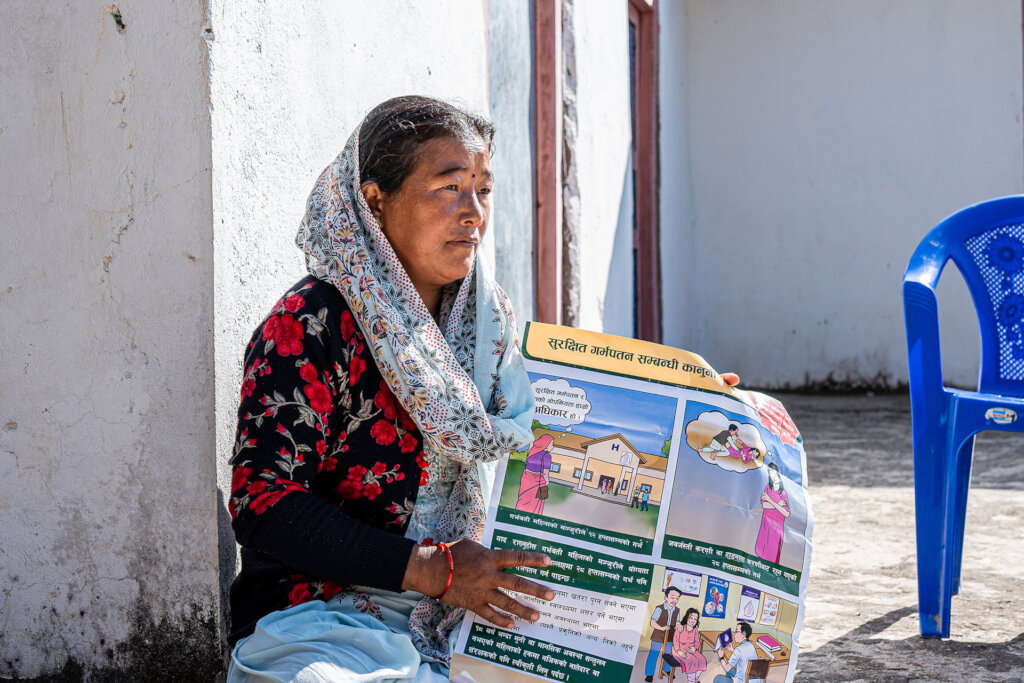
In rural Nepal, women’s lives have often been restricted by silence and unspoken rules. From menstruation taboos to misinformation on family planning and abortion, many young women are taught to accept harmful practices as normal. For years, Himali Khatri did too. “I am almost 40 years old, and until now, I have never received such knowledge about reproductive health,” she says.
Becoming a voice for change
Everything shifted for Khatri when she was selected for Natural Leaders training through Ipas Nepal, a five-day program designed for women with the potential to influence change in their communities. The training covers sexual and reproductive health and rights, safe abortion, family planning, gender-based violence, and climate resilience.
“Only after I went for the five-day training at Ipas Nepal, I learned a lot of things,” she says. Armed with knowledge and advocacy skills, Khatri began conducting group sessions and engaging with local leaders to bring women’s voices into community decision-making. Himali quickly recognized that addressing gender-based violence would be a critical part of her role as a Natural Leader.
“One of the most prevalent issues in our community is gender-based violence. But I didn’t have much knowledge about this before I joined the five-day training. I learned where to go if violence occurs, where and how to seek justice, and how we have been in violence until now. I wanted to teach these things to the women and girls in my community, to lead different groups and educate them about violence.”
What she once accepted as normal, Himali now challenges in every session.
“In the villages, there were practices where women wouldn’t enter the kitchen or temple during menstruation… I explained this taboo and helped bring about a change.”
Changing futures, one conversation at a time
Together, Natural Leaders like Khatri directly reached 7,025 people in 2023 and 2024, 92% of them women and girls of reproductive age. These leaders are building sustainable community networks, connecting families with health services, and correcting misinformation that harms women’s health and autonomy.
Abortion is legal in Nepal and available free of charge at public health facilities in every district of the country—but barriers such as misinformation and lack of transportation are widespread, especially in rural areas.
“These programs are incredibly important, and I believe they can change lives,” Shahi says. “I’m grateful for the knowledge I’ve gained, and I’m committed to helping others in my community understand these issues.
Project reports on GlobalGiving are posted directly to globalgiving.org by Project Leaders as they are completed, generally every 3-4 months. To protect the integrity of these documents, GlobalGiving does not alter them; therefore you may find some language or formatting issues.
If you donate to this project or have donated to this project, you can receive an email when this project posts a report. You can also subscribe for reports without donating.



Support this important cause by creating a personalized fundraising page.
Start a Fundraiser