By Martha Fitzpatrick Bishai | Director
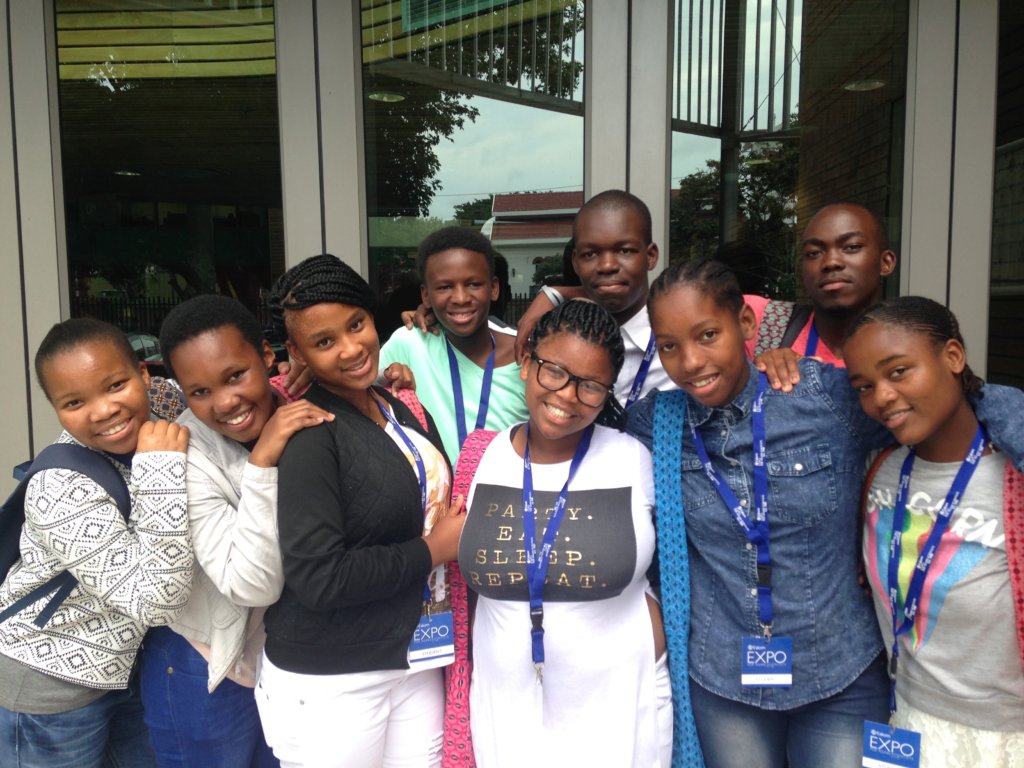
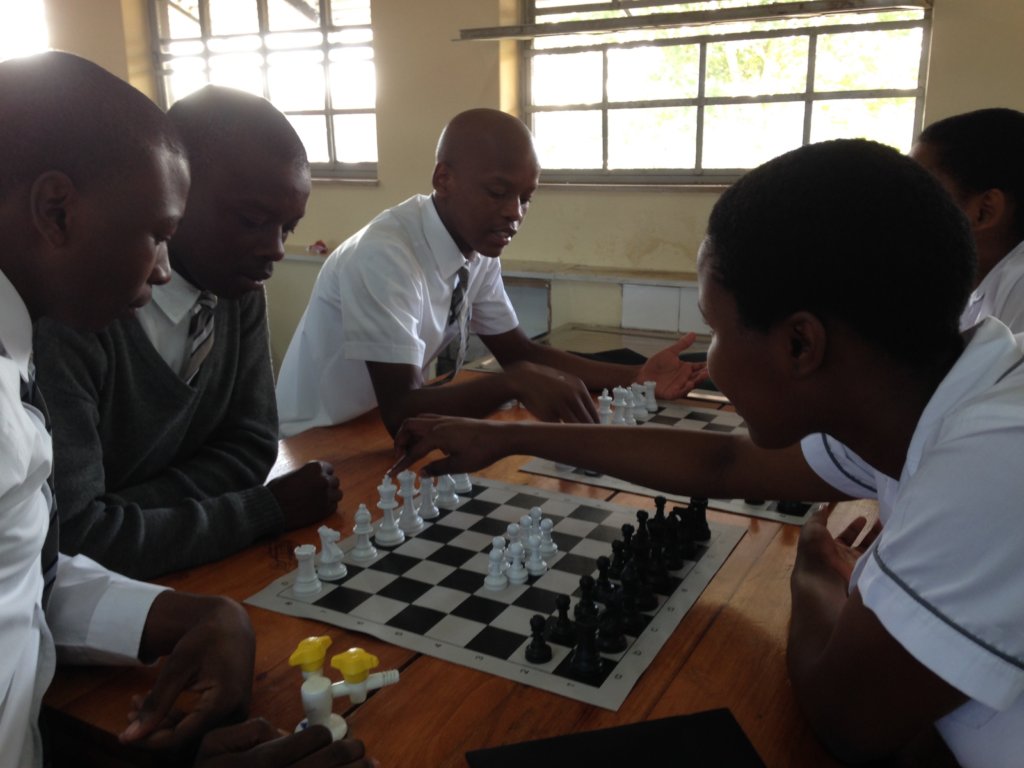
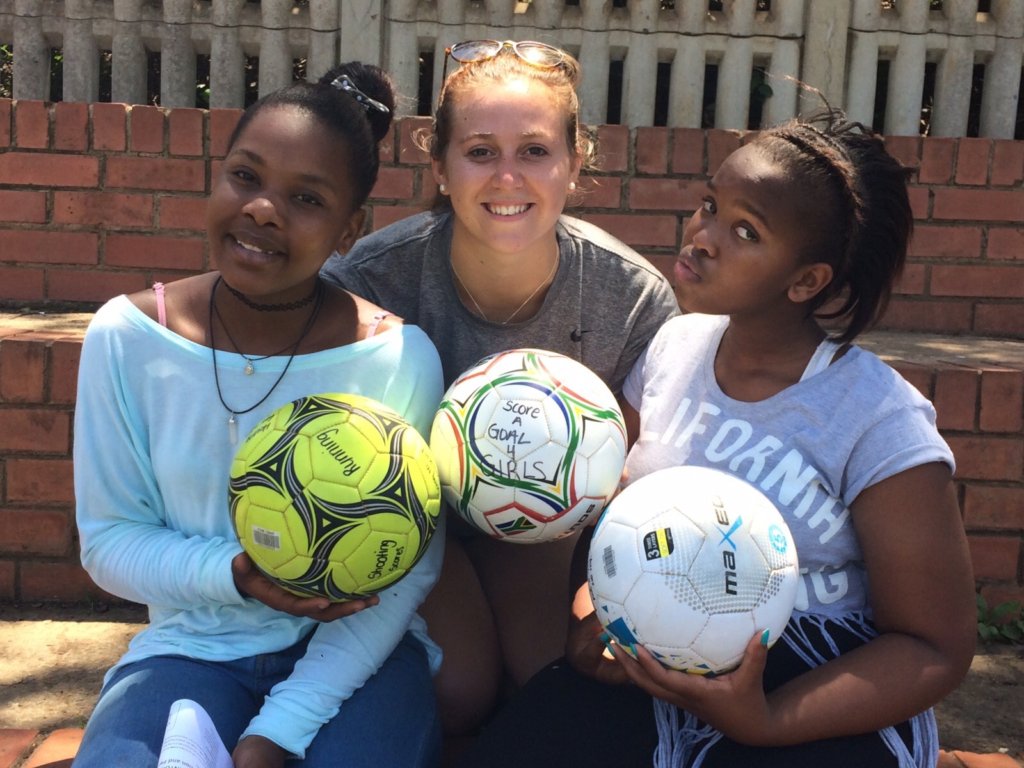
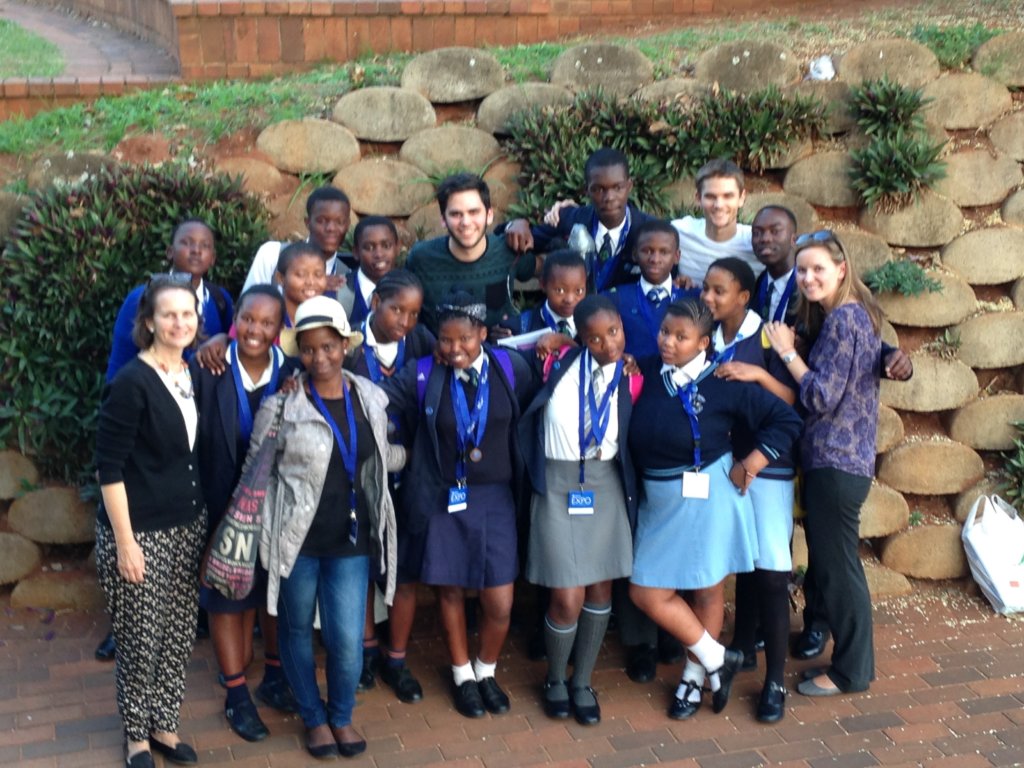
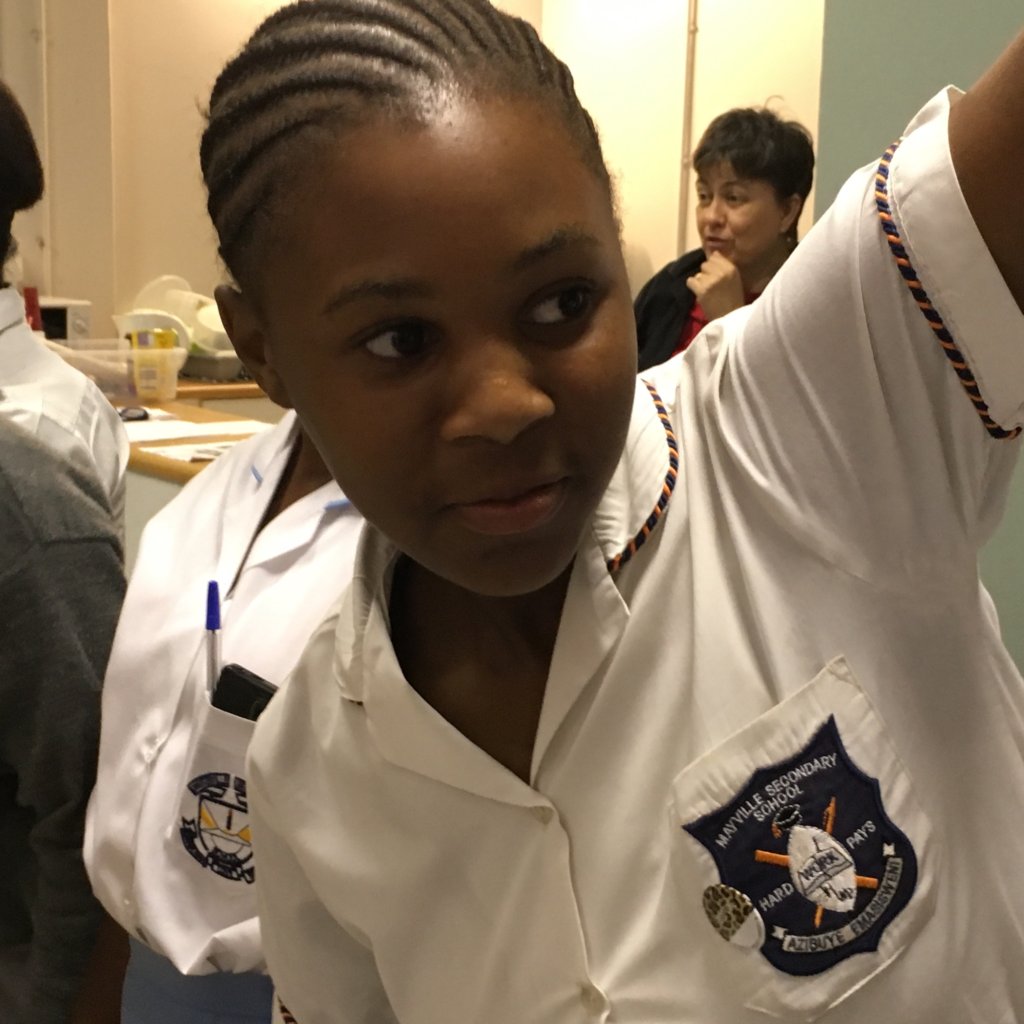
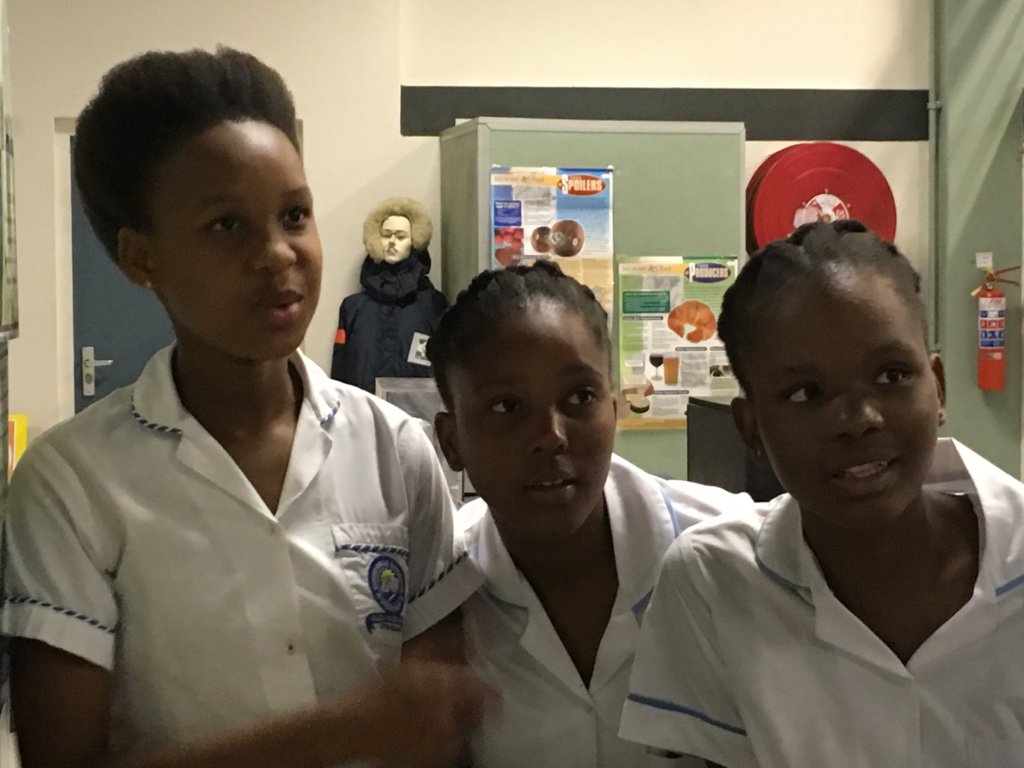
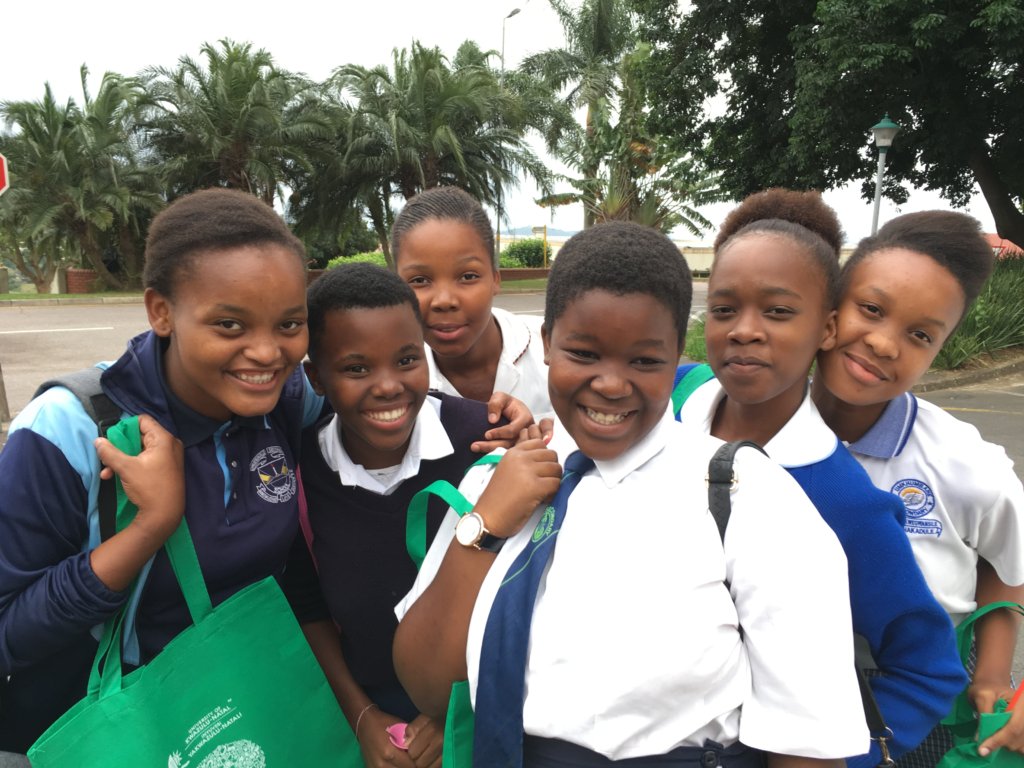
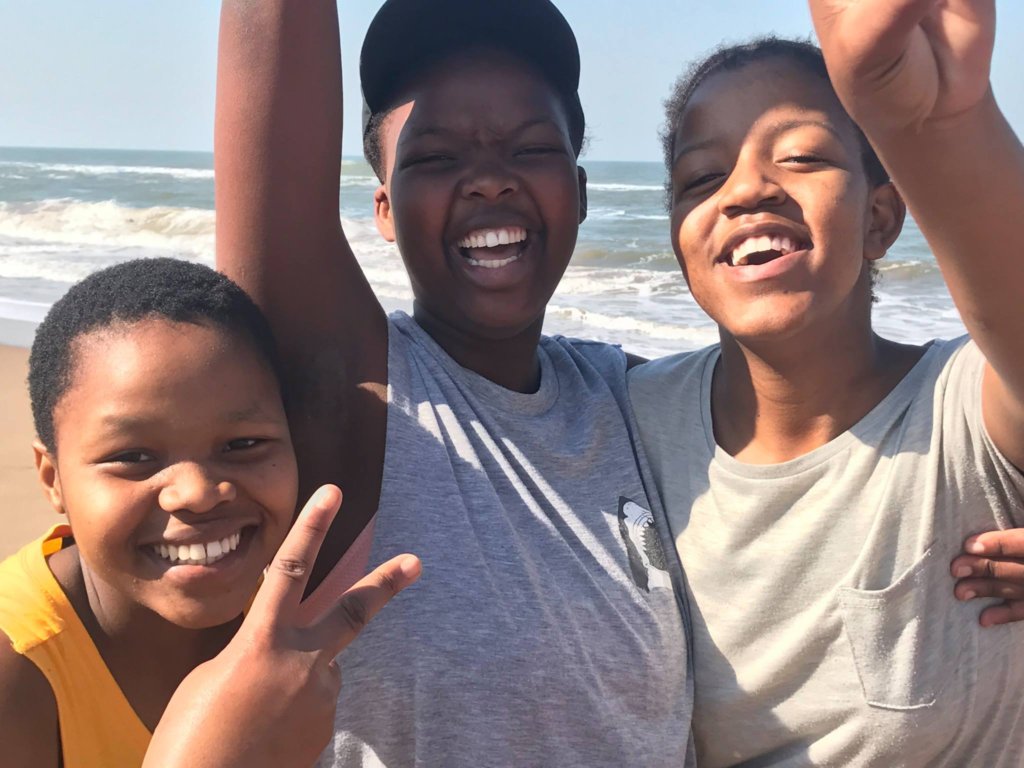
They were bright. They were curious and attentive. Some described themselves as “very shy.” Others said they were “very confident.” All were part of a special group of twenty Umkhumbane Schools Project (“USP”) girls who attended a Girls of Tomorrow/Girls In Science workshop at the University of KwaZulu-Natal’s Science and Technology Education Centre (“STEC”) during our recent school holidays, as part of an ongoing partnership among the USP, STEC, and Peace Corps South Africa.
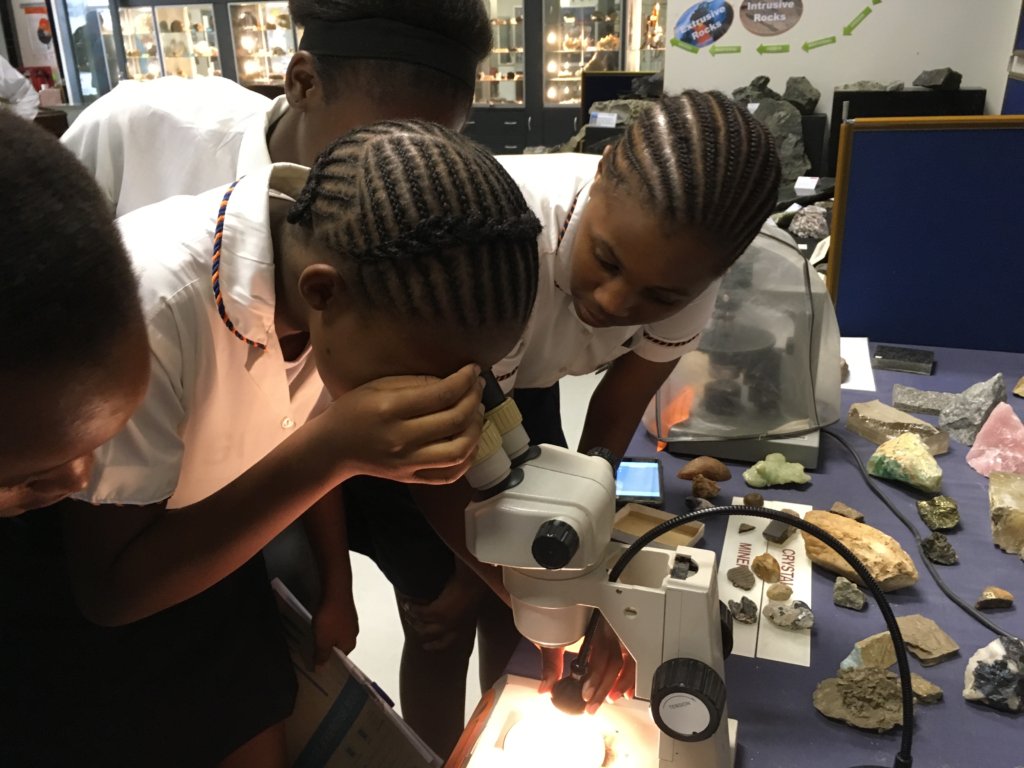
For three days in April, this group of Grade 9 girls -- all of whom attend schools where science labs are rooms with tables and chairs but no equipment, nor running water, nor, often, electricity -- watched exciting science shows, learned how to do scientific demonstrations that they could then present to an audience of their classmates and teachers, and talked about the many challenges facing girls in South Africa in their pursuit of a dream of higher education. A tour of the STEC exhibits revealed the wonder of fossils and rocks, microscopes, and robotics. A “real” Periodic Table displayed samples of the elements in glass cases. And a wave tank modeled the physics of devastating tsunamis.
According to the 2013 UNESCO Education for All Global Monitoring Report, educating girls improves child nutrition, decreases the frequency of deaths in childbirth, closes gender income gaps, and yields significant delays in the timing of first pregnancies. 60% fewer girls in Sub-Saharan Africa would become pregnant under the age of 17 if they completed secondary school. Even in a country such as South Africa, where a progressive Constitution upholds the ideal of gender equality, the combined forces of poverty, deeply entrenched patriarchy, the legacies of apartheid, and the effects of the HIV and TB epidemics create daunting and persistent obstacles to education for girls.
One of the most significant features of the Girls of Tomorrow/Girls in Science workshop was a panel of role-model mentors comprised of young women who are currently pursuing degrees or careers in STEM-related fields. Through their interaction with these inspiring young women, our girls found a comfortable space to ask questions about the challenges they face. Many of them cited these discussions as their favorite part of the workshop, saying that they especially loved when the young women “told their stories” or “told about their lives and how they came from where they were and got to be scientists.” One of the role-model panelists noted this interaction with our young girls to be a “very moving experience” for her, as well, as it gave her an opportunity to inspire a group of young people while reflecting on just how far she has traveled in her own journey toward a brighter future.
Thanks to the generosity of our GlobalGiving donors, The Umkhumbane Schools Project can continue providing this kind of programming, to inspire and empower the young people of South Africa’s Cato Manor township area. For three days in April, it was the girls’ turn to dream. One day in the future, it will be their turn to lead.
Project reports on GlobalGiving are posted directly to globalgiving.org by Project Leaders as they are completed, generally every 3-4 months. To protect the integrity of these documents, GlobalGiving does not alter them; therefore you may find some language or formatting issues.
If you donate to this project or have donated to this project, you can receive an email when this project posts a report. You can also subscribe for reports without donating.



Support this important cause by creating a personalized fundraising page.
Start a Fundraiser