By Hansdeep Singh | Co-Founder
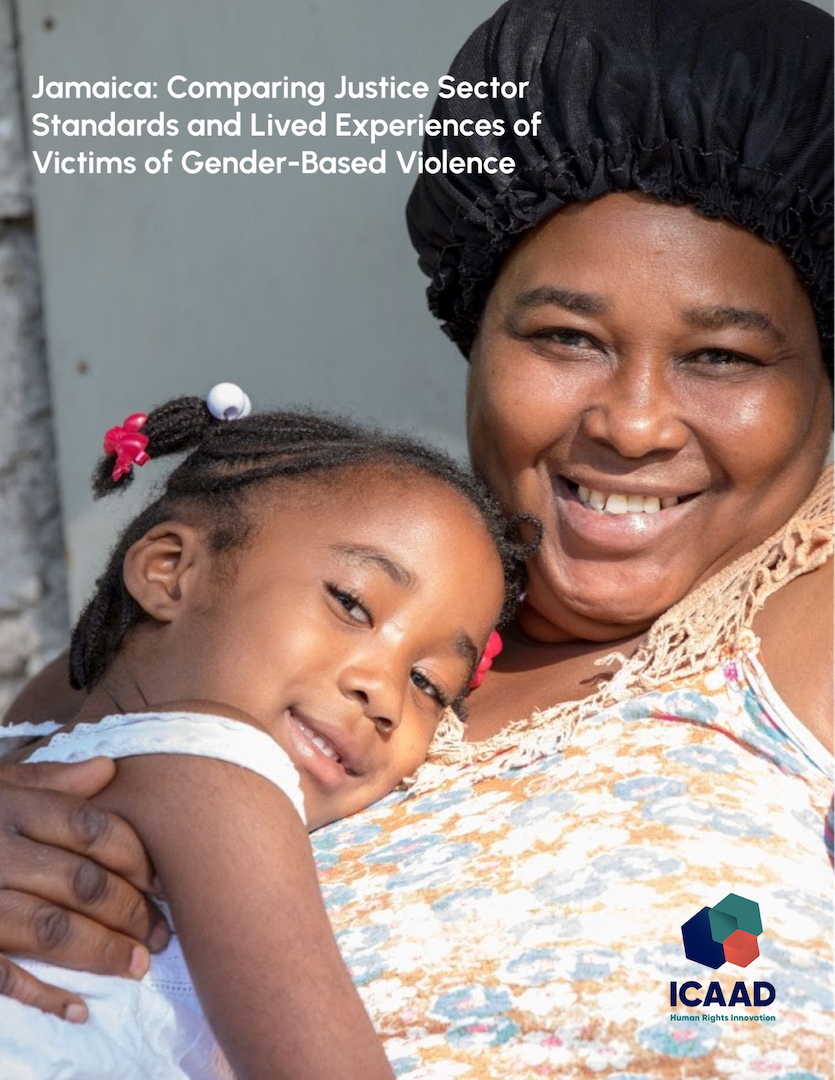
As Jamaica undergoes its fourth Universal Periodic Review (UPR) before the UN Human Rights Council, a coalition of civil society organizations—ICAAD, Stand Up for Jamaica (SUFJ), Jamaicans for Justice (JFJ), and the Jamaica Environmental Trust (JET)—has raised urgent concerns about the country’s ongoing human rights challenges.
Despite past commitments, Jamaica continues to struggle with gender-based violence (GBV), inadequate access to justice, inhumane treatment of mentally ill individuals in custody, shrinking civic space, corruption, and environmental degradation.
Key findings include:
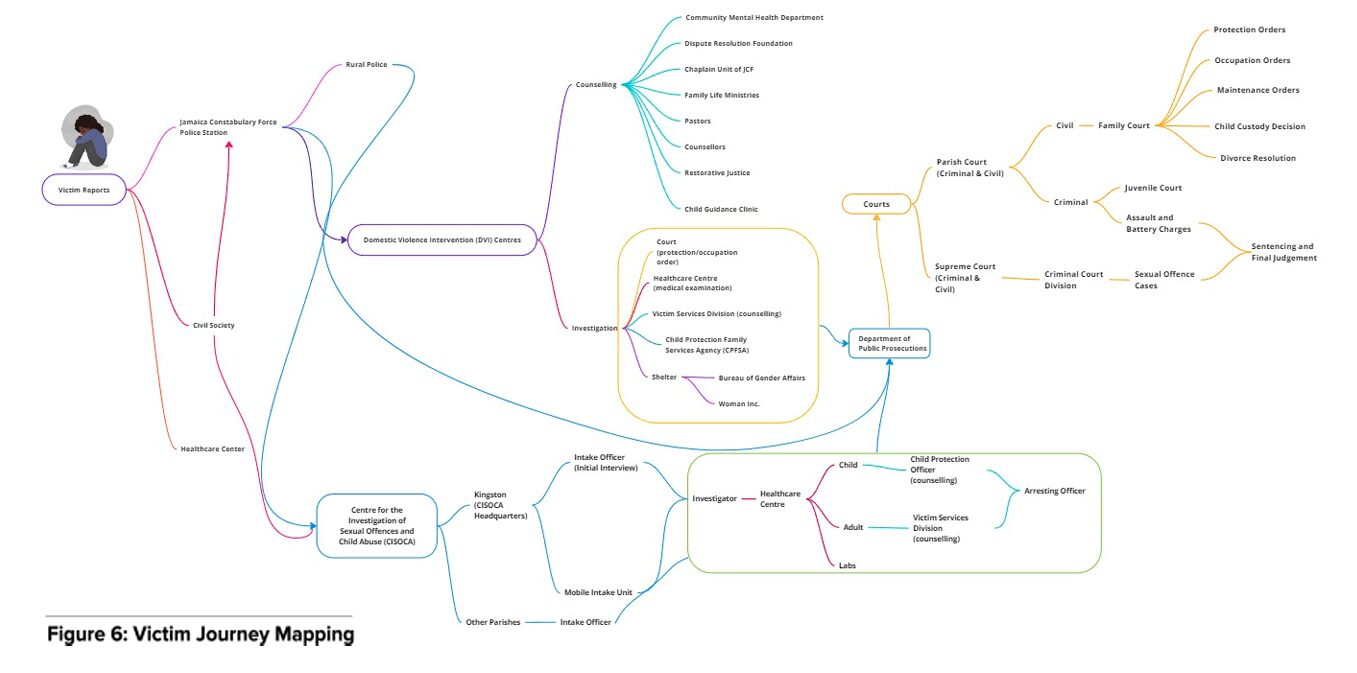
Rampant GBV persists due to outdated laws, poor enforcement, and widespread underreporting. Survivors face secondary victimization and limited access to justice, particularly LGBTQ+ individuals.
Mentally ill detainees continue to languish in indefinite detention without trial or treatment—some for decades—due to a lack of forensic psychiatric facilities.
Civil society actors and anti-corruption institutions are under political pressure, while whistleblower protections remain weak.
Environmental governance is compromised by lack of transparency, weak public participation, and poor enforcement—even in protected areas.
The coalition has outlined concrete recommendations, including repealing colonial-era laws, amending the constitution to protect against gender and sexual orientation-based discrimination, investing in mental health and legal aid systems, and ratifying the Escazú Agreement to safeguard environmental defenders.
Jamaica’s UPR is not just a bureaucratic process—it’s a crucial moment to push for transformative, rights-based reform. The time for action is now.
Read the full submission to the 50th session of the UPR working group below:
Links:
By Jaspreet Singh | Co-Founder
By Erin Thomas | Director, Change Facilitator
Project reports on GlobalGiving are posted directly to globalgiving.org by Project Leaders as they are completed, generally every 3-4 months. To protect the integrity of these documents, GlobalGiving does not alter them; therefore you may find some language or formatting issues.
If you donate to this project or have donated to this project, you can receive an email when this project posts a report. You can also subscribe for reports without donating.



Support this important cause by creating a personalized fundraising page.
Start a Fundraiser