By Jaspreet Singh | Co-Founder & Advocacy Strategist, ICAAD
Recently, we came across one of the clearest examples of how TrackGBV is influencing judicial decision-making in practice.
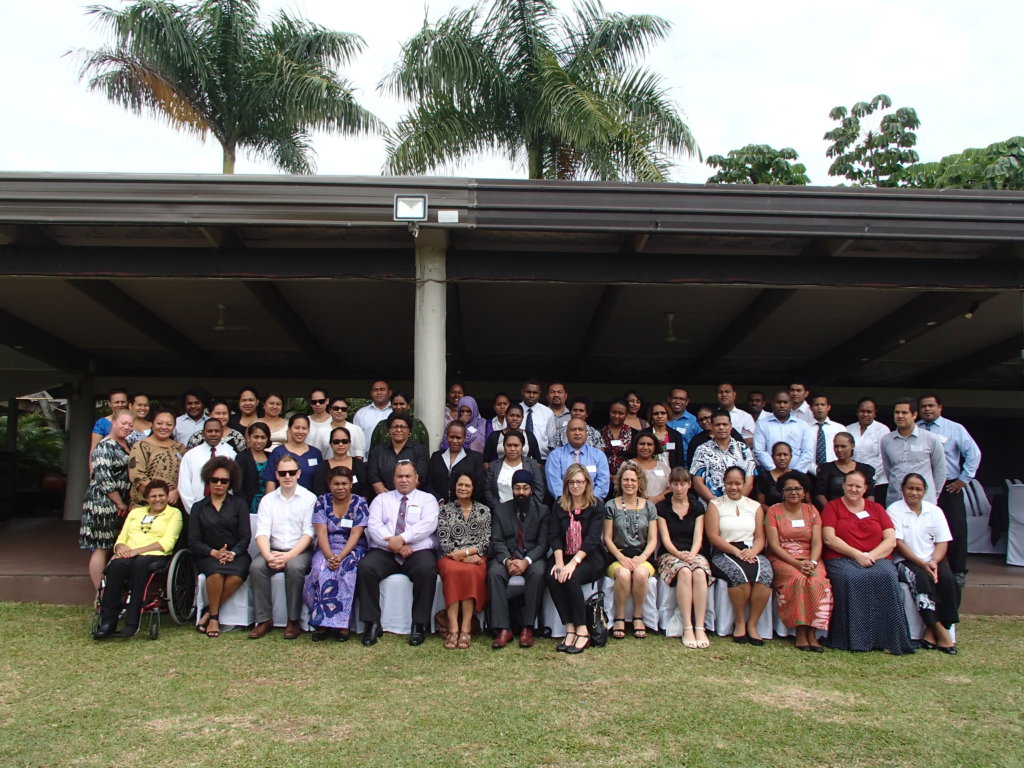
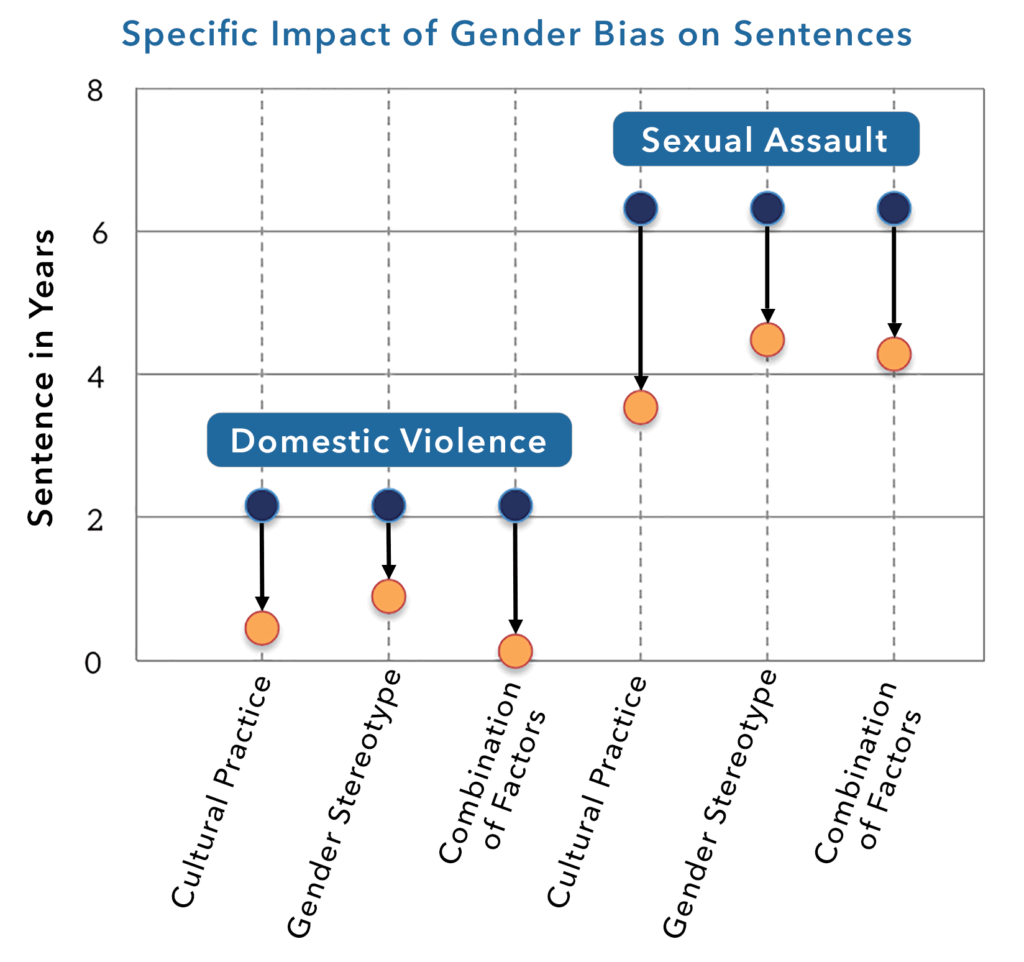
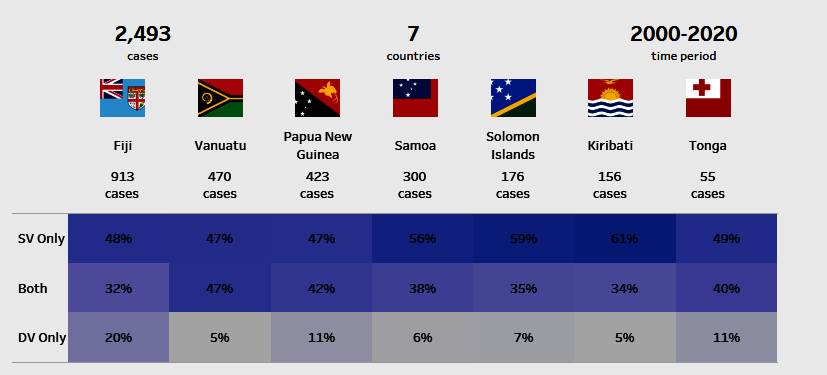
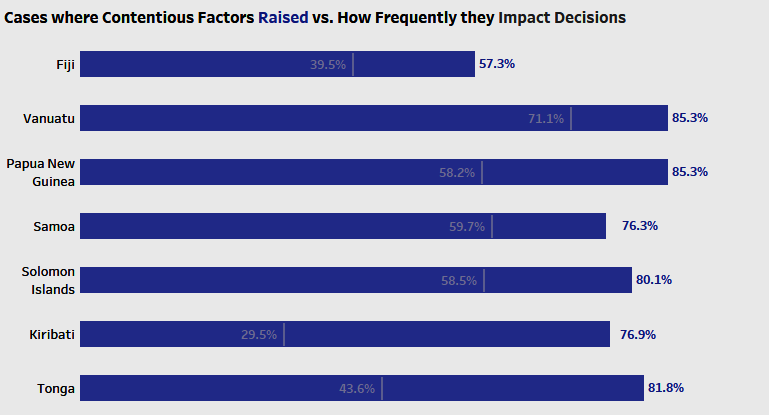
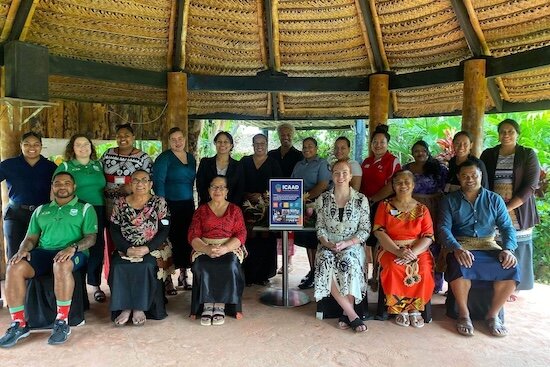
In judicial trainings led by ICAAD Director and Change Facilitator Erin Thomas—including sessions with members of the Tongan judiciary and the former Chief Justice of Tonga—TrackGBV data and analysis were used to examine how gender-based violence cases are handled by the courts. These trainings focused on supporting judges to apply empirical data when identifying risk factors, weighing aggravating and mitigating circumstances, and centering survivor protection within sentencing decisions.
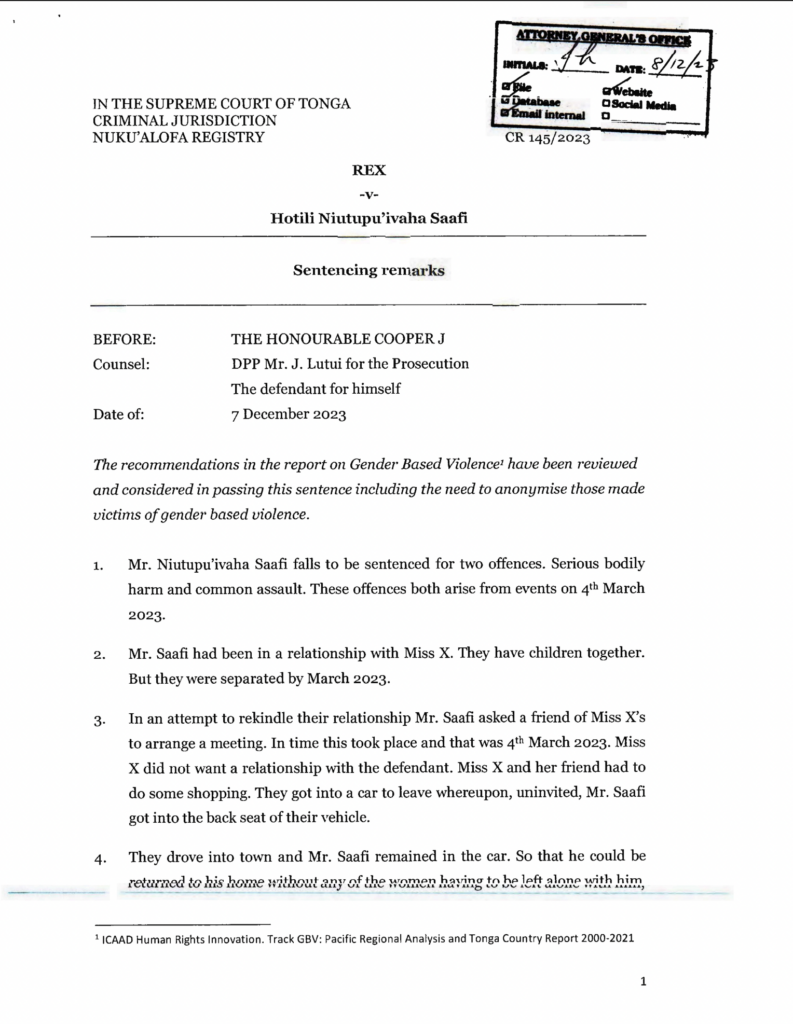
In a Supreme Court sentencing decision, a Tongan Supreme Court justice explicitly acknowledged this work at the outset of the judgment, stating:
“The recommendations in the report on Gender Based Violence have been reviewed and considered in passing this sentence including the need to anonymise those made victims of gender based violence.” ICAAD Human Rights Innovation, TrackGBV: Pacific Regional Analysis and Tonga Country Report
What is particularly significant is how the judgment proceeds from that point. The decision carefully walks through each stage of sentencing, identifying aggravating and mitigating factors and explicitly recognising the offence as gender-based violence and domestic abuse. The court highlights survivor vulnerability, breach of trust by an intimate partner, the sustained nature of the attack, prior offending, and the risk of reoffending—factors that closely align with the analytical framework and recommendations set out in the TrackGBV report.
The judgment also rejects victim-blaming narratives raised during the pre-sentencing process and places clear emphasis on accountability, denunciation of gender-based violence, and the need for sentences that reflect both harm and systemic risk. Ultimately, the court declined to suspend any portion of the sentence, underscoring the seriousness with which it viewed the offence.
For ICAAD, this decision represents a powerful validation of TrackGBV’s approach. It demonstrates how rigorous data analysis, paired with sustained judicial engagement, can shape how courts understand gender-based violence—not only in terms of language and procedure, but in the substantive reasoning that determines outcomes.
We couldn't do this without your support. Thank you.
Project reports on GlobalGiving are posted directly to globalgiving.org by Project Leaders as they are completed, generally every 3-4 months. To protect the integrity of these documents, GlobalGiving does not alter them; therefore you may find some language or formatting issues.
If you donate to this project or have donated to this project, you can receive an email when this project posts a report. You can also subscribe for reports without donating.



Support this important cause by creating a personalized fundraising page.
Start a Fundraiser