By Erin Thomas | Director, Change Facilitator
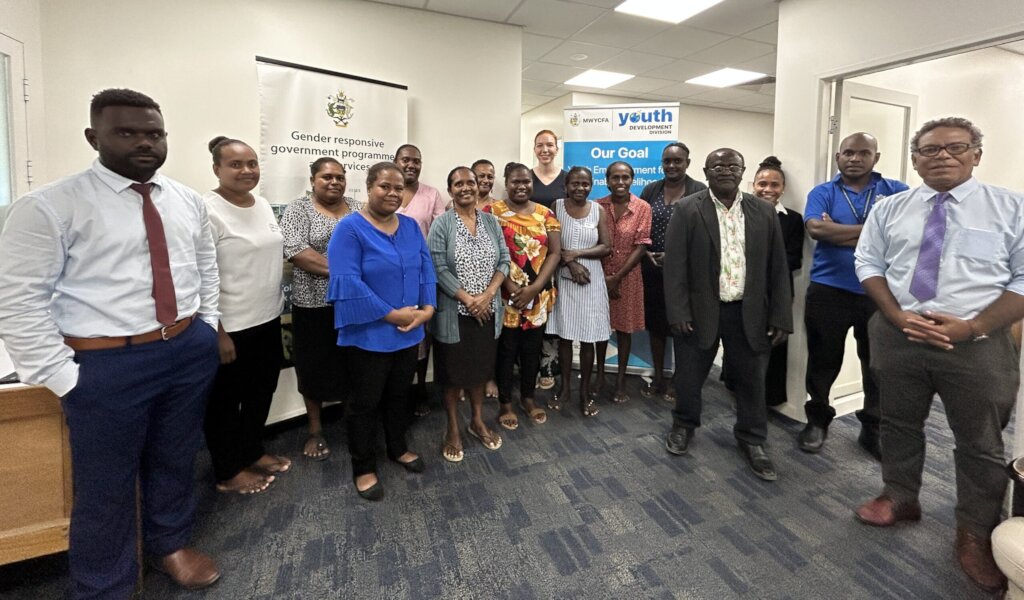
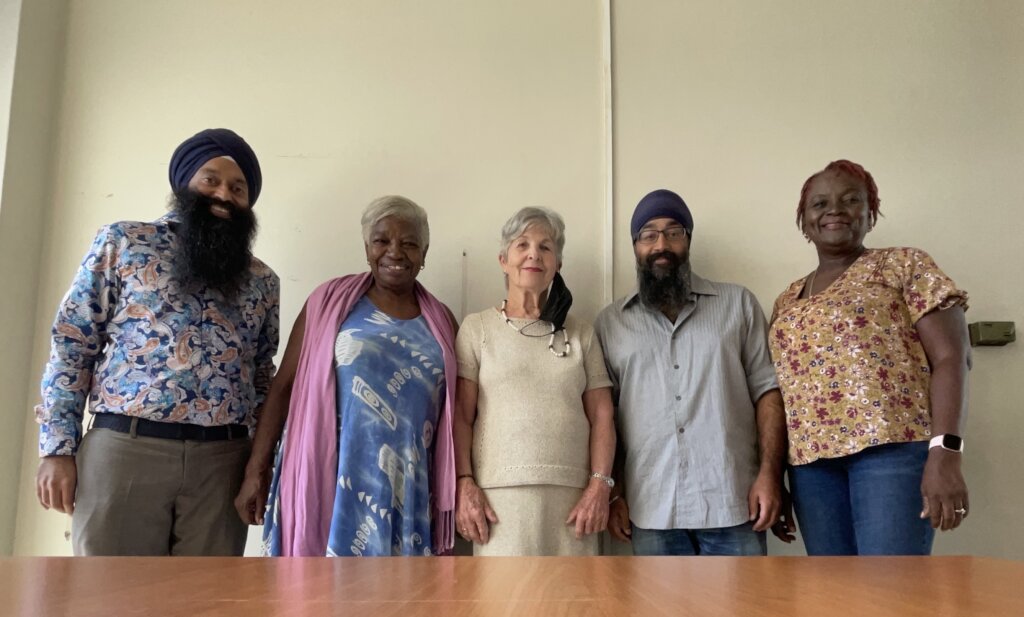
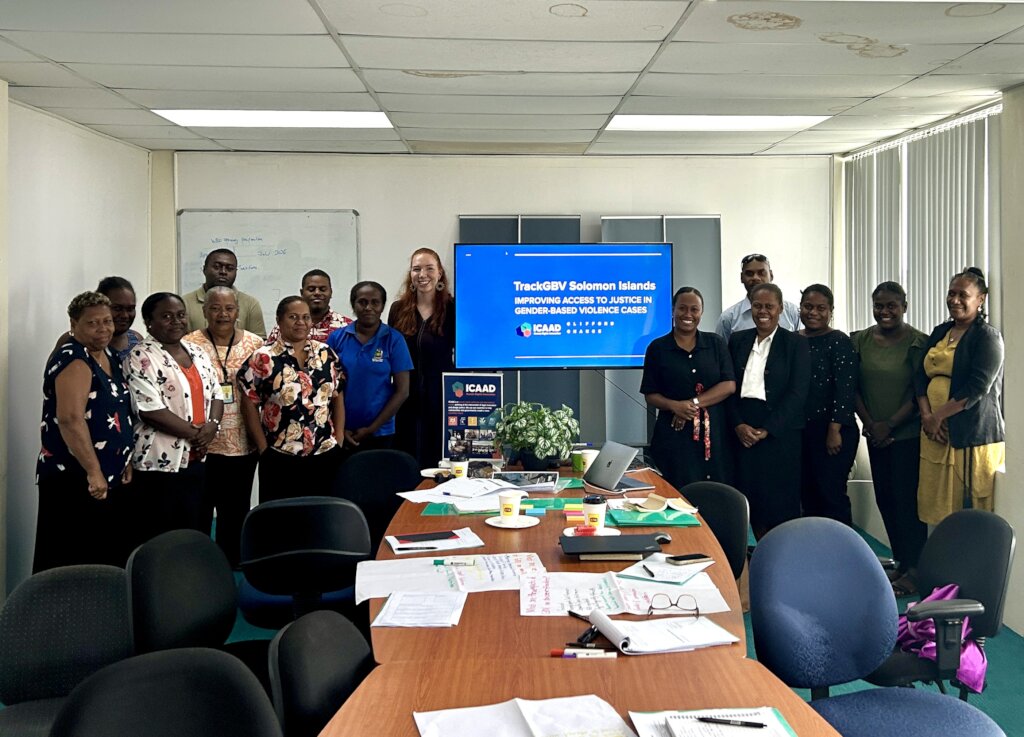
In June, ICAAD returned to Honiara to continue working with stakeholders on integrating TrackGBV into their work. We were able to dive deep in a two-day training with 15 participants from across the GBV service network, including the Ministry of Women, Ministry of Justice, the Public Solicitor's Office, and the Office of the Director of Public Prosecutions.
Participants engaged with the TrackGBV data through case studies and discussion, connecting what the Dashboard shows to their own touchpoints on the access to justice journeys of survivors. By the end of the two days, average confidence in using data to support their GBV work rose to 4.5 out of 5.
As one participant put it succintly: "Information from TrackGBV will help my unit to provide a substantial case and justification for policies and legislative reform." There was widespread interest in continuing the collaboration, and over half of the group has also joined the pilot group for ImpartialAI, which will enable near real-time reporting of sentencing patterns.
What the Data Shows
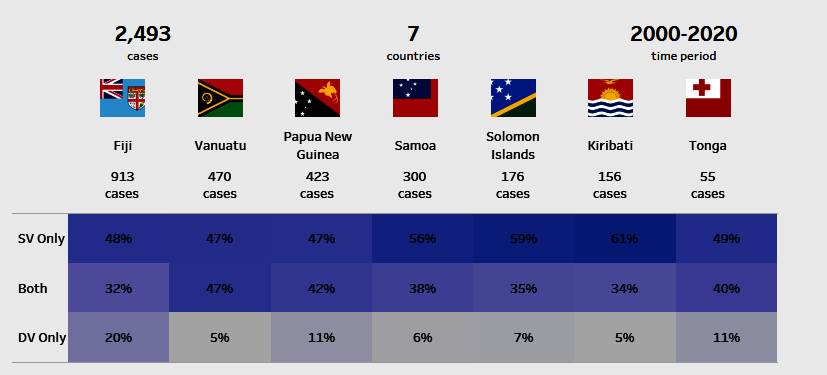
The TrackGBV Dashboard brings together ICAAD's analysis of GBV sentencing decisions going back to 2000, covering nine Pacific jurisdictions including the Solomon Islands. For the Solomon Islands specifically, the analysis of cases from 2015 to 2023 shows a consistent pattern.
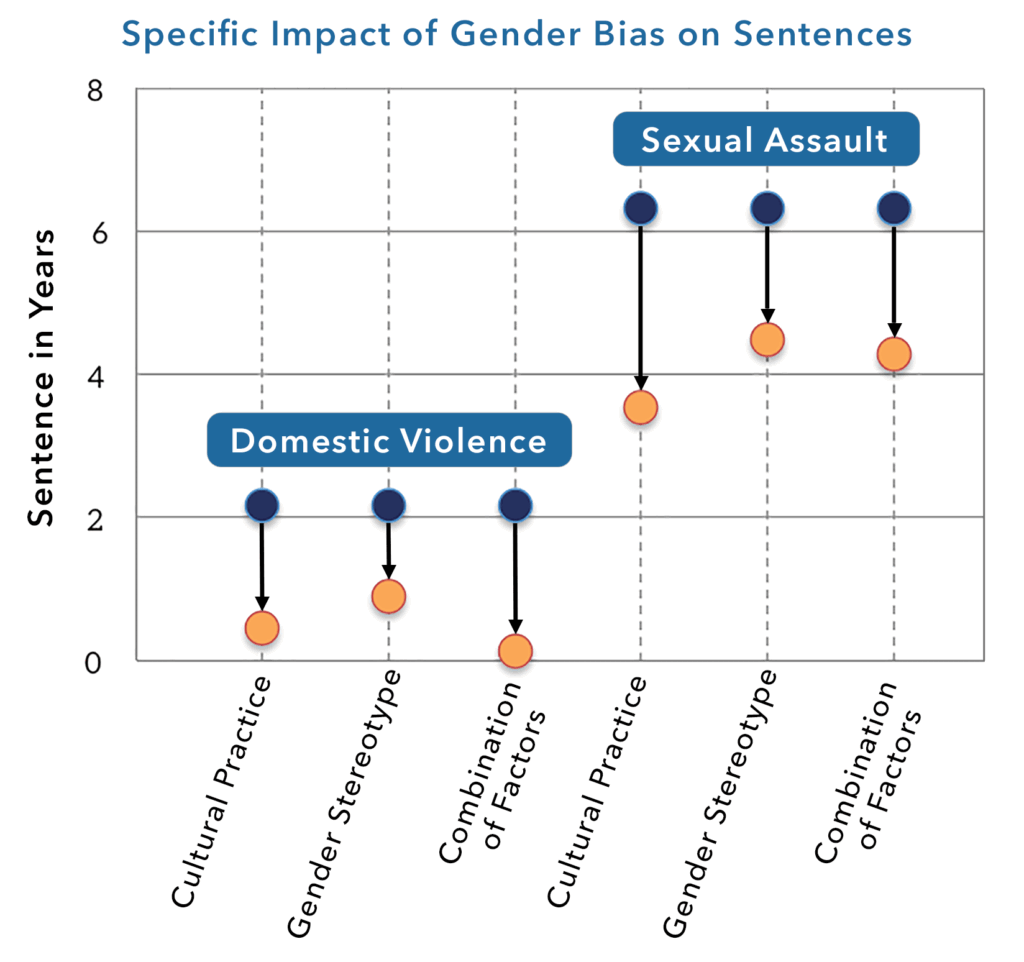
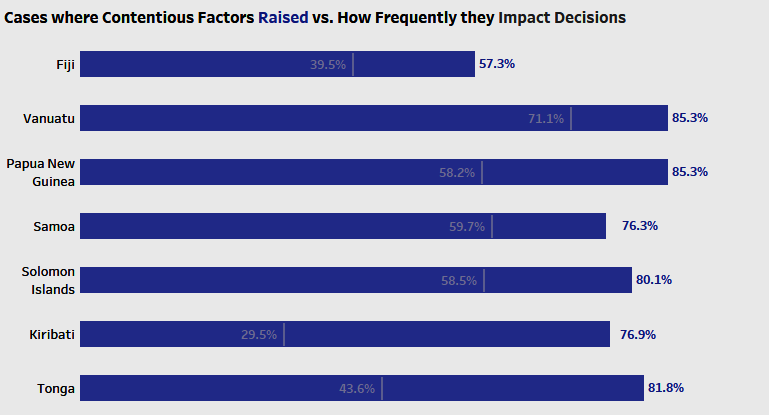
Judicial officers raised gender stereotypes, for example, victim-blaming, in more than one in four sentencing decisions. The sole breadwinner argument, where a lighter sentence is justified because the offender supports a family financially, was used in more than one in three domestic violence cases. In cases where first-time offender status was applied to reduce a sentence, nearly a quarter showed evidence of prior violence that had never been prosecuted. The average sentence reduction due to these kinds of factors, in cases similar to rape, was 1.7 years. Each of these figures offers evidence to service providers of the stories survivors already know. They’ve heard how justice is lost on women and girls in the courts, and it shapes their help-seeking behaviours.
What We've Learned
This training has allowed the ICAAD team to look back and reflect on what works to create structural change in this space. The timeline and our preliminary case law analysis illustrate important lessons for our work going forward.
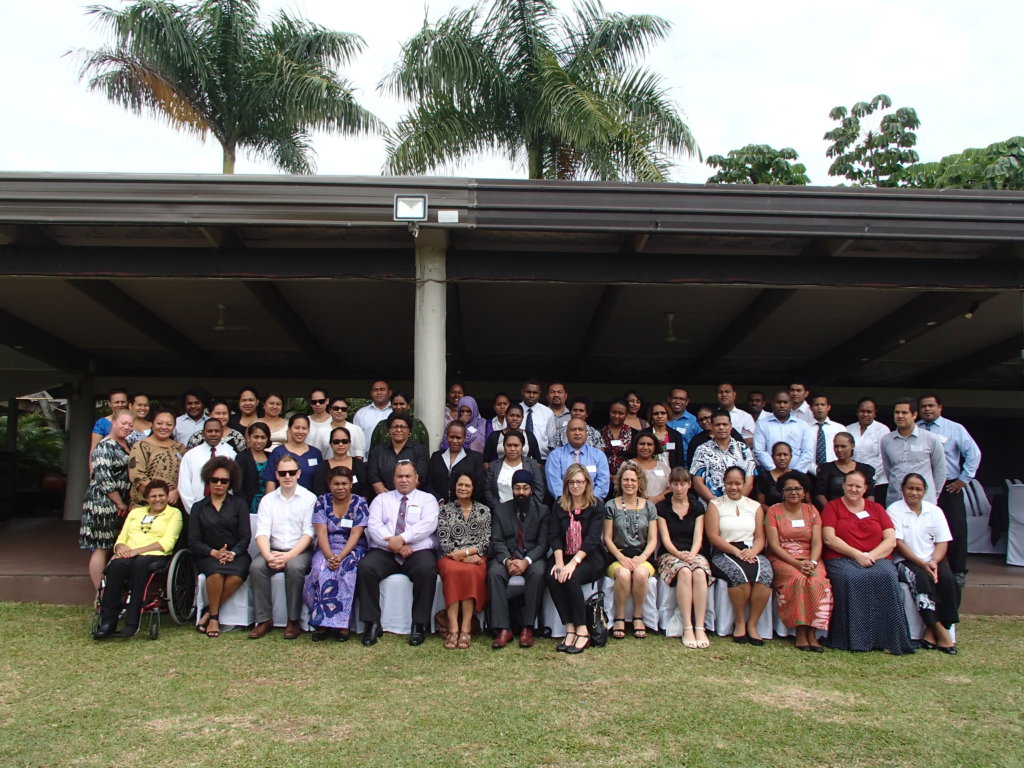
Our first major in-country training was back in May 2024 when 20 representatives from the Solomon Islands gender-based violence (GBV) service network gathered in Honiara for a three-day program with ICAAD. Together they worked through the TrackGBV Dashboard, explored gaps in how the justice system serves survivors, and built a shared picture of where things were falling short. ICAAD’s law firm partners contributed pro bono legal research and case law analysis that grounded the training in jurisdiction-specific insights. Over the three days, participants co-created a set of recommendations grounded in the data. Those became a policy brief, shared directly with Chief Justice Palmer and former Chief Magistrate Garo for their leadership. In September 2025, ICAAD delivered legal training with the Office of the Director of Public Prosecutions, and Solomon Islands stakeholders joined ICAAD's broader Pacific TrackGBV Advocacy Workshop online.
The full dataset is still being analysed and built into the ImpartialAI tool, but the cases coming through are starting to tell a story of where we've been impactful. Prosecutors are applying what they learned, challenging gender-biased reasoning in sentencing with evidence behind them. The improvement visible in recent decisions reflects the work of many actors including the Ministry of Justice and Legal Affairs, the Ministry of Women, Youth, Children, and Family Affairs, SAFENET members, and others who have been raising awareness of gender stereotypes and gaps in services for survivors before and alongside this work. TrackGBV sits within that broader ecosystem, adding a critical layer of evidence about what’s happening at the stage of justice where gender discrimination send the loudest signal: sentencing. With that data, stakeholders like prosectors can sharpen their tools to ensure that bias does not shape survivors' experiences in court.
The Solomon Islands is one of the most active TrackGBV jurisdictions in the Pacific, and the engagement between ICAAD, MJLA, and MWYCFA has built the foundation for that demonstrating what sustained partnership can do. Soon, we'll be able to see the full picture with the case law analysis, and the pilot group from this cohort will help shape what the tool tracks and how it reports, bringing their knowledge of what actually matters on the ground into the design.
Project reports on GlobalGiving are posted directly to globalgiving.org by Project Leaders as they are completed, generally every 3-4 months. To protect the integrity of these documents, GlobalGiving does not alter them; therefore you may find some language or formatting issues.
If you donate to this project or have donated to this project, you can receive an email when this project posts a report. You can also subscribe for reports without donating.



Support this important cause by creating a personalized fundraising page.
Start a Fundraiser