Donations to this project
are eligible for a 100% match
as part of
the
Safer World Fund 2026 campaign!
Donations to this project
are eligible for a 100% match
as part of
the
Safer World Fund 2026 campaign!
 (while funds remain)
By Zuhra Shafiq | Program Director
Overview of the Healthcare Crisis
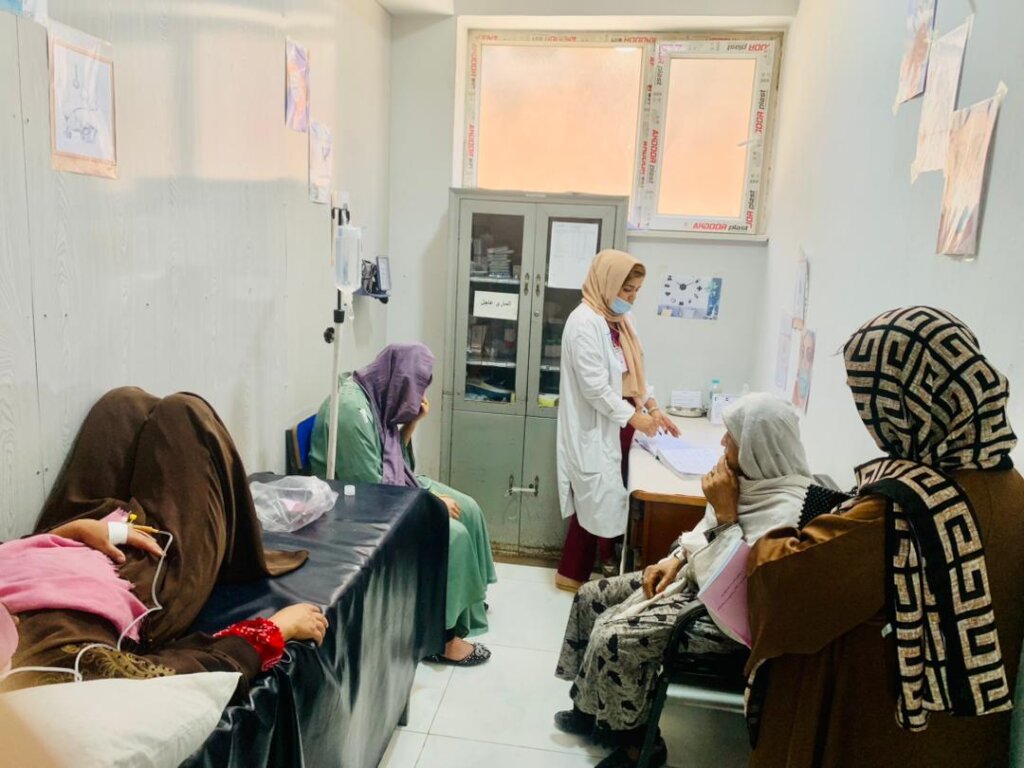
As of late 2025, Afghanistan's healthcare system is on the brink of collapse following severe geopolitical shifts and the withdrawal of international aid. For women, who were already disproportionately affected by cultural and security barriers, the situation has transitioned into a humanitarian emergency characterized by restricted movement, a dwindling female workforce, and the widespread closure of facilities.
The challenges in urban, semi-urban and rural parts vary. While urban areas historically benefited from a higher concentration of resources, they are now characterized by extreme overcrowding in public hospitals. Women often wait in lines for hours and may be discharged within an hour of delivery due to lack of beds. Private clinics, while offering better services, have become unaffordable for the majority of families due to the economic freefall.
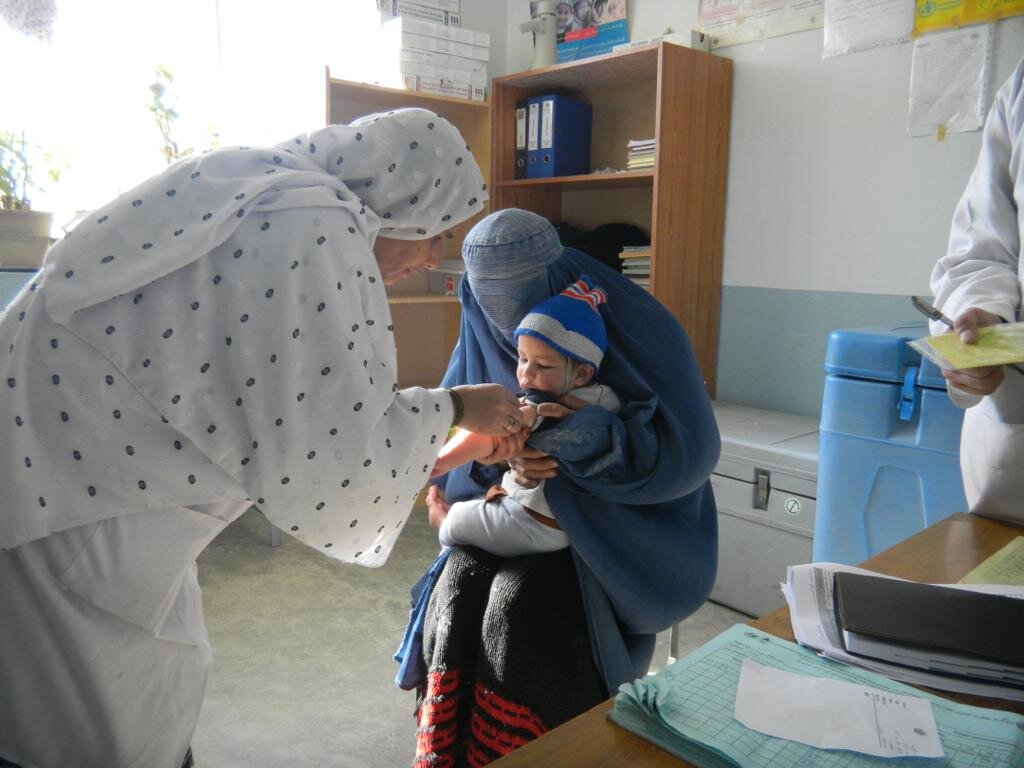
In semi-urban settlements (also understood as "transitional" zones), women face a unique blend of urban poverty and rural-style mobility restrictions. Unlike rural areas, where clinics may be non-existent, semi-urban women often live near facilities but cannot access them without a mahram (male chaperone). Public transport costs are a major deterrent, and the shortage of female providers in these areas is acute, as many urban-trained professionals have fled or are barred from practicing.
The women suffer from the critical barriers in accessing health services. Some of these barriers are listed below:
As already been mentioned in many studies the consequences of dismentaling USAID support to Afghanistan was immense. The dismantling of USAID support and the subsequent "stop work" orders in early 2025 have had a catastrophic impact on the health infrastructure:
Afghanistan’s healthcare system is facing an unprecedented collapse, with women bearing the heaviest burden as mobility restrictions, the loss of female health workers, and the sudden withdrawal of international aid have pushed access to care into a full-scale humanitarian emergency. Over 420 health facilities have already closed, millions of people have lost their only source of medical services, and nearly 9 million women are now cut off from lifesaving maternal and reproductive care—while thousands more facilities remain at risk of shutting down. In this context, every contribution matters. Your support can help keep essential services running, bring care closer to women who cannot safely travel, and ensure that vulnerable mothers and children are not left without hope or treatment. By donating, you are not only helping to save lives today, but also standing in solidarity with Afghan women and families who urgently need sustained, compassionate healthcare in the face of overwhelming odds.
Project reports on GlobalGiving are posted directly to globalgiving.org by Project Leaders as they are completed, generally every 3-4 months. To protect the integrity of these documents, GlobalGiving does not alter them; therefore you may find some language or formatting issues.
If you donate to this project or have donated to this project, you can receive an email when this project posts a report. You can also subscribe for reports without donating.



Support this important cause by creating a personalized fundraising page.
Start a Fundraiser