By Nisreen Malley | Director of Advocacy
Thank you for your continued support, which enables Rebuilding Alliance to advocate for Palestinian communities in the West Bank, Gaza, and East Jerusalem facing displacement, restricted access to essential services, and ongoing humanitarian challenges.
Over the past several months, Rebuilding Alliance’s Advocacy team has convened high level meetings with Congressional staff, U.S. State Department, the U.S. Embassy in Jerusalem, physicians, humanitarian organizations, and faith leaders to advance meaningful policy to protect civilians and expand humanitarian access for Palestinians in Gaza and the West Bank. During these meetings we propose tangible solutions and ask for U.S. policy makers to intervene on behalf of Palestinian communties in crisis.
Gaza: Restoring Humanitarian Pathways for Patients
Over 21,000 patients in Gaza need medical treatment that is unavailable there, while hospitals in East Jerusalem are equipped, ready, and willing to provide that care. The primary barrier is approval from the Government of Israel for patients to be allowed to transit to the hospitals, and Rebuilding Alliance has been pressing for the diplomatic action needed to engage the Government of Israel to reopen the humanitarian corridor.
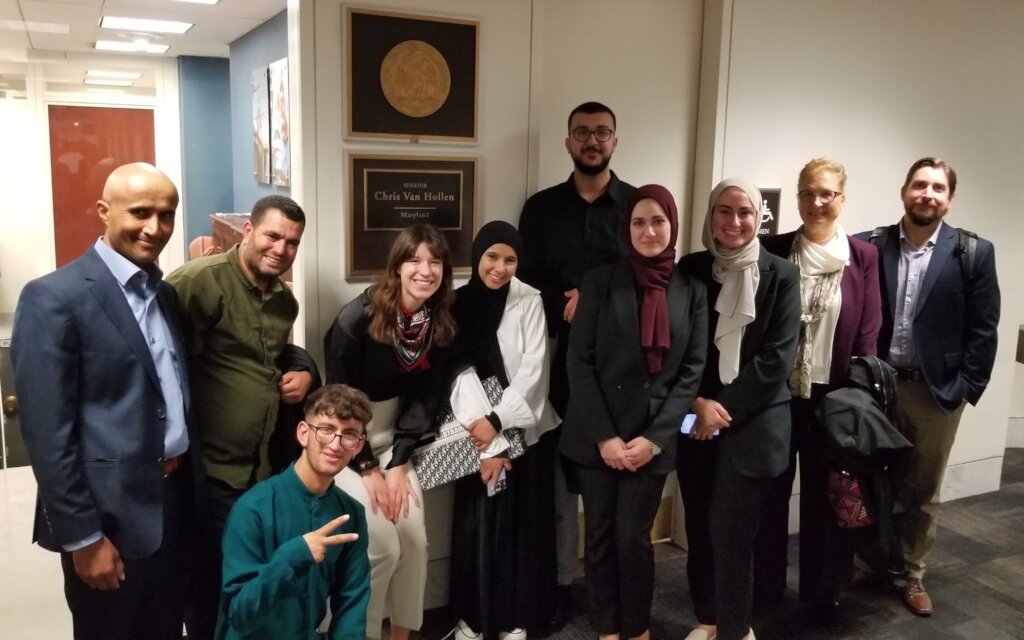
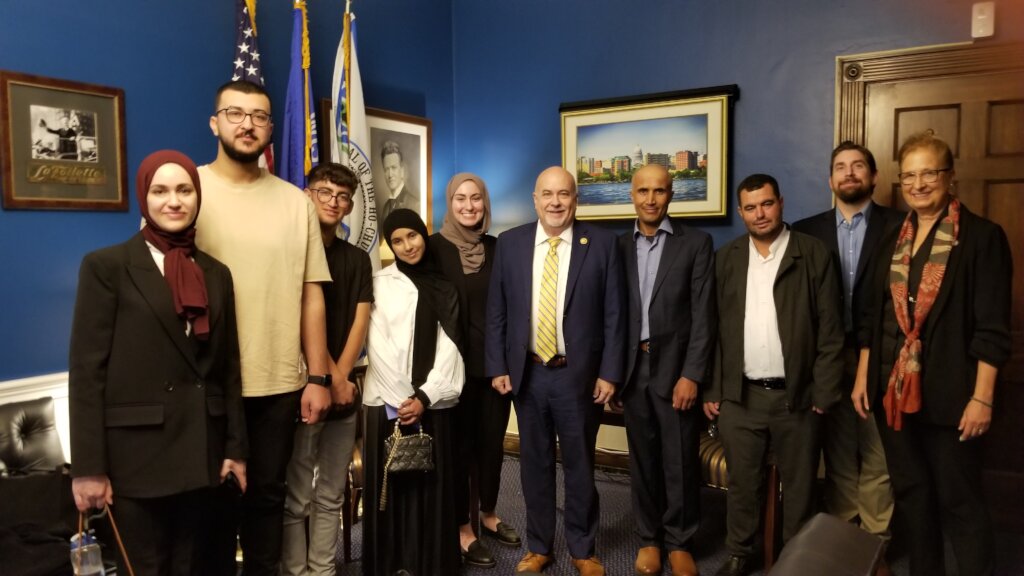
Since the beginning of October, Rebuilding Alliance has been meeting with Congressional offices weekly to push for the reopening of the corridor to East Jerusalem. By highlighting the case of one particular little girl who is in urgent need of evacuation for medical care, our team hopes that intervention on her behalf can help her access treatment and open the corridor for many others who need care.
During these meetings we were joined by colleagues from Friends Coalition on National Legislation (FCNL), Evangelical Lutheran Church of America, Churches for Middle East Peace, OxFam and Anera. This coalition of groups with various areas of expertise educated congressional offices about the severity of the humanitarian crisis in Gaza, particularly as it relates to food and shelter item shortages, and medical needs. The coalition also stressed the importance of American funding for the East Jerusalem Hospital Network, and asked Congress to make this a priority.
While highlighting the vast needs of patients in Gaza, our advocacy also brought forward individual cases of patients in urgent need of medical evacuation. Through RA’s Gaza Medical Evacuation Task Force, we coordinated advocacy on behalf of patients requiring urgent care, including for one young man in Gaza who needs urgent treatment for a serious spinal injury. Our team, along with partners, secured treatment for him in a Jordanian hospital, with the goal of an evacuation as soon as possible.
We have also worked closely with staff at the U.S. Embassy in Jerusalem and a Senator’s office to advance cases of 15 patients for transfer to the EJHN and for the patients right to return to Gaza in a safe and dignified way. The hospitals are prepared to treat these patients, and others, as soon as approvals are given for this corridor to be reopened.
West Bank: Remove Violent Settler Outposts and Prevent Displacement
Our team has also continued advocating for Palestinian communities in the West Bank facing unprecedented escalations of settler violence, demolition orders, and the imminent threat of forced displacement.
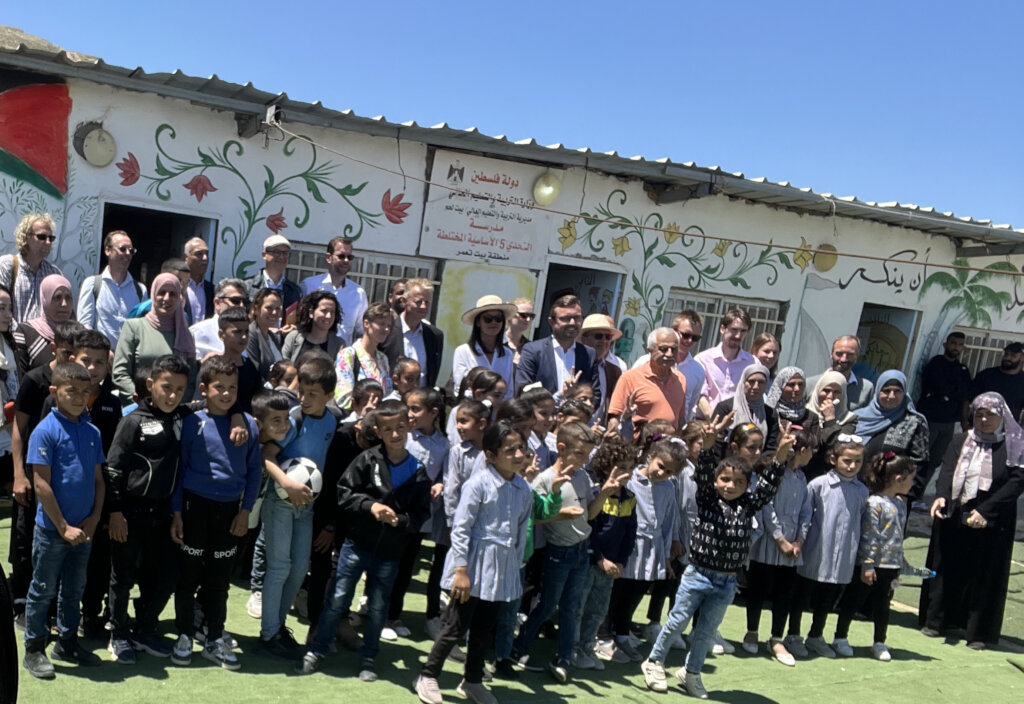
Our advocacy work has highlighted the serious threats to the village of Umm al Kheir, a village that RA has had a close relationship with for many years, visiting the community on many of our Leadership Learning Missions. As threats to Umm al Kheir village intensified, Rebuilding Alliance’s Advocacy Team expanded its longstanding advocacy on behalf of the community, where residents face ongoing demolition orders, expanding settler outposts, and increasing restrictions on daily life.
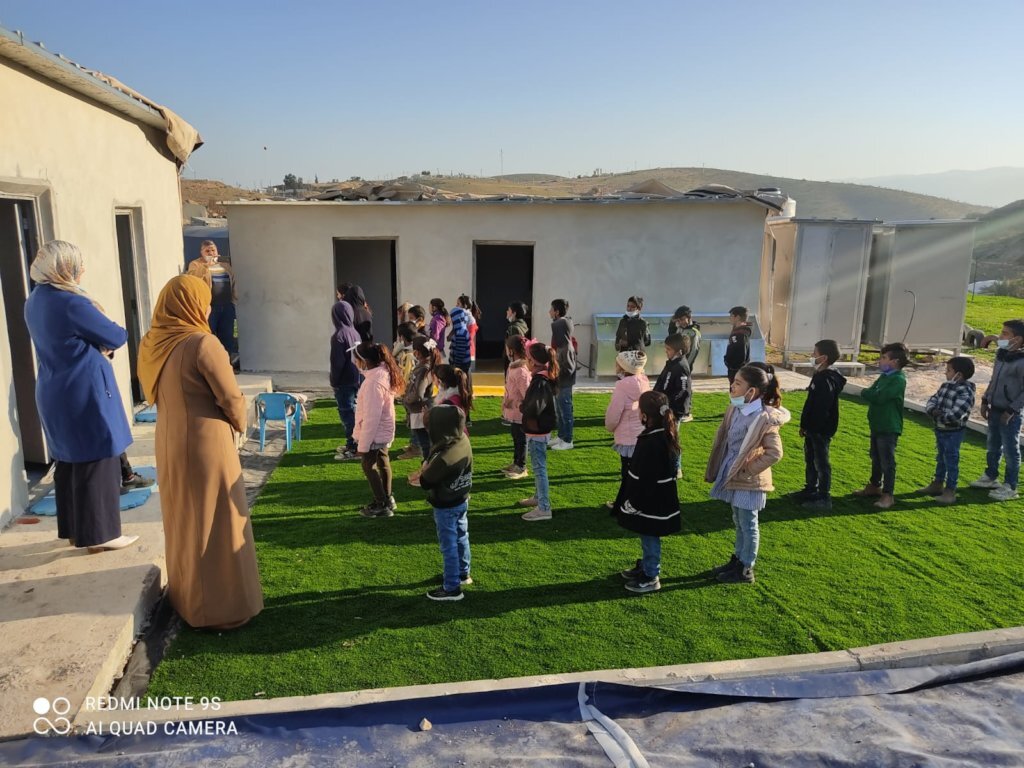
On August 9th, RA’s Advocacy Team held a special webinar with the women of Umm Al Kheir Village, marking the one year anniversary of the murder of the young peace activist and teacher, Awdah Hthaleen. Our guests from Umm al Kheir updated the audience on the current situation in the village, including the newly established settler outposts and the razor wire barrier that blocks the walking path to the children’s school. They answered audience questions and brought forward tangible solutions that constituents could ask their members of Congress to be a part of.
Our team has also worked closely with the Umm al Kheir Village Council and the village’s planner who has drafted a master plan for the community. The village has submitted their plan to the authorities for approval and currently is awaiting a response from the Government of Israel. Residents of Umm al Kheir own their land, and have clear documents supporting their ownership. They should have the ability to plan for their future, as any community should have.
In Masafer Yatta, communities continue to be threatened with mass forced displacement, with Jinba village currently under high threat of mass demolitions and total displacement of the community.
On September 23rd, nearly half of Jinba Village was demolished, leaving over 100 people homeless. The demolitions appear to have resulted from preventable procedural errors which Rebuilding Alliance quickly uncovered with the help of Jinba’s lawyer. Our team then immediately flagged the U.S. Embassy and congressional offices, asking for their intervention.
The demolitions in Jinba were just the most recent in a series of mass demolitions targeting villages in Masafer Yatta:
Rebuilding Alliance continues to meet with Congressional offices to highlight these urgent crises and to ask for their intervention.
We have a positive update to a case our team had been working on since April, that of the young man from Tayassir who had been killed by Israeli setlers, and had his body withheld. We are grateful for all of the hard work undertaken by the young man's legal team, and heartened to report that his body has since been returned to his family for proper burial, to be laid to rest in his village with dignity.
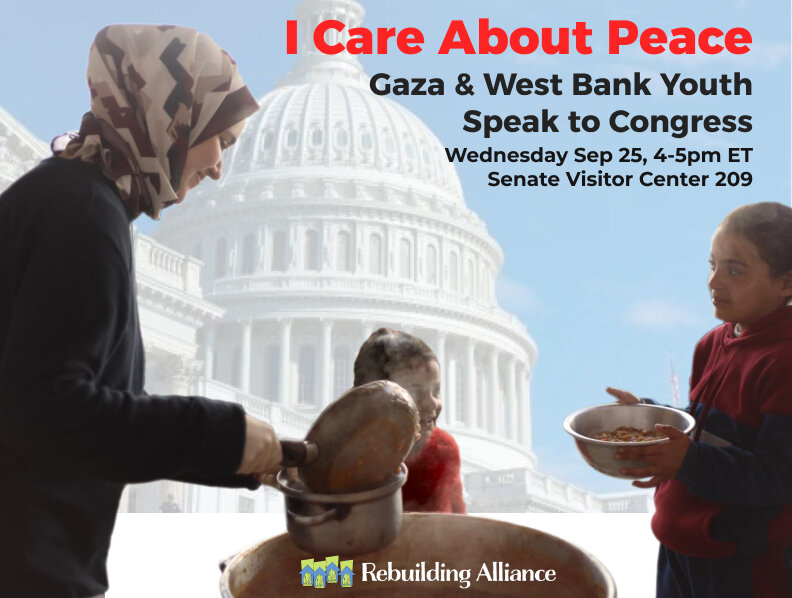
10th Annual International Peace Day Webinar Series brought the voices of Palestinian youth to American Congress and Constituents
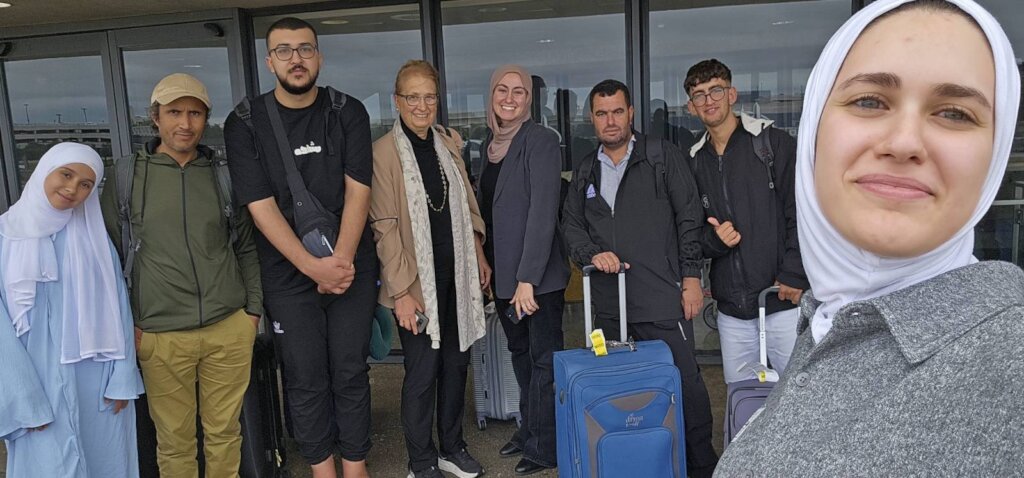
Every year, Rebuilding Alliance brings Palestinian youth to Congress to discuss their visions of peace. This year, due to US travel restrictions, we did it a little differently by highlighting four different communities via webinar series for constituents then bringing these voices together for a Congressional meeting. We also opted for a series because the scale of the emergency is so great and every community the time and attention they deserve.
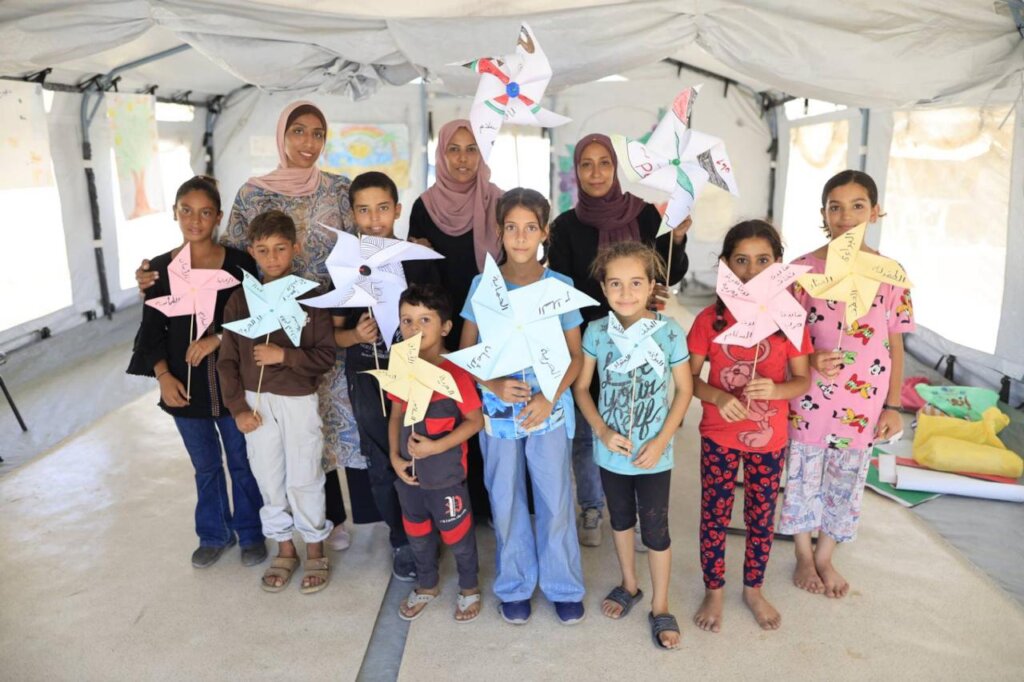
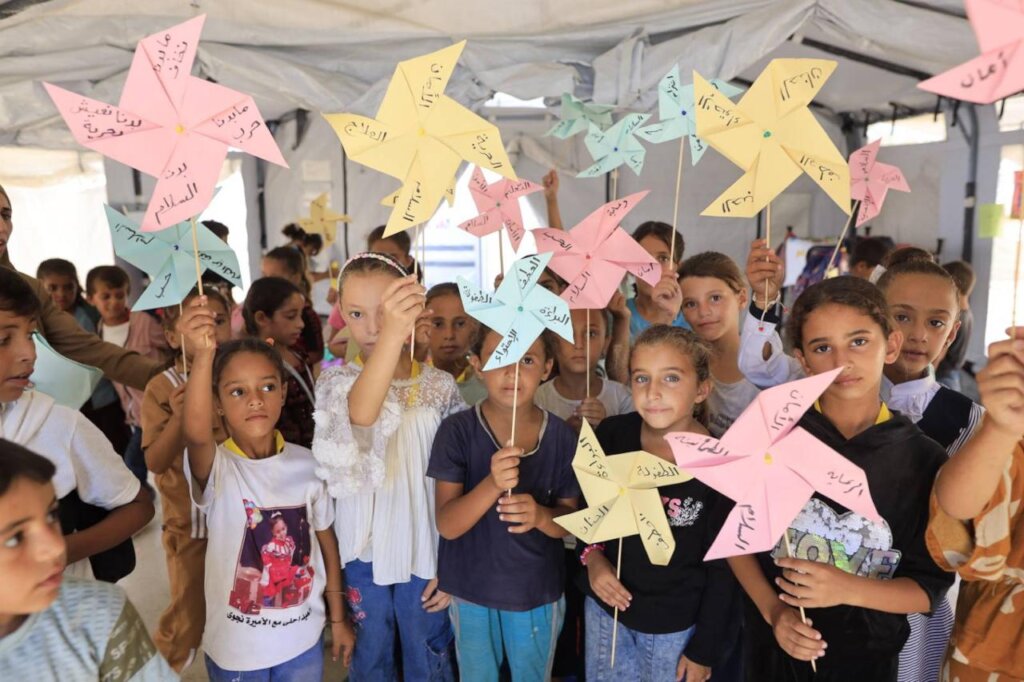
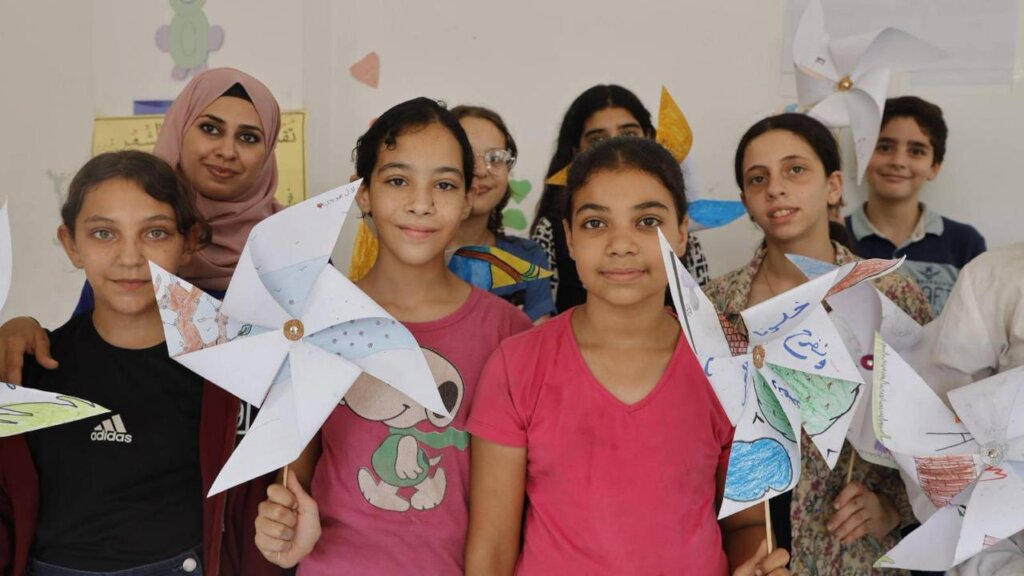
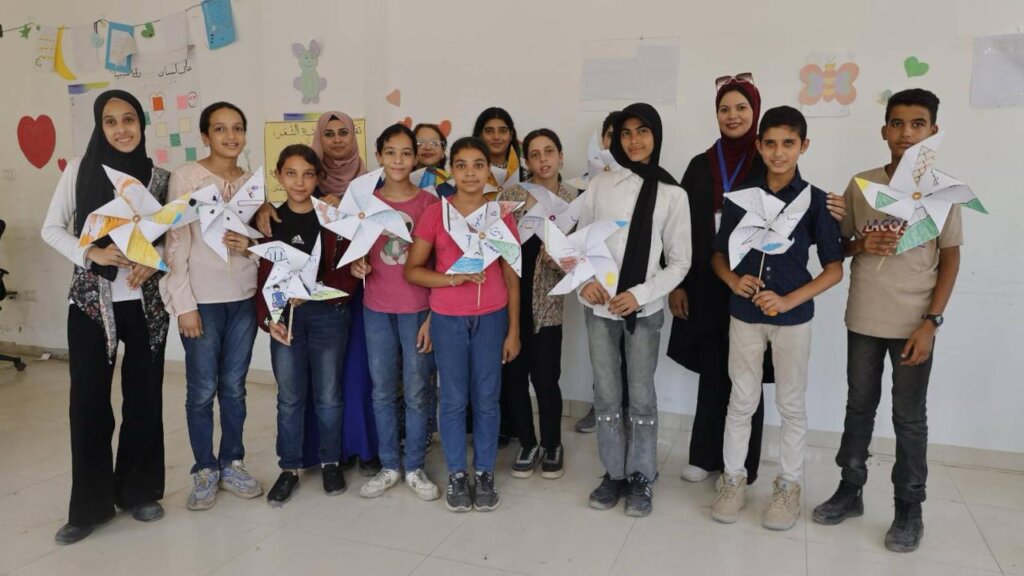
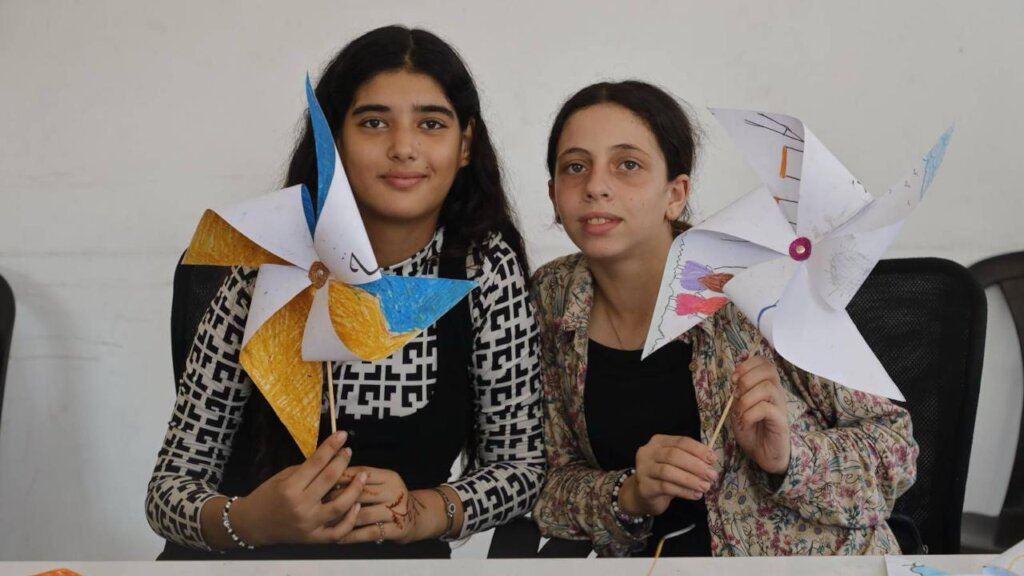
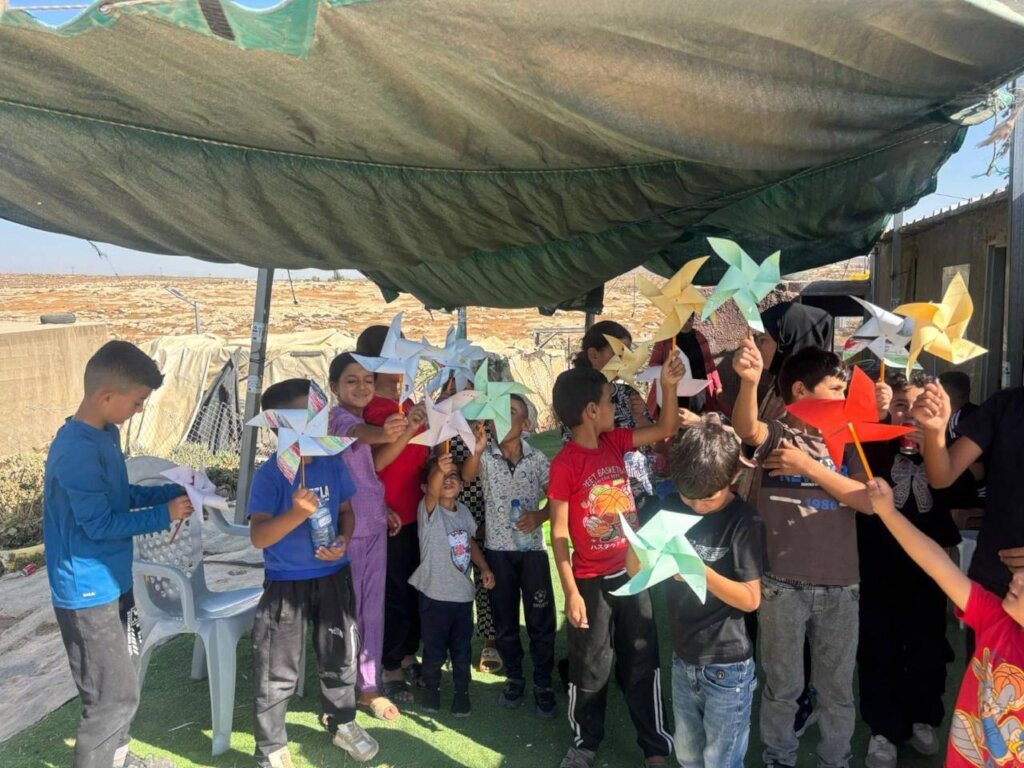
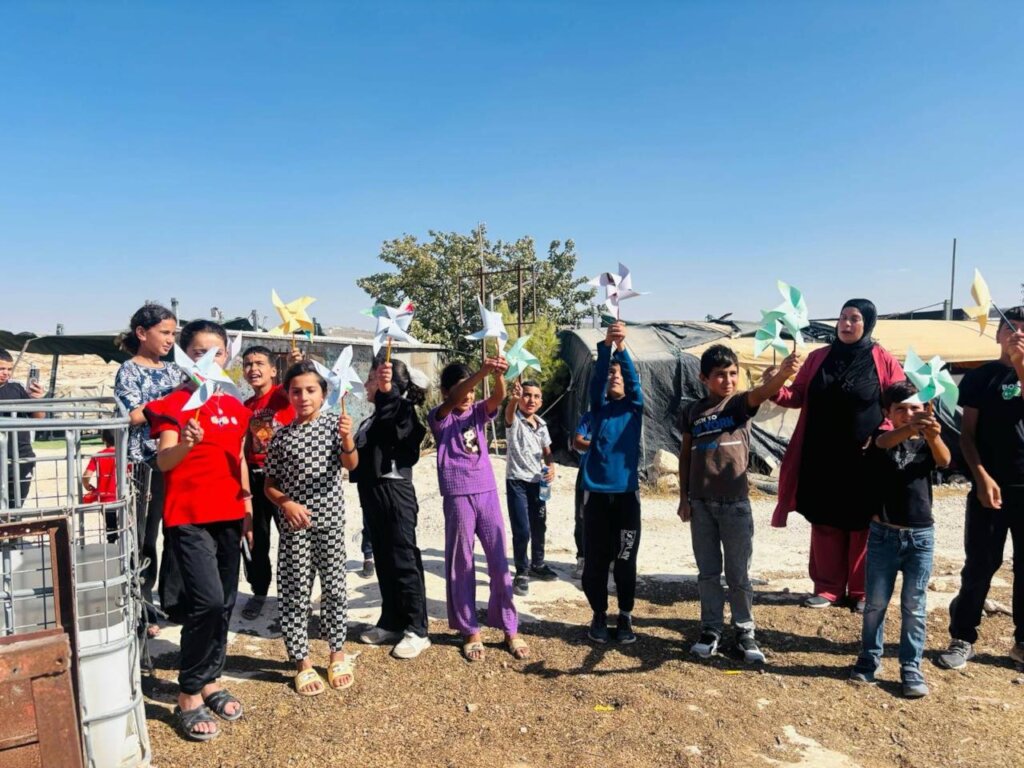
We also facilitated, along with our staff and partners on the ground, Pinwheels for Peace, a psychosocial art therapy program that allows youth to visualize their hopes for the future and peaceful lives. They were able to share this with the US Congress and constituents.
Thank you again for supporting Rebuilding Alliance’s Advocacy Team. Your support truly makes a difference and enables us to continue to advocate for Palestinian communities.
With Gratitude,
Rebuilding Alliance's Advocacy Team
Project reports on GlobalGiving are posted directly to globalgiving.org by Project Leaders as they are completed, generally every 3-4 months. To protect the integrity of these documents, GlobalGiving does not alter them; therefore you may find some language or formatting issues.
If you donate to this project or have donated to this project, you can receive an email when this project posts a report. You can also subscribe for reports without donating.


Support this important cause by creating a personalized fundraising page.
Start a Fundraiser