By Denitsa Raykova | Donor Relations and Care Specialist
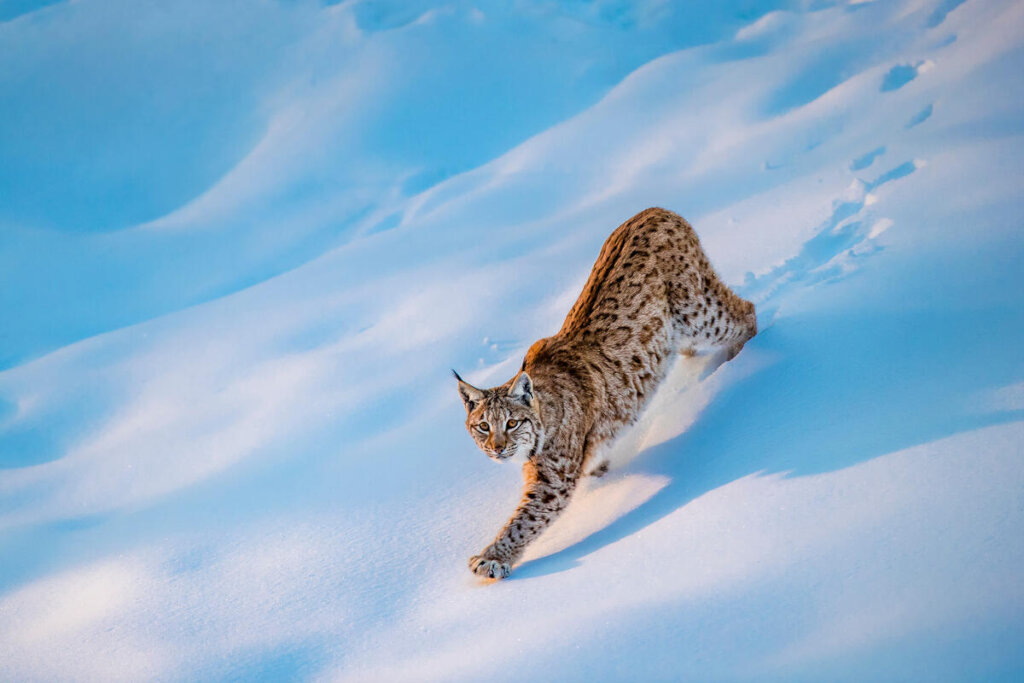
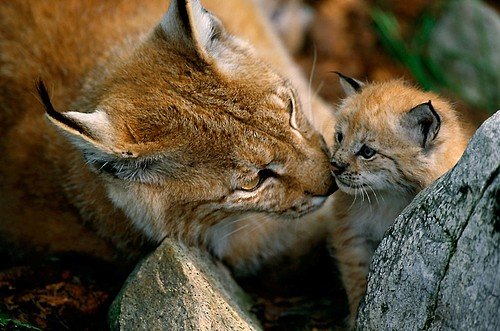
Do lynxes enjoy being in the spotlight? Definitely not. They are quite private, mostly active at night and keep mainly to themselves. It is not often that you can catch a glimpse of a wild lynx, but here in Bulgaria we are hoping to do just that.
Wildlife in Bulgaria
Although small in territory, Bulgaria is one of the leading countries in Europe in terms of biodiversity. According to data from the Red Book, between 60 and 65 000 animal species inhabit the country. As expected, vertebrates are the best studied with 781 known species. Unfortunately, however, many of their populations are at risk.
‘Along with poaching and climate change, one of the biggest threats to large carnivores like the lynx in Bulgaria is habitat fragmentation. Bears, for example, inhabit huge individual territories and travel tens of kilometers a day. However, their route is often blocked by highways, roads, infrastructure projects and other dangerous barriers. That's why WWF has made it a priority to protect and restore the ecological corridors animals use,’ says Nada Tosheva, WWF Bulgaria's Species Conservation Program Manager.
Data from camera traps
Ecological corridor building activities are being rolled out in several mountain ranges in Eastern Europe, including the Balkan Mountain in Bulgaria. The work here is particularly important. Recently, a team of WWF specialists visited the Western Balkan Mountain region and, with the help of local forestry officials, installed camera traps to monitor wildlife.
‘Thanks to camera traps, we study the routes, behavior, mating and feeding habits of animals and their habitats. We are able to identify disturbances in ecological corridors and take adequate action to restore them,’ says Alexander Dutsov, Senior Expert in the Species Conservation Program at WWF.
We haven’t seen footage of lynxes from the camera traps yet, but we are keeping our fingers crossed that that might happen in the near future!
Protecting wildlife
We believe that no one would like to see wild animals like the lynx become only pictures of extinct species in encyclopedias. Species form ecosystems that sustain the balance and life on Earth. We owe the ecosystems vital services such as clean air, clean water, healthy food, medicines, resilience, protection against disasters, natural spaces to inhabit and enjoy. We must not forget that our survival depends on them.
WWF's great mission is to help build a future where people live in harmony with nature and its inhabitants. We are deeply grateful to every person who contributes to this mission! Thank you!
Links:
Project reports on GlobalGiving are posted directly to globalgiving.org by Project Leaders as they are completed, generally every 3-4 months. To protect the integrity of these documents, GlobalGiving does not alter them; therefore you may find some language or formatting issues.
If you donate to this project or have donated to this project, you can receive an email when this project posts a report. You can also subscribe for reports without donating.



Support this important cause by creating a personalized fundraising page.
Start a Fundraiser