By Denitsa Raykova | Donor Relations and Care Specialist
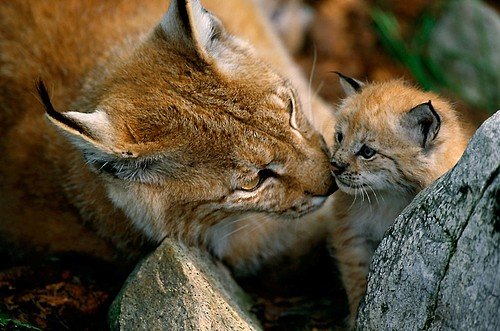
How could the lynx ever return to Bulgarian nature if its home is destroyed?
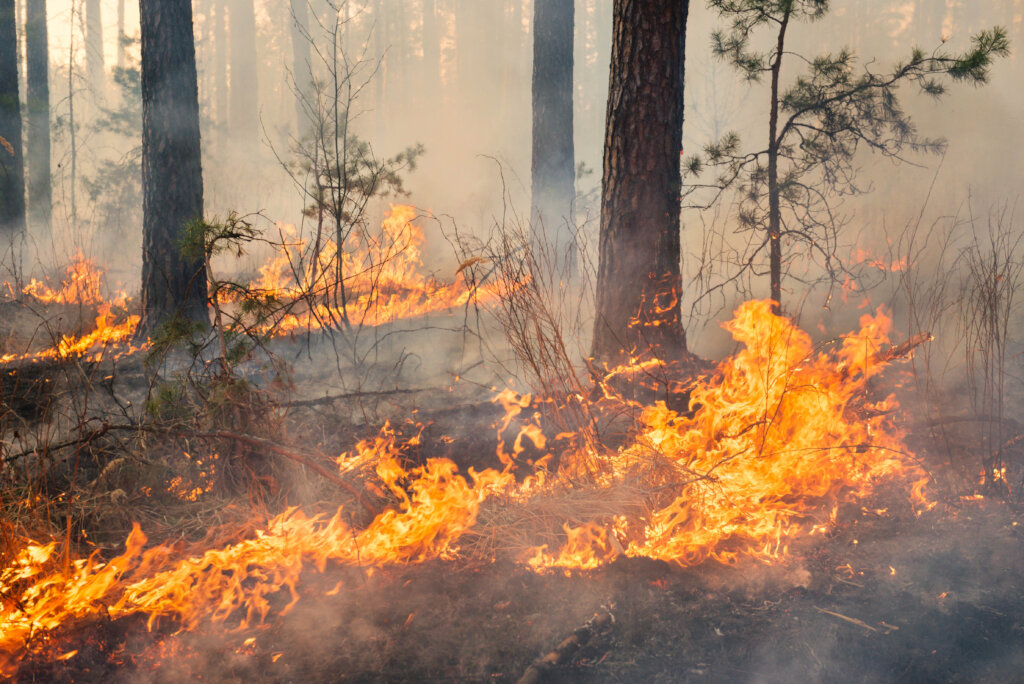
This past summer, Bulgaria was engulfed by horrifying wildfires. It was among the 10 EU countries most affected by forest fires as a percentage of the country's territory, according to data from the European Forest Fire Information System (EFFIS).
Since the beginning of the year, we have lost more than 30,000 hectares of forest to fires. Many of them - in NATURA 2000 territories.
Forest fires have caused serious damage economically and ecologically, directly and indirectly. The indirect damage is related to the loss of ecosystem services, biodiversity, and landscape. The most tragic thing of all – we witnessed the loss of so many wild (and farm) animals in the flames.
Forest fires are one of the greatest threats to Bulgarian nature, according to data from a recently published analysis by WWF Bulgaria. Statistics show that over the last three decades, the number of fires and the area burned, both in Bulgaria and in Europe, have increased significantly.
What did WWF Bulgaria do to help?
Forest fires cause terrible damage to wildlife, and thousands of wild animals fall victim to them. Only we humans can prevent fires and extinguish them in time.
Apart from publishing a new detailed analysis on the issue, in the summer of 2025, WWF Bulgaria launched a special campaign to raise awareness and funds to support the National Association of Volunteers in the Republic of Bulgaria and the Green Balkans Wildlife Rescue Center.
Part of the proceeds were used to purchase equipment and supplies for volunteers who risk their lives and health to help extinguish forest fires. The other part was used to support the work of the Green Balkans Wildlife Rescue Center in the Bulgarian city of Stara Zagora, which cares for wild animals injured in forest fires.
In addition, WWF Bulgaria created a petition urging the Bulgarian authorities to purchase specialized aircraft for aerial firefighting (the country doesn’t currently have such). So far, the petition has gathered over 13,000 signatures.
What does all of this have to do with the lynx?
The preferred home of the lynx are old natural forests. Bulgaria is one of the few European countries that still has those. But what happens if we lose them? And we lost a lot in the devastating fires last summer. The recovery will take years, maybe decades.
This is precisely where WWF Bulgaria comes in. We have extensive field experience, having spent years studying and protecting old-growth forests and their inhabitants. We have the expertise to assess the damage caused by forest fires and to participate in the restoration of burned forest areas.
We will do everything we can to protect and restore the home of the lynx (and many more).
A most heartfelt thank you to all who support or will support our efforts – we appreciate each and every one of you!
Links:
Project reports on GlobalGiving are posted directly to globalgiving.org by Project Leaders as they are completed, generally every 3-4 months. To protect the integrity of these documents, GlobalGiving does not alter them; therefore you may find some language or formatting issues.
If you donate to this project or have donated to this project, you can receive an email when this project posts a report. You can also subscribe for reports without donating.



Support this important cause by creating a personalized fundraising page.
Start a Fundraiser