By Denitsa Raykova | Donor Relations and Care Specialist
Which large carnivores inhabit Bulgaria’s wilderness, what is the proper behavior when encountering a lynx, bear, or wolf, and what is ecological connectivity—these and other questions were posed in a special survey by WWF Bulgaria. The goal was to assess how well people in our country know these species and to improve understanding of how we can protect them and coexist in harmony with them.
A total of 660 people participated in the survey, 66% of whom were women and 34% men. The majority (74%) indicated that they were between the ages of 30 and 55.
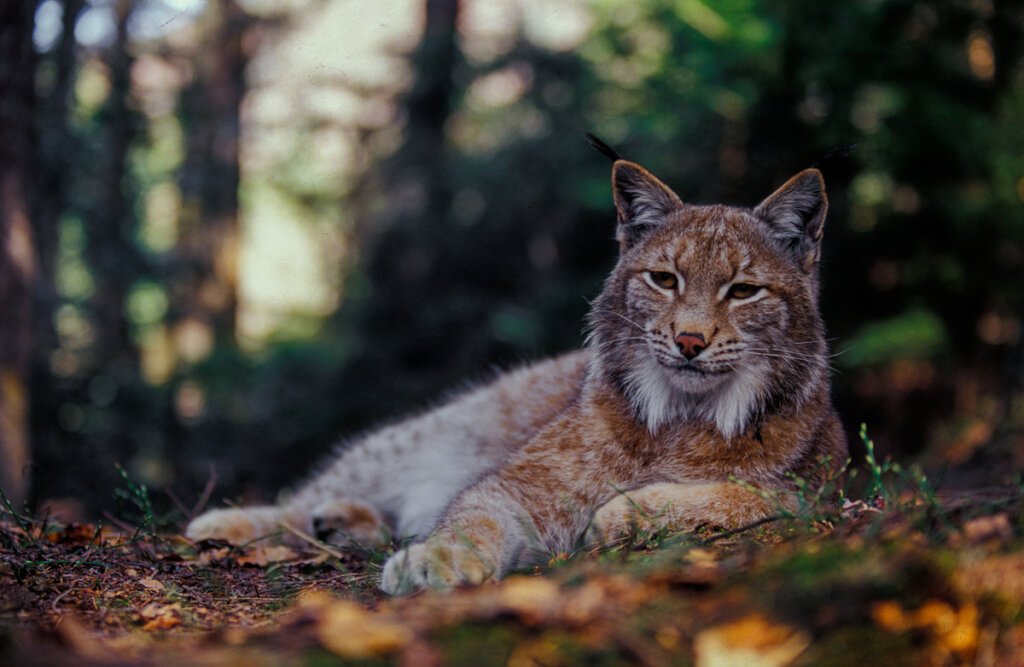
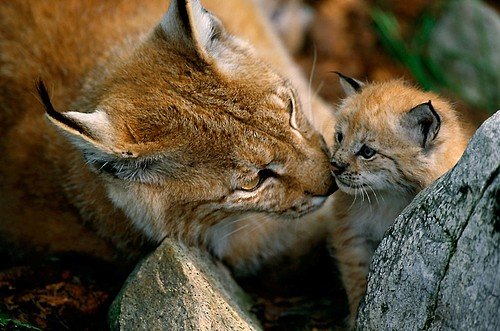
94.1% of participants said that they have never seen a lynx in the wild in Bulgaria. This is not surprising. Officially, the lynx is considered an extinct species in the country, although in recent years there have been many reports of individual lynxes crossing into Bulgarian territory from populations in Serbia, North Macedonia, or Romania. However, the lynx is primarily nocturnal and very secretive, making it difficult to spot.
Threats to large carnivores in Bulgaria
86% of survey respondents believe that the greatest threat to large carnivores in Bulgaria is the loss of their habitats. (This is also the greatest threat to these animals globally, as they require large territories.) 75% identify poaching as the leading problem, while 58% cite illegal logging as such.
It is striking that very few people cite climate change and its consequences as a threat to wildlife. In fact, these have a significant impact on large predators’ ability to survive—specifically in terms of finding food and avoiding encounters with humans.
Ecological connectivity and ‘green’ corridors
66% of survey respondents say they know what a ‘green’ corridor is. This is a relatively high figure, but the topic of ecological connectivity is so important that we must strive to raise awareness of it even further.
Ecological corridors (land-based ‘green’ corridors or water-based ‘blue’ corridors) are an essential element of ecological connectivity.
Fragmentation caused by human activities disrupts wildlife habitats and hinders their adaptation to climate change. Protected areas are a key tool for nature conservation. However, if they are fragmented, they cannot fully fulfill their role.
Science clearly demonstrates that interconnected protected areas and other biodiversity conservation zones are far more effective than isolated sites. Without connectivity, ecosystems cannot function properly.
What is WWF doing to improve ecological connectivity?
Together with its partners, WWF Bulgaria is working on a project aimed at creating climate-resilient ‘green’ corridors for large carnivores. Thanks to these corridors, the animals will be able to move freely through the Balkan, Carpathian, and Dinaric mountain ranges. They will be able to find food, shelter, and mates.
We believe that this extremely important work can help ensure that one day the lynx will return permanently to its home - the majestic forests of Bulgaria.
We extend our heartfelt thanks to everyone who supports our mission!
Links:
Project reports on GlobalGiving are posted directly to globalgiving.org by Project Leaders as they are completed, generally every 3-4 months. To protect the integrity of these documents, GlobalGiving does not alter them; therefore you may find some language or formatting issues.
If you donate to this project or have donated to this project, you can receive an email when this project posts a report. You can also subscribe for reports without donating.



Support this important cause by creating a personalized fundraising page.
Start a Fundraiser