By Annette Scarpitta | Director and U.S. Liaison
We begin this report with a reminder that this project is implemented by the Congo Federation of Smallholder Farmers Organizations of South Kivu (FOPAC-SK, or FOPAC). Thanks to your generous donations received in April, we are pleased to report that the “Pama Kaci” women are now excited to begin a pilot program of launching individual micro-enterprises that will assist them in providing food and other necessities for their families. After the program launches with training and seed funding, updates will be shared in our subsequent reports.
How did the vulnerable women of Rwenena—living in chronic poverty—become a driving force in their community? For ten years, an American woman remotely directed small-scale programming through a series of 5 Congolese organizations. She introduced a literacy and human rights training program bringing together mothers from 3 ethnic groups who didn’t even share a common language. Over time, they learned to understand one another as a sisterhood emerged. A subsequent program for the women provided training & practice in shared permagardening—growing food throughout the year in small gardens—and livestock production activities, during which a 5-person management team was elected. Group members formed a cooperative and named themselves Pama Kaci, a Shi term meaning “Let’s Cultivate Love”. The term has since become the name of their current enterprise.
This year, thanks also to your donations, we look forward to a peace summit in late June. To understand why this event is so critical to the success of Pama Kaci, we look back to the previous peace summit, held in November 2019. FOPAC conducted interviews and explored initial pathways to community-led development. Outsiders have long considered Rwenena too much of a security risk to include in organizational programming. Tantamount to this perception was a longstanding rivalry between 2 chiefs of different ethnicities. Besides residents, the summit included representatives of major sectors, including the police, the army, health services, & education. Their inclusion was key to a newfound understanding with the community. As significant was the inclusion of women in the male-dominated society. As FOPAC senior officer Jean-Marie noted, “We focus on the woman in our programming because she is at the center of the household and of community activity in general.”
A key outcome at the 2019 summit was the election of 2 gender-balanced committees—one for general, community-led development and the other for women’s issues. Both groups remain active today. Among those elected were some of the women of Pama Kaci, further securing their places as leaders across ethnic divides. Two months after the summit, the first elected committee had facilitated high-level peace and reconciliation between the rival chiefs, while the second lobbied successfully for the service of a licensed midwife to reduce or eliminate maternal and neonatal fatalities. Through earlier programming experiences, the Pama Kaci women have subtly demonstrated to men how peace can lead to community and economic growth.
It must be pointed out, however, that some of the sector representatives at the 2019 summit—namely, the police and the military—have been replaced by new ones who do not yet understand the complexities of the community and its ultimate desire for peace. Male jealousy & disdain have emerged toward Pama Kaci. Therefore, at the June 2021 summit, we will invite a broader array of current stakeholders—including representatives from organizations that may reconsider the value of Rwenena in regional growth. And just as in 2019, this year will feature a new segment on the value of women & Pama Kaci in the long-term economic prosperity of Rwenena.
We depend on your continued donations to implement more components of our programming and to ultimately set Pama Kaci on a path to profitability. Included will be providing additional micro-enterprises for more women, training, and development for the sales and marketing team, and offsetting of production costs.
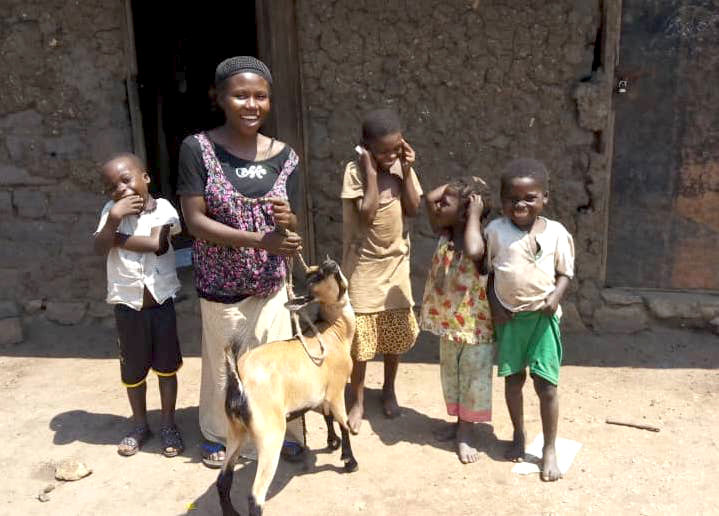
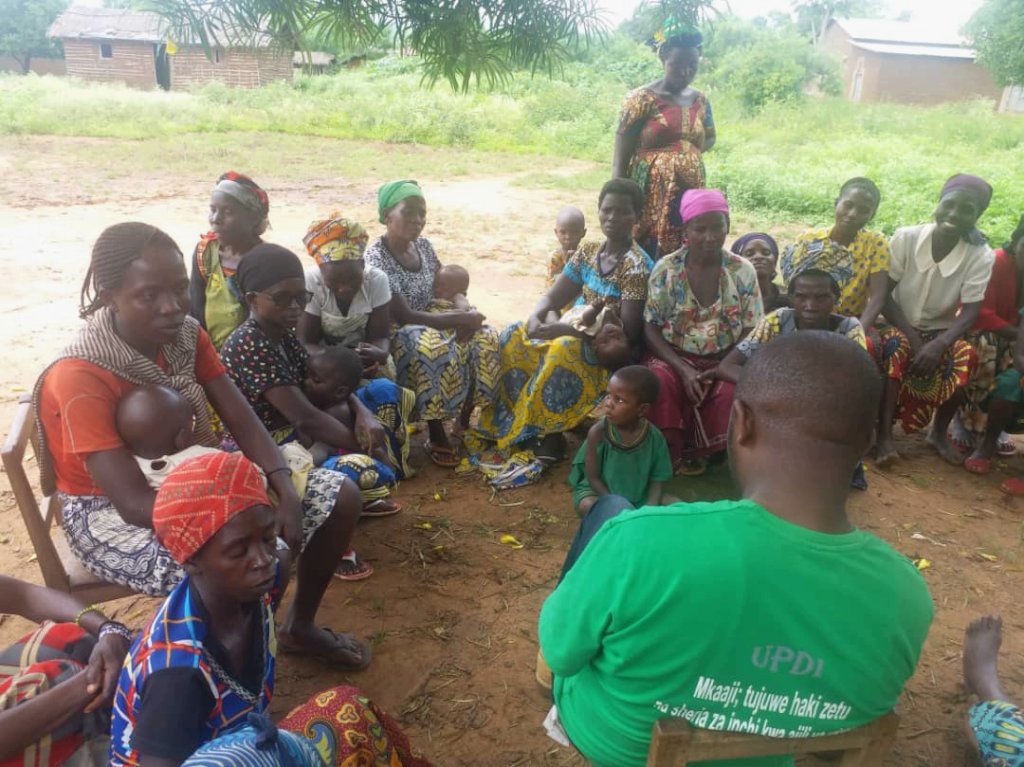
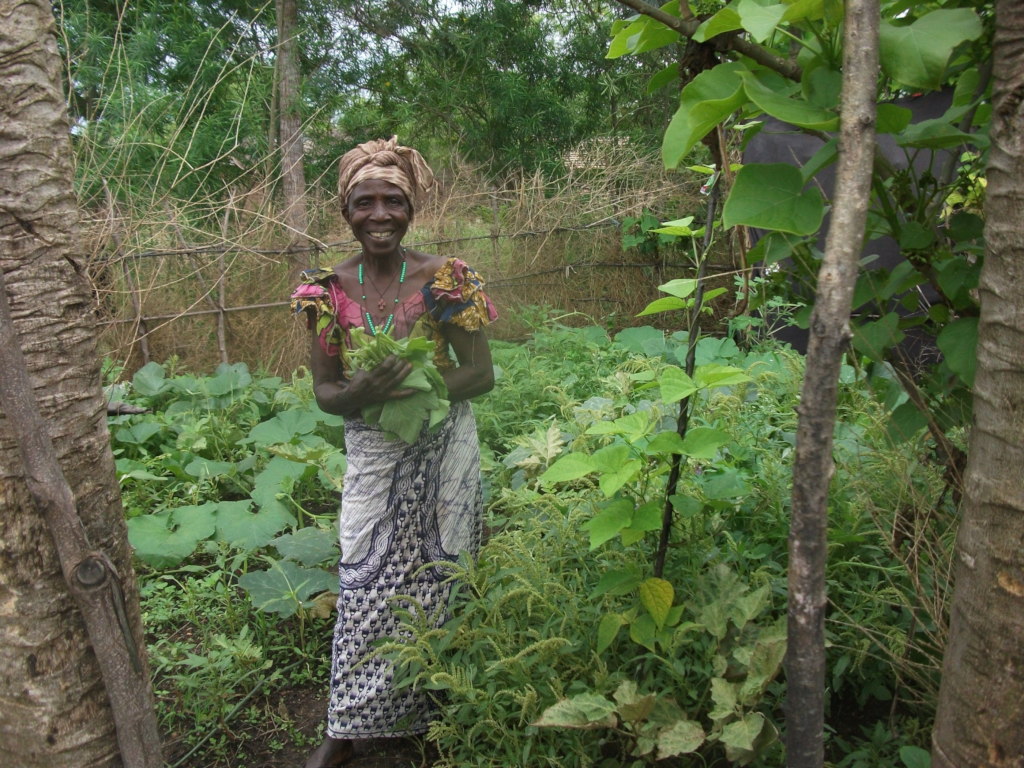
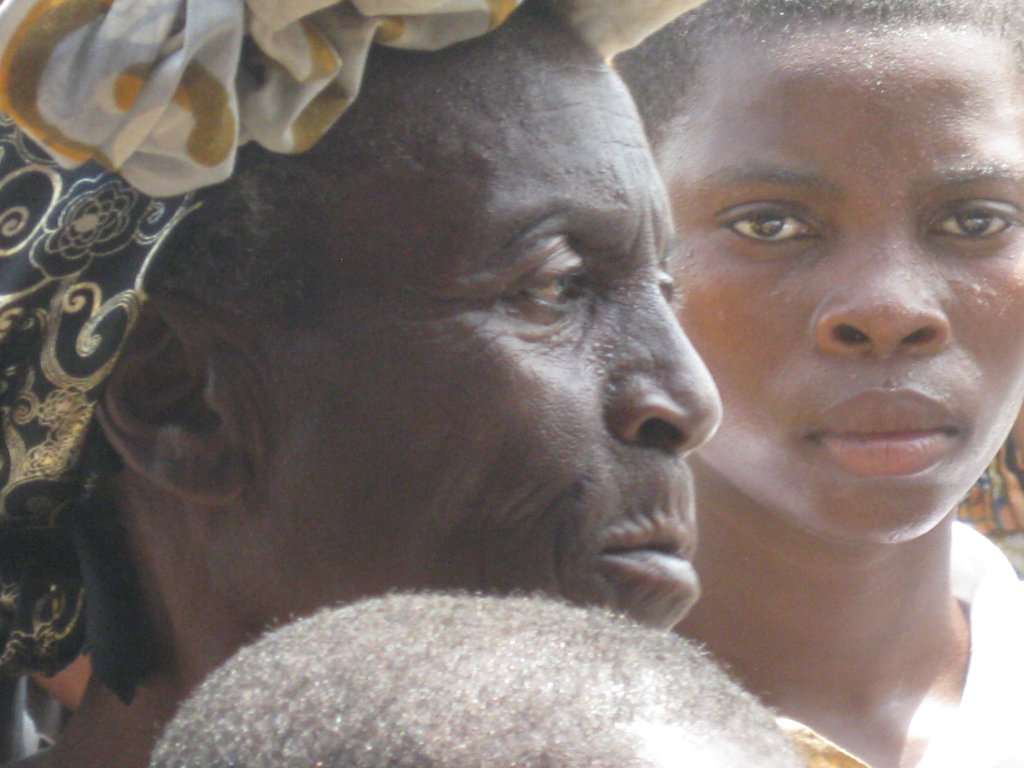
Attached to this report are a few pictures with captions of the Pama Kaci women from the field.
Sincerely,
Annette.
Director and U.S. Liaison,
The Rwenena Project
FOPAC.
Project reports on GlobalGiving are posted directly to globalgiving.org by Project Leaders as they are completed, generally every 3-4 months. To protect the integrity of these documents, GlobalGiving does not alter them; therefore you may find some language or formatting issues.
If you donate to this project or have donated to this project, you can receive an email when this project posts a report. You can also subscribe for reports without donating.