By Chris Coats | Executive Director
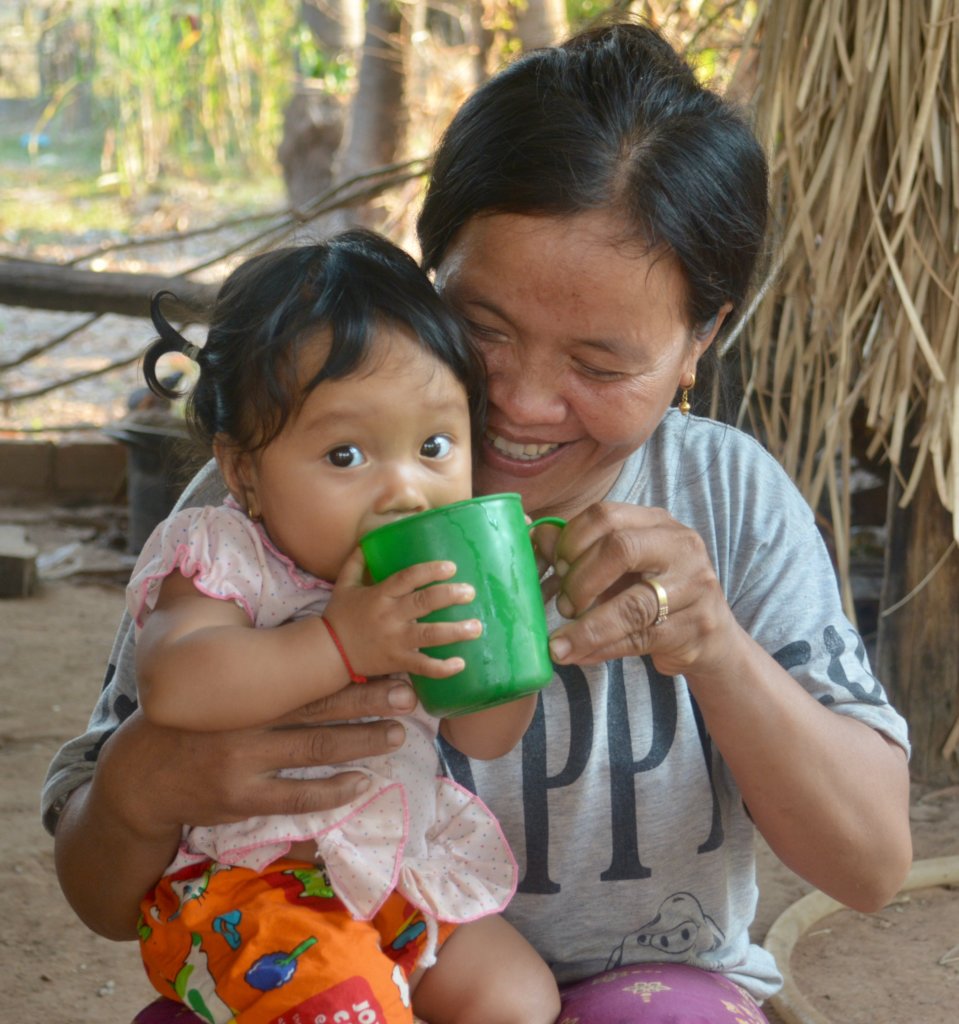
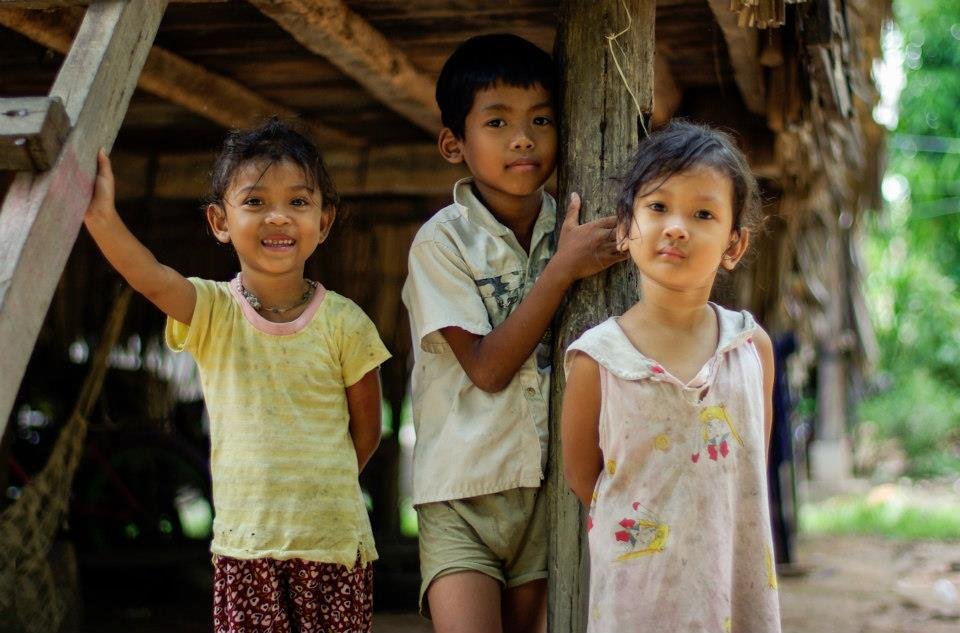
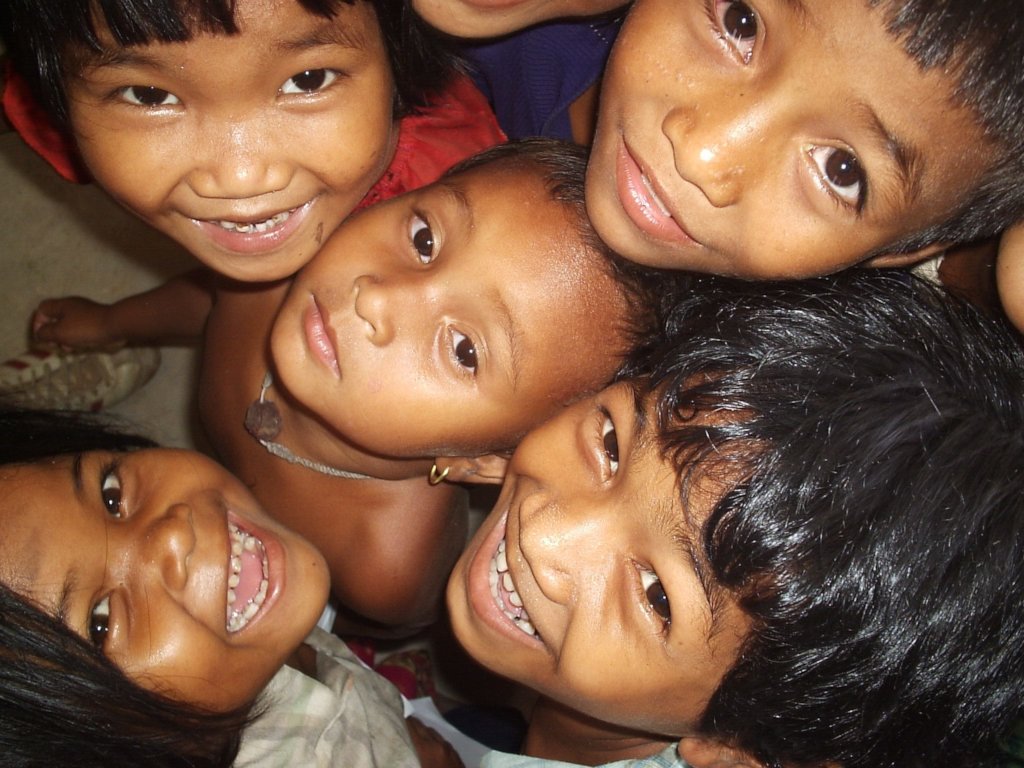
Globally, unsafe water, poor hygiene, and inadequate sanitation account for 88% of diarrheal disease cases. These conditions lead to gastrointestinal illnesses, dehydration, and malnutrition—threats that are particularly acute for children in developing nations. Due to their developing immune systems, these children suffer an average of three or more diarrheal episodes annually.
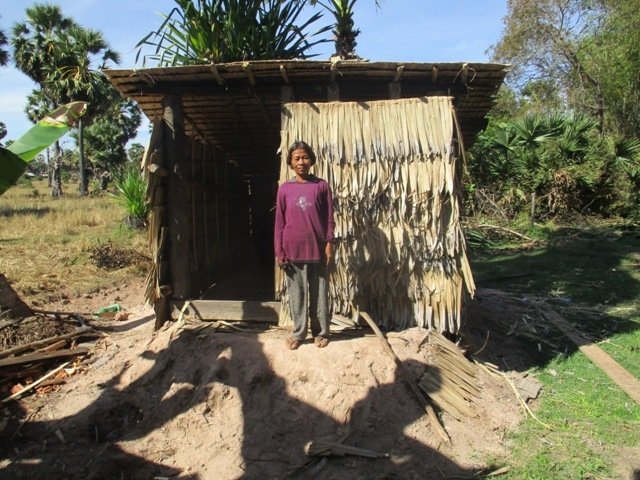
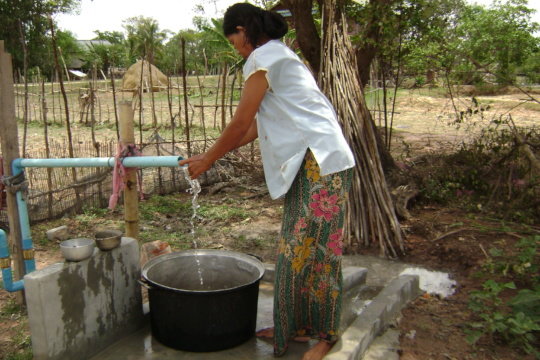
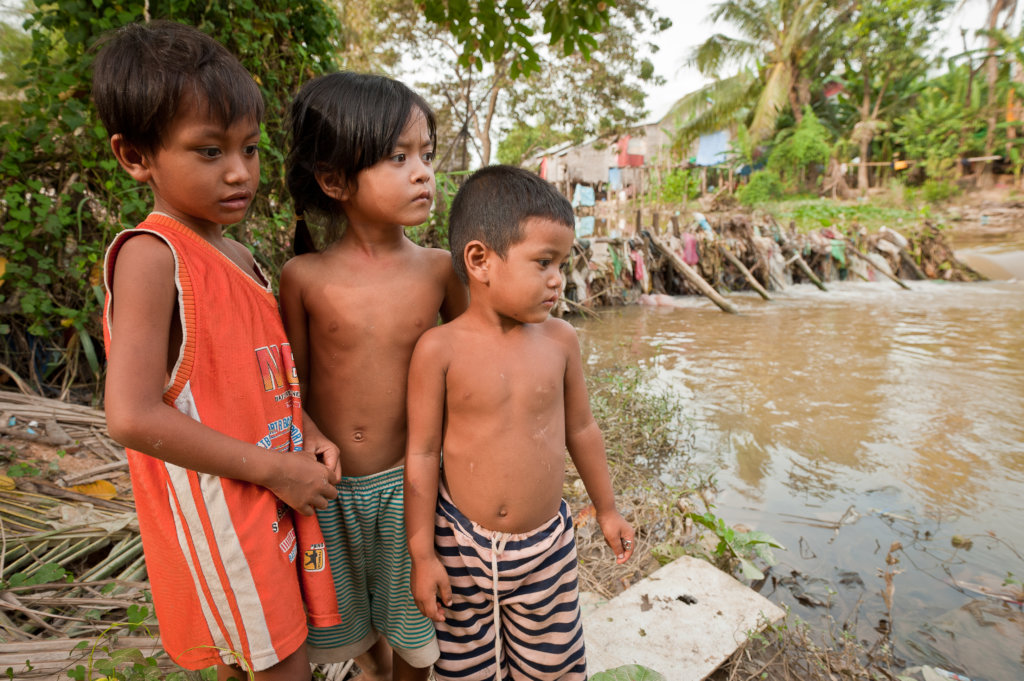
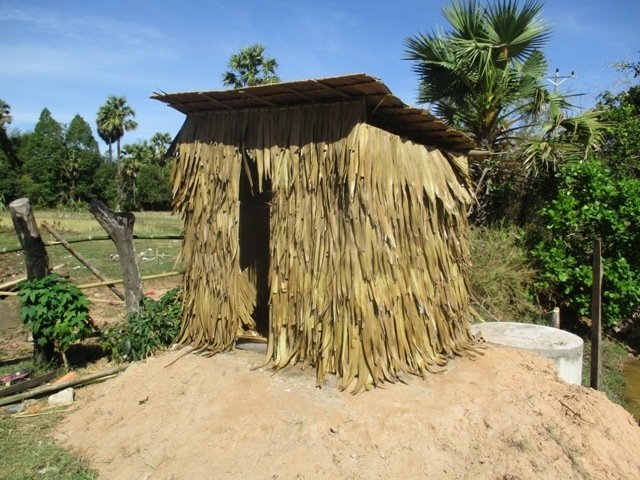
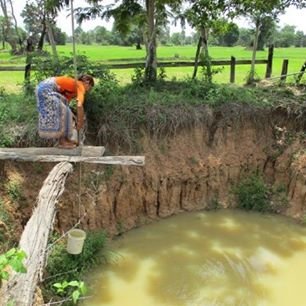
In Cambodia, despite a relative abundance of water sources, a lack of infrastructure creates significant barriers to safe consumption. This is especially true for rural populations. This vulnerability is compounded by a lack of sanitation; nearly 80% of the rural population lacks toilet facilities, leading to open defecation that contaminates the very surface waters used for drinking.
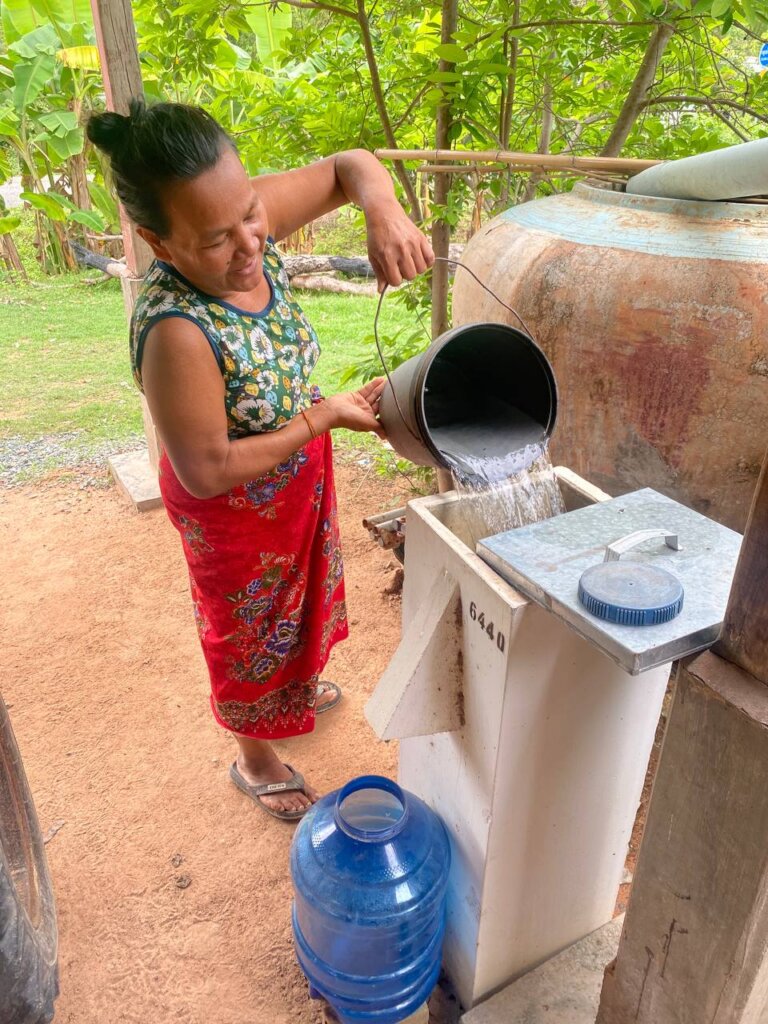
The BSF is not just a “strainer", it is a living ecosystem. The efficiency of the filter depends on the biolayer at the top. The BSF uses a biological process:
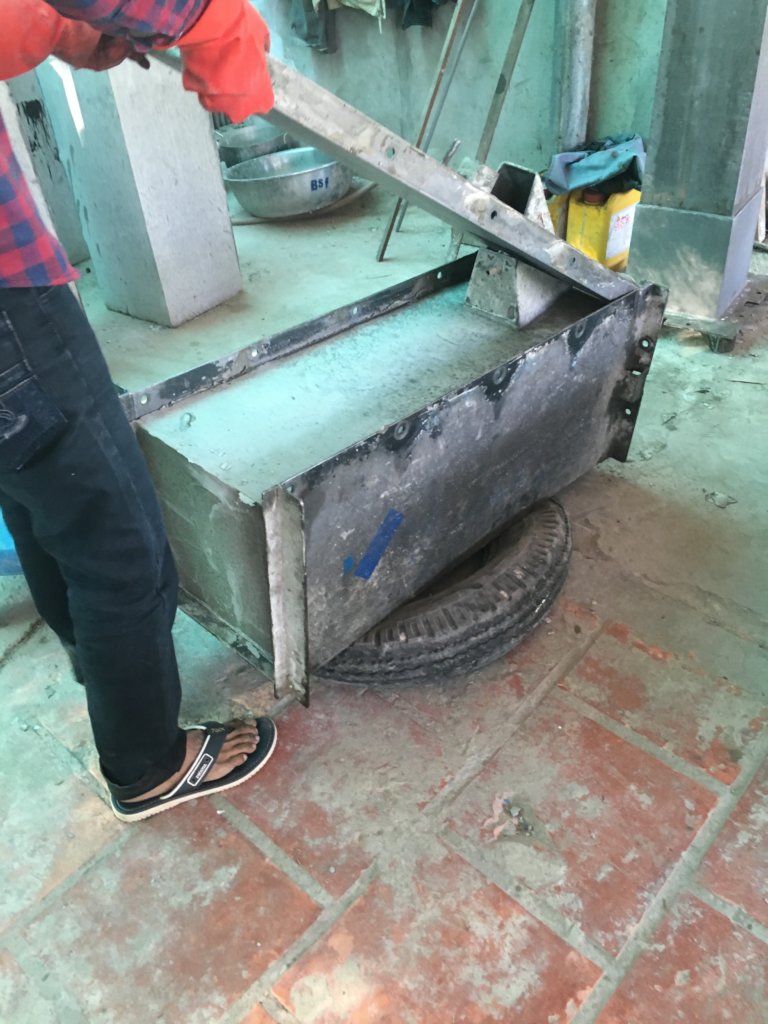
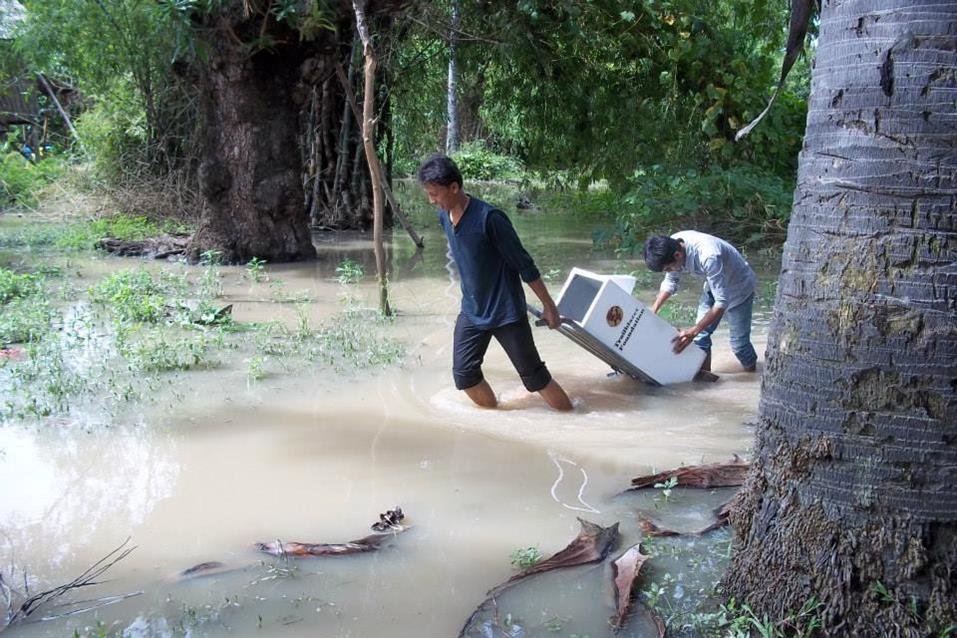
Research confirms that the BSF is a "robust" point-of-use technology. Because it is made of heavy, locally produced materials, it doesn't require imported replacement parts and cannot be easily broken. BSFs are extremely durable. Trailblazer has had BSFs in the field since 2006, and they are still working!
The most striking finding in research that has been done is that many water projects fail because the technology breaks or is abandoned within a year. Unlike ceramic filters, which can crack, the BSF has a high retention rate, it is a "permanent" fixture with no moving or breakable parts, making it more suitable for long-term use in developing regions.
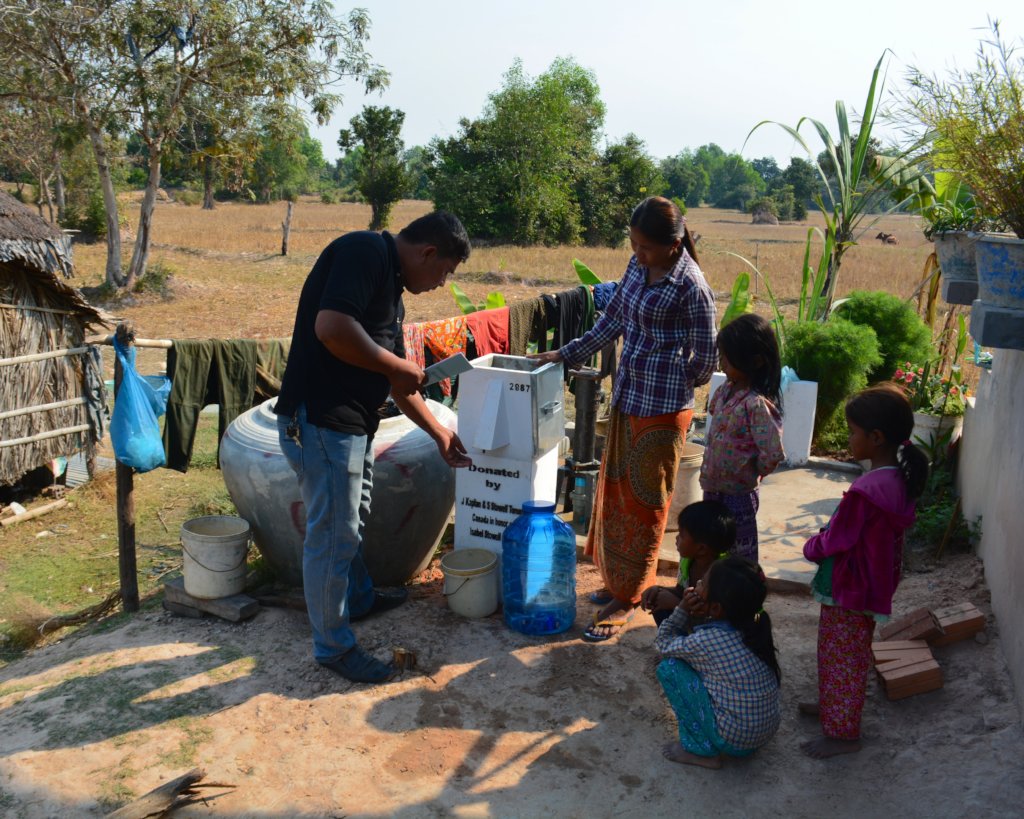
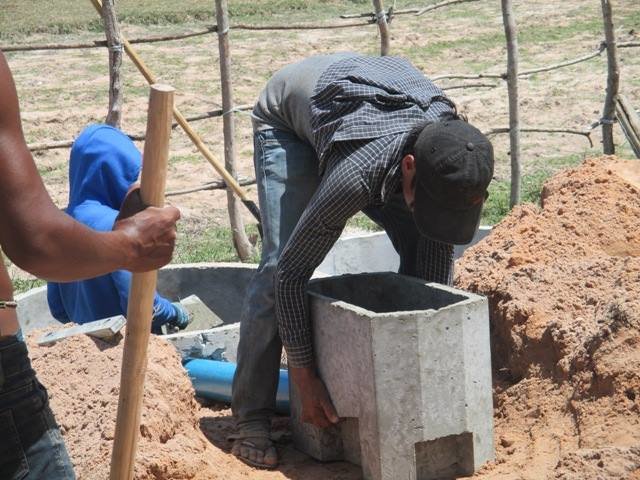
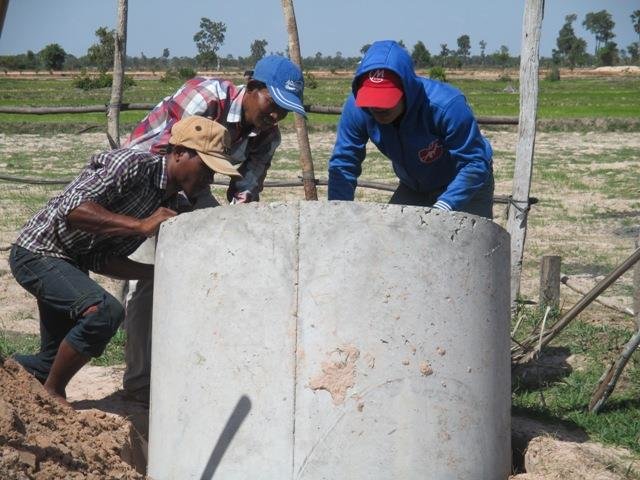
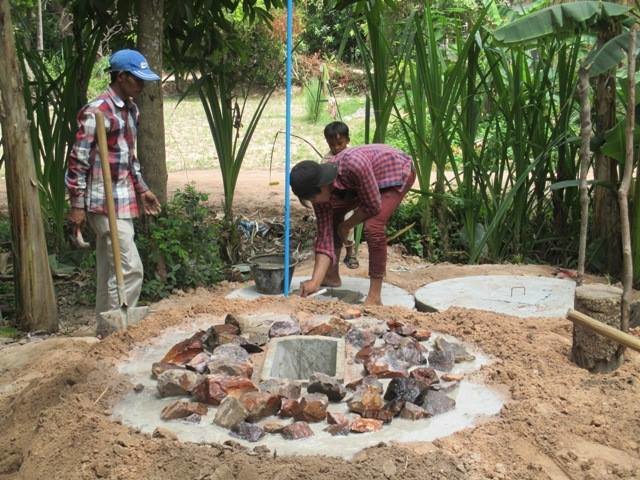
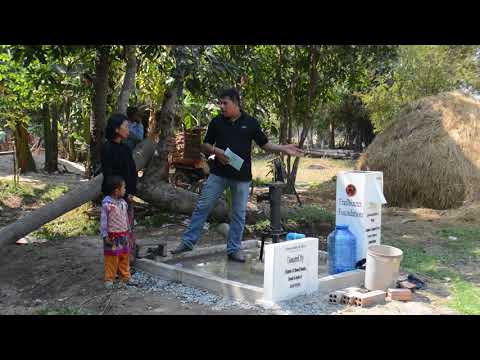
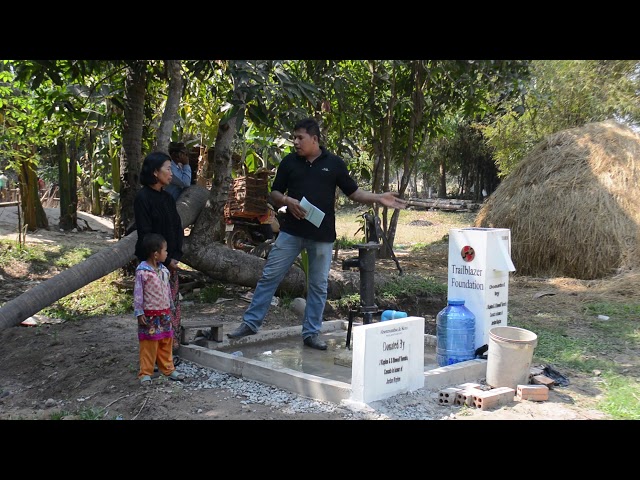
Trailblazer understands that success depends on a participatory and integrated approach involving health, hygiene, and sanitation education and promotion, training in BSF operation and maintenance. Therefore, Trailblazer staff conduct training with the recipients on these critical issues with each installation of a BSF. Recipients also must put some "skin in the game" to receive a BSF, by making a small contribution into their Village Fund [microloan system], and taking ownership of their own health and that of their family.
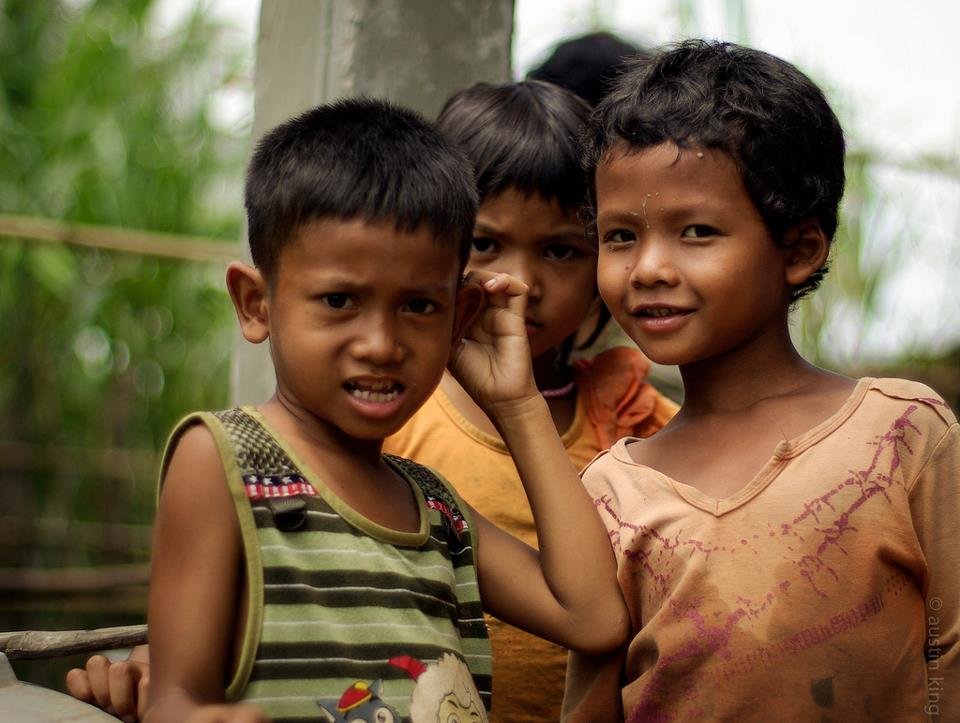
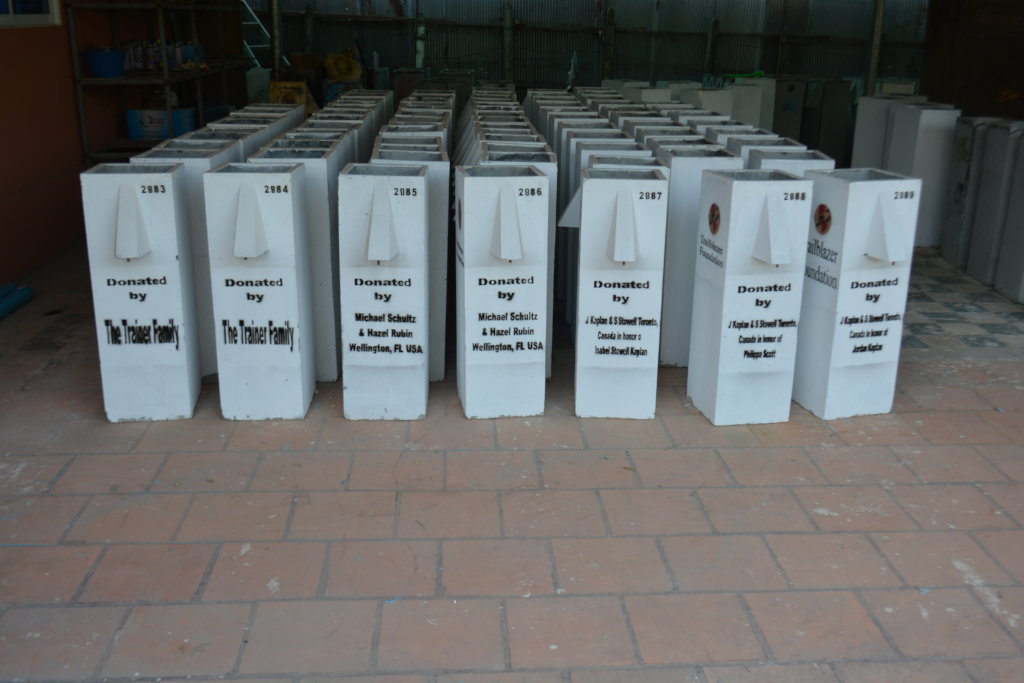
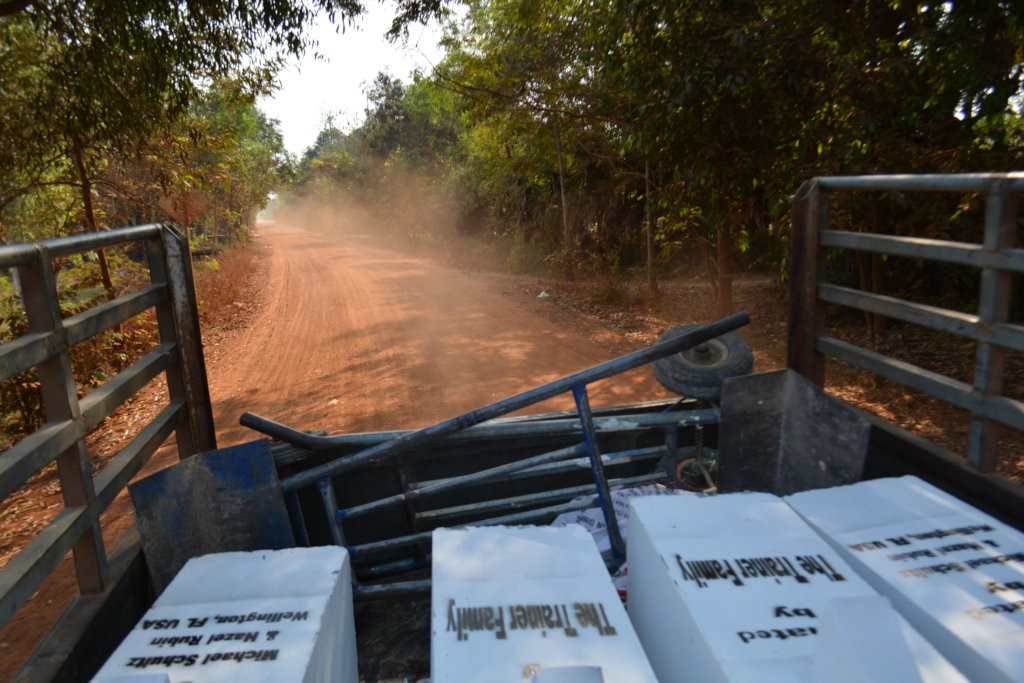
Every year Trailblazer installs over 300 BSFs, giving at least 1,500 and upwards of 4,500 rural people improved health and hope for a better future. At the end of 2025, Trailblazer estimates that we provided between 37,740 to 113,220 people with clean drinking water since 2006, based on an average family size of 5, how families are clustered, and the BSF's capacity to service 15 persons.
A BSF costs $100 USD each. That is an investment of less than $.30 USD per day for one year to provide one to three families with long term life saving impacts. You can help our cause with your contribution today. Thank you.
Project reports on GlobalGiving are posted directly to globalgiving.org by Project Leaders as they are completed, generally every 3-4 months. To protect the integrity of these documents, GlobalGiving does not alter them; therefore you may find some language or formatting issues.
If you donate to this project or have donated to this project, you can receive an email when this project posts a report. You can also subscribe for reports without donating.



Support this important cause by creating a personalized fundraising page.
Start a Fundraiser