By Richmond Kalai and Vida Nti | 2019-2020 GEP Cohort
This report was originally written by Richmond Kalai and Vida Nti, members of the 2019-2020 Graduate Entrepreneurship Program (GEP) cohort. It was edited by Jessica Crawford, Program Specialist for Africa, and Megan Sehr, Development Director.
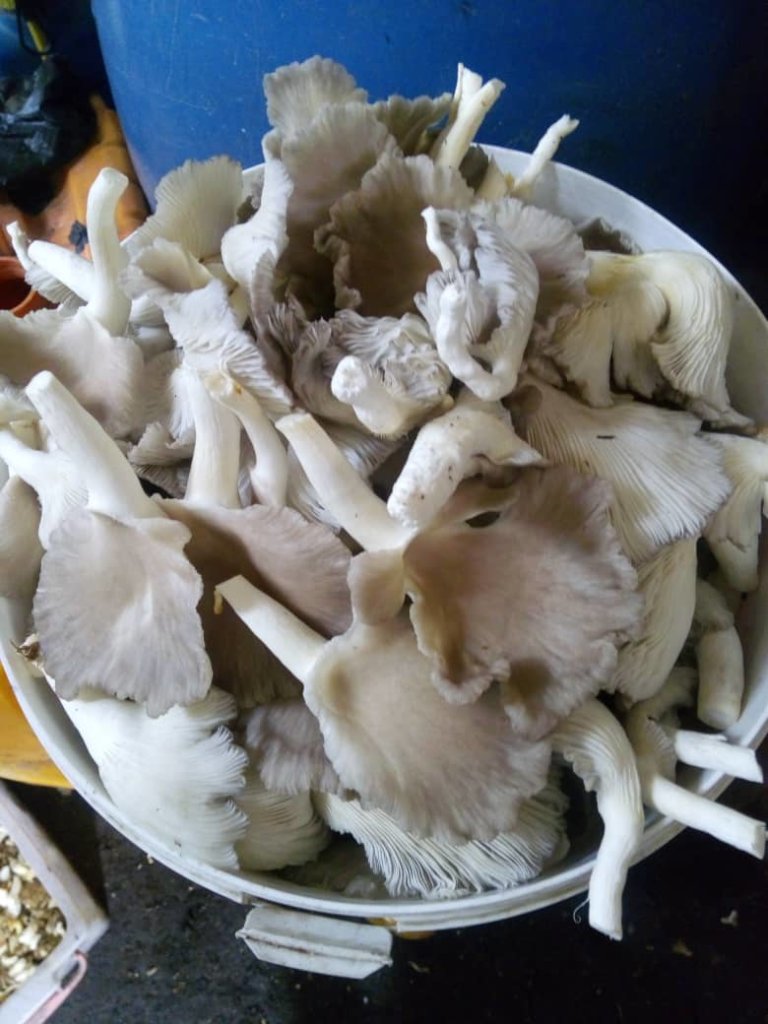
In oyster mushroom cultivation, mushrooms are usually grown on a mixture of sawdust, wheat bran, and soybean residue. This process goes through composting, bagging, sterilization, spawning, incubation, and finally harvesting.
Oyster mushroom fresh fruiting bodies show a high moisture content (90 %), where both dry and fresh oyster mushrooms are rich in carbohydrates (57.6 %), protein (29.2 %), fat (2.1 %), fiber (8.2 %) and ash (9.8 %). Therefore, the oyster mushroom is a consumable mushroom. It contains sufficient amounts of phosphorus, iron, protein, lipid, riboflavin, and thiamine, and it’s known as, “the meat of the veggie lover” (Khan et al. 1981). Mushroom proteins are considered to be between vegetable and animal proteins. The essential amino acids of the human body are found in the oyster mushroom (Kaushlesh et al. 2012).
Creating a market for mushrooms around Nkawie, a bustling market center just outside of Kumasi, was a huge challenge. People in the area are more used to eating wild mushrooms, which can be found in the forest and sprouting from decaying palm trees.
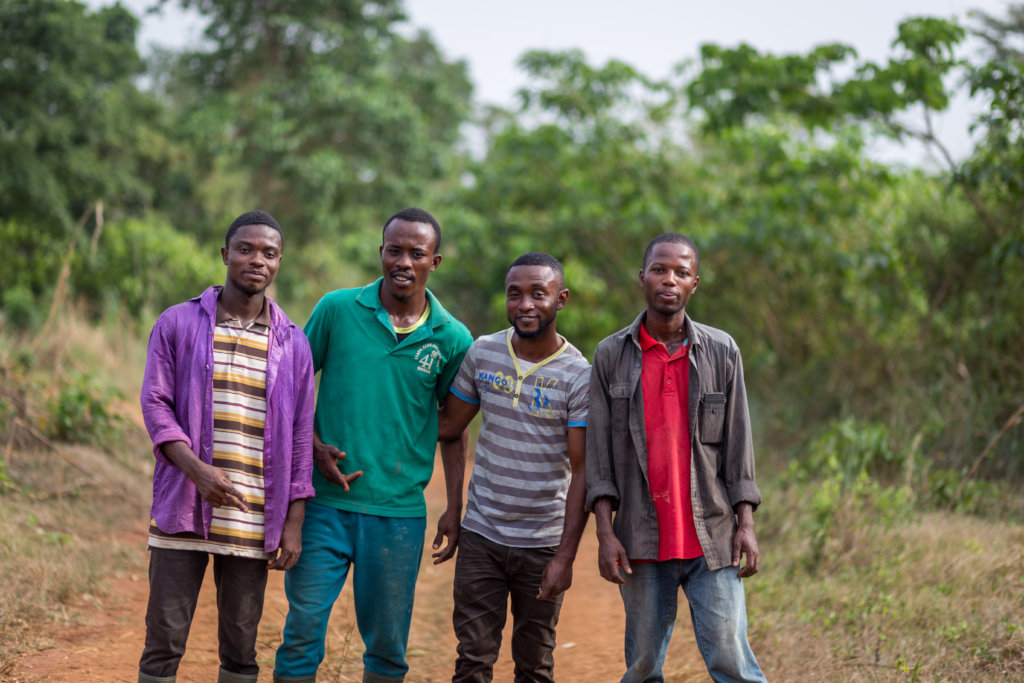
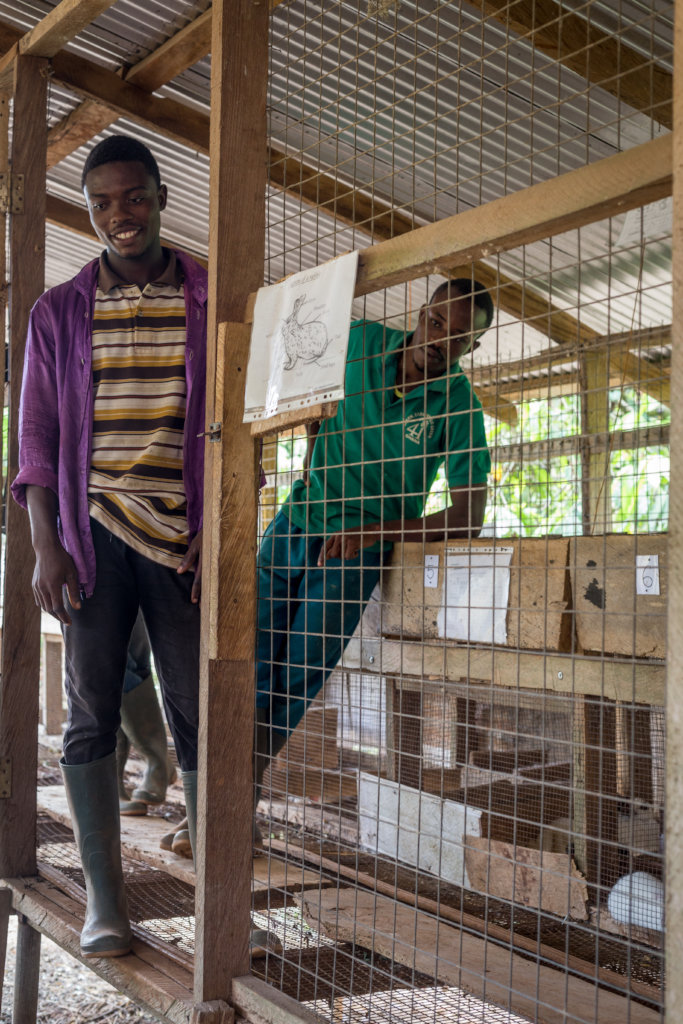
Team VCJR is one of the groups of recent graduates testing out their proposed agribusiness model in Self-Help International’s Graduate Entrepreneurship Program. Their business venture is centered around mushroom production, so they have been cultivating mushrooms at Self-Help’s Agricultural Training Center for nearly a year. Producing the mushrooms was not a problem, but they were eager to tackle the challenge of creating a new market for their product.
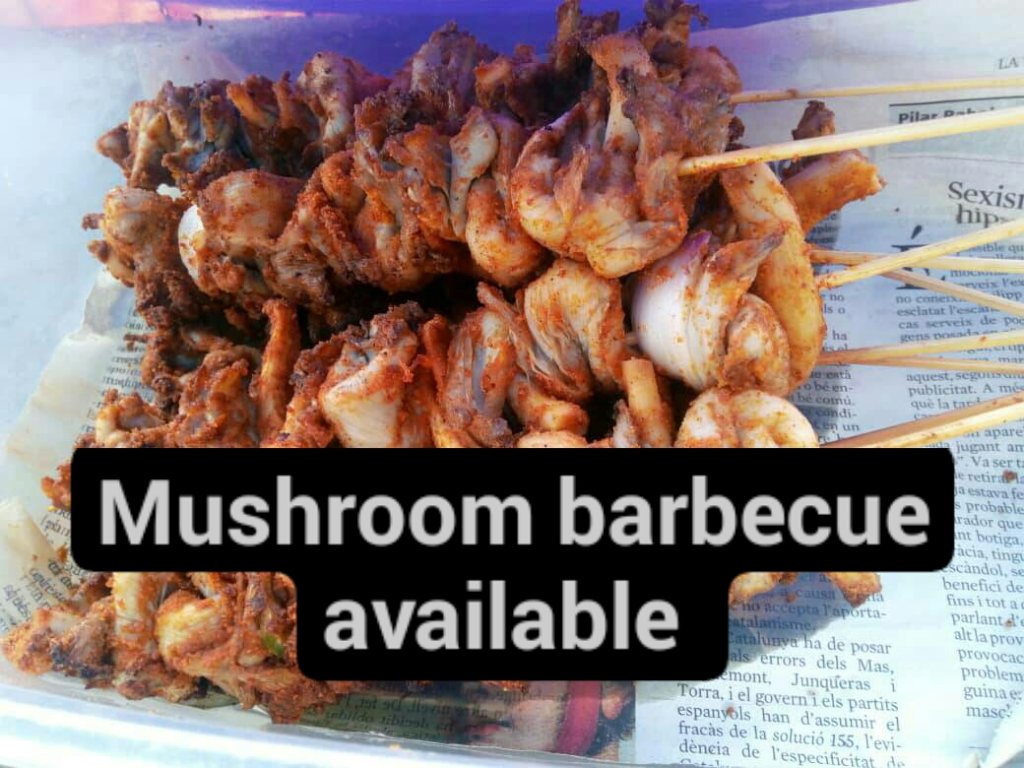
The team eventually came up with the following plan:
The team put these strategies into place, and eventually people in the community developed a taste for the mushrooms. The demand for the mushrooms grew bigger than the amount that the team was able to produce; so in the second cycle of production, Team VCJR increased the tonnage of the compost to meet the demand of their customers. New customers continued to drive up the demand for the mushroom.
There have been so many positive comments and reviews about the mushrooms related to both the taste and their nutritional value.
One of Team VCJR’s best customers, Joyce, who is a police officer at the Nkawie Divisional Police Station said, “I have never seen or tasted this kind of mushroom before, but seeing that you all are graduates from [a local] agricultural college and completing your National Service* with Self-Help International, you can’t give me poison to eat. Ever since I bought some the first day you came to my house, I have never regretted buying them. I can’t prepare any food without having some mushrooms in it.”
With reviews like this and an effective production model in place, the demand and yield keeps going up and up and up.
*National Service is a government sponsored year of service, required for all Ghanaians
By Eva Azuure | Graduate Entrepreneurship Program Participant
By Ebenezer Osei Jones | Graduate Entrepreneurship Program Manager
Project reports on GlobalGiving are posted directly to globalgiving.org by Project Leaders as they are completed, generally every 3-4 months. To protect the integrity of these documents, GlobalGiving does not alter them; therefore you may find some language or formatting issues.
If you donate to this project or have donated to this project, you can receive an email when this project posts a report. You can also subscribe for reports without donating.