By Susannah McCandless, with project leaders | Project Administrator
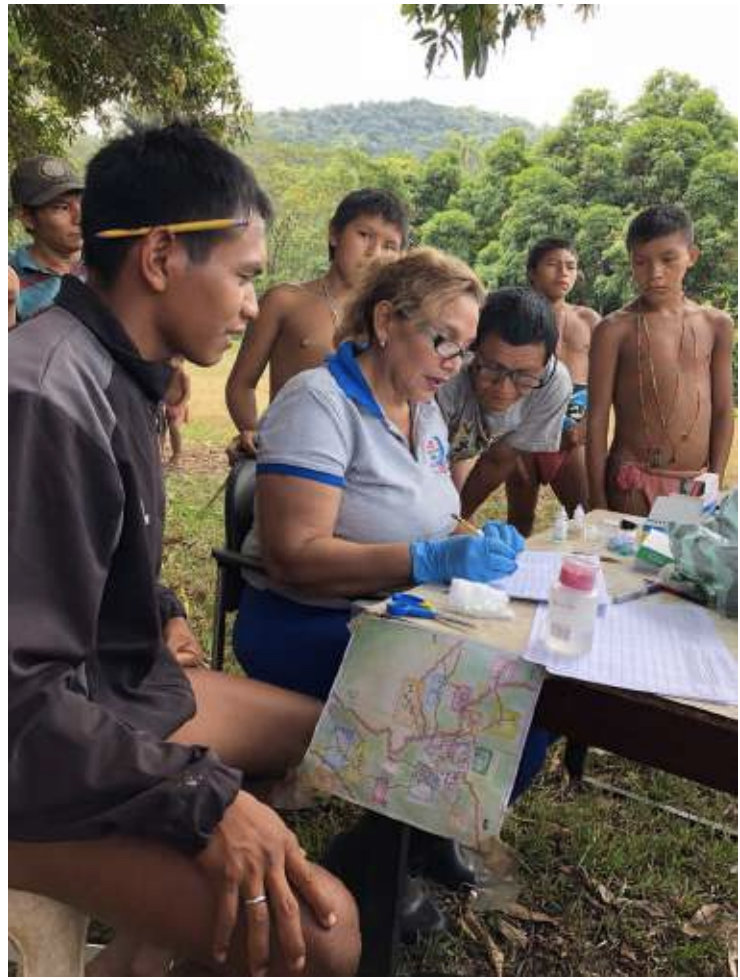
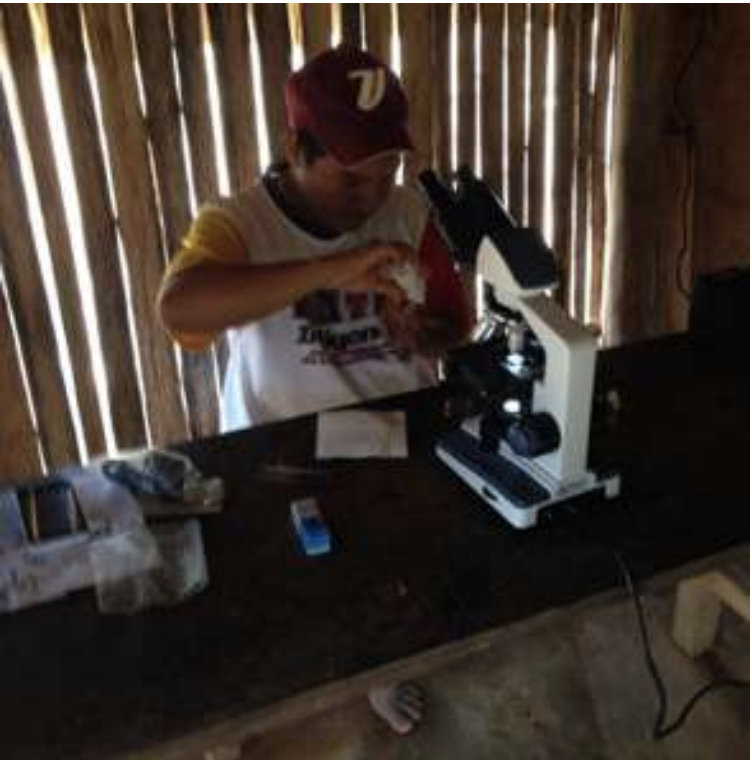
The HAWAPO project has effectively reduced, and in some places eliminated, the incidence and impact of malaria in the area it serves. Given this success, by the end of 2023, some leaders in the Jotï, or Jo, communities at Iguana and Kayama reached out and asked for our assistance in other matters of community concern, such as support for community-based educational programs and obtaining identity documents. The present report focuses on our activities with respect to educational support.
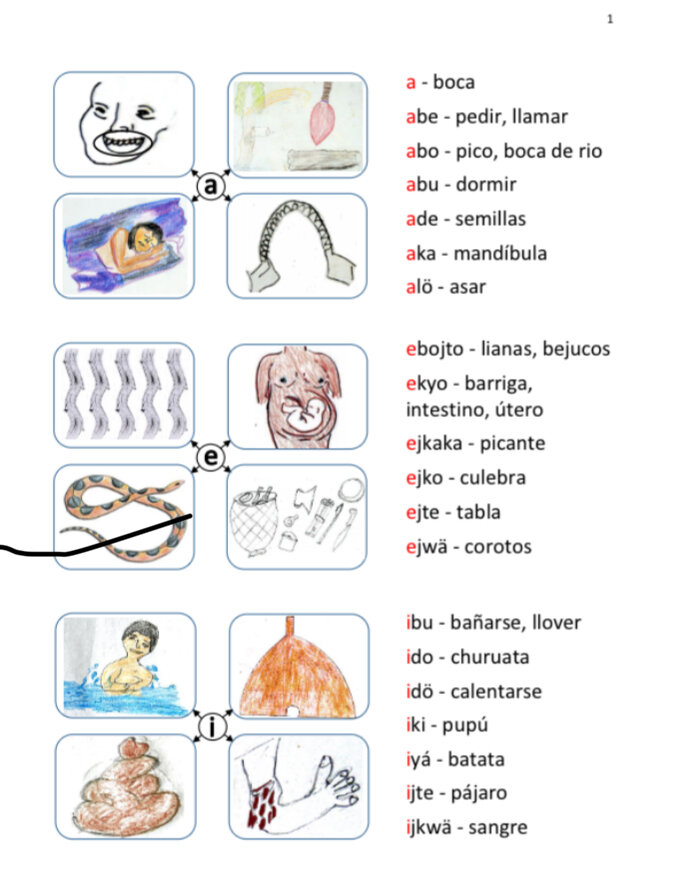
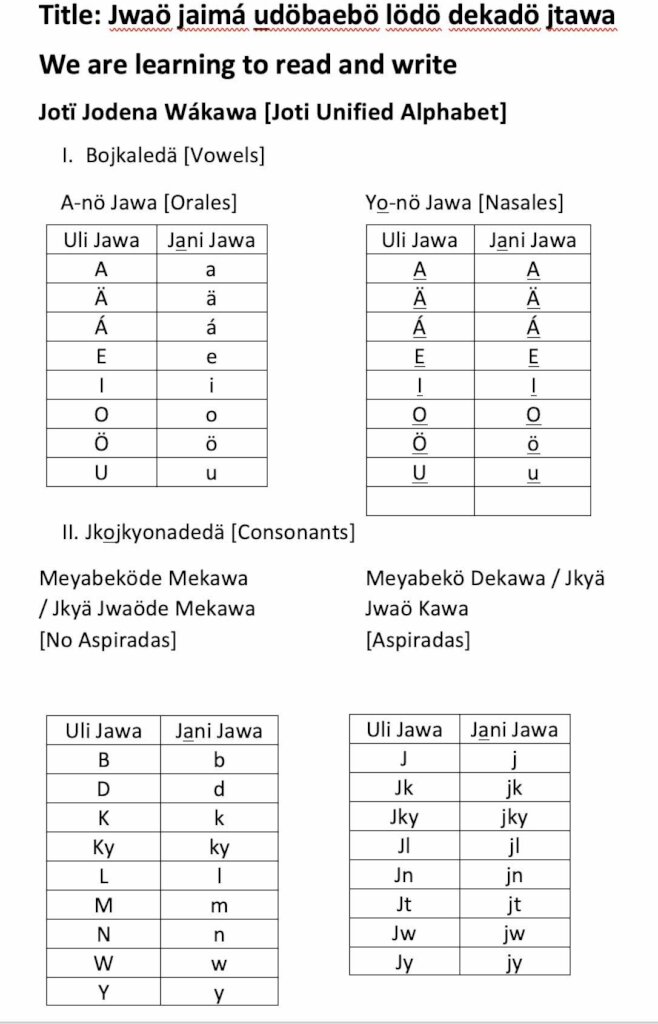
At the beginning of 2024, an extended meeting lasting about two weeks was held at Kayama. Some 50 persons participated, coming from different Jo communities where schools are found, meeting with one another and the project leaders to discuss a proposed educational project. The meeting covered needs for school building improvements and infrastructure, minimum supplies and material needs, teacher development, curriculum design, and elaboration of textbooks and other school learning materials in the Jo language. Additionally, participants thoroughly dicussed the matters of alphabet unification (since two distinct alphabets were being used in different communities) and rules for writing (such as punctuation and when to combine or separate words). All meeting attendees participated actively in a letter-by-letter consensus process to develop a new unified alphabet (see image below). In view of the conversations and decisions that took place at those meetings, we determined that one of the first tasks set for the project would be to develop a Jo-Spanish primer (cartilla).
Subsequently, we held workshops to develop the primer at Iguana and Kayama in March and October of 2024 respectively. These also involved ample participation of local people from different surrounding communities. The primer will potentially serve the entire Jotï population, composed of approximately 2,000 people distributed among 25-30 dispersed communities, especially those whose children are currently attending one of the community schools. We held additional meetings in the communities of Jkawale and Pendarito in September 2024 to spread the word about the educational project, get feedback, gauge community interest, and review and correct some of the primer data and materials already collected.
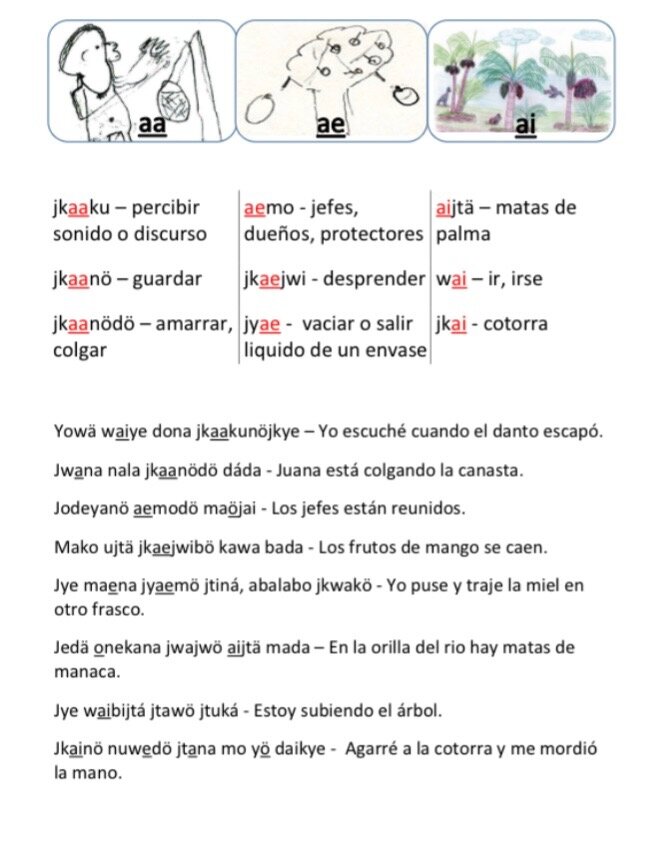
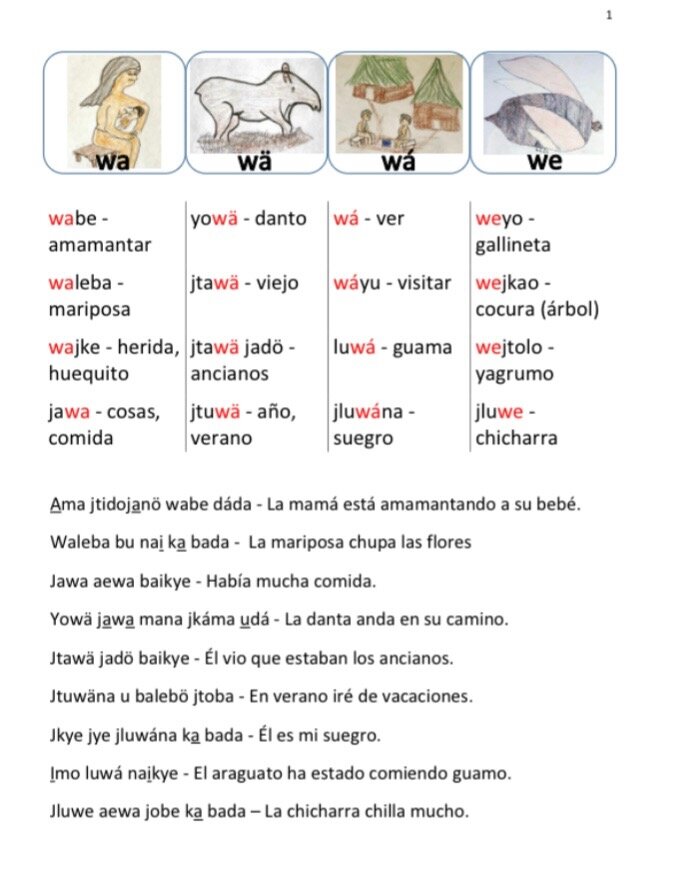
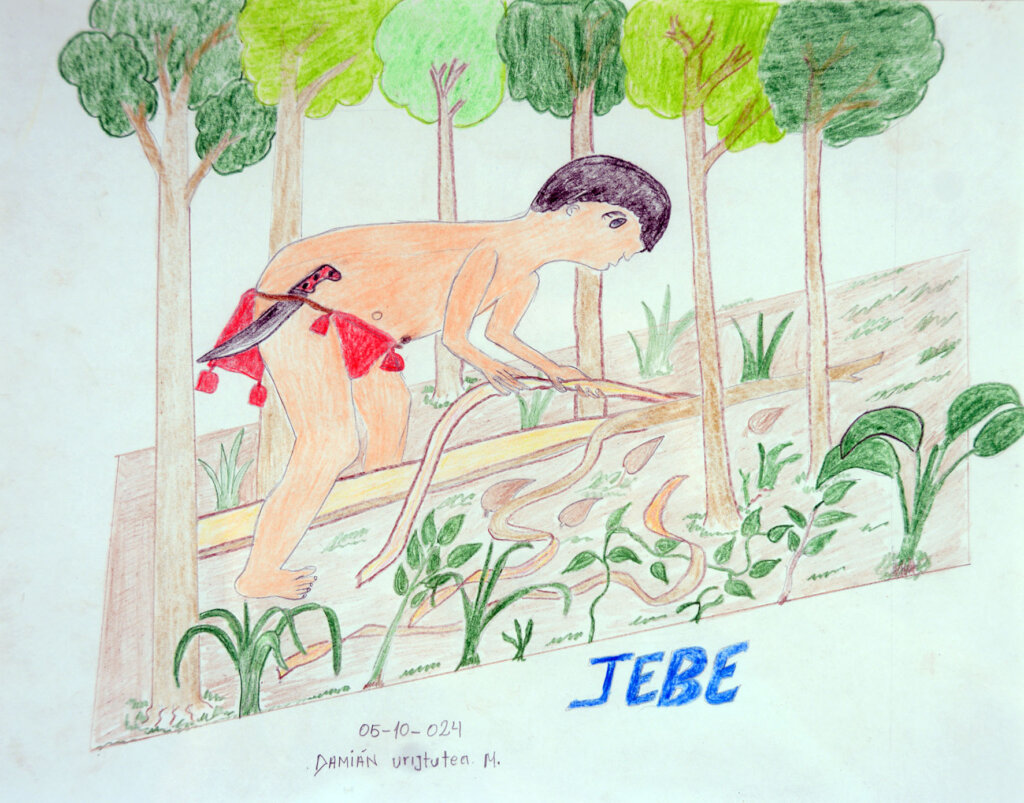
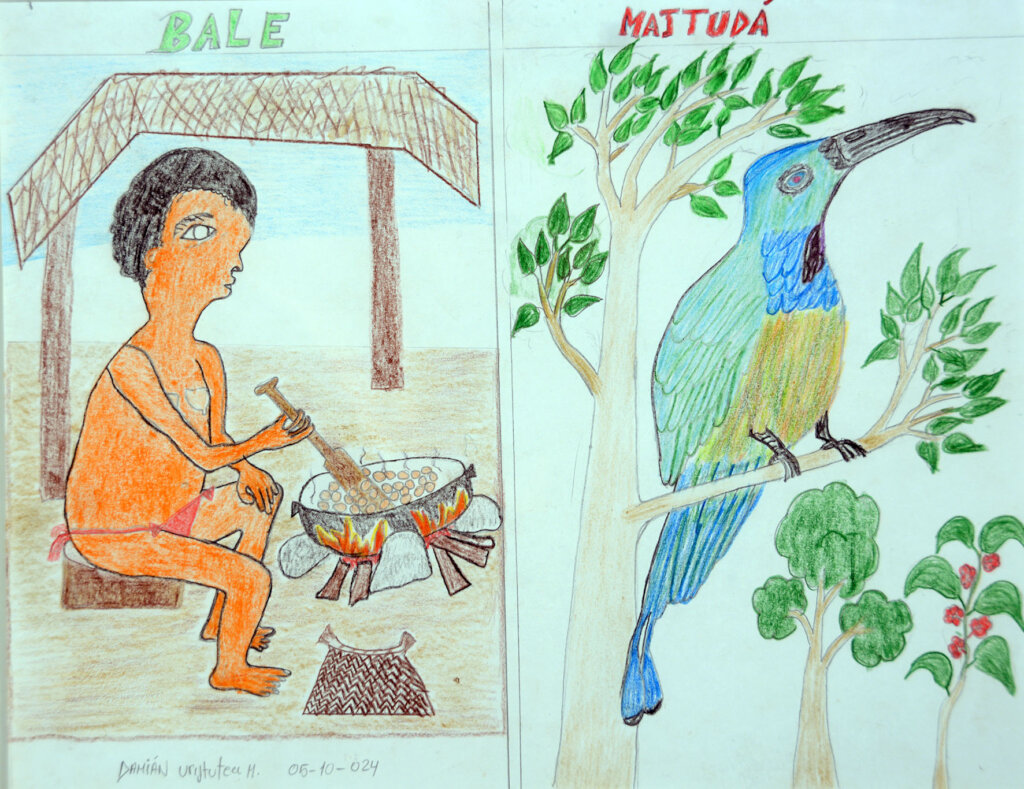
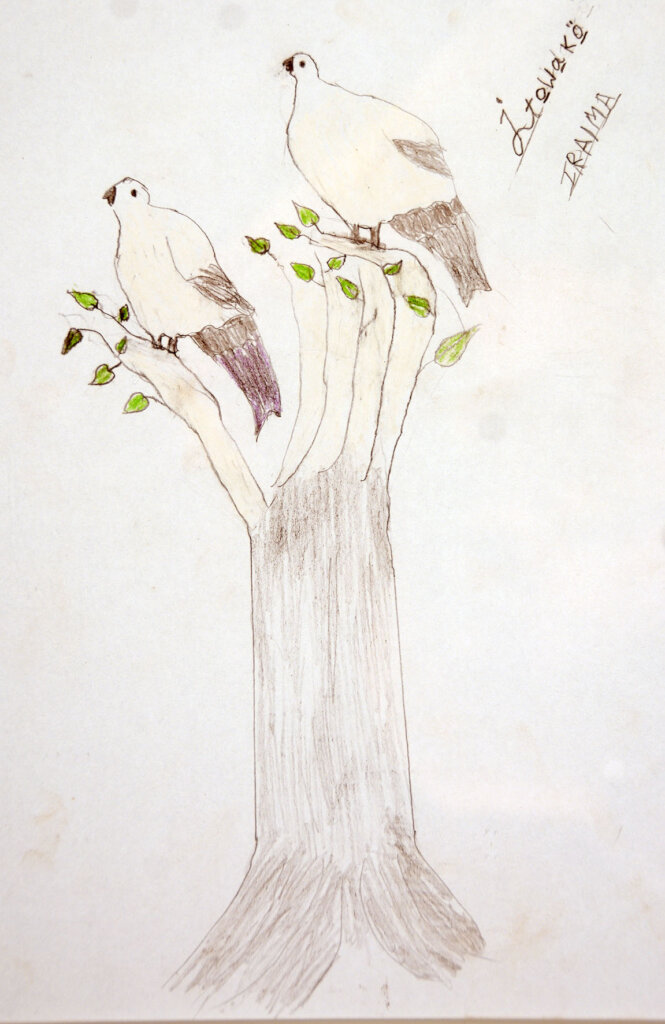
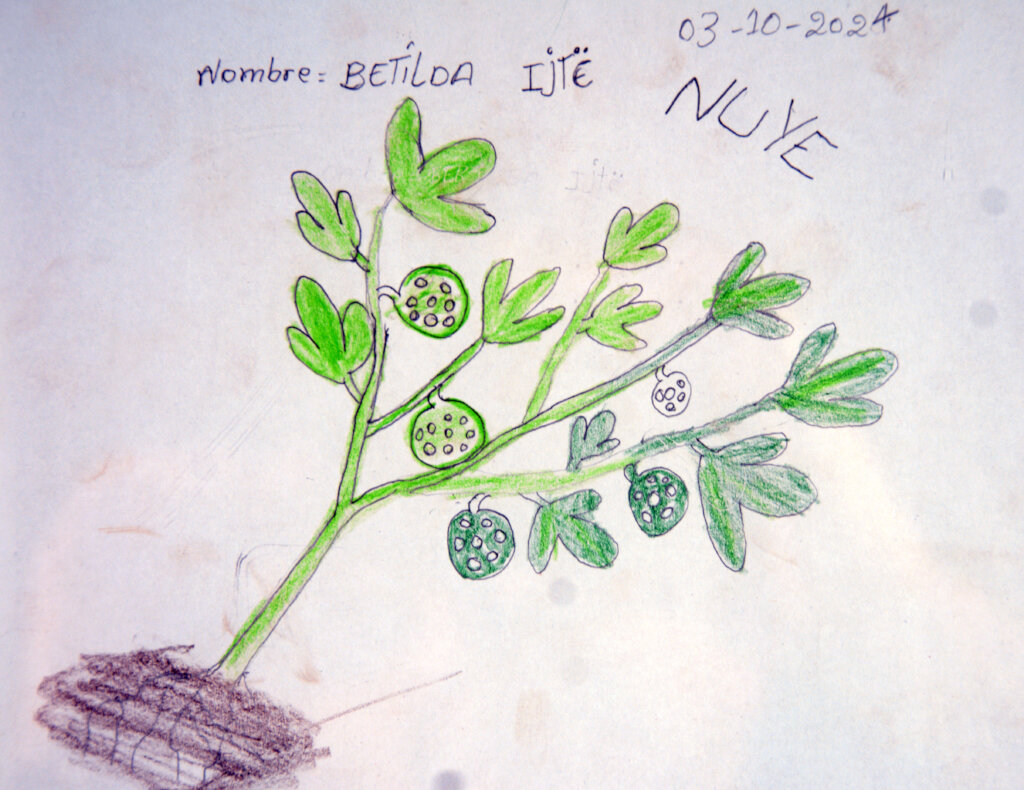
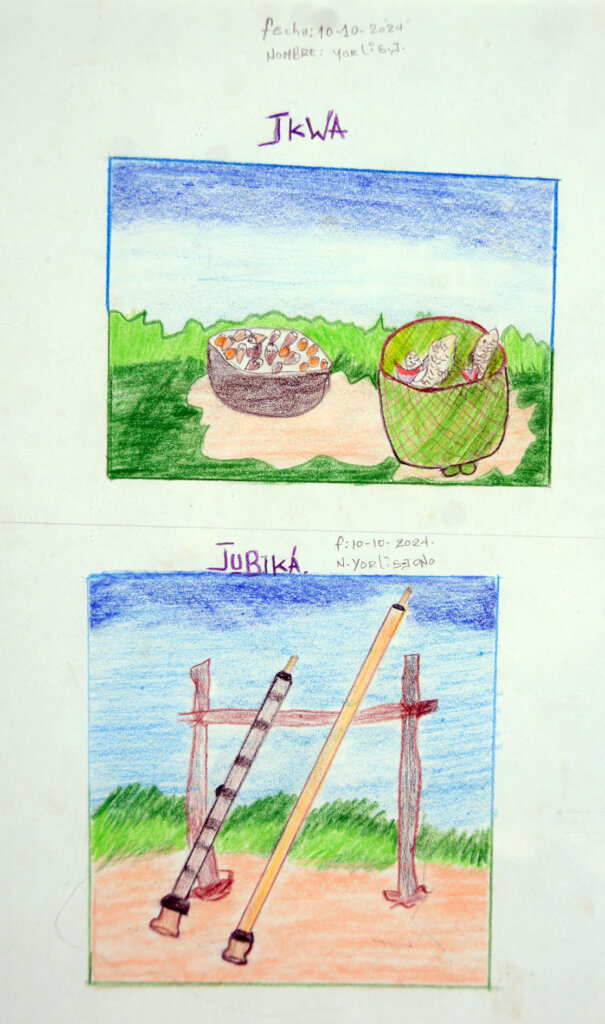
The workshop activities involved a review and reconsideration or affirmation of the unified alphabet, compilation of all the syllables appearing in the language, lists of words in which the different syllables appear, sentences in which the words appear, short essays which cover bioculturally relevant topics - such as artifacts, habitual activities, plants, animals, and environmental spaces (ecotopes) - and longer essays expressing core cultural values. Some people wrote alone, while others worked in groups. Lists of key words were compiled and passed on to other teams who concentrated on drawing corresponding illustrations which could be used in the primer (see images below).
An additional product generated from the workshops was a lexical database of approximately 1,300 entries, which can serve as a first step toward updating and expanding the Jo-Spanish dictionary developed some years ago. It is important to note that the primer materials, as well as the lexicon, reflect the current diversity of dialects among the far-flung speakers of this language.
Since those workshops, we’ve compiled much of that material, and shared it with collaborators to review. We sent pages via WhatsApp, checking dialects, translations, spelling variations and word choice. The resulting bilingual Spanish-Jotï primer will consist of approximately 120 pages, of which 100 are completely finished, with another 15 in process, and 5 remain to be created (see images below).
We are delighted to be invited into this project. Participants manifest great enthusiasm and are always willing to contribute to and carry out the tasks and activities involved. We created personalized certificates of attendance for everyone at the meeting and workshops.
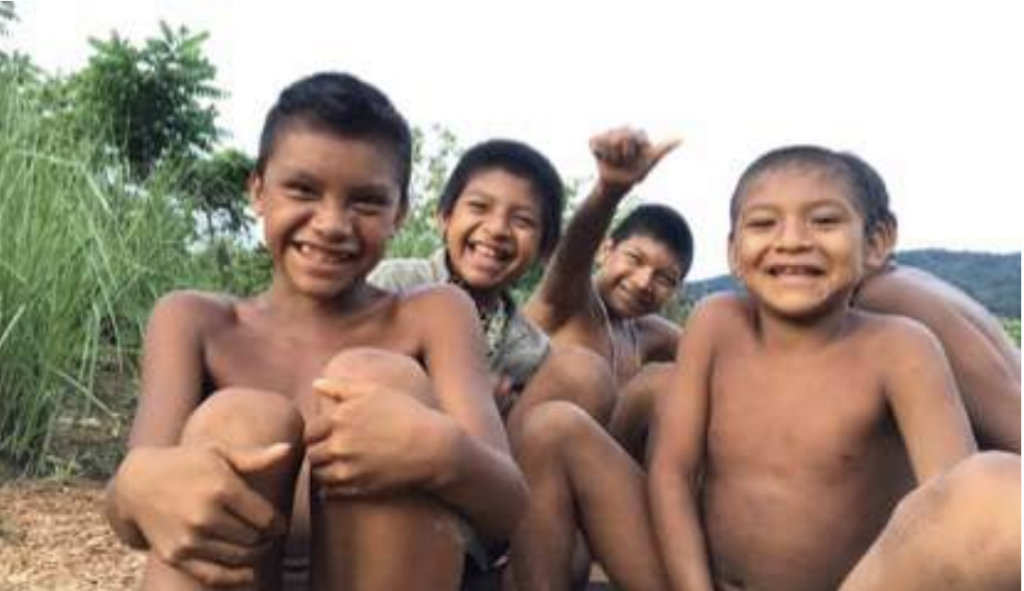
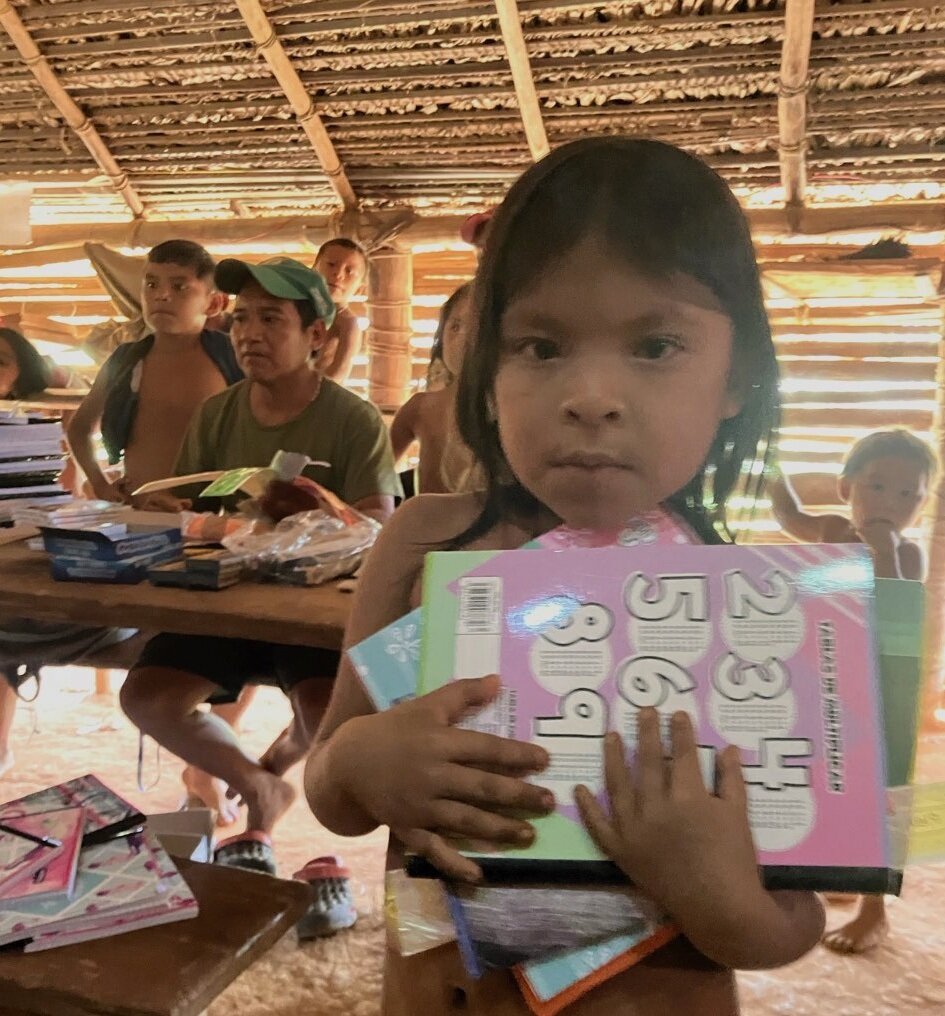
Both the Venezuelan Ministry of Sciences, and IVIC, the Venezuelan Institute for Scientific Investigation have approved and supported this project. It includes participation of all Jotï communities where there are formal or informal schools. Currently, this includes the Jelau school at JodenaU (Kayama), Jtibiliyo community school at Jtibilyo (Caño Iguana), community school at Morocoto, Básica Luca at Jkawale, and municipal school at Naleke (Pendarito). Thanks to this assistance, the project was able to purchase and distribute supplies for the elementary school students, teachers, and schools. These included 4 types of notebooks, crayons, pens, pencils, sharpeners erasers, bags and backpacks to 230 children and adolescents, and even to a few interested adults, during visits to the communities in September-October 2024 (see images below). We’ve heard from them, and they are learning to read and write using the alphabet they agreed on, and we’ve shared photos of the progress on the primer.
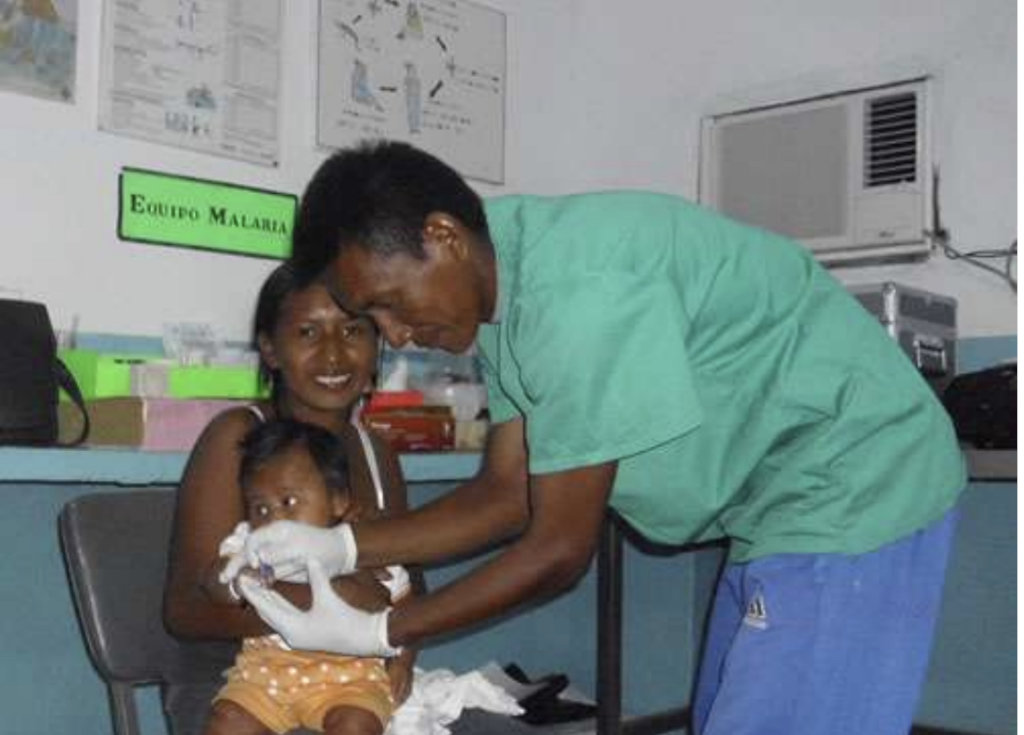
HAWAPO, our project’s name, stands for Health and Wellbeing for Amazonian Peoples’ Outreach. We launched the malaria project to implement the communities’ proposed solutions to an epidemic that was killing teachers, knowledge holders, and children- interrupting the transmission of knowledge, language and culture.
The current initiative is made possible by the success of that and subsequent interventions and innovations. It represents not so much a pivot as an expansion of the initial project. We are not giving up on the health aspect of the work, but rather continuing to respond to the collective decisions and priorities of the community. We hope you’ll join us in our excitement for this culturally-affirming work!
Project reports on GlobalGiving are posted directly to globalgiving.org by Project Leaders as they are completed, generally every 3-4 months. To protect the integrity of these documents, GlobalGiving does not alter them; therefore you may find some language or formatting issues.
If you donate to this project or have donated to this project, you can receive an email when this project posts a report. You can also subscribe for reports without donating.



Support this important cause by creating a personalized fundraising page.
Start a Fundraiser