By Campbell Plowden | Executive Director and Project Leader
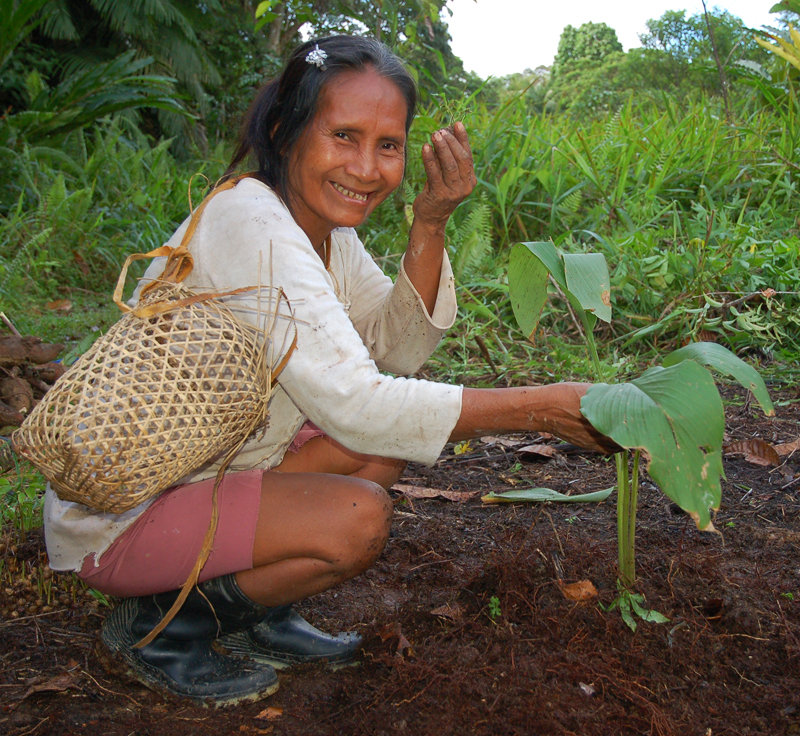
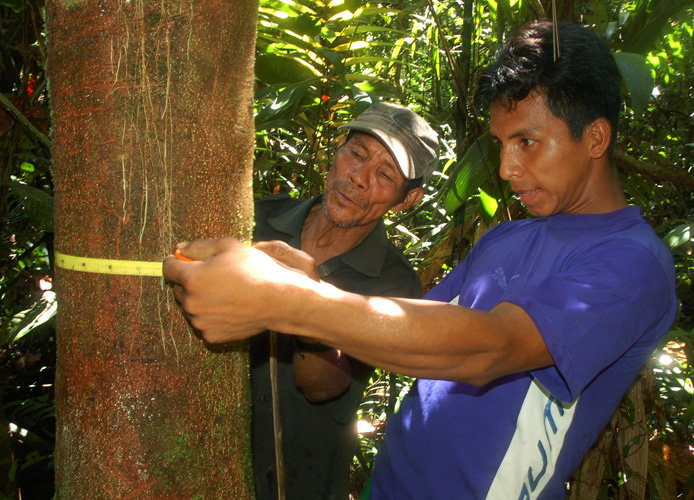
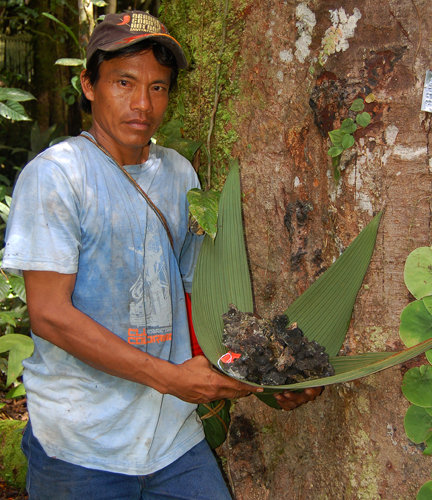
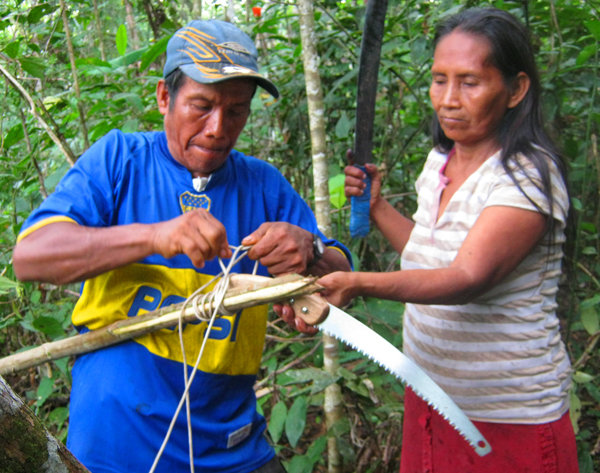
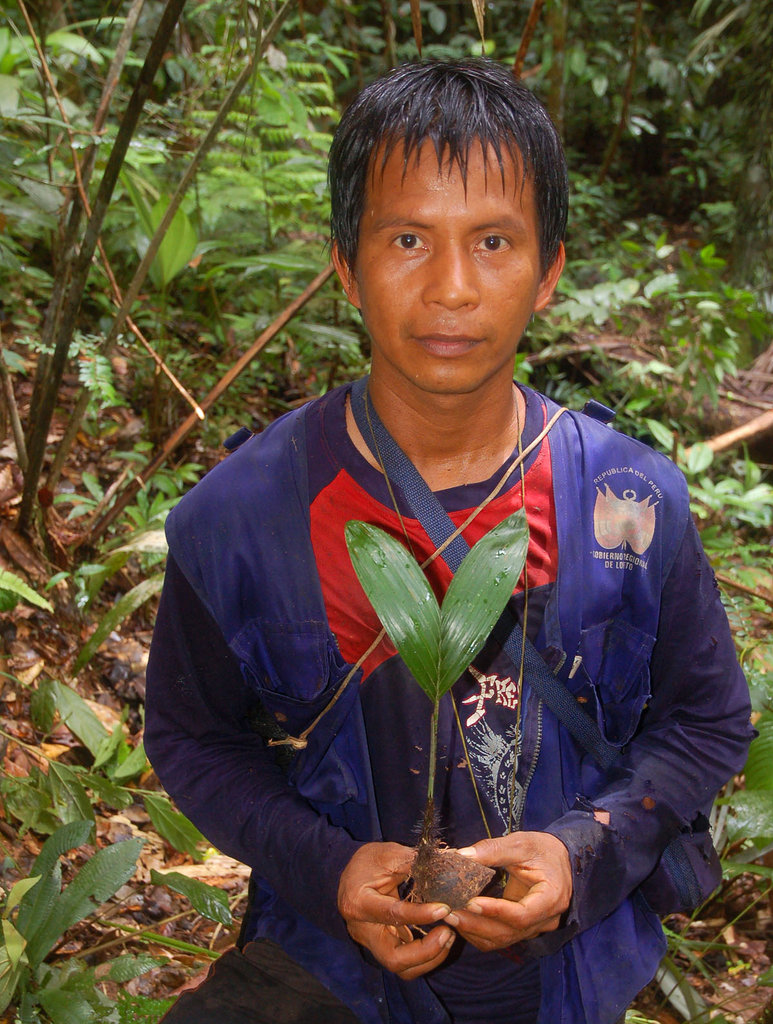
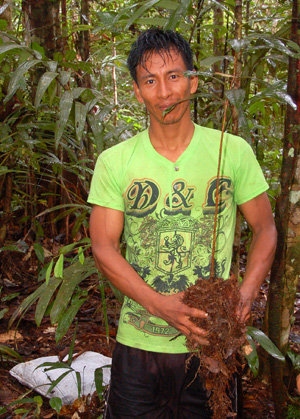
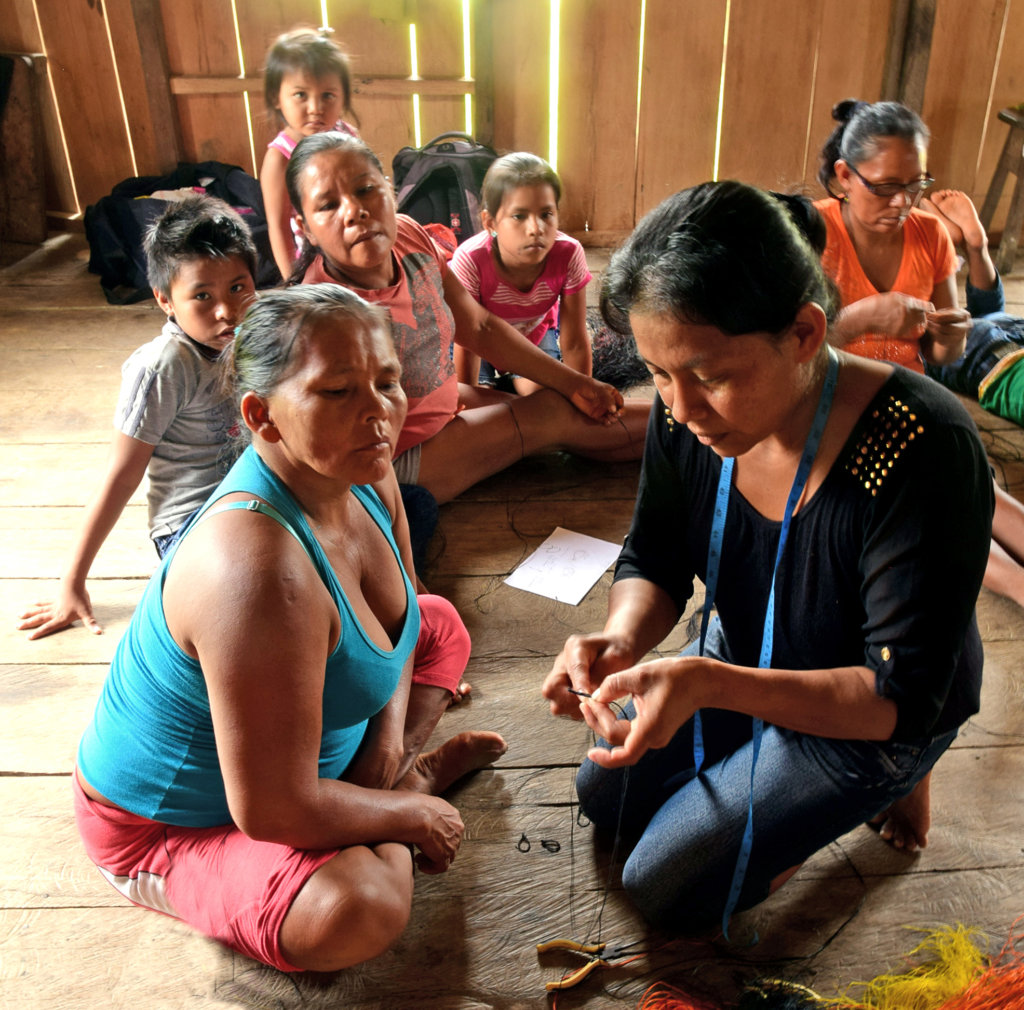
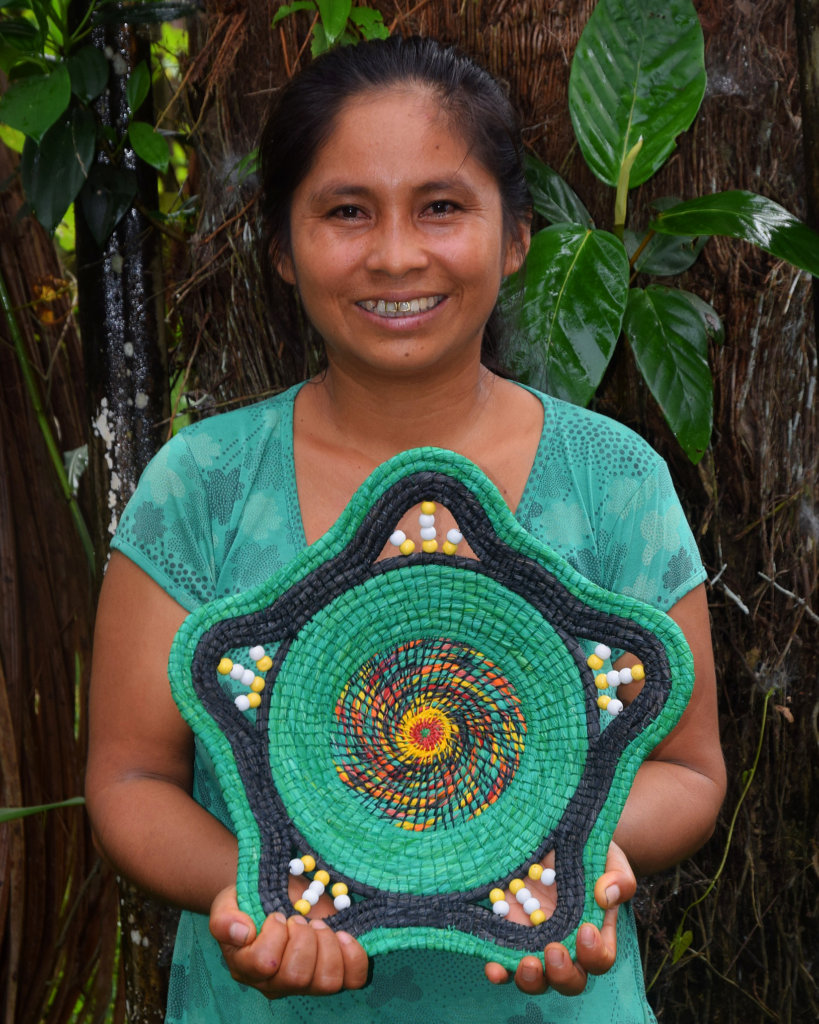
This past February and March, I made two trips to visit several of our partner communities in the Ampiyacu River area – once to help with a workshop where artisans learned how to make three types of woven bird ornaments (see Report #27) and the second time to deliver a new batch of rosewood tree seedlings. While spending time in Amazon villages is second nature to me, I wanted to focus this report on sharing some images and related stores that may help you appreciate the different way of life of the people who live in communities along these smaller tributaries of the Amazon.
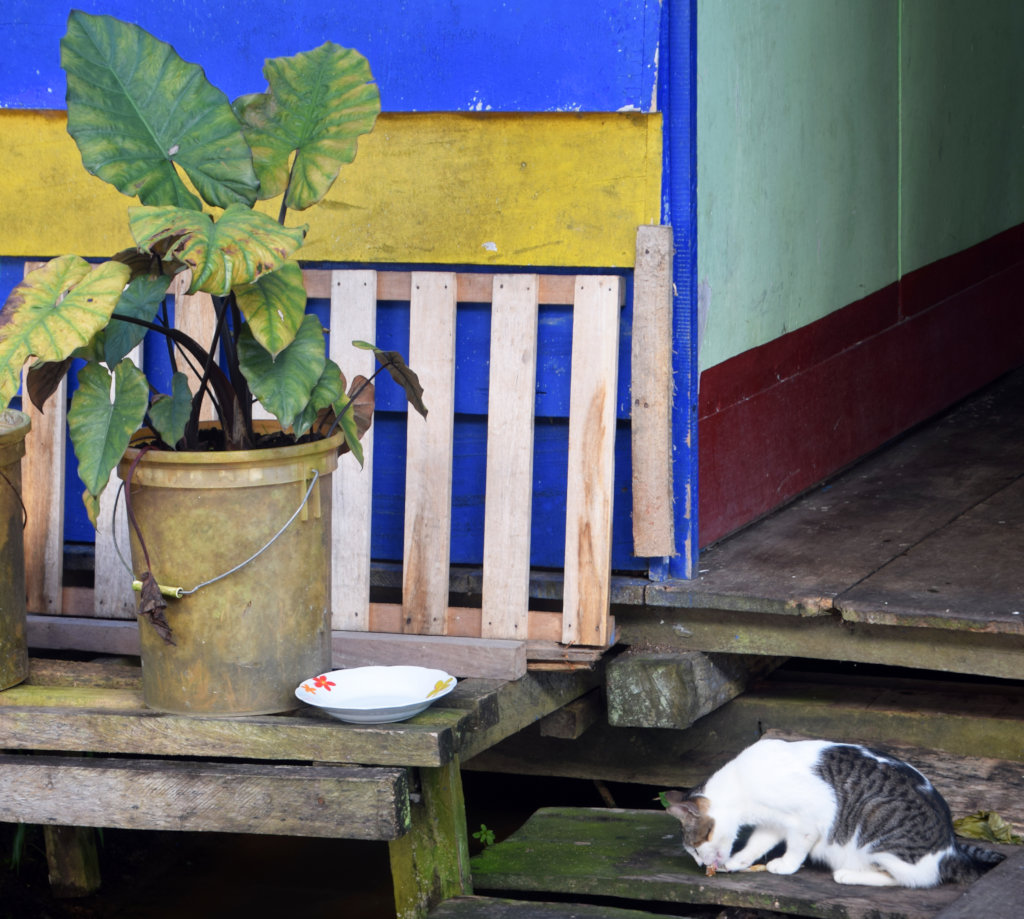
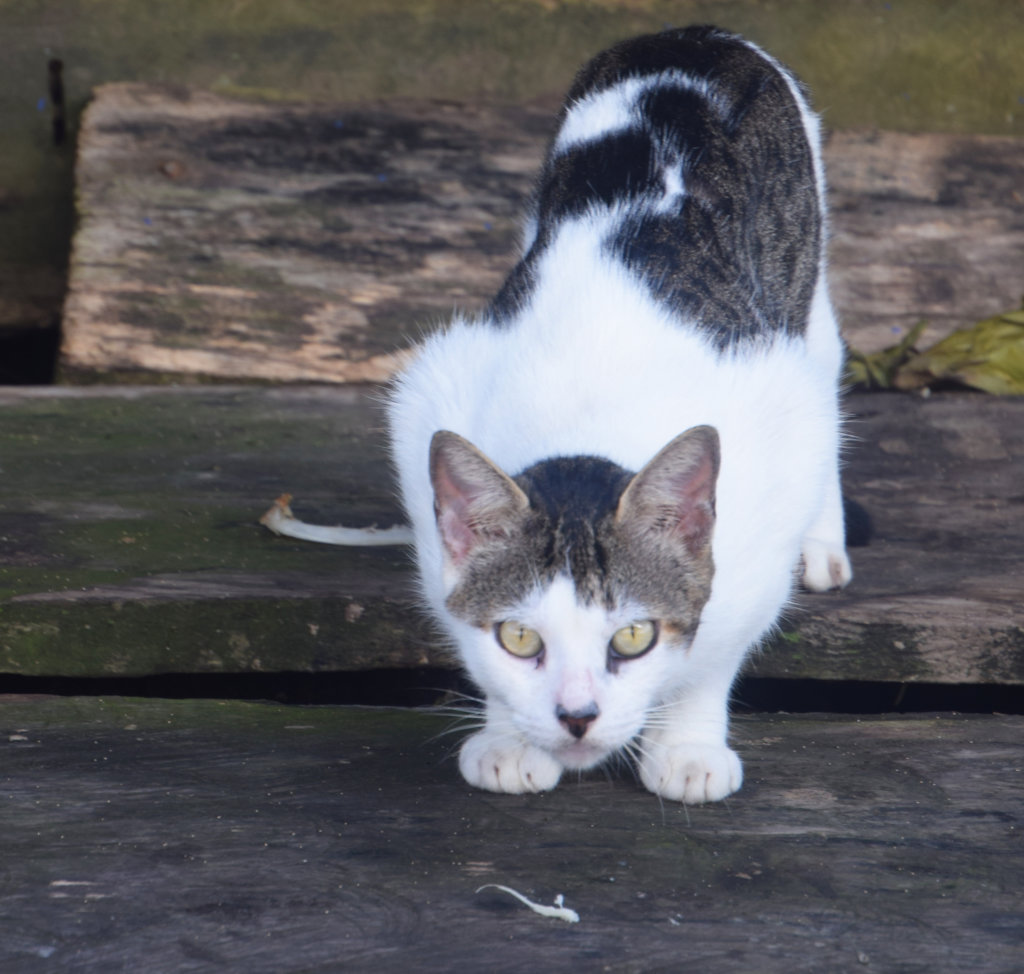
1 & 2. Our trip to the Ampiyacu usually begins by taking a large boat from Iquitos to the town of Pebas. The gas stations located on floating houses near the port provide fuel for all locals and travelers who need fuel for their smaller boats or motorcars. I liked the image of a cat feeding on something at the entrance to one of these houses. As I got closer, it seemed to be some kind of salamander. When the cat became aware of me, the meaning of his/her look couldn’t have been any clearer.
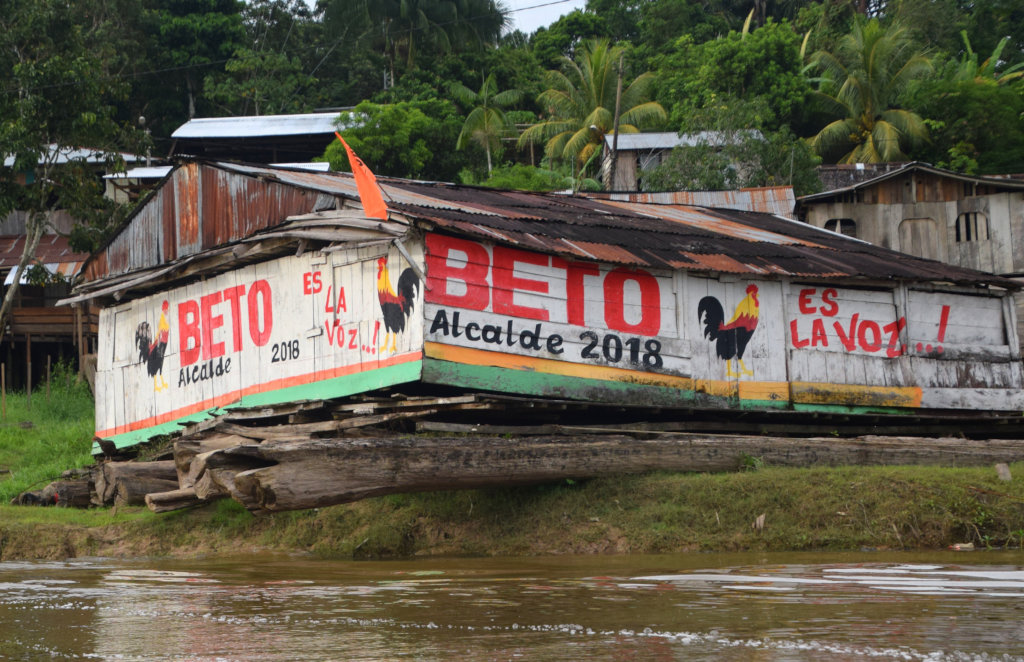
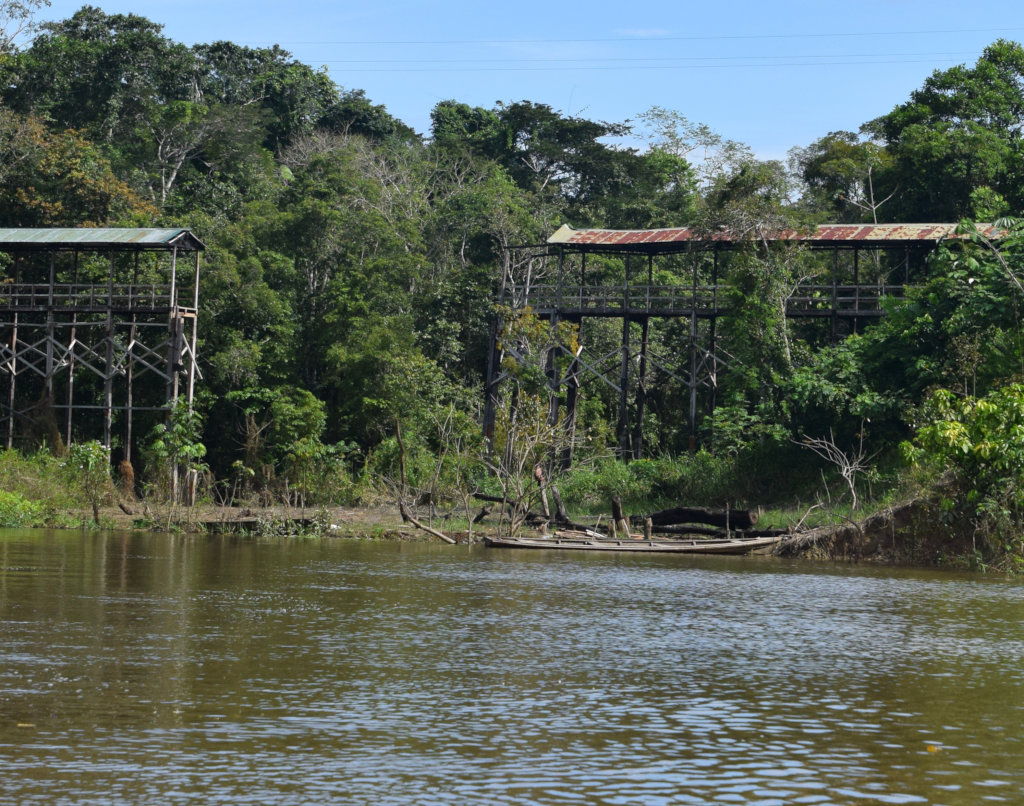
3 & 4. Even in the small town of Pebas, the evidence of campaigning and the pitfalls of local politics are highly visual. Many houses become full-size murals for people running for mayor. I often stay in a hospedaje (small hotel) owned by a former mayor who is constantly visiting the festivals of neighboring villages to animate his base for his next run. Municipal and/or regional government funds were used with great fanfare to build a narrow paved path from Pebas to the large Bora village of Puca Urquillo so people could travel the few miles in a motorcar in 10 minutes instead of making a 30 minute trip by river. One of the bridges needed to cross streams going into the Ampiyacu collapsed within months of completion and remain unrepaired for over a year.
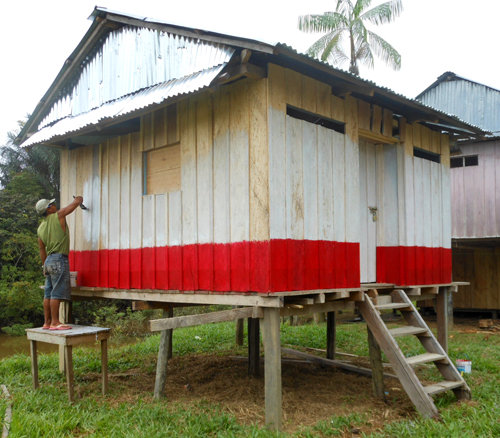
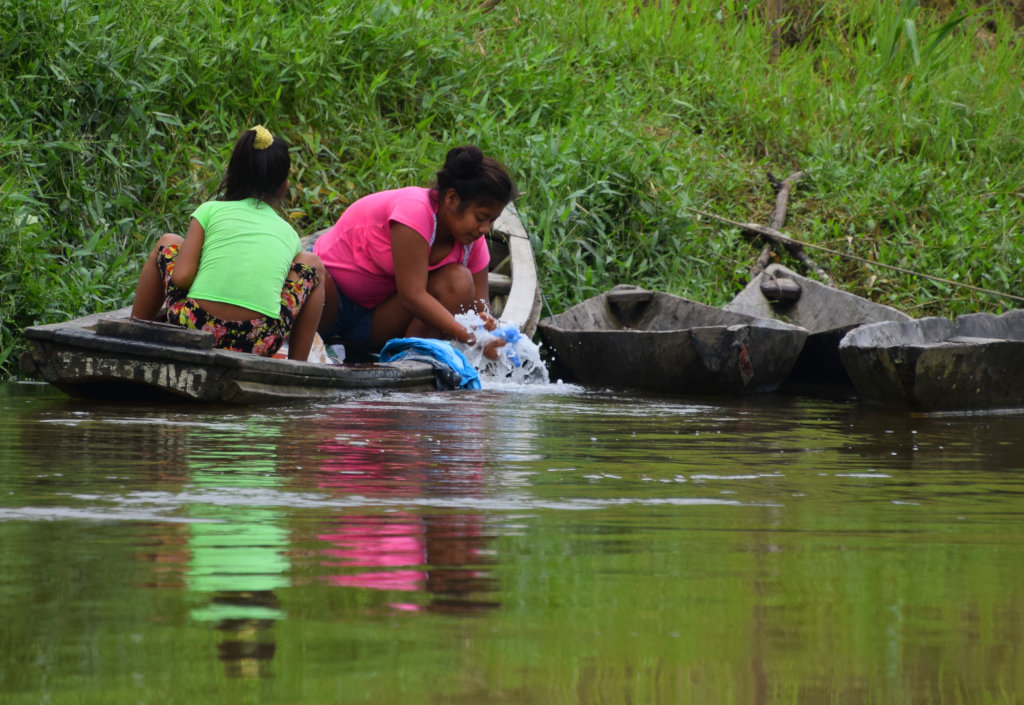
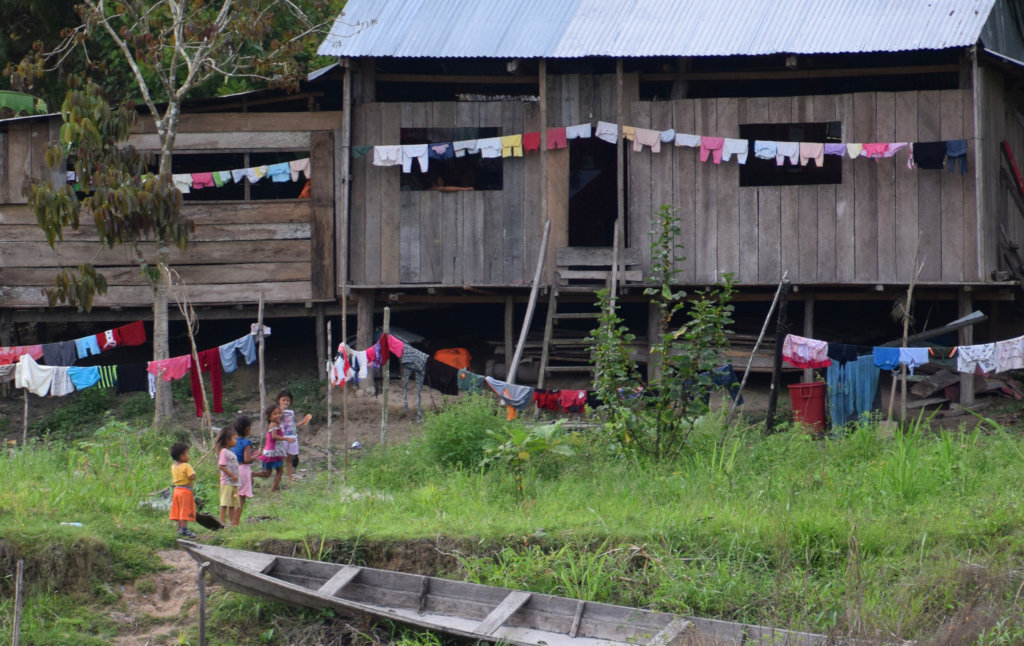
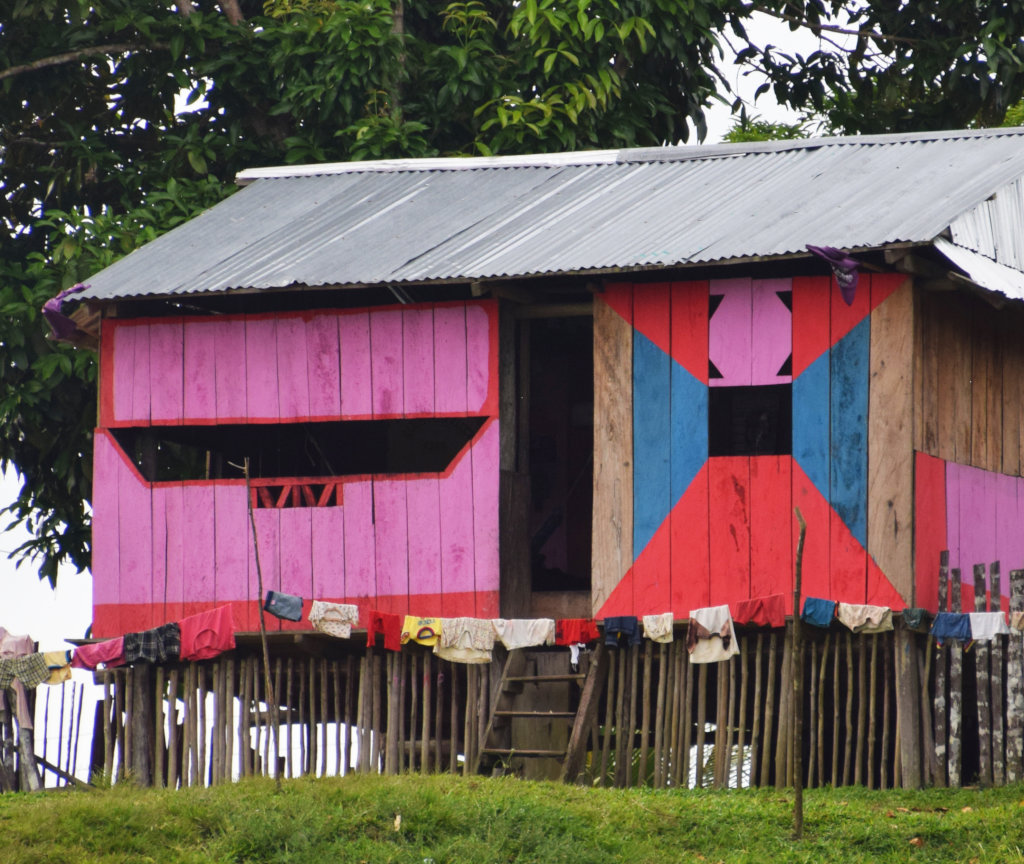
5, 6, & 7. One daily activity for people (almost always seemingly women and girls) who live in these communities is washing clothes in the river. For families with a lot of kids, this also means spending time hanging wet clothes out to dry. This can take a while in the rainy season since they often need to brought inside. Almost all of the wooden houses take on a familiar grey weathered look, but every now and then, someone has added a creative flare to brighten the look of their home.
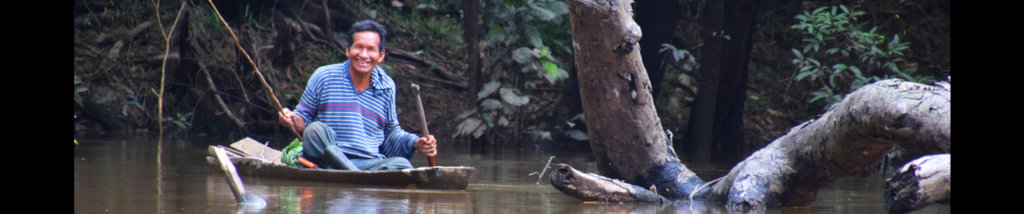
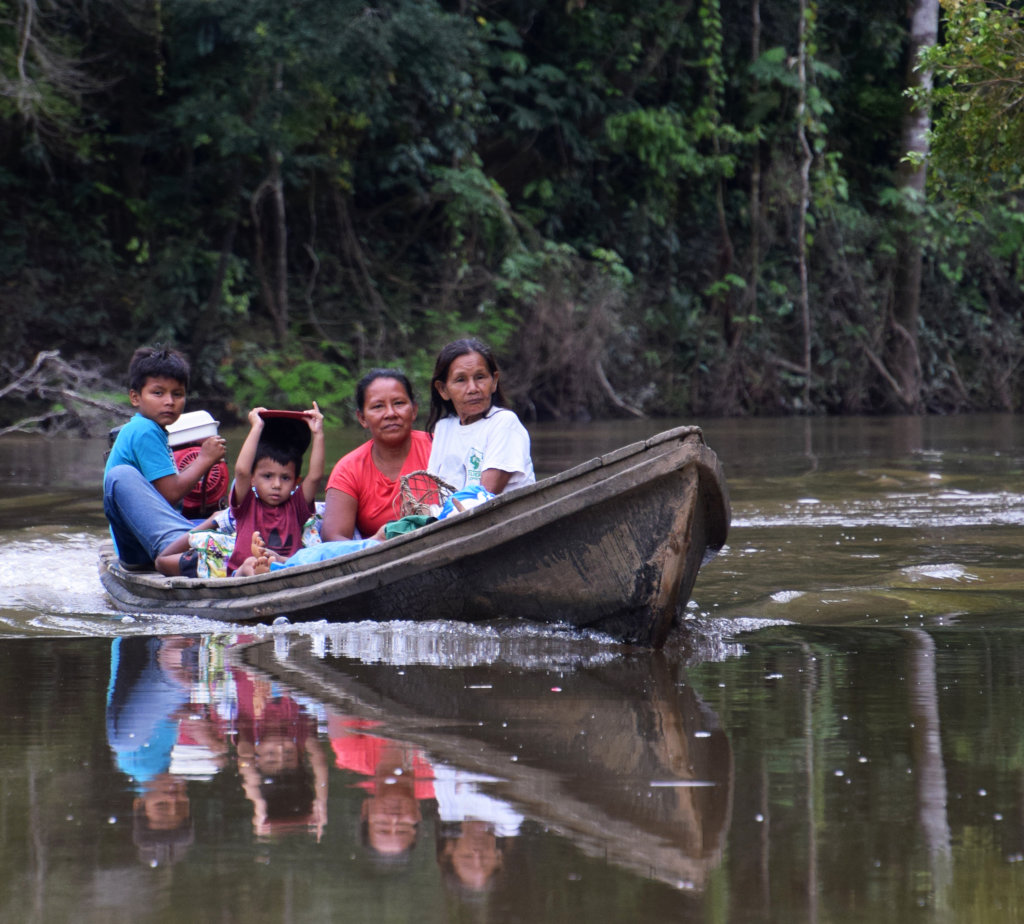
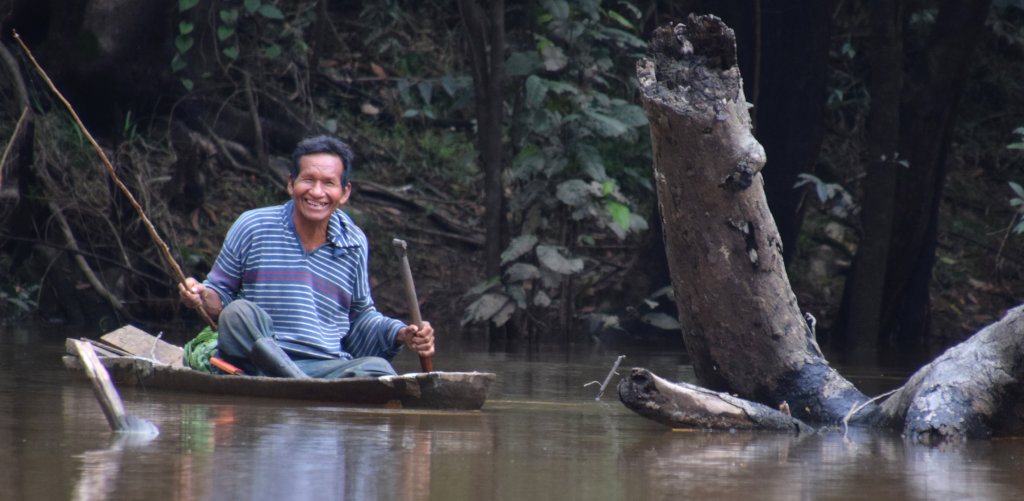
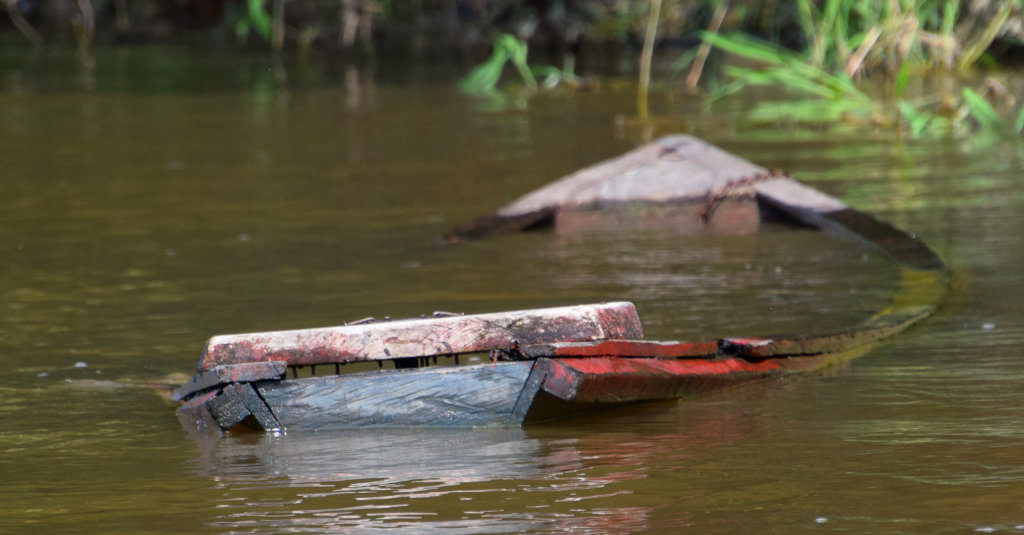
8, 9 & 10. Where there are no roads, much of life along the river depends on using small boats. Most families use a peque-peque (a dug-out canoe with a small motor) to get around, but it’s also common for one man to go out in a smaller craft to fish near the village. The fellow in this photo first ignored us, then scowled at us, then gave us a big smile when I waved while passing by. While boats can last for several years, their duration depends a lot on what kind of wood they are made from Eventually, they get beaten up to the point where it’s not worth it to repair them and they get waterlogged. At least their degradation does not present the eyesore and troublesome waste products left in the wake of our dead cars.
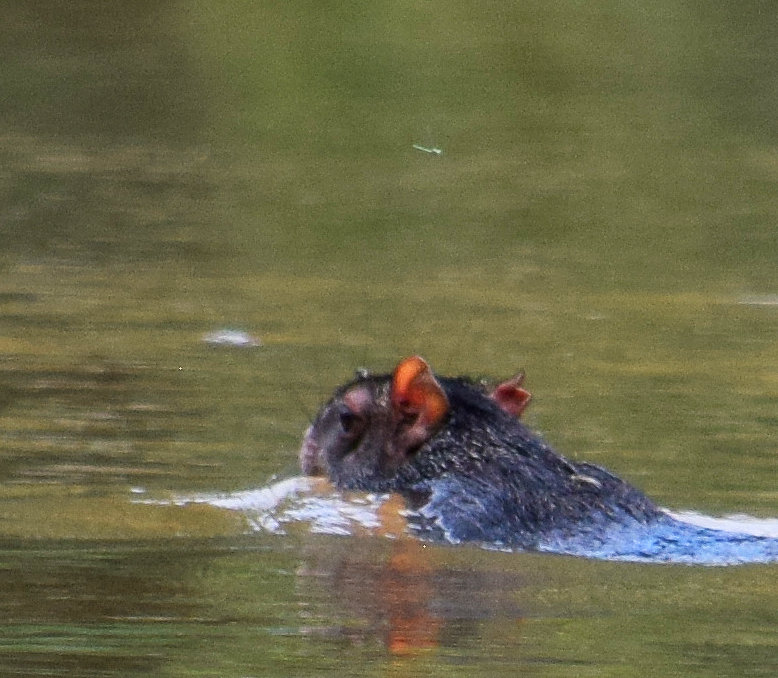
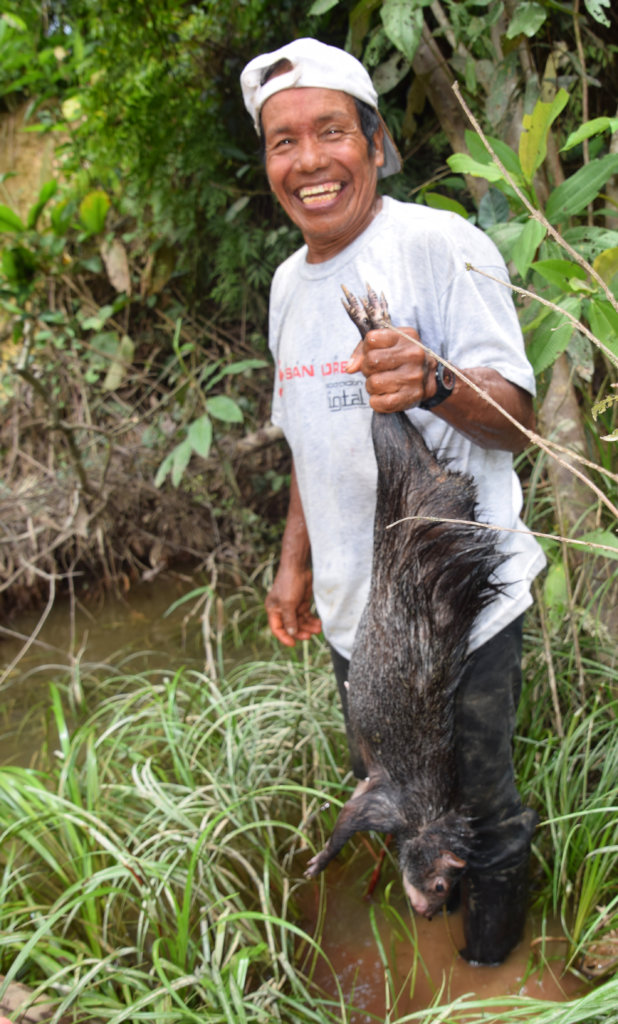
11 & 12. Where income is low and there are no markets nearby, people who live by the river and forest depend on wild animals to satisfy an important part of their diet. Men may dedicate a night or several days to hunting trips, but they are alert to take advantage of any opportunity that presents itself. While going up the Yaguasyacu River from Pebas to Brillo Nuevo, we spotted an agouti swimming across the river in our direction. When it detected us, it quickly changed course and swam in the opposite direction. Our driver Oscar followed it back to the bank, jumped out of the boat, chased it through the brush (it wasn’t able to climb up the steep hill), grabbed it and dispatched it. I was admittedly silently routing for the agouti to escape, but I completely understand how this event helped Oscar provide several days of meat for his family with a minimal investment of time and no money spent on ammunition.
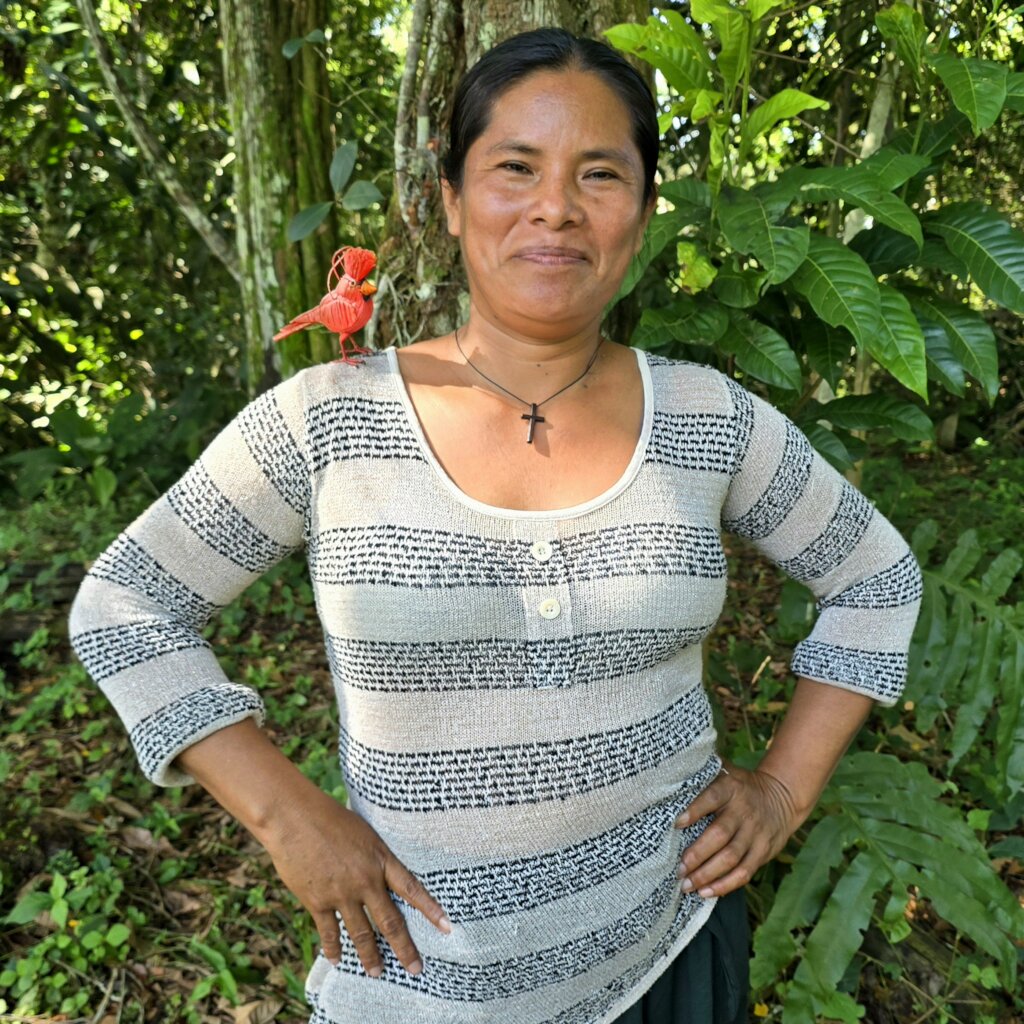
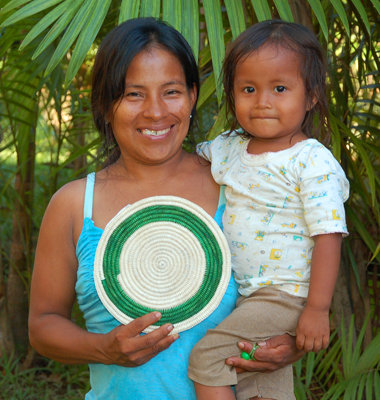
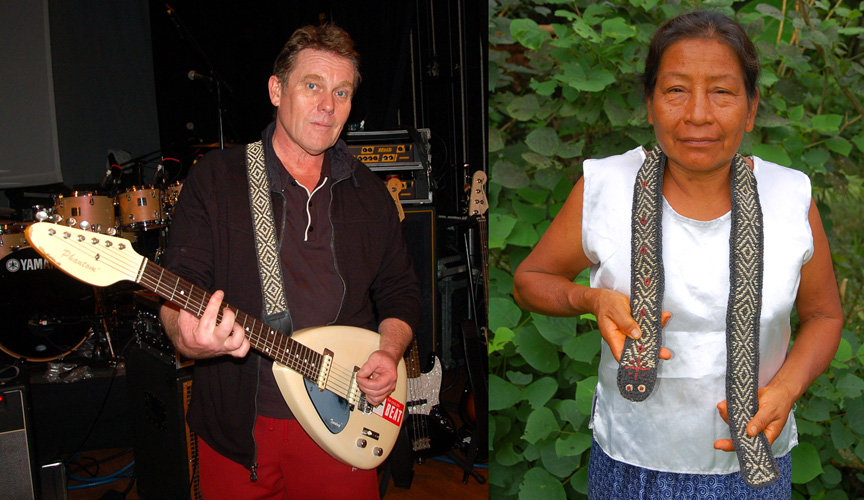
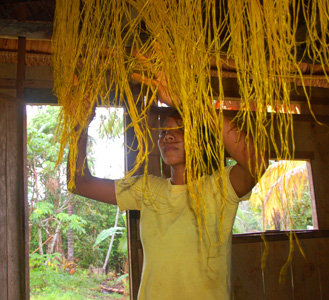
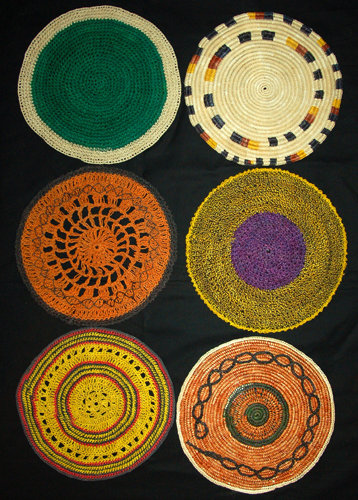
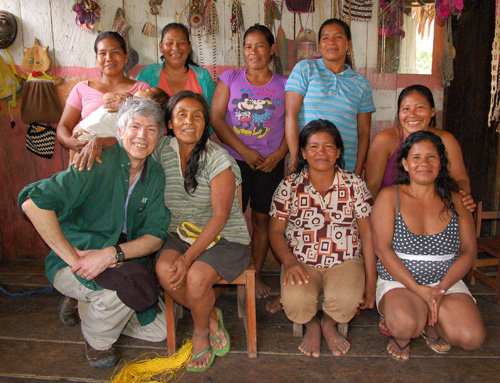
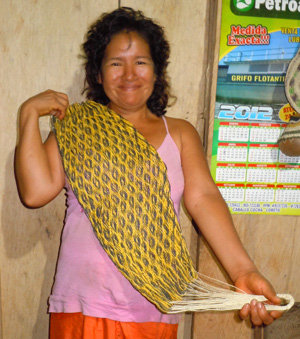
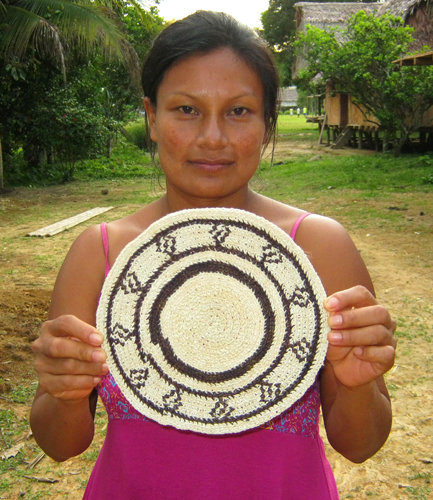
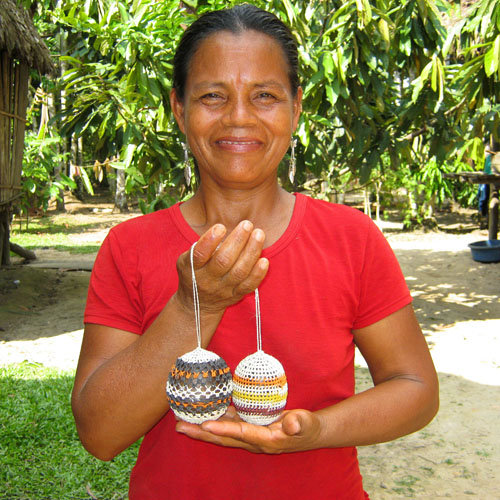
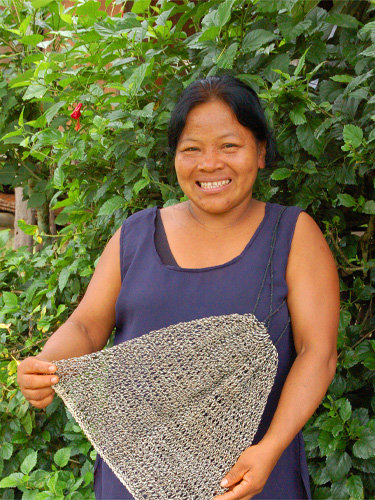
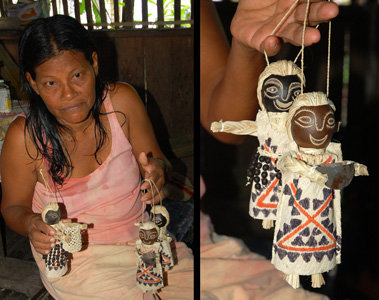
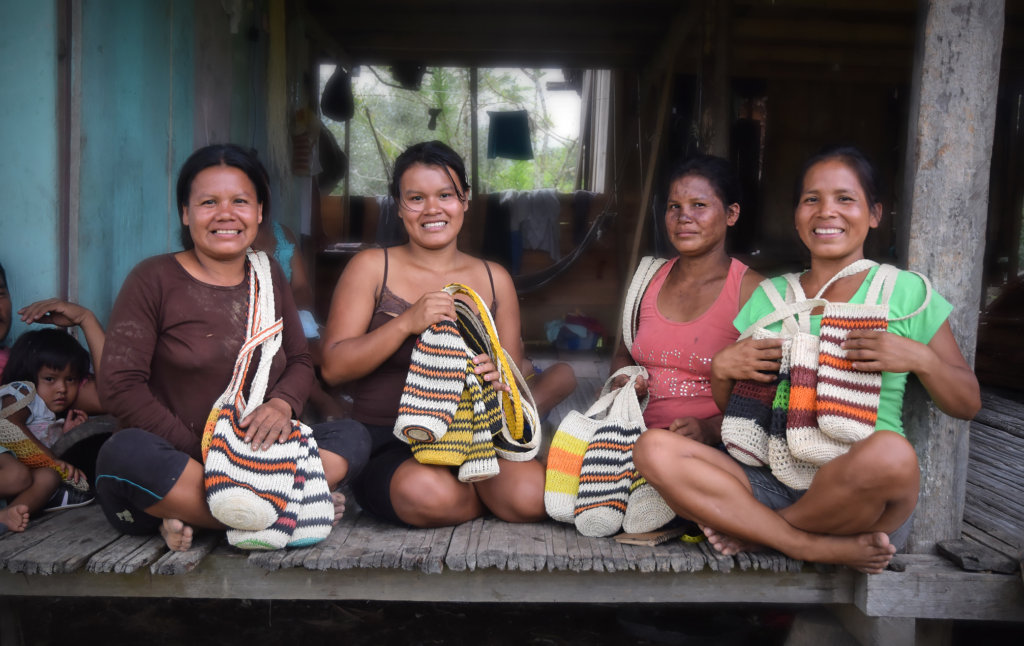
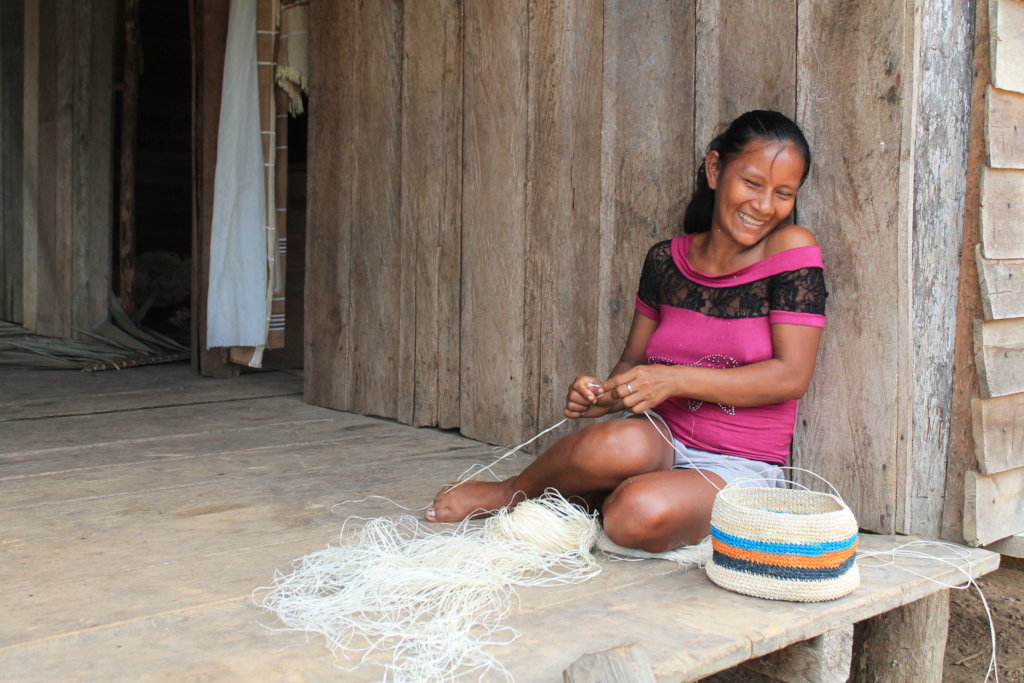
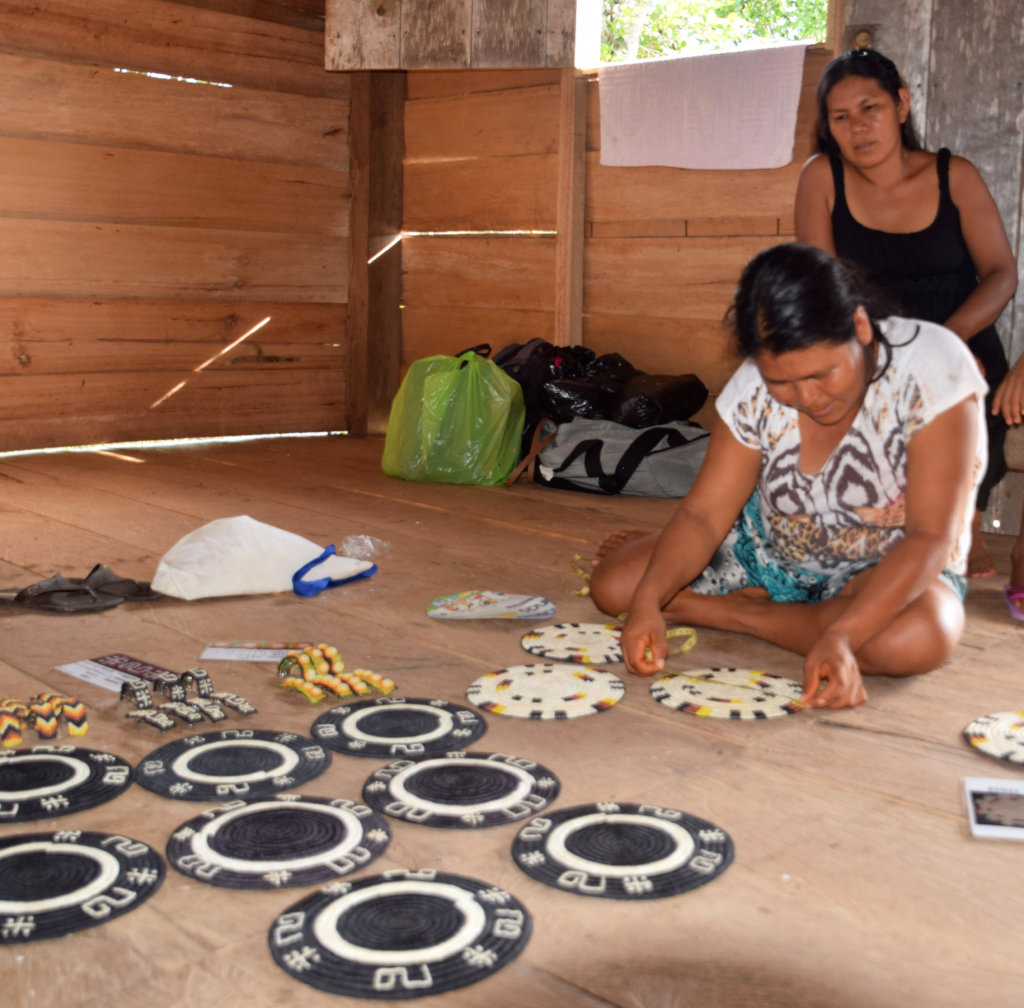
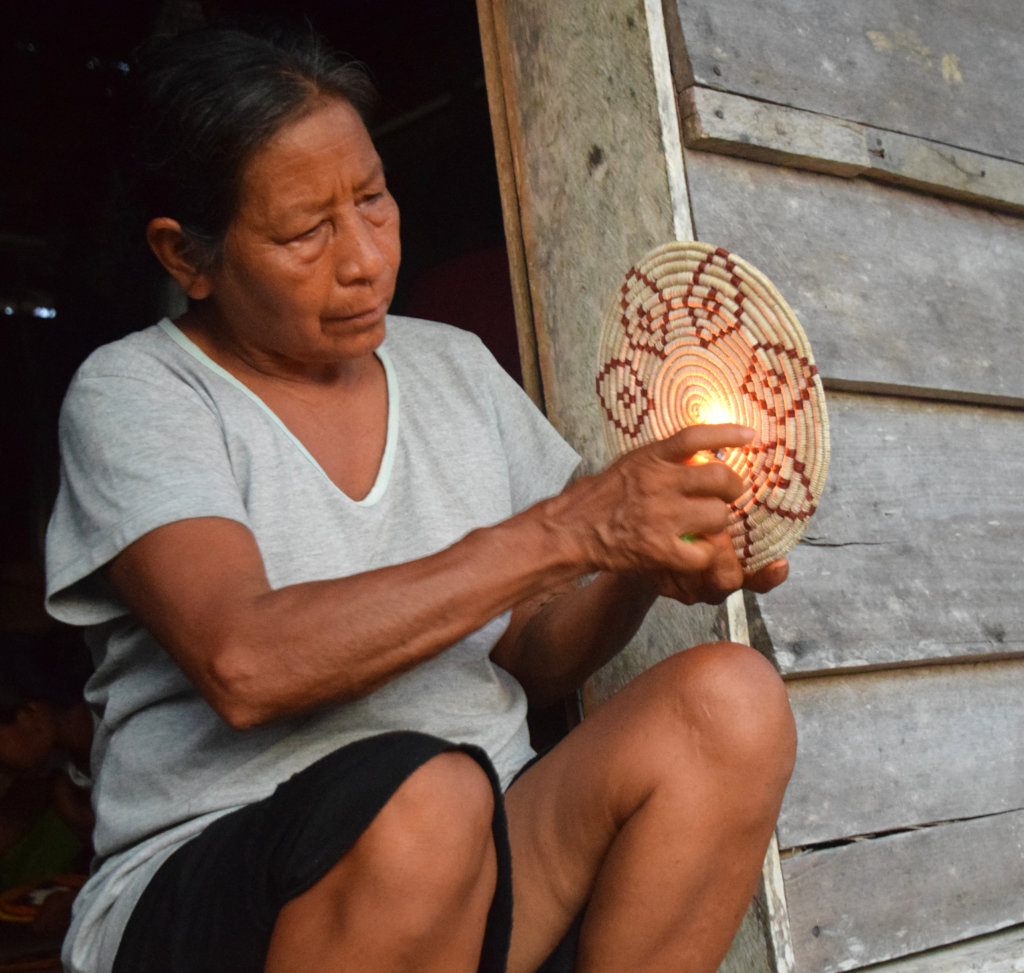
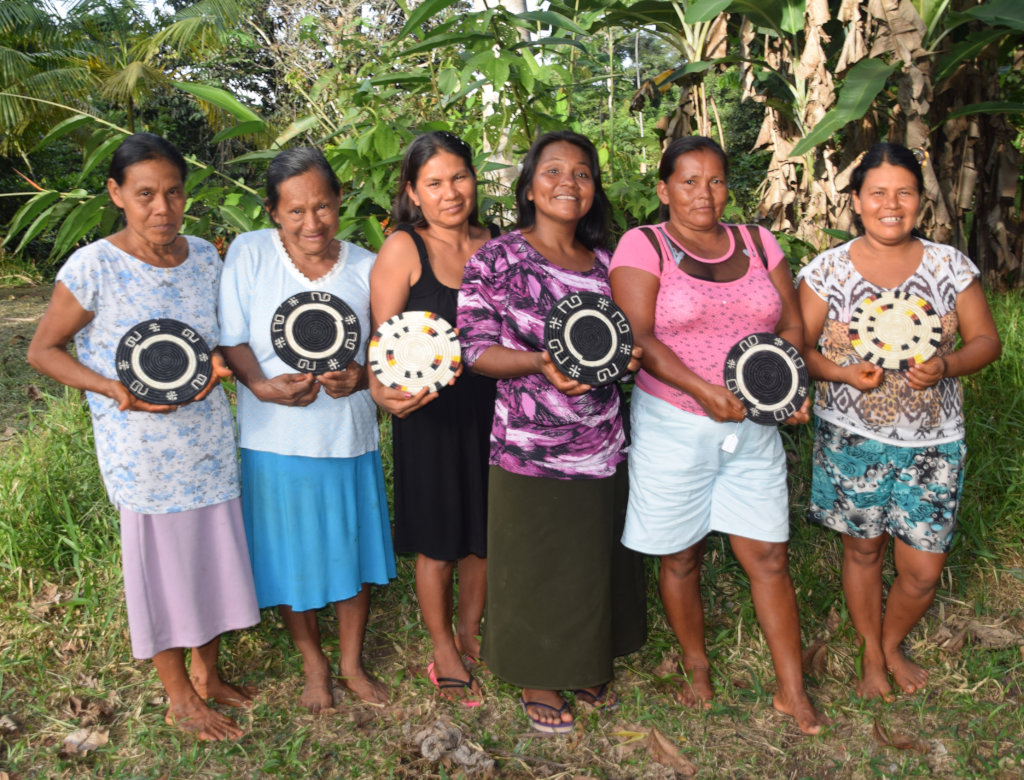
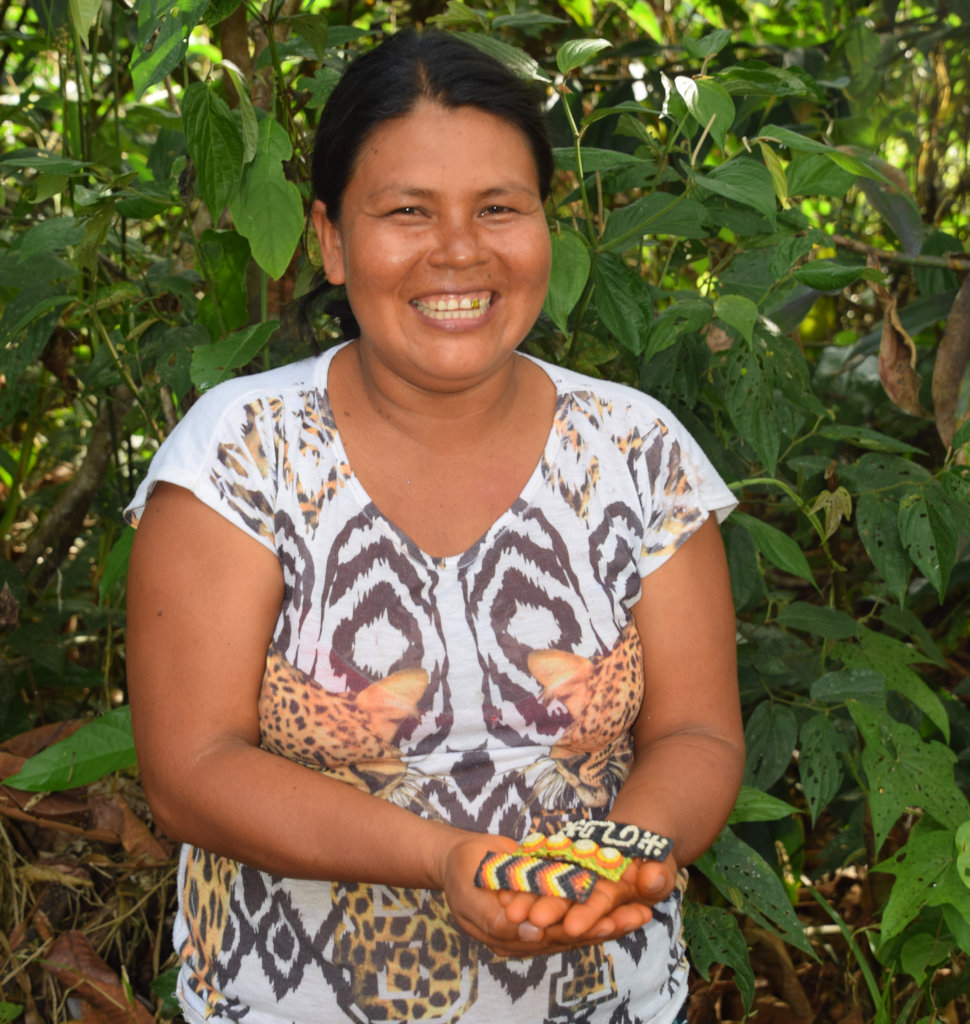
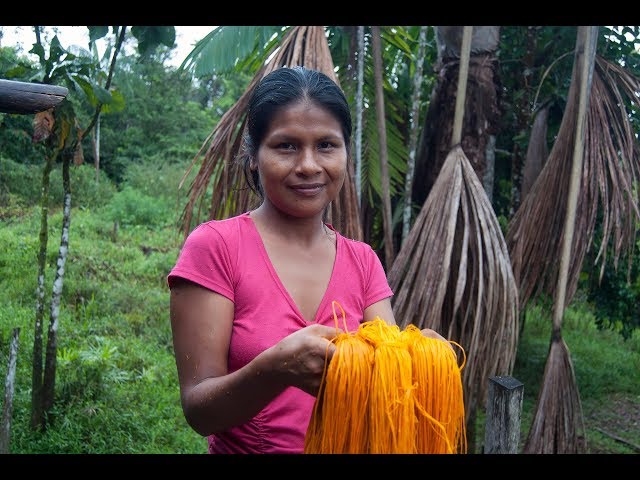
13 through 17. When we arrived in Brillo Nuevo, Yully asked our artisan friends to come by our house with any crafts they had finished from the previous order. A group led by Casilda has proven to be the best organized since they finished their group’s hot pads and hair barrettes on time even if some of them are more comfortable having their picture taken than others. They are now learning to do their own quality control before delivery their crafts to us. Ena and others use a lighter to burn off bits of the loose chambira fiber hanging off of their hot pads.
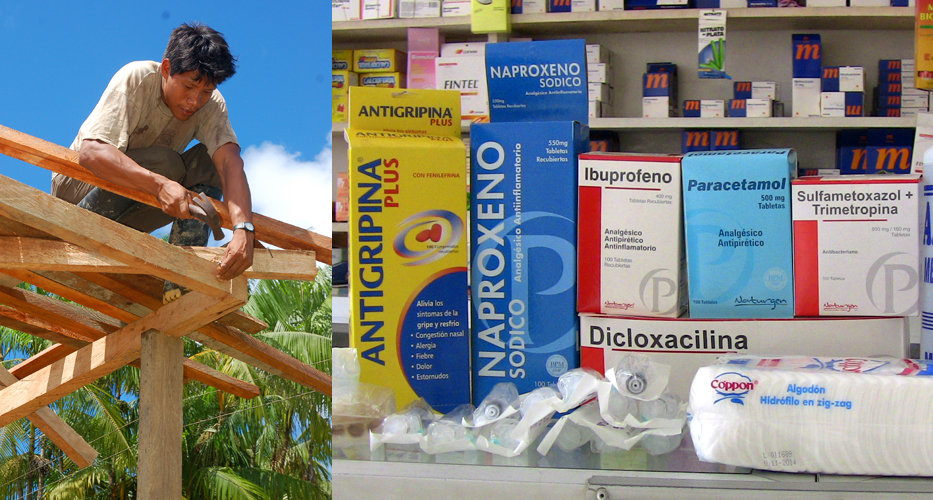
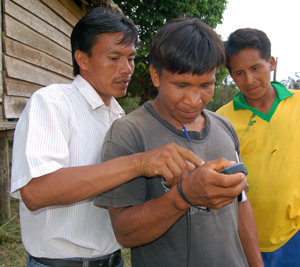
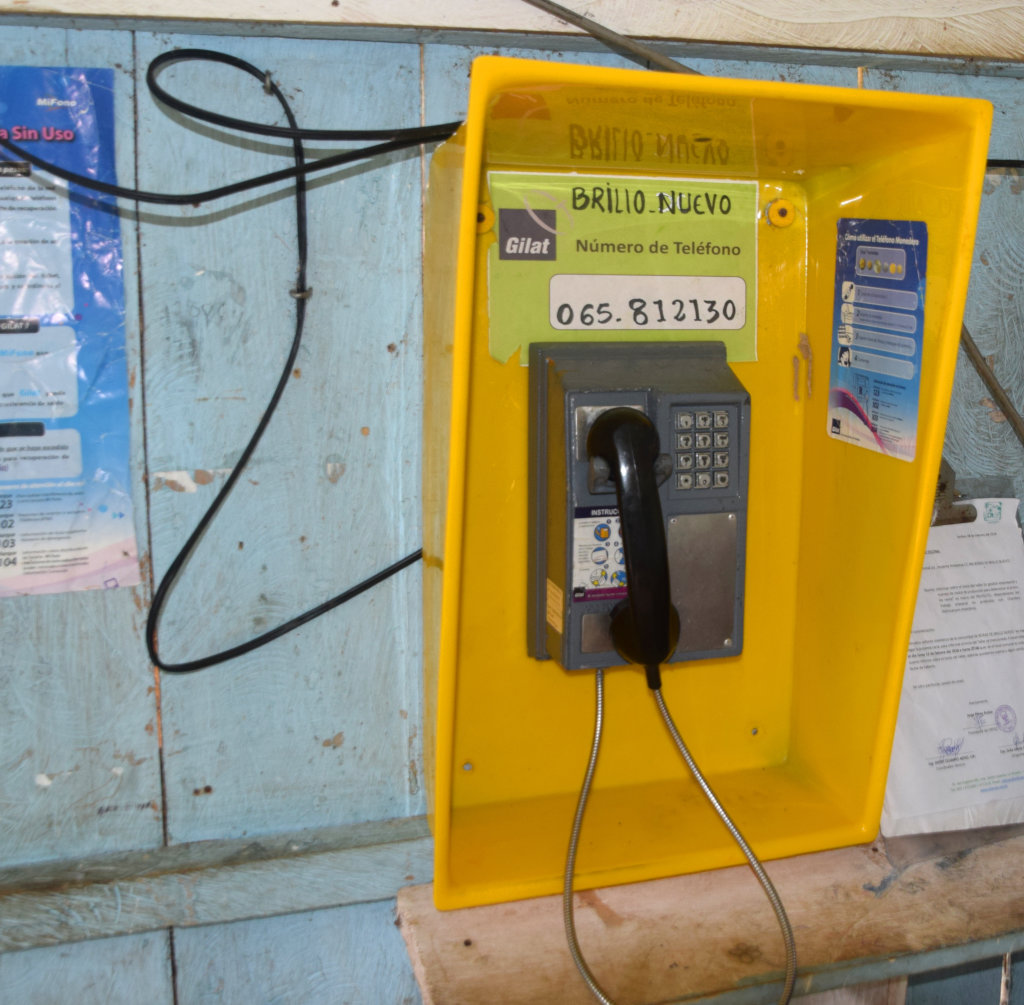
18. Some years ago Brillo Nuevo used a good chunk of the funds we provided in our “social rebate” program (from a percentage of our craft sales from their village) to build a little house which they intended to a be “community pharmacy” – a place where one of their own residents could sell common medicines to members of the community in a way that would be more convenient than getting some from the government health post that was frequently closed or didn’t have medicines available. The project worked well in the first cycle, but unfortunately when the person in charge of the pharmacy went to the city to buy new medicines, she simply left town and never returned to the village. The experience left them sour on the concept since they didn’t feel like they could trust anyone else to do this job better. The house was later converted to a sort of village communications center since it now houses the solar powered ham radio (mostly used to communicate with other villages) and public telephone. One person does have the job of answering any incoming calls and using a loud speaker to call the person to the phone or go track them down at their house. They get no salary for this duty but customarily receives a tip from anyone who has been alerted to a call. No telemarketers need bother calling.
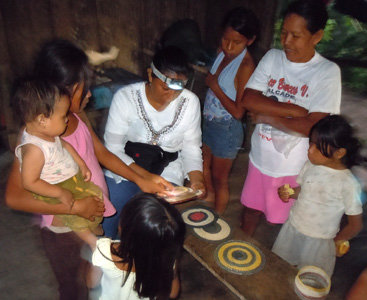
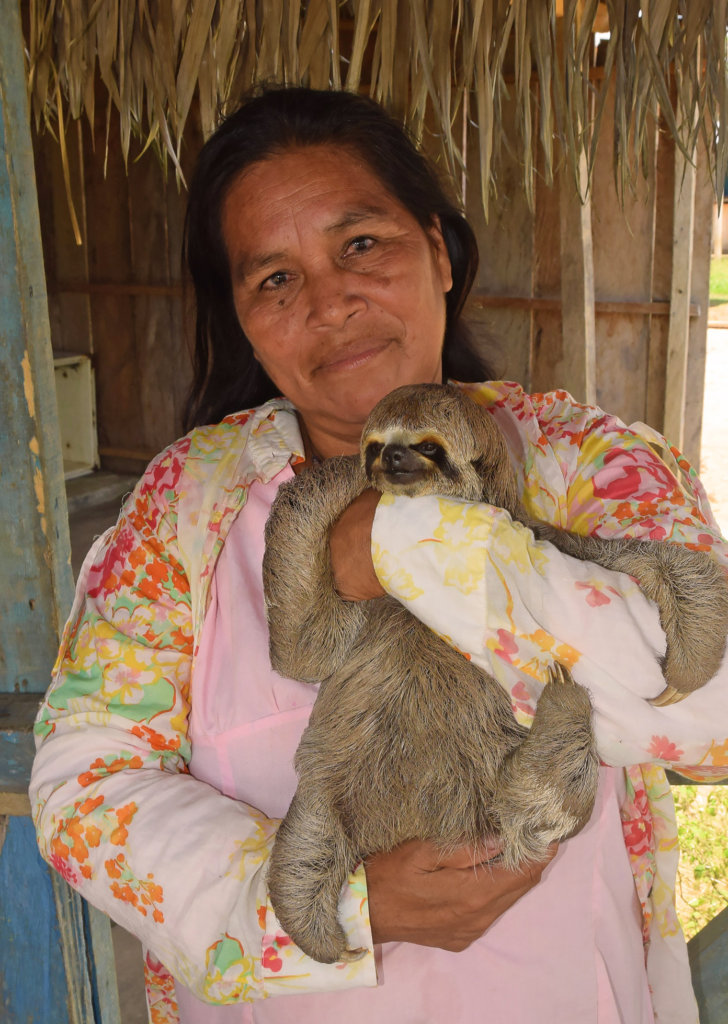
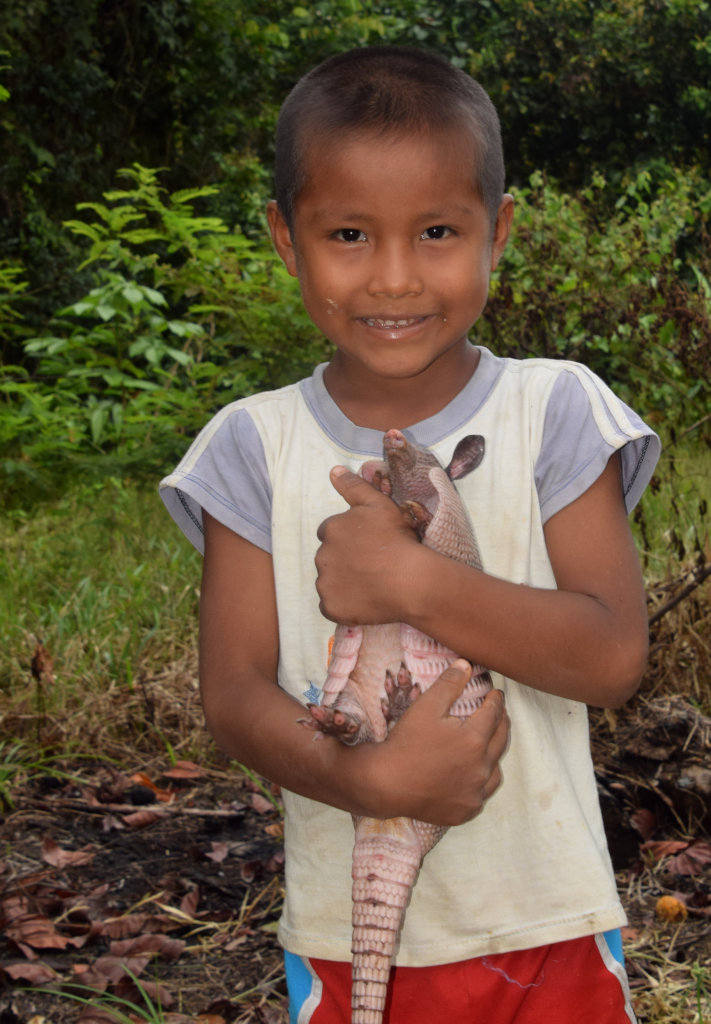
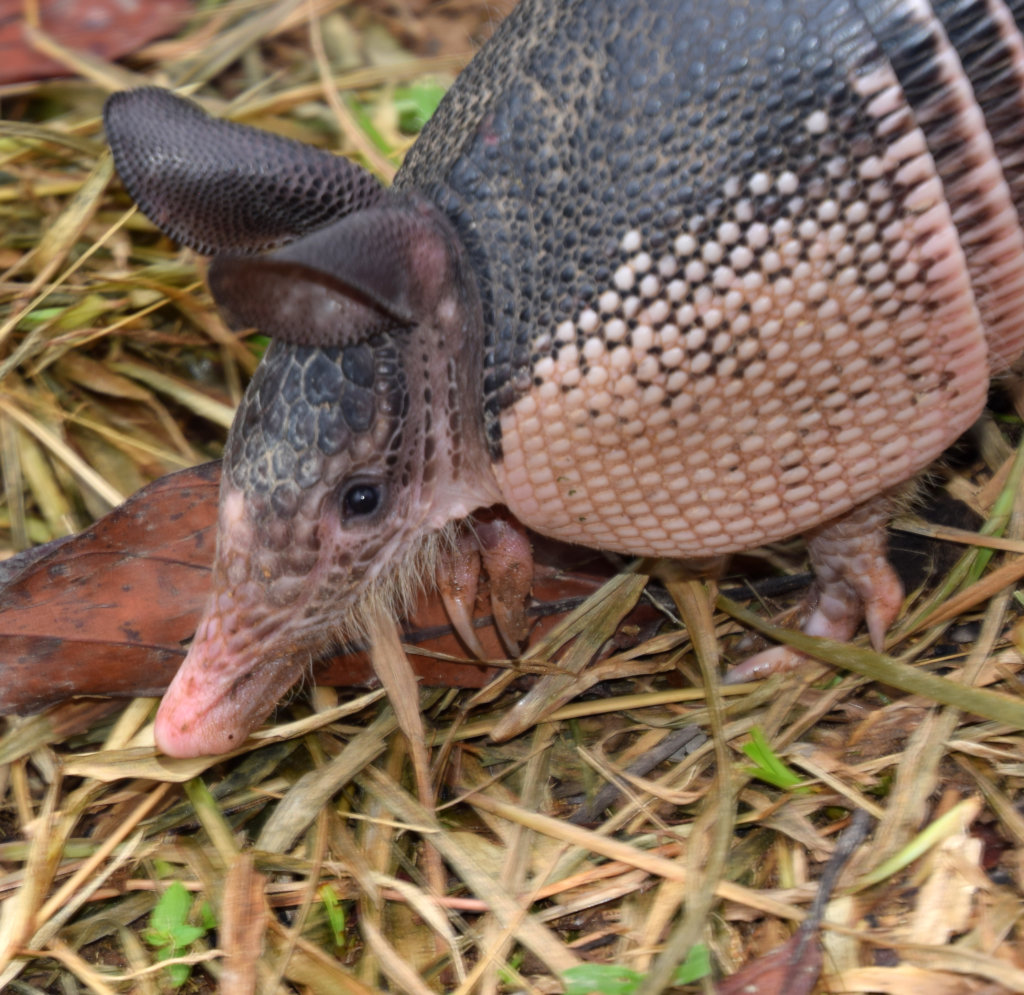
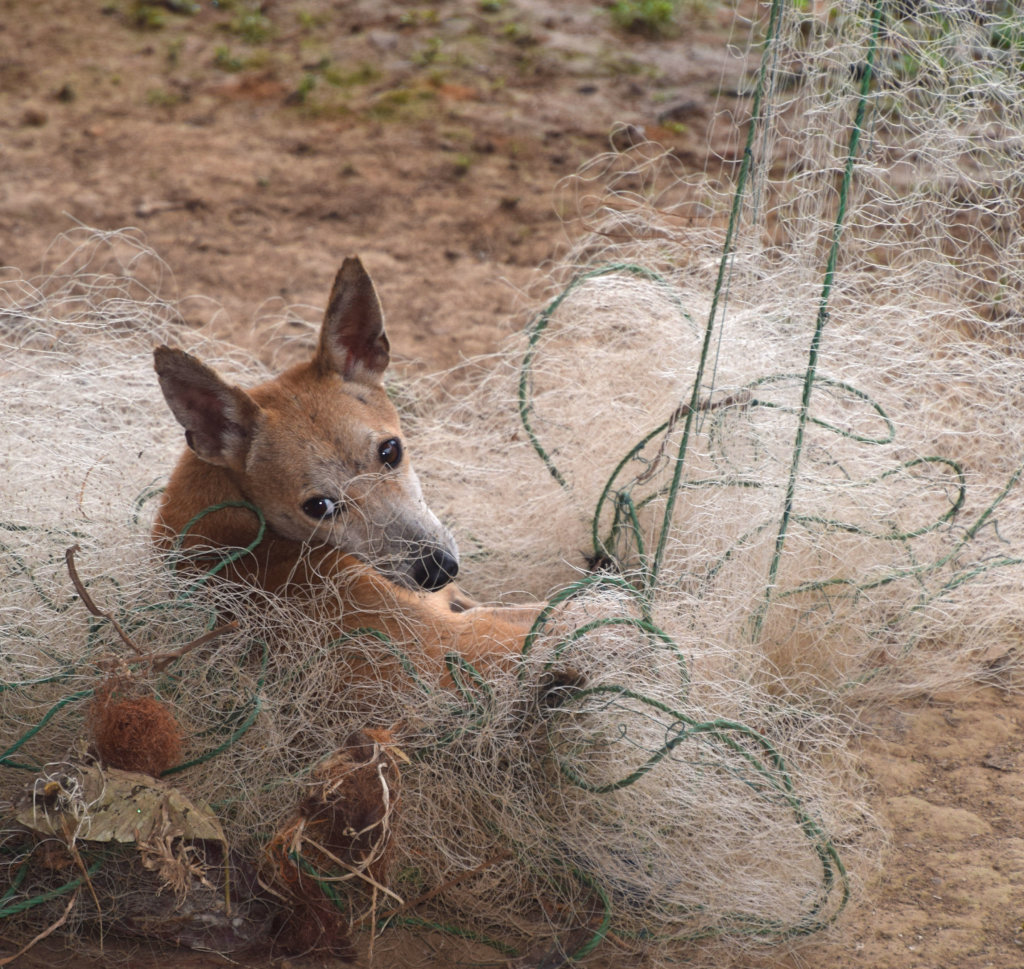
19, 20 & 21. Ancon Colonia is the village that is farthest up the Yaguasyacu tributary. I don’t go there often, but I am always amazed with the diversity of animal pets I find in this small community surrounded by forest. This time, I saw a boy and his sister share their affectionate embrace with a pet armadillo. When they released it to the ground, it immediately went into action scouring the ground for any worms, beetles or other tasty invertebrates. Dogs are also common pets, but I thought it was unusual to see one pooch enjoying a cushy shady spot on a tangle of fishing net under a house.
Thank you very much for your support of our project.
Links:
Project reports on GlobalGiving are posted directly to globalgiving.org by Project Leaders as they are completed, generally every 3-4 months. To protect the integrity of these documents, GlobalGiving does not alter them; therefore you may find some language or formatting issues.
If you donate to this project or have donated to this project, you can receive an email when this project posts a report. You can also subscribe for reports without donating.



Support this important cause by creating a personalized fundraising page.
Start a Fundraiser