By Tulio Davila (and Campbell Plowden) | Project Media Manager (and CACE Project Leader)
It was about ten o'clook in the morning when we spotted the port of Jenaro Herrera - the small town on the bank of the Ucayali river which was named after a famous Amazonian writer. The “rápido” (long narrow speed boat) slowed as we approached the metal floating dock where a bunch of children and adults anxiously waited with trays in their hands to sell us their products. Some did not even wait for our boat to stop before they jumped on. They crowded inside to offer packets of the town’s signature buffalo cheese and other refreshments to the seated passengers. When I finally managed to get off, I found Italo waiting with a smile and greeted him with a hug.
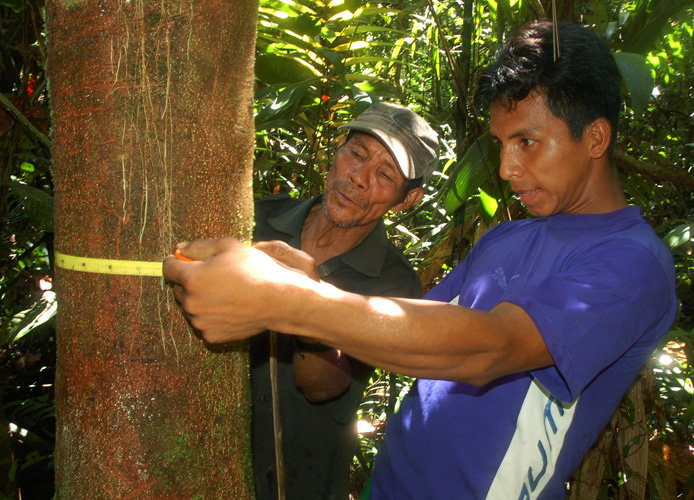
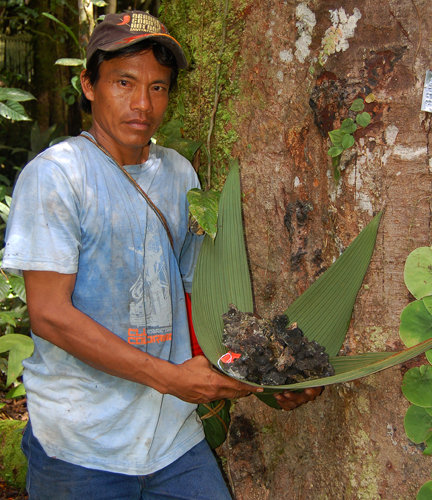
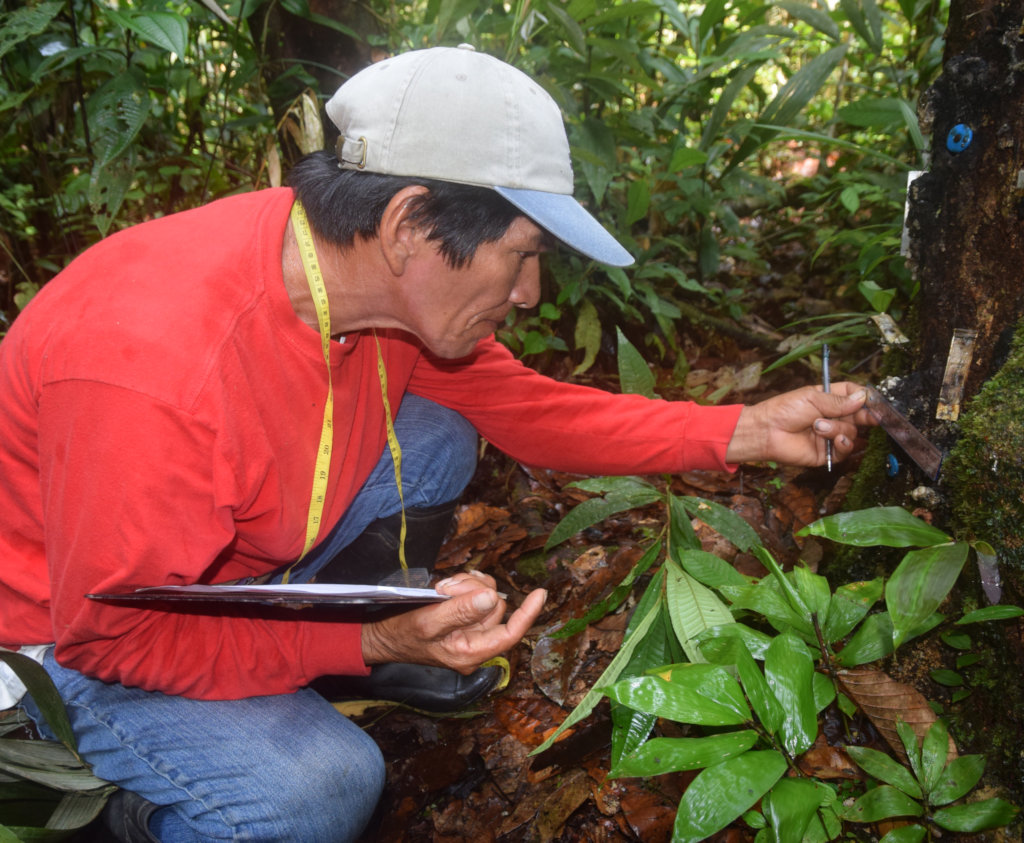
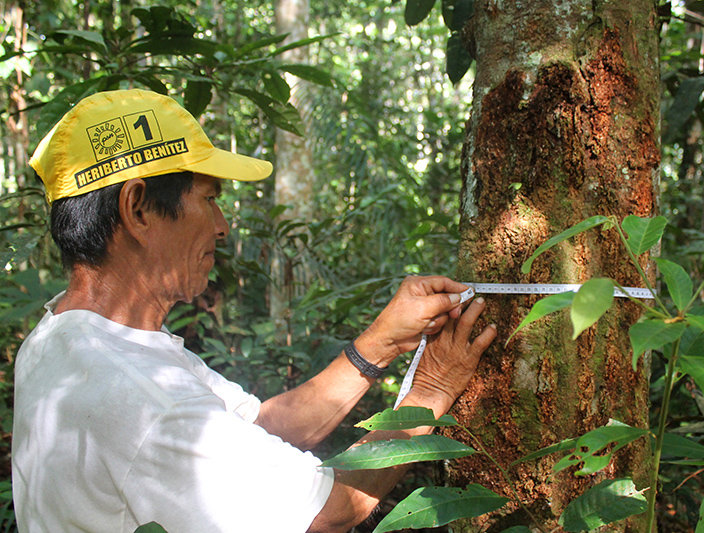
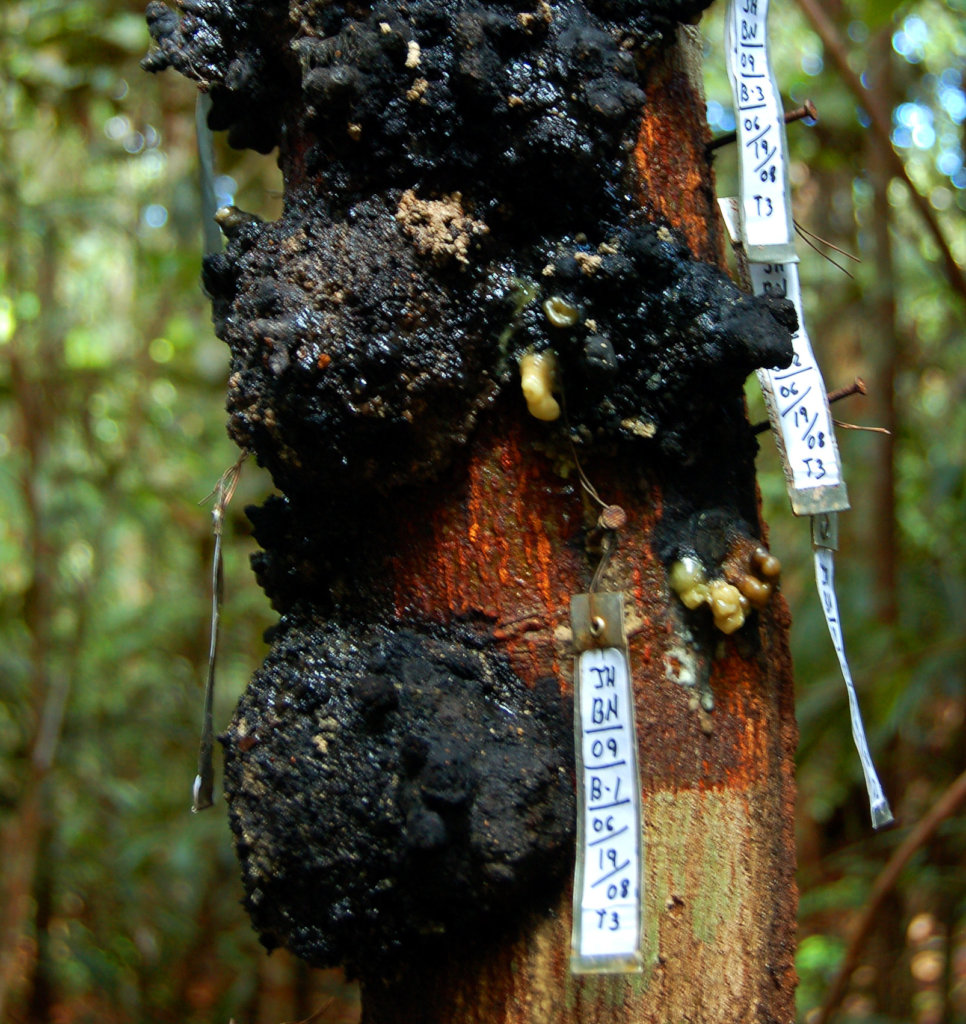
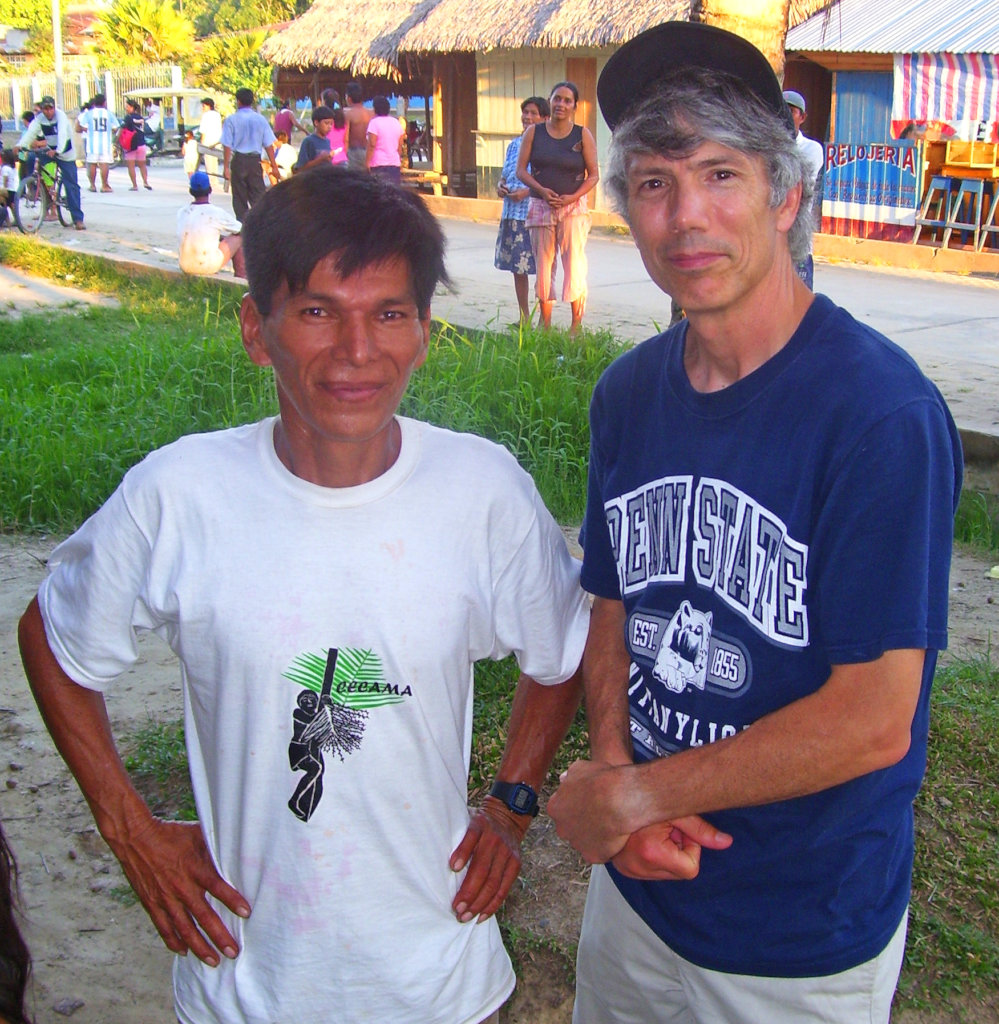
Italo has been working for CACE for eleven years. His face reveals his years of living in the forest and gives off a kindness that can not be ignored. He helped me carry my bags to the “hospedaje” (local inn) while we caught up on general topics like our family and health. Once I settled in a bit, we discussed our job for this trip. Italo has been observing the number, size and condition of the resin lumps on copal trees in our study areas in the government reserve on his own for the past three years and helping with every other phase of the research for even longer. While we had long hoped to develop a system to sustainably harvest these resin lumps and distill them to extract a novel and valuable essential oil, we finally had to accept that there were not enough of these trees or lumps in the forests around our partner communities for the enterprise to be profitable for the harvesters (See more details in our report: Letting go of the idea we love most). Before wrapping up our study in Jenaro Herrera, however, we wanted to get one more complete photographic record of the resin lumps on the trees we have been observing since 2007. We can use these photos to estimate how fast these resin lumps grow as the weevils inside them mature – key scientific information to better understand the relationship between copal trees, its resin and this specialized insect.
Very early the next day, I put on my boots, grabbed my camera, and found Italo waiting for me outside the inn. We took a “motocar” (three wheeled motorcycle taxi) to the government research center that is a few miles up the road that eventually reaches Brazil. The road is not paved, so the tires skidded on the muddy ground and jumped when we hit bumps and ruts. Once we got to the center, we entered the forest that provides a large study site for scientists and students. Immediately the mosquitoes came out in force to greet us. They made it clear that they reigned here; we were just passing through.
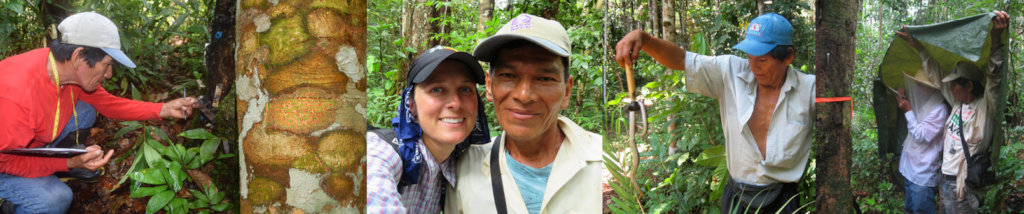
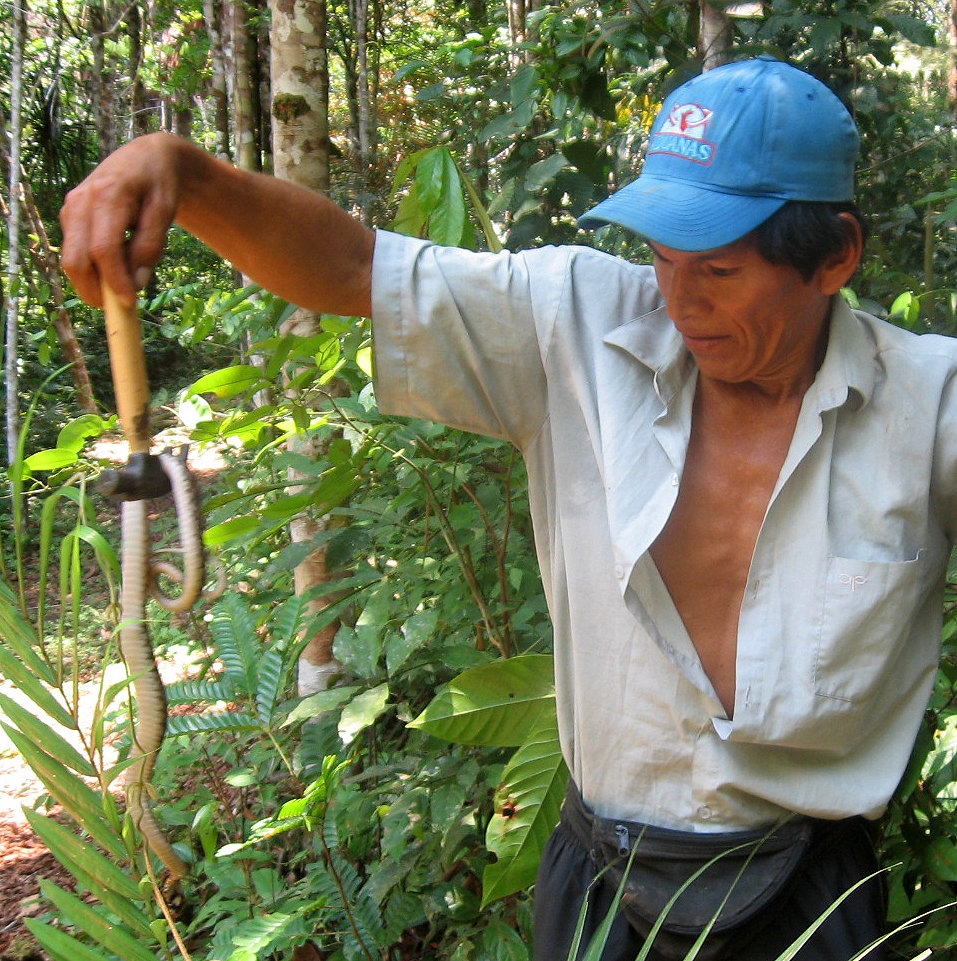
We walked for a long time under a thick cover of leaves that protected us from the sun, but not from the heat. The humidity was intense, and we were soon sweating profusely. Italo went ahead, paying attention to the trail and everything around it. His years of experience in this environment has remarkably sharpened his vision. He can spot a tiny frog hiding in the foliage meters away when others would only see scattered leaves. I trusted Italo to notice any snakes – my main fear of walking in the forest. When we finally arrived at the first copal tree of the day, I got my camera gear ready.
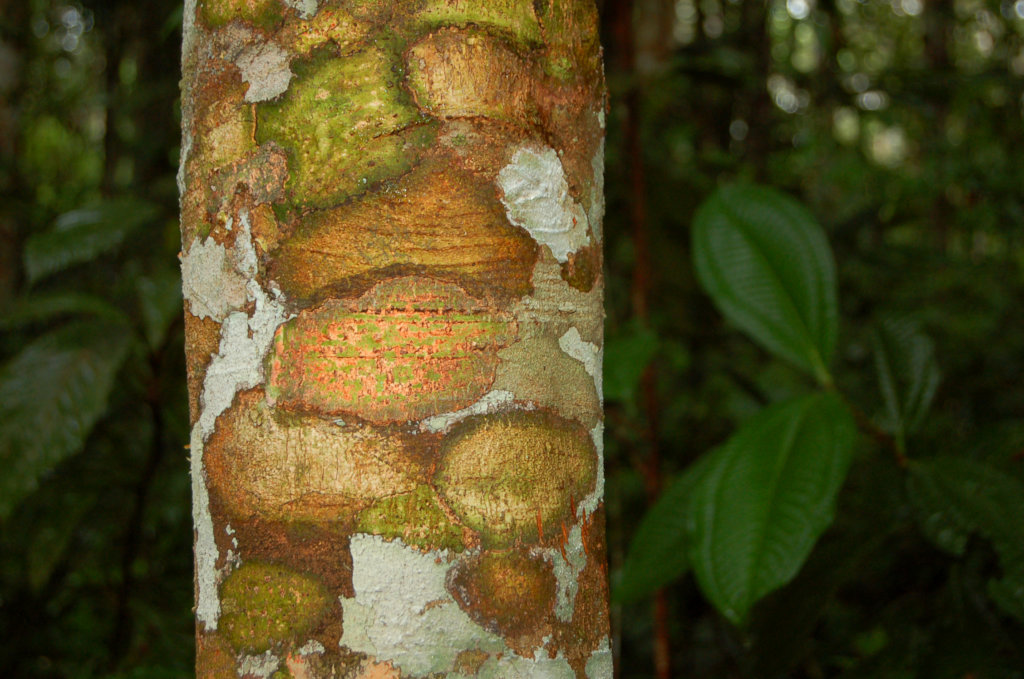
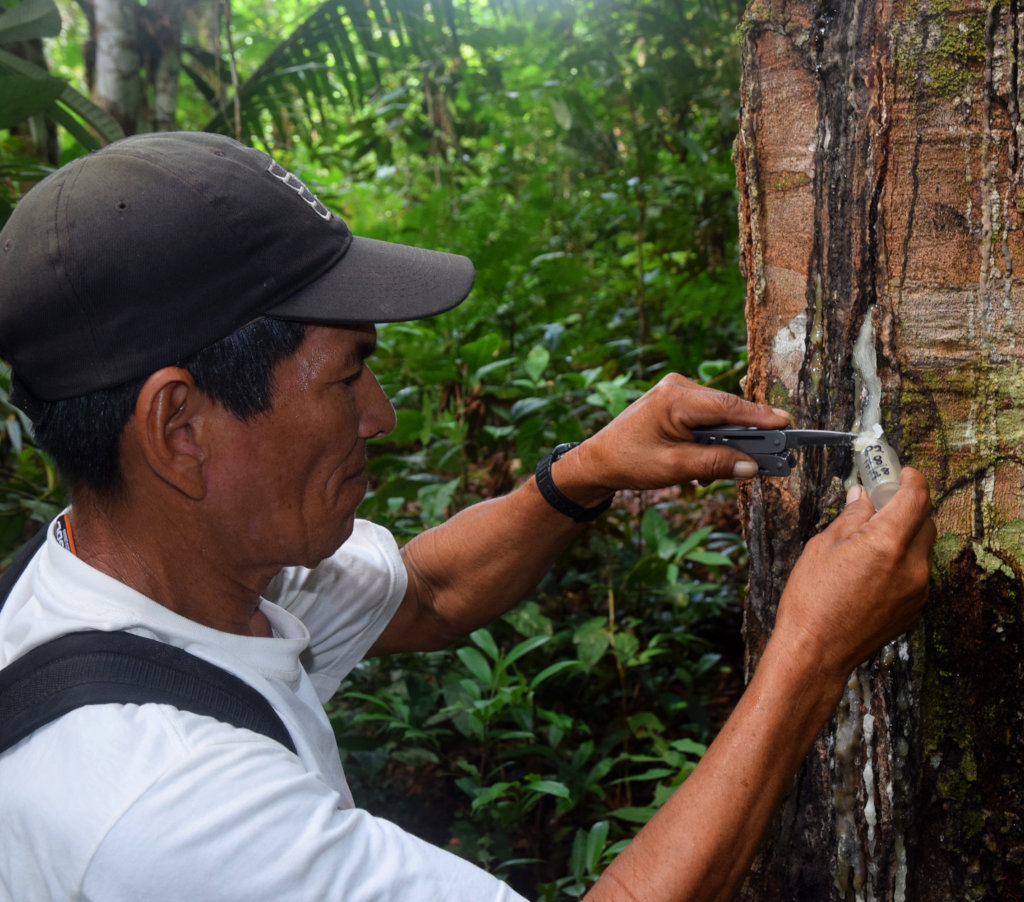
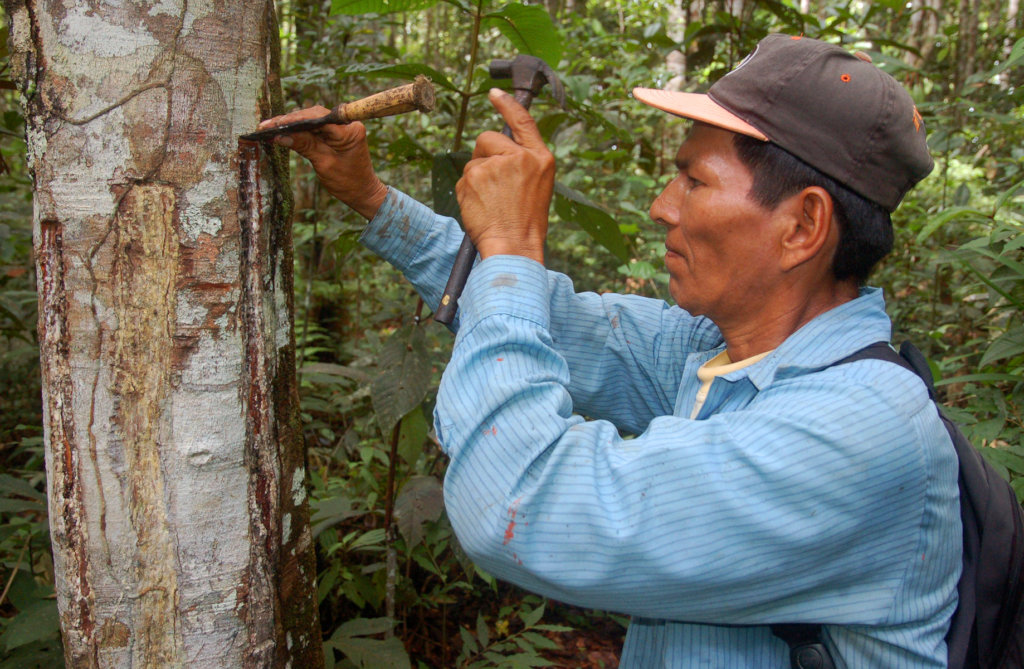
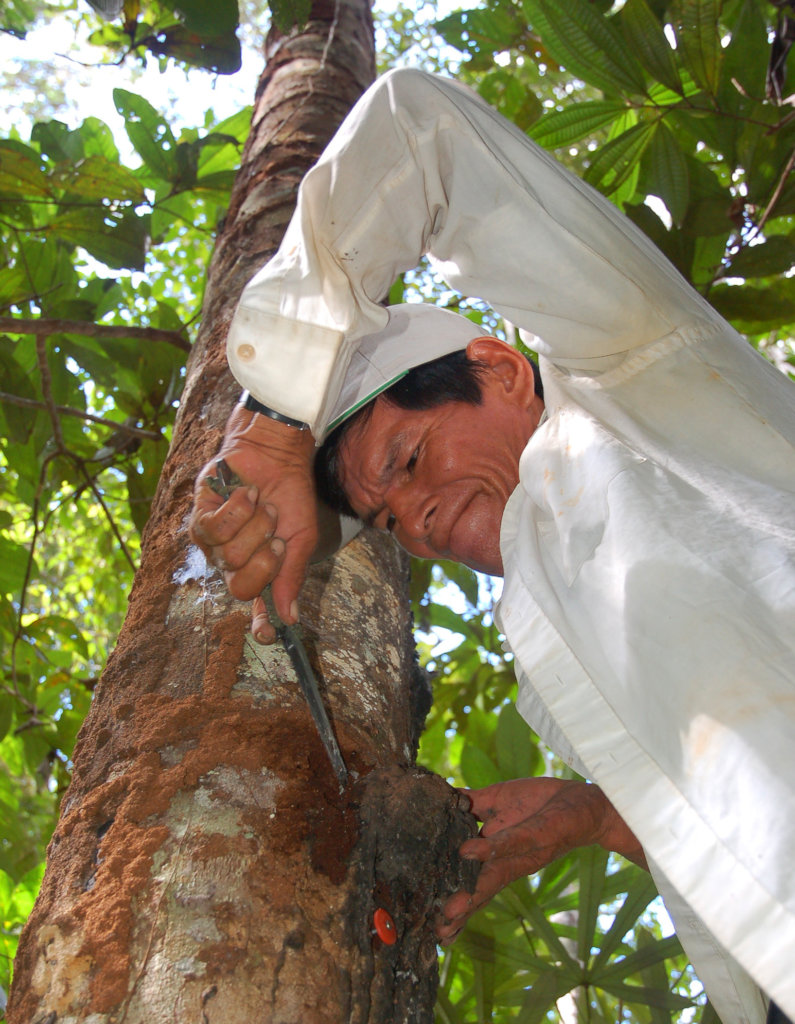
When the larva of these special weevils chews into the inner bark of copal trees to feed, liquid resin oozes out of the wound onto the outer bark of the tree. As the resin begins to harden, the larva pushes the sticky material to the side to create a protective chamber for itself as it develops over the next couple of years. I took photos of every resin lump we found and recorded the code number of the study tree. Some lumps were near the roots while others were higher up the trunk. Italo helped me steady a telescopic rod to photograph the lumps in difficult positions and record information about their condition. When we finished one tree, we moved on to the next according to a map that only exists in Italo’s head.
We spent another five hours walking through the forest, finding study trees, photographing resin lumps and using the opportunity to talk. Italo had countless stories to tell – things he has seen, things he has learned, how he respects nature and what these things mean to him. His words are full of the wisdom of an Amazonian woodsman, of a man of the jungle and sweat with alert eyes and tired feet.
While resting on a fallen trunk, Italo reflected, "You know Tulito, I have walked through the forest all my life. I have almost been bitten several times by poisonous snakes. I have gotten lost in the bush, and I have lost friends who walked into the woods and never came out. I have seen things that you would not believe. But you know, I would not change my life for any other. I have enjoyed focusing on copal because I have learned so much studying it with CACE. I have spent so much time observing the trees and resin lumps that it makes me feel good about myself. I know I'm not a professional, and I have not studied at a university, but I'm not going to feel bad about it. I like the life I have. I have assisted students and professors who have come from several universities to do their research here, and they have learned from me. How do I explain it? I am who I am thanks to the forest."
His words are full of pride, and I deeply appreciated that he shared them with me. Time has passed, though, so we stood up and carried on with our work since we still had to visit several hundred more trees.
When we finished for the day, we headed back to the research station. There was no motorcar at the entrance to take us back to town, but we hadn’t really expected to find one. We walked along the road under the attentive gazes of water buffaloes who were accustomed to people and did not flinch as we passed. Back at the inn, taking off my boots and resting my tired feet was one of the great pleasures in my life.
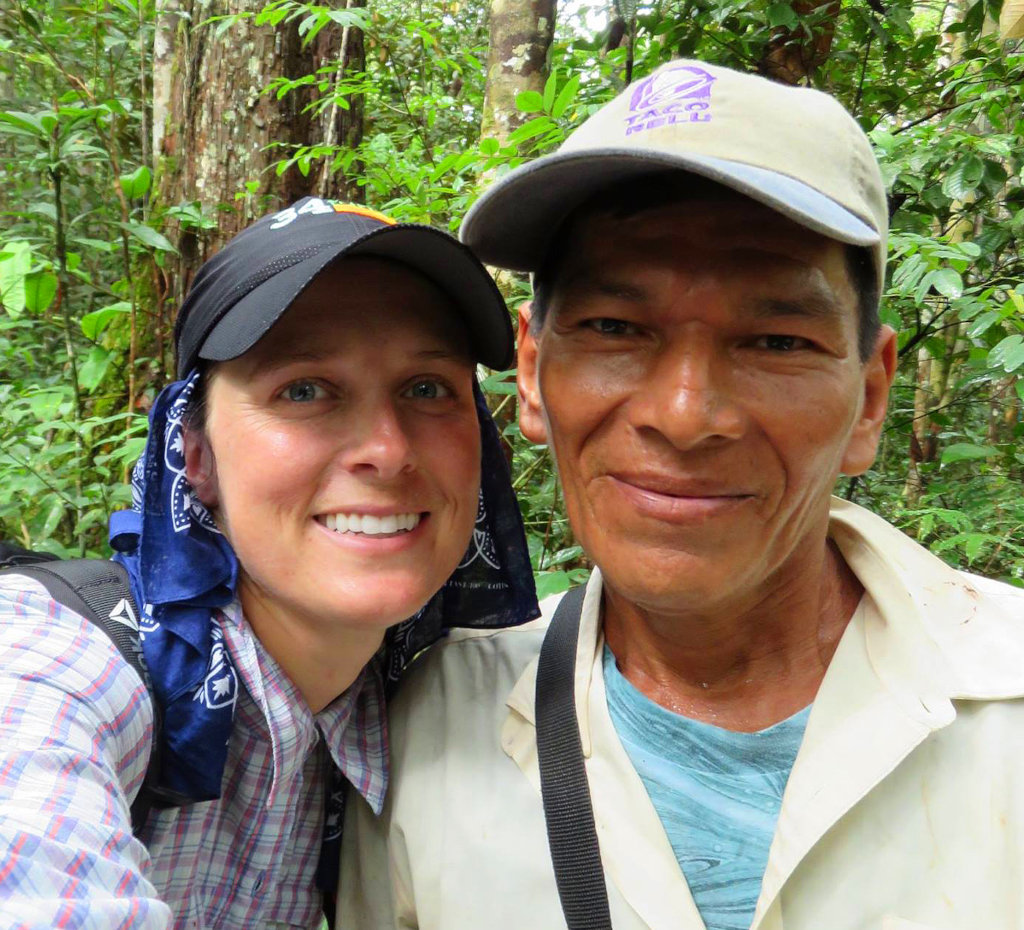
We repeated this pattern for several more days. My tasks became routine, but the forest did not. The forest always seemed to have something to say, just like Italo. While I was used to the rhythm of the city, the change from its fast pace to the life here was memorable. Not everyone has the chance to walk through the Amazon rainforest or to share this experience with someone whose life is the forest. The time finally came to say goodbye to Italo and my other friends in Jenaro Herrera and go home with my own stories to tell.
Links:
Project reports on GlobalGiving are posted directly to globalgiving.org by Project Leaders as they are completed, generally every 3-4 months. To protect the integrity of these documents, GlobalGiving does not alter them; therefore you may find some language or formatting issues.
If you donate to this project or have donated to this project, you can receive an email when this project posts a report. You can also subscribe for reports without donating.



Support this important cause by creating a personalized fundraising page.
Start a Fundraiser