By Campbell Plowden | Project Leader & Executive Director
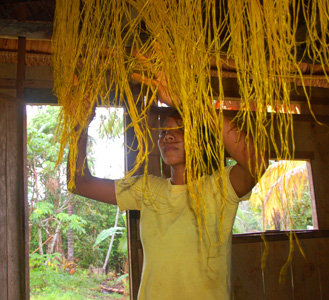
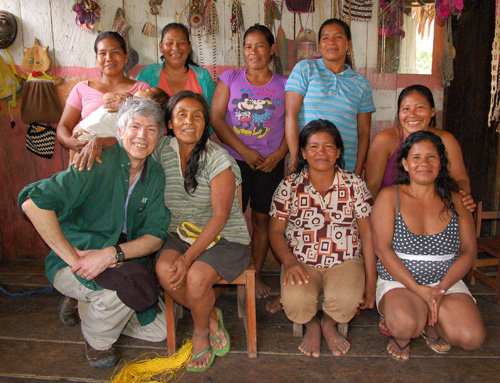
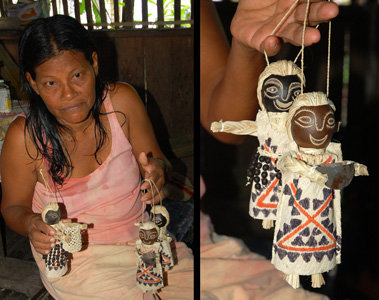
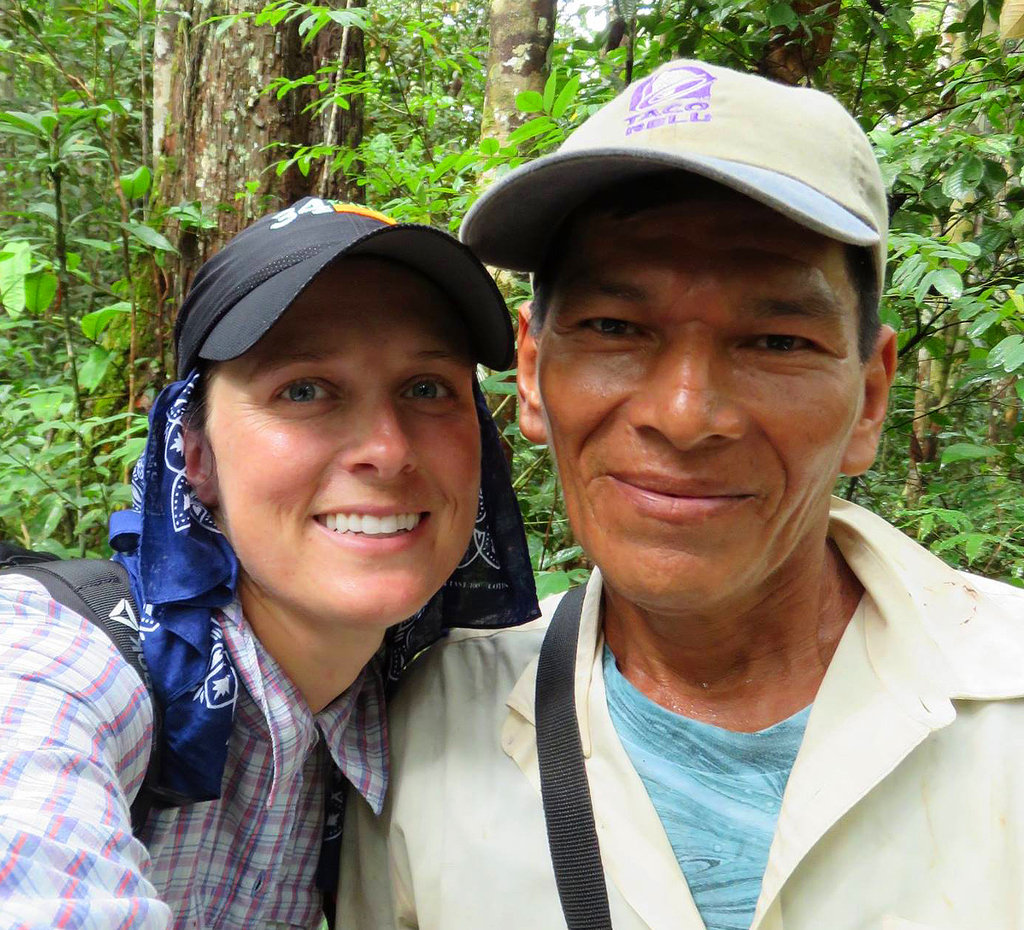
Thank you very much for your support for our project 'Grow Amazon artisan income & Peru rainforest trees' through GlobalGiving. I am very proud of the work that our project manager Yully does with our partner communities in Peru every month, but sometimes a short-time volunteer can make a big difference as well. This past spring we welcomed Tracy to work with us as an Amazon Field Volunteer for ten days. While approaching her 34th birthday, she decided to take a year off from her career path in marketing and communication to do community service with 34 non-profit organizations around the world in a project called ThirtyFortunate (https://www.facebook.com/34tunate). I am very grateful that Tracy helped me tag and catalogue hundreds of handicrafts in Iquitos for several days. She made an extra special contribution to our efforts, however, when she took the 12 hour trip by lancha (300 person ferry boat) from Iquitos to the town of Jenaro Herrera to help our copal research project.
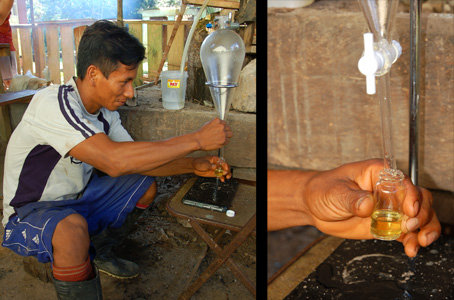
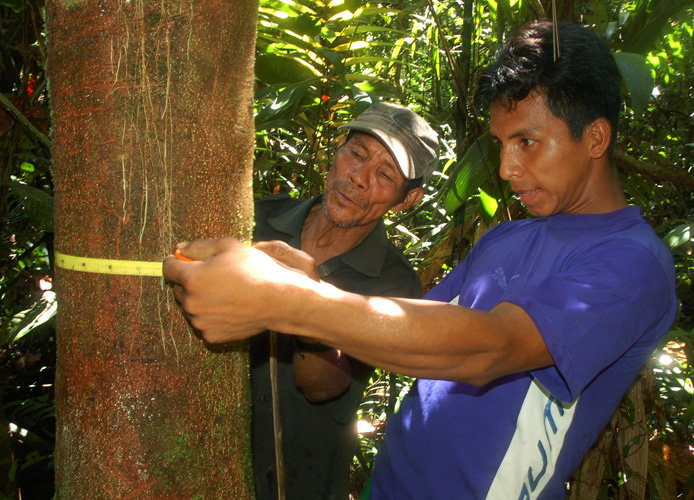
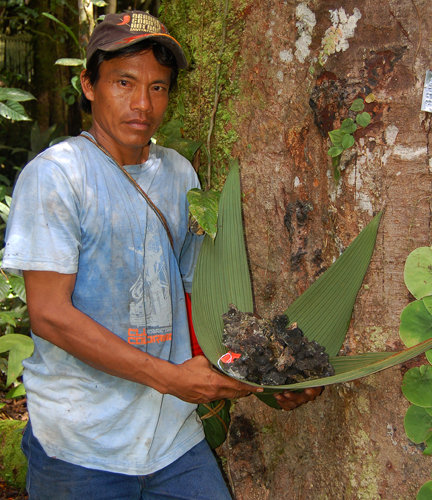
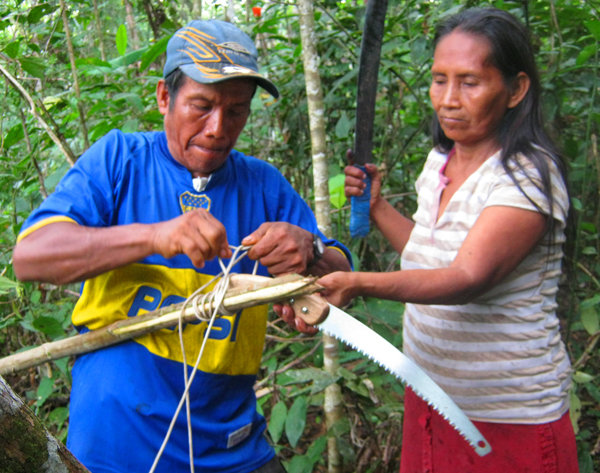
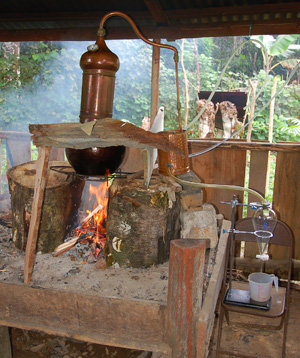
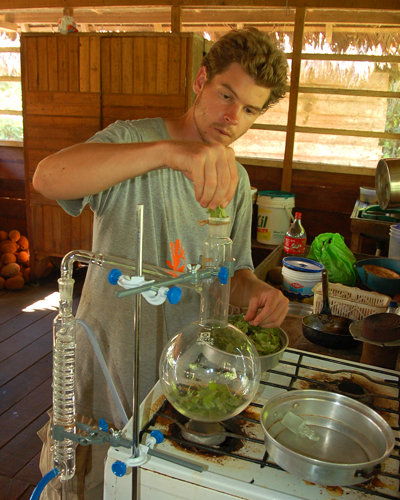
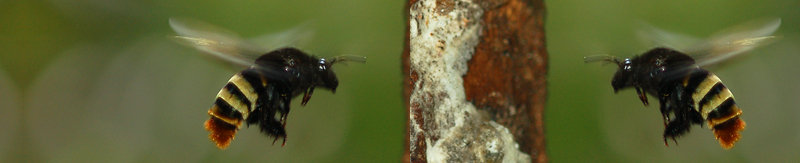
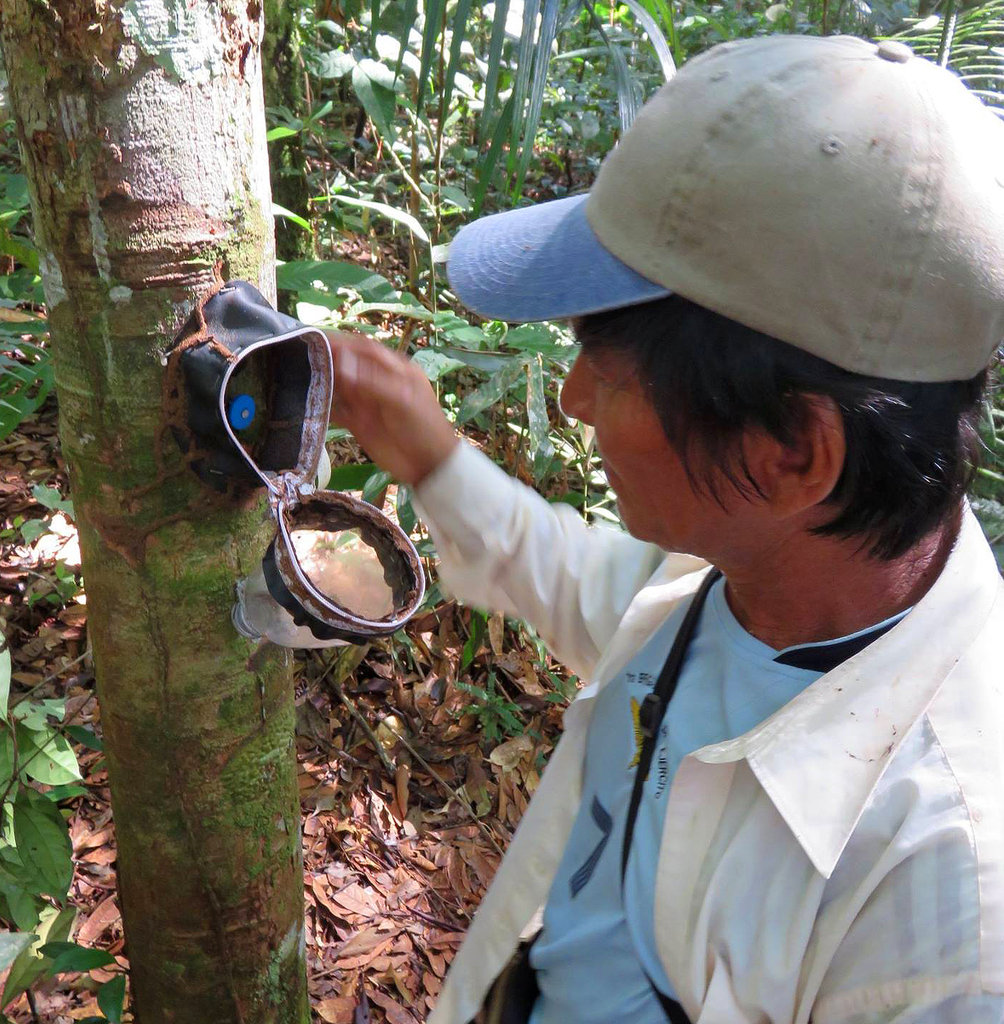
We have been studying the ecology and sustainable harvest of copal's aromatic tree resin for the past nine years. The resin exudes onto the trunk when previously unknown species of bark-boring weevils chew into the inner bark to feed. This resin repels most insects, but these weevil larvae shape the resin into a protective chamber for themselves as they mature. Many types of bees collect this resin to build and defend their nests. While Amazon people usually harvest these lumps to caulk their wooden boats or make crude incense, we are distilling this resin to produce essential oil that native and campesino communities can sell to make money without cutting or burning the forest. To try and develop methods for sustainably harvesting this resin, we have periodically harvested some lumps and then track how long it takes for the weevils and the resin lumps to recover.
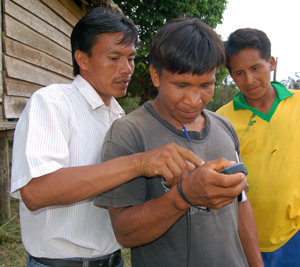
Our copal project manager who has a degree in agronomy is now analyzing thousands of digital photos taken during the first phase of the study so we can publish our initial results and use them to guide our community-based copal projects in the Ampiyacu and other areas. Since we want these local enterprises to be viable for many years, we have called on our long-time field assistant who I will call Alanzo to continue monitoring the recovery and growth of the resin lumps with low cost and low tech tools – i.e. a pen and paper.
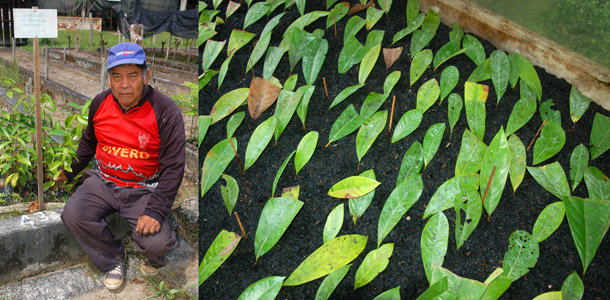
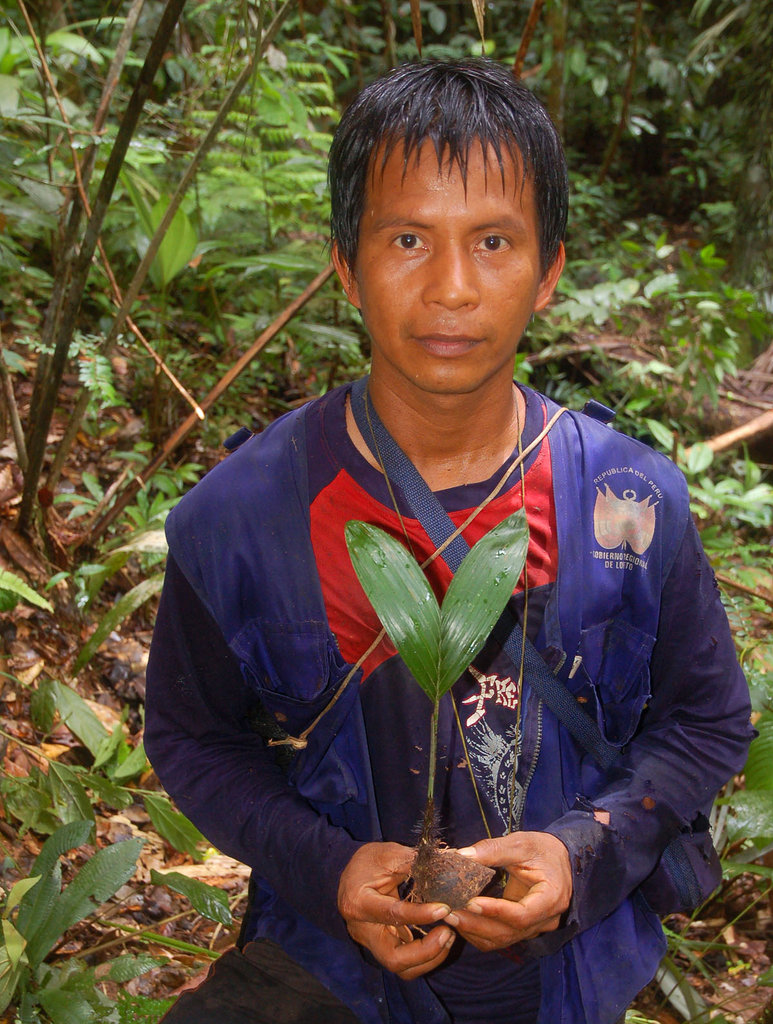
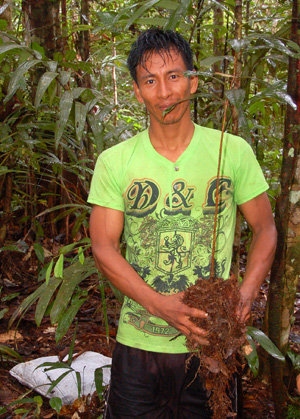
Like many people who grow up in rural forest communities, Alanzo only completed 8th grade in school. He was an excellent woodsman, but instead of becoming a full-time farmer or fisherman, he wanted to support his family by assisting researchers who came through the government research station at Jenaro Herrera. During the years he worked with us, he was a keen observer of nature, creative and meticulous with physical tasks, and reliably recorded numerical data. What I only learned recently, however, was that he was almost illiterate. We are trying to help him fill this gap, but we needed to find a way for him to do his job well in the short-term.
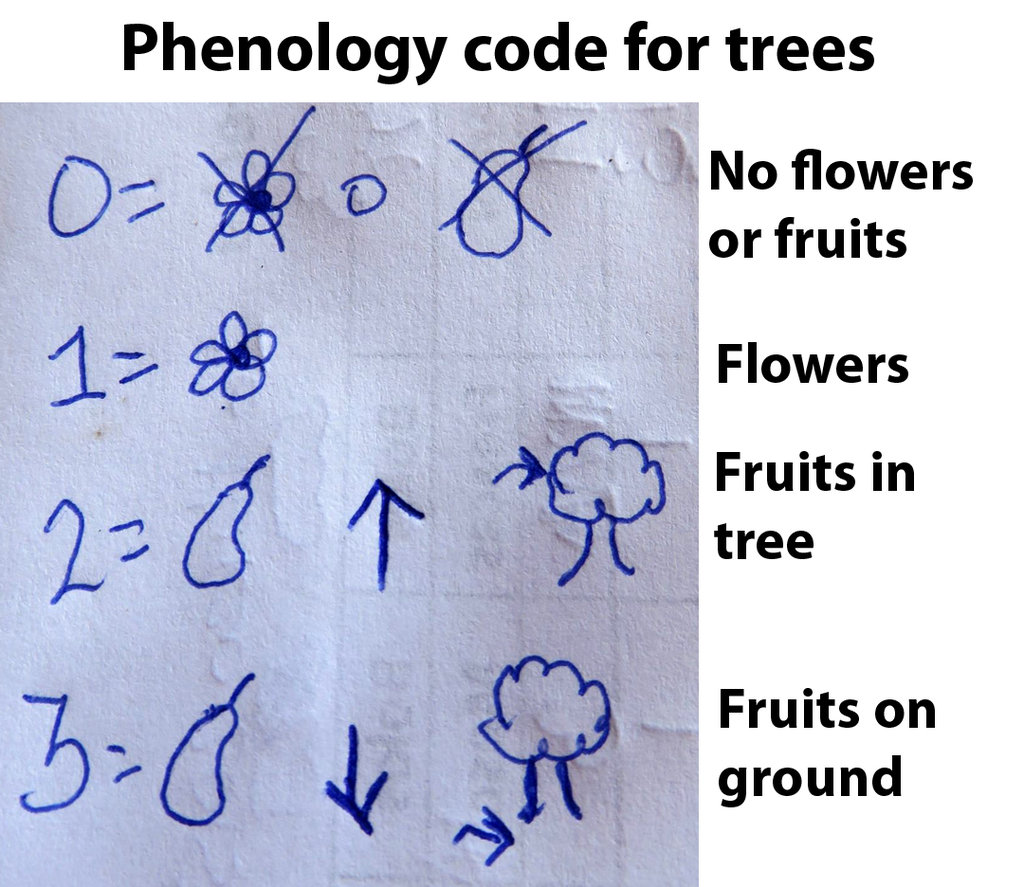
Our volunteer Tracy found a simple and creative solution to Alonzo's need. While the data collection sheet that I designed for Alonzo had words on it, Tracy added simple illustrations to signify the different options he would need to write. For resin condition, there is a 1 next to a drawing of a white lump (meaning it is fresh and sticky), a 2 next to a lump that is partially grey, and a 3 next to a lump that is black (meaning it is old and dry). The same system is used to indicate different stages of tree reproduction (whether it has flowers or fruits) and other variables. She then spent two days walking with him in the forest to make sure he was confident and competent using these tools to record his observations. At the end of her visit, Alonzo said, "I was embarassed that my difficulty reading made some things so hard for me. I am happy that I can do this job well now my own."
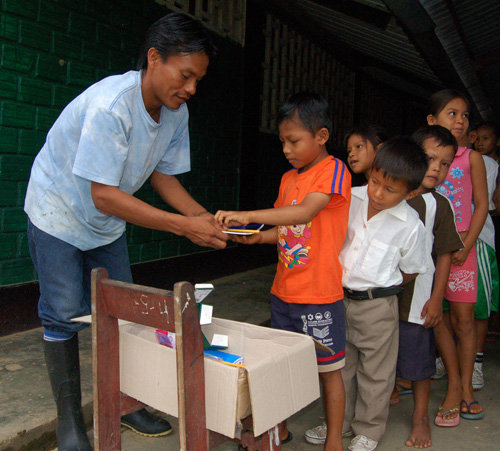
We sometimes work with student interns from the local university to help us with certain tasks, but I feel it is very important to empower the people who live in the forest to be directly involved with these studies since they are the ones who will ultimately decide its fate.
Thank you very much for your support that makes this project possible. Donations made to our project at www.AmazonAlive.net early on Wednesday, July 15 (GlobalGiving Bonus Day) will receive a 50% matching donation from other sponsors.
Best wishes,
Campbell PlowdenExecutive DirectorCenter for Amazon Community EcologyProject reports on GlobalGiving are posted directly to globalgiving.org by Project Leaders as they are completed, generally every 3-4 months. To protect the integrity of these documents, GlobalGiving does not alter them; therefore you may find some language or formatting issues.
If you donate to this project or have donated to this project, you can receive an email when this project posts a report. You can also subscribe for reports without donating.



Support this important cause by creating a personalized fundraising page.
Start a Fundraiser