By Tim Straight | Founder and Executive Director
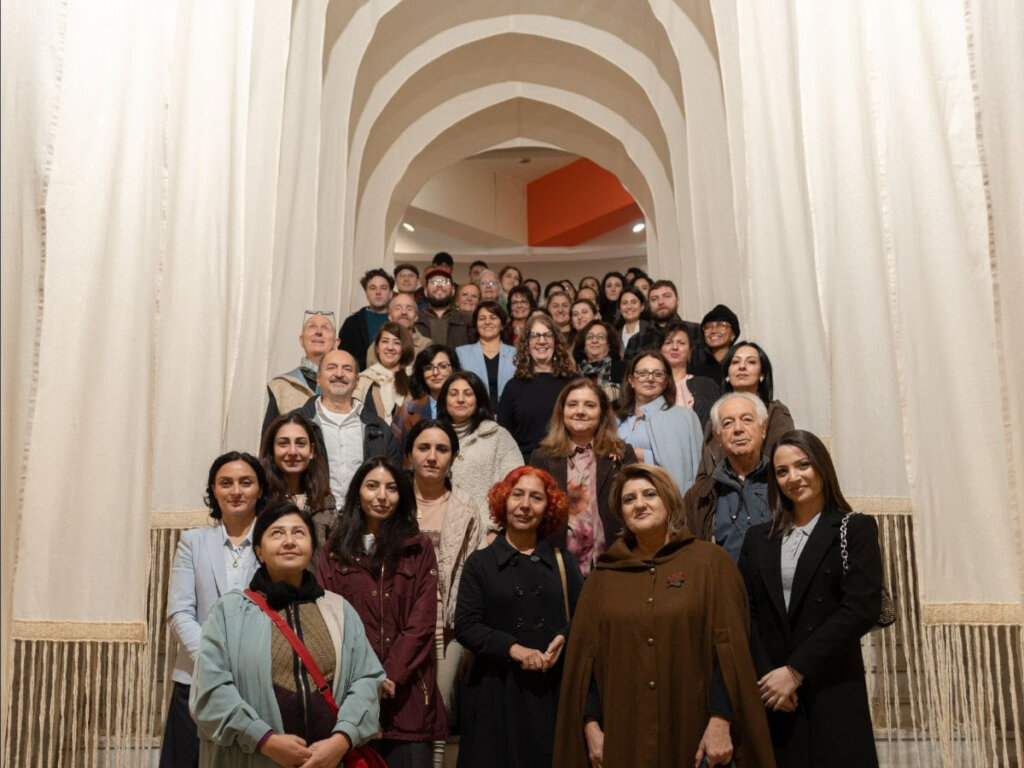
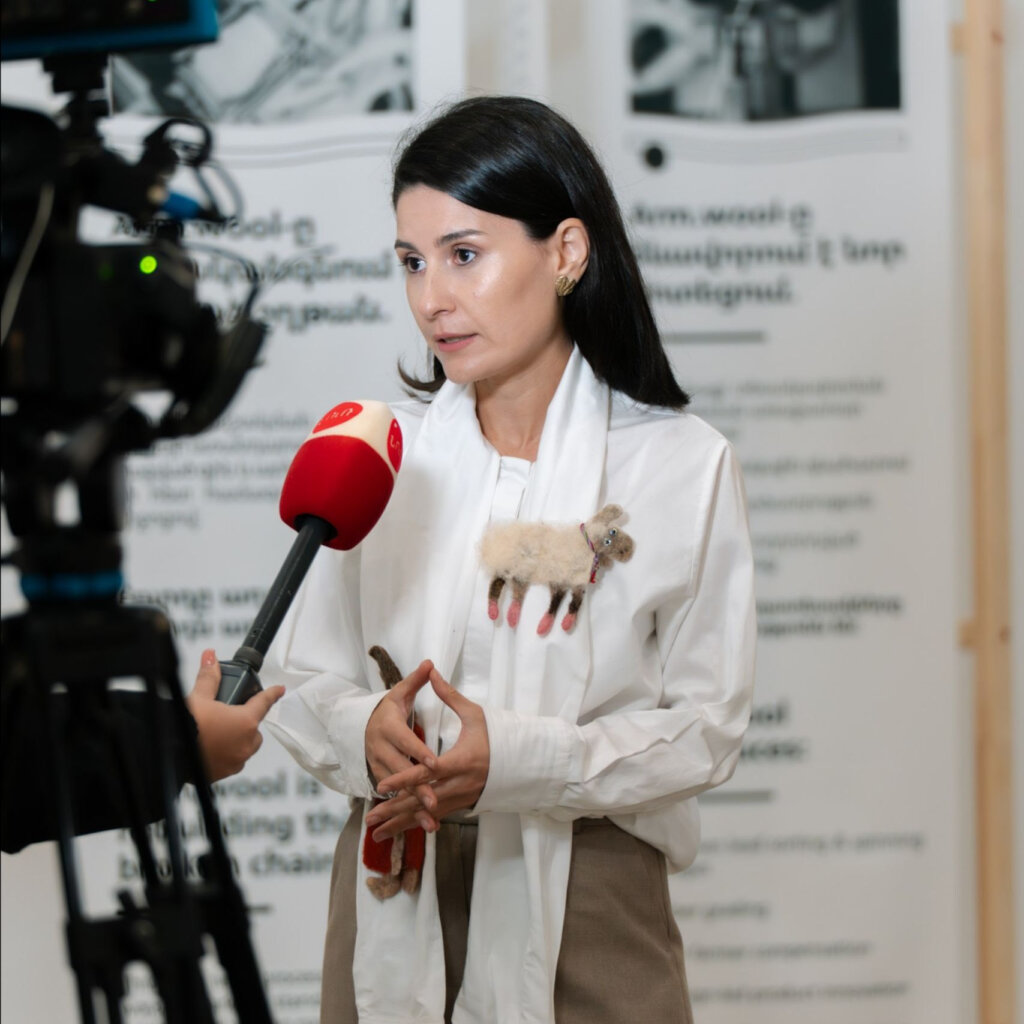
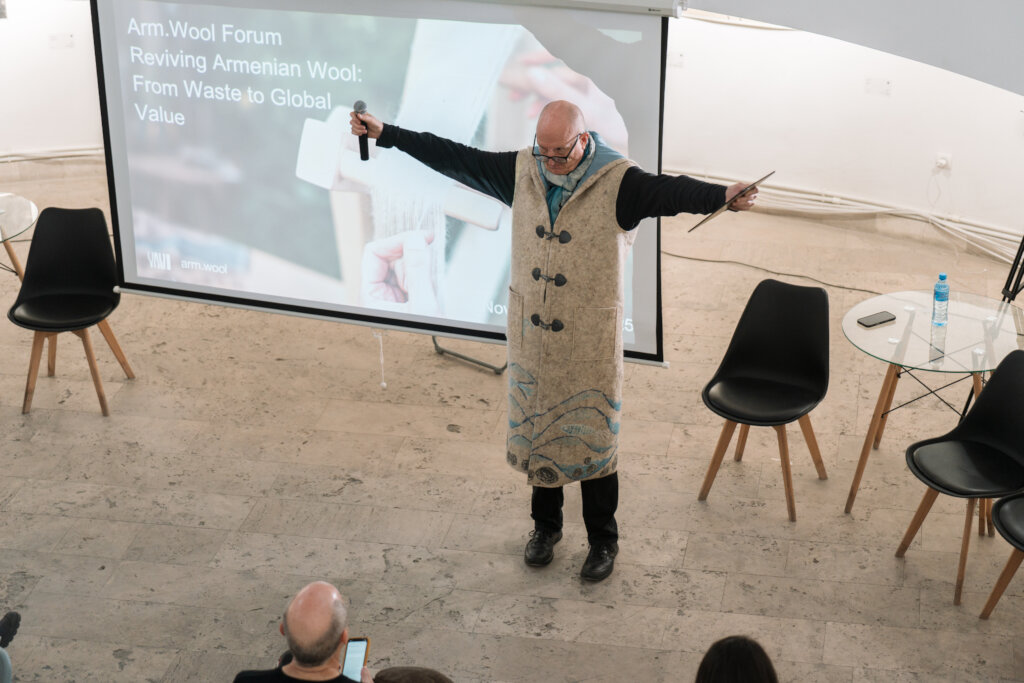
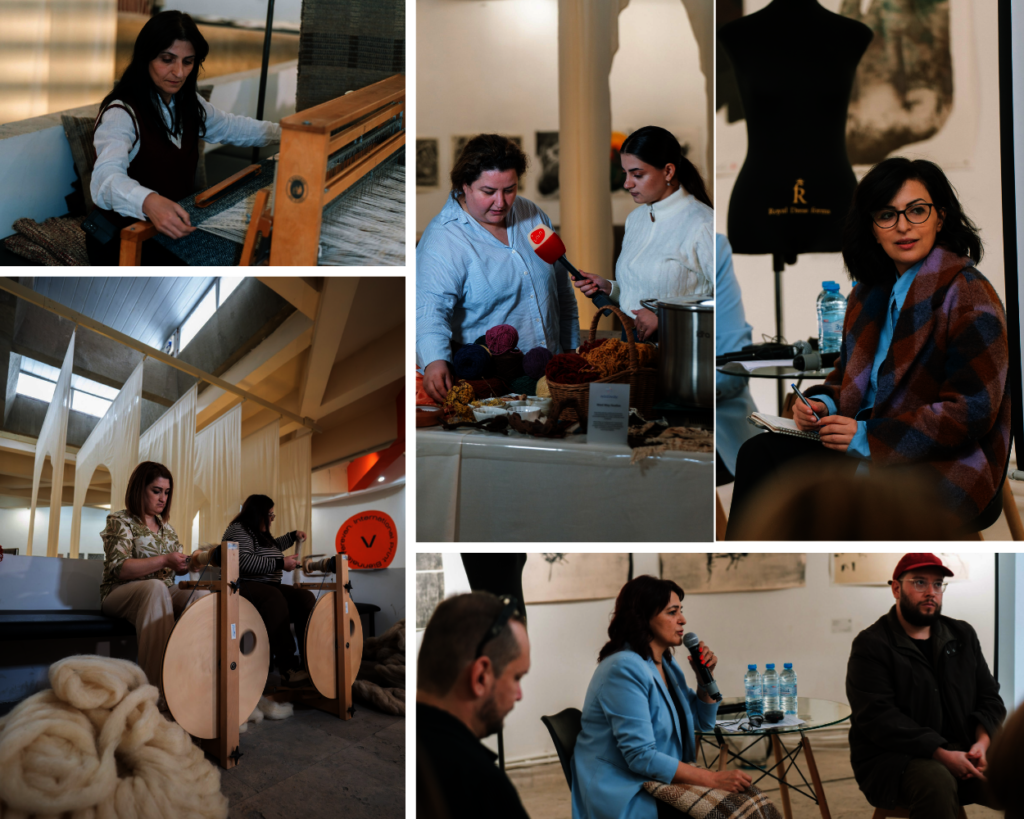
From November 17-20 at HayArt Center in Yerevan, HDIF convened Armenia's very first Armenian Wool Forum. Hosted by the Arm.wool project, the forum brought together leading experts, designers, and practitioners to share their knowledge and discuss the future of wool in Armenia and beyond. Activities included talks, presentations, and panel discussions.
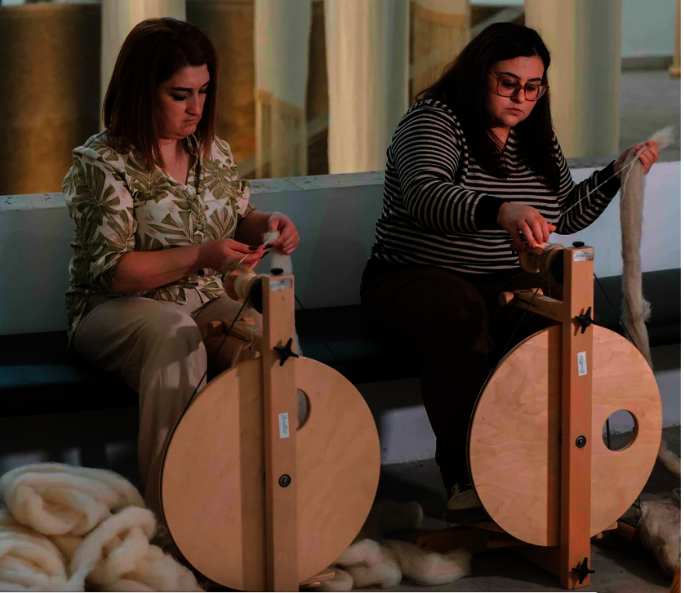
The lead organizer was Ani Mkrtchyan, who has spearheaded HDIF's wool development project since the start. Arm.wool has made enormous strides to create a circular economy in the treatment of sheep, wool, dyeing, and spinning. The event was organized in partnership with Robert Meader from The Institute for Future Creatons and Daniel Harris from The London Cloth Company, and supported by leading international experts. The forum included an exhibition open to the public, where visitors explored, touched, and experienced wool products, heritage crafts, and contemporary innovations.
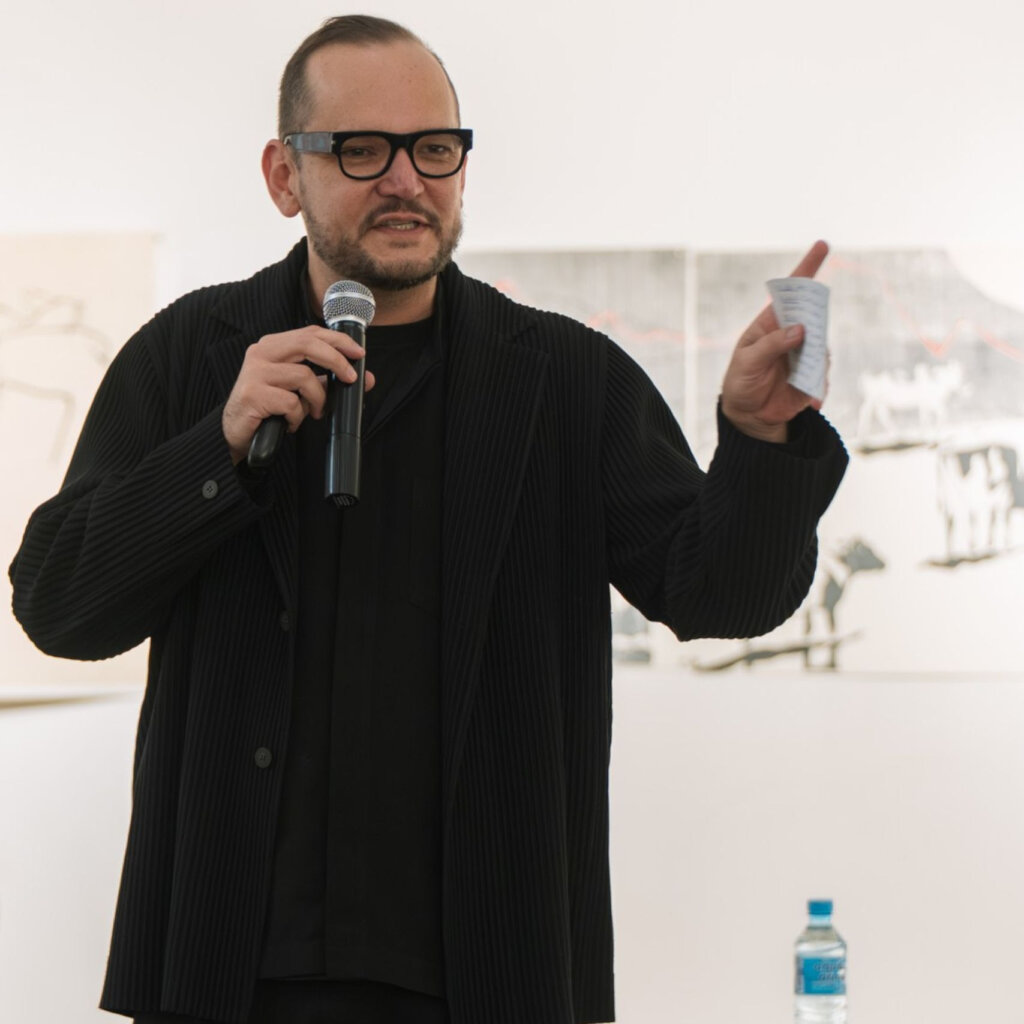
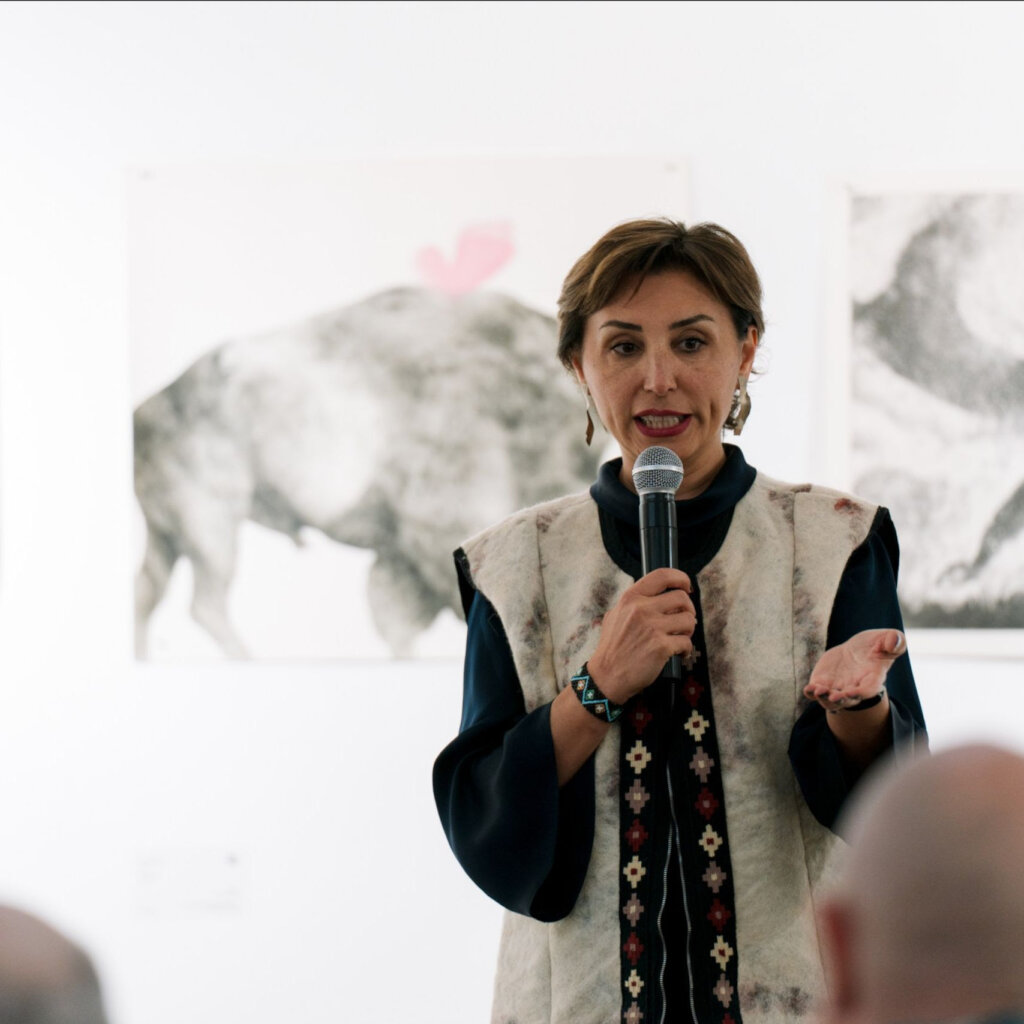
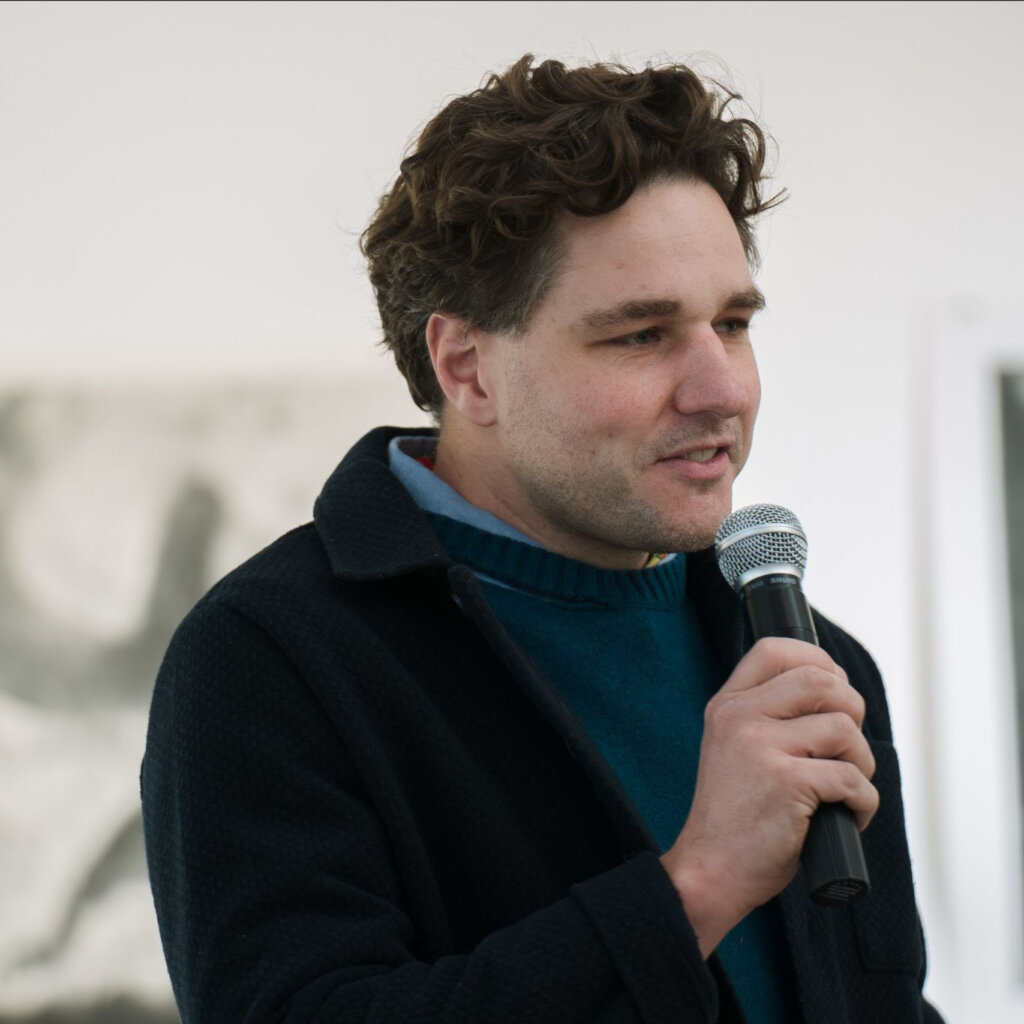
The Mistress of Ceremonies was HDIF Board Member Lucineh Kassarjian. Opening remarks were delivered by HDIF Founder and Executive Director Timothy Straight. He emphasized the importance of developing best practices for shepherds, carders, spinners and weavers to improve Armenia's wool value chain. He also touched upon the need for government collaboration, a theme repeated many times throughout the conference.
Mkrtchyan's presentation focused on the growing global demand for traceable, ethical, and sustainable wool — in apparel, interior design, and slow fashion. She also discussed how this revitalization is contributing to core sustainability for Armenia's cultural traditions, economy, social development and environmental impact.
Meader discussed blockchain technology and craft communities. He described blockchain as a digital passport - a marriage between technology and craft - where Armenian wool becomes fully traceable from sheep to product, makers receive recognition and fair pay, waste becomes value, and environmental impact becomes measurable. Thus Armenia becomes a global reference for craft transparency.
Nairi Khatchadourian from AHA Collective spoke about a new phase of carpet production where the ancient art of weaving finds synergy with contemporary art. Karine Bazikyan from the Museum of Folk Arts traced the lineage of the Armenian wool heritage. A fact echoed by other presenters, she noted that during the Soviet era, folk art traditions previously practiced in every day life were lost and their revival should be done in collaboration with the government.
The first afternoon panel was moderated by Diana Hovhannisyan from Folk Arts Hub. Participants were Bernadatte Damhuis from PUM Netherlands, Nairi Khachadourian from AHA Collective, Sevak Khachatryan from Artsakh Carpet, Anush Zeinalian from OCHRE, Ruzanna Torozyan from Goris Handmade, and Lusine Bagiryan from Tufenkian Carpets. Discussion topics included difficulties in sourcing raw materials, how to promote handmade craftsmanship as well as industrial yarn production, introducing new breeds of sheep in Armenia, and a new "AI" concept, called "Artisanal Intelligence," where the government offers lessons in schools to develop a modern carpet-weaving profession.
The second afternoon panel was moderated by Tim. Participants were Ruzanna Torozyan of Goris Handmade, Gea Eleveld of PUM Netherlands, Kyle Khandikian from The Rug Code, and Hayk Oltaci from Woolway LLC. Topics included export challenges, developing natural dyes, upcycling wool remnants to make felt rugs, and creating jobs along the wool value chain.
Harris, the afternoon's keynote speaker, is the leading advocate for the revival of heritage textile practices. He described his work in revitalizing weaving mills in Britain, Wales, and Spain. His work preserves the craftsmanship of traditional weaving while integrating sustainable production methods for a modern world. He noted that Armenia has great potential in this sphere.
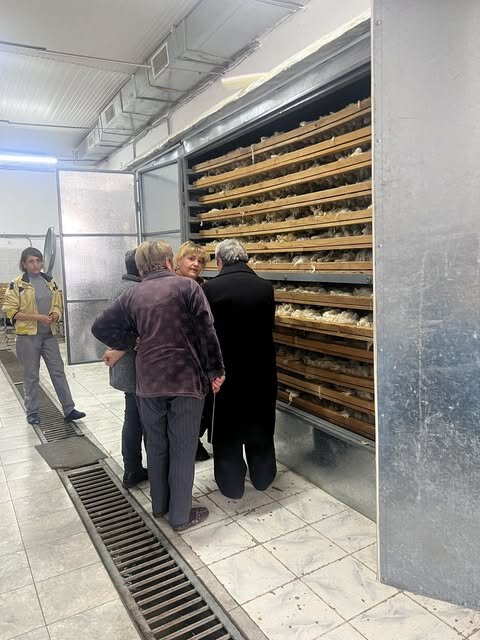
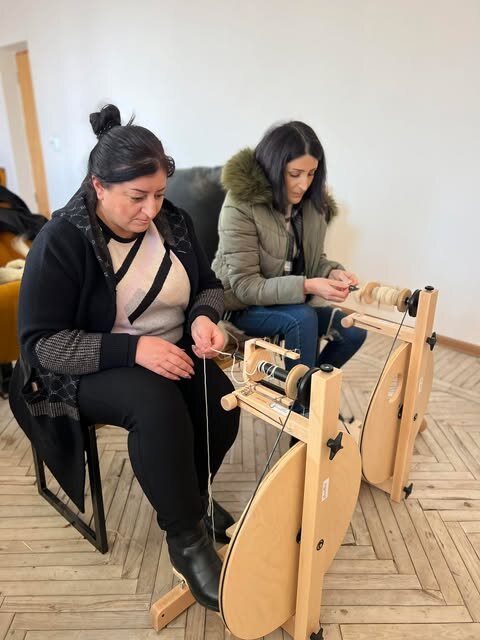
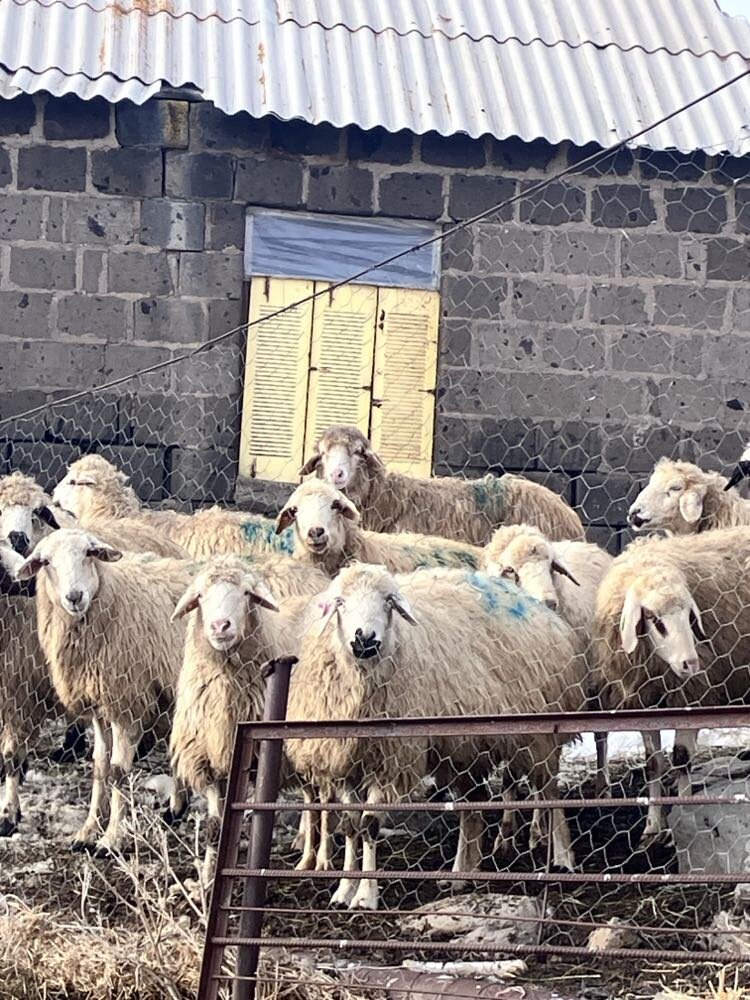
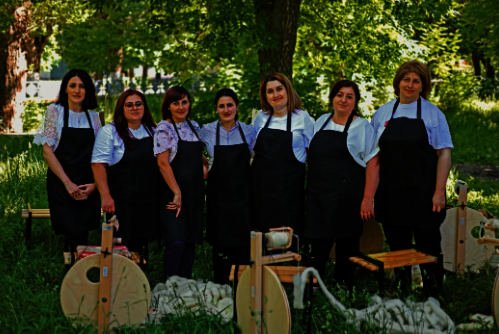
Arm.wool aims to revitalize the Armenian wool industry by working with local farmers, artisans, and international partners to create a more sustainable and profitable system. This project is currently being carried out in Amasia, where sheep herders, shearers, and yarn spinners have been brought together drawing on local talent and resources. Arm.wool clients currently include Wool Way, The Rug Code, Ari Khtsoresk, and others.
Links:
Project reports on GlobalGiving are posted directly to globalgiving.org by Project Leaders as they are completed, generally every 3-4 months. To protect the integrity of these documents, GlobalGiving does not alter them; therefore you may find some language or formatting issues.
If you donate to this project or have donated to this project, you can receive an email when this project posts a report. You can also subscribe for reports without donating.



Support this important cause by creating a personalized fundraising page.
Start a Fundraiser