By John Dalton | Arogya Agam's Founder
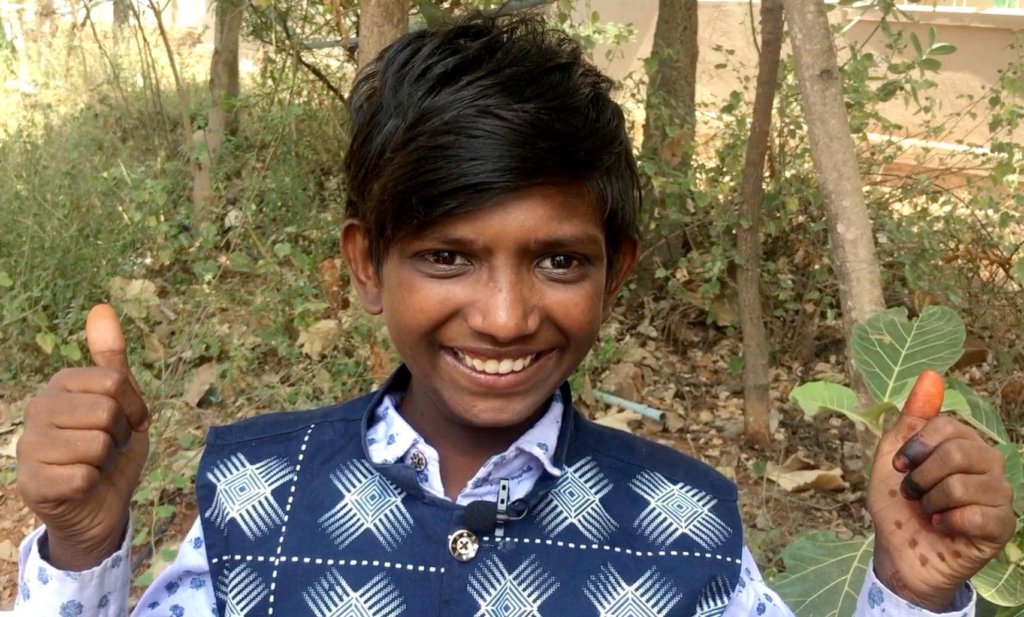
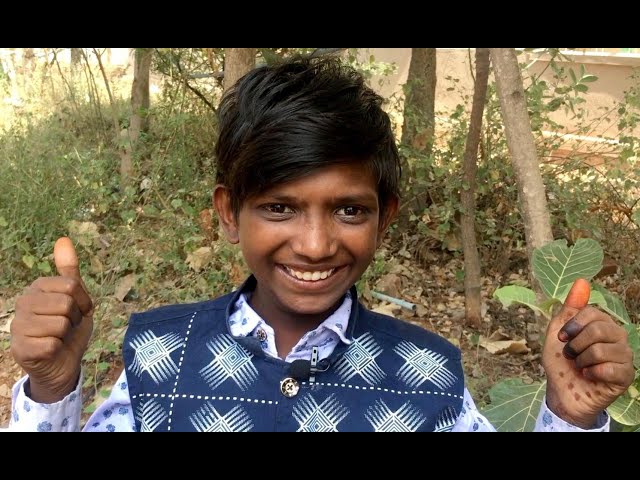
Mohammad Althaf was born in 2007 to a widowed mother living with HIV, and he too was infected at birth. When Althaf was two years old, his mother remarried an HIV-negative man and moved away, leaving him in the care of his grandmother, Fathima. Fearing stigma and social consequences, the family decided to keep his condition a secret.
When our programme began work in that district, we initially assumed that Althaf had either moved away or passed on—after all, it is rare for someone infected at birth to survive for 16 years without treatment. But to our surprise, he was there: alive, somewhat thin, but otherwise appearing well.
Fathima firmly insisted that nothing was wrong with him. “See for yourself,” she would say. “God has protected him so far, and will continue to do so.” When our volunteers persisted, she became distressed and even threatened self-harm if they continued to trouble her or tried to speak to Althaf.
Shortly afterward, Althaf’s mother fell seriously ill. With the help of our volunteers, she was admitted to the hospital. This created an opportunity for the team to meet both Fathima and Althaf in a medical setting. It was there that Althaf, for the first time, became aware of his condition. Confused and shaken, he asked, “How come no one told me?” He chose to be tested.
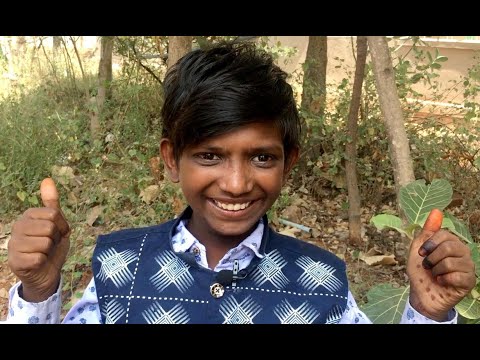
Today, both Althaf and his mother are on treatment. Within a short time, he gained eight kilograms, a clear sign of improving health. He is doing well in his studies and seems to embody the meaning of his name—Althaf, derived from Arabic, meaning “kind-hearted.”
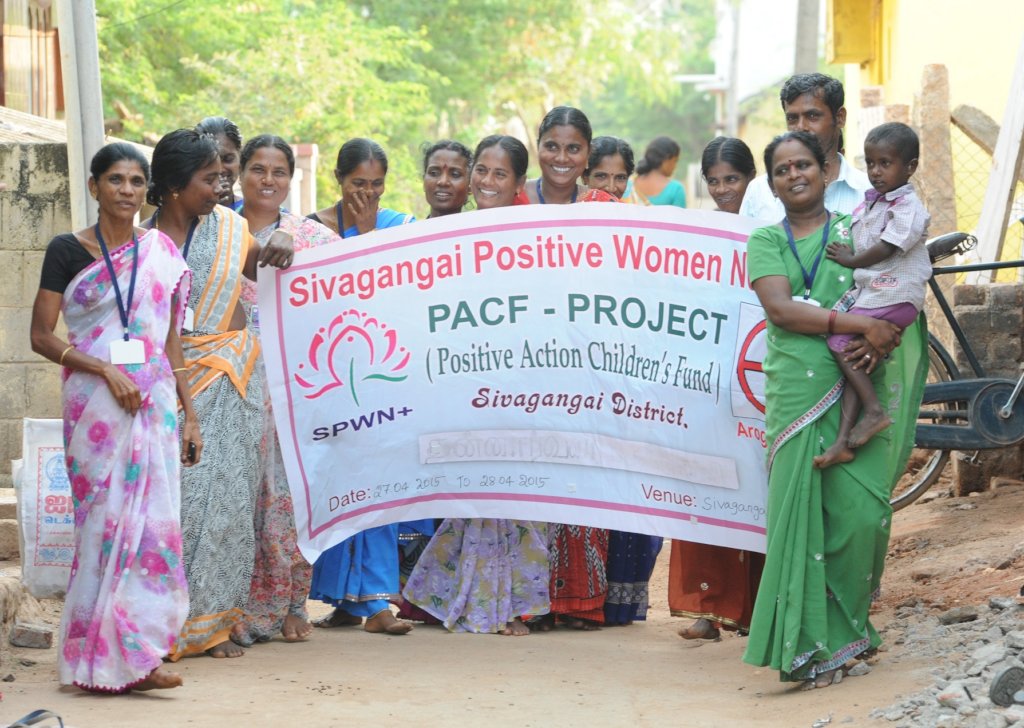
The programme you support operates across eight districts and is implemented through networks of people living with HIV. Of these networks, four are led by women, one by a transgender woman, and three by men. At the district level, activities are coordinated by part-time staff under the guidance of each network’s president. Network volunteers play an active role, contributing significantly to the overall development and well-being of children living with HIV.
The work of the past year
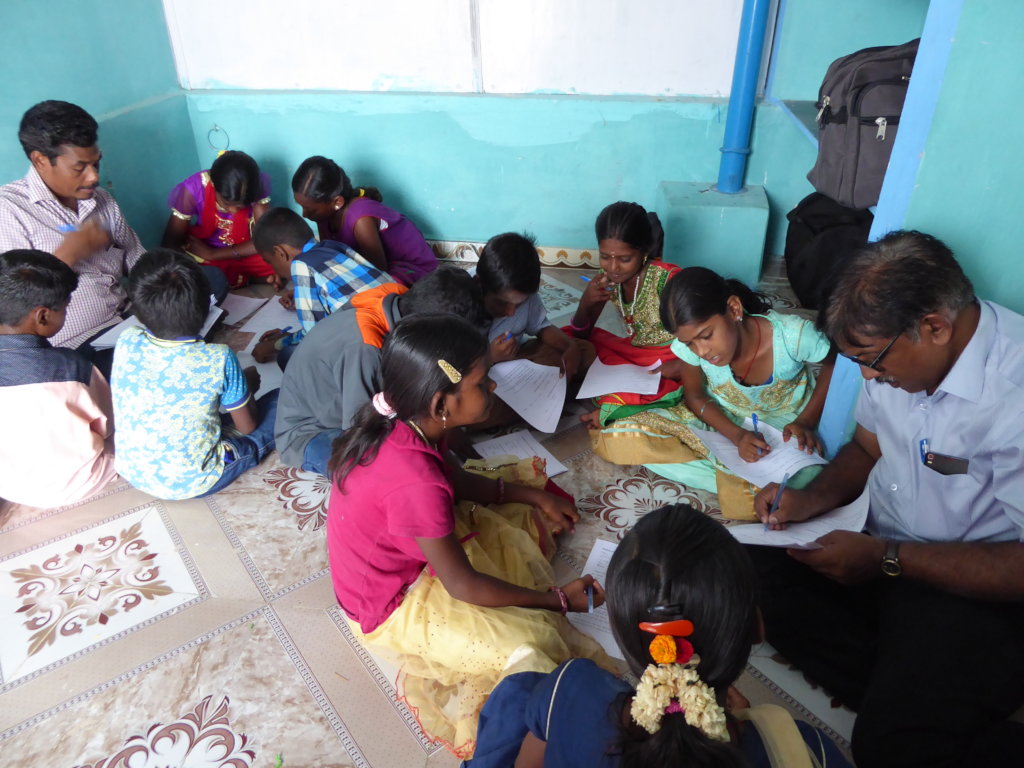
We currently provide follow-up support to 438 HIV-positive children under the age of 18, including 231 boys and 207 girls. During the reporting period, eight children were newly identified as HIV-positive and initiated on antiretroviral therapy (ART). While a small number of children continue to refuse treatment, progress has been made in strengthening adherence: of 31 children previously irregular in taking ART, 27 are now adhering regularly, and five out of nine who had discontinued treatment for a prolonged period have restarted therapy.
Twenty children (14 boys and 6 girls) were newly enrolled in programme activities. Additionally, 272 children who had not undergone required medical tests to see how well the treatment was working were identified, referred, and successfully completed testing.
During the reporting period, 83 children experienced opportunistic infections, of whom 16 required hospitalization for treatment.
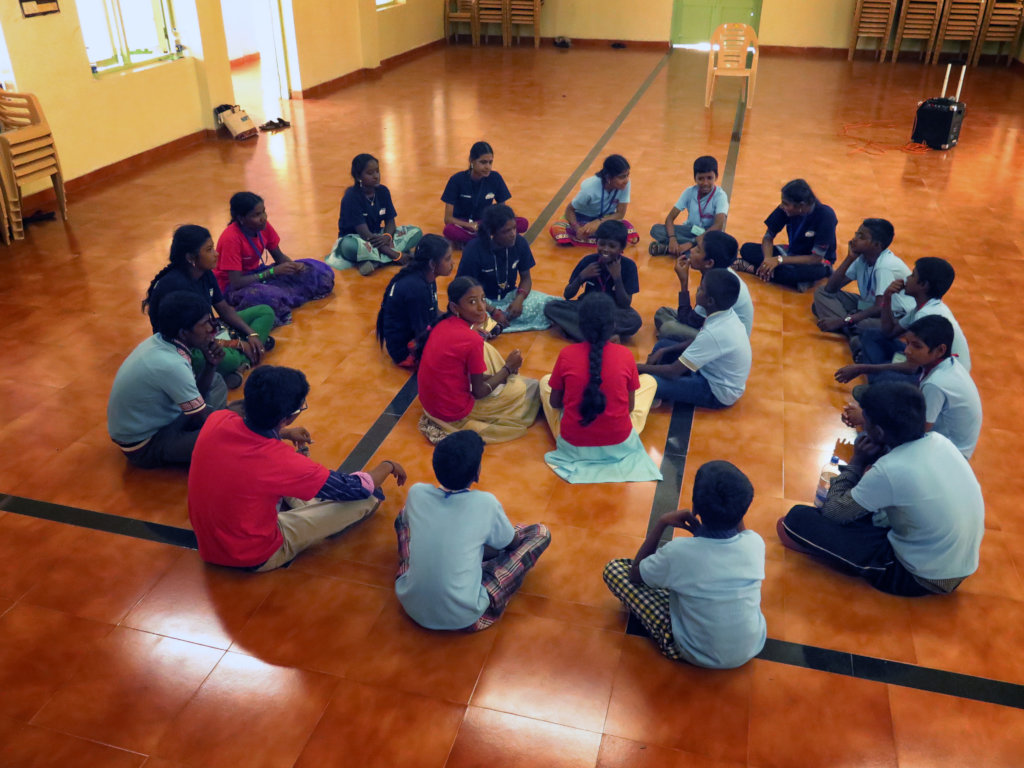
Beyond child-focused interventions, the programme also provided premarital counselling, safe sex education, and related guidance to 541 HIV-positive unmarried young adults above the age of 18 (376 men and 165 women), as well as 218 adolescents aged 16–18 (114 boys and 102 girls). Of these, 167 participated in group sessions, while the remainder received individual counselling. A total of 23 marriages took place during this period, including 10 in which individuals married HIV-negative partners following disclosure.
Thanks so much for your support,
John Dalton
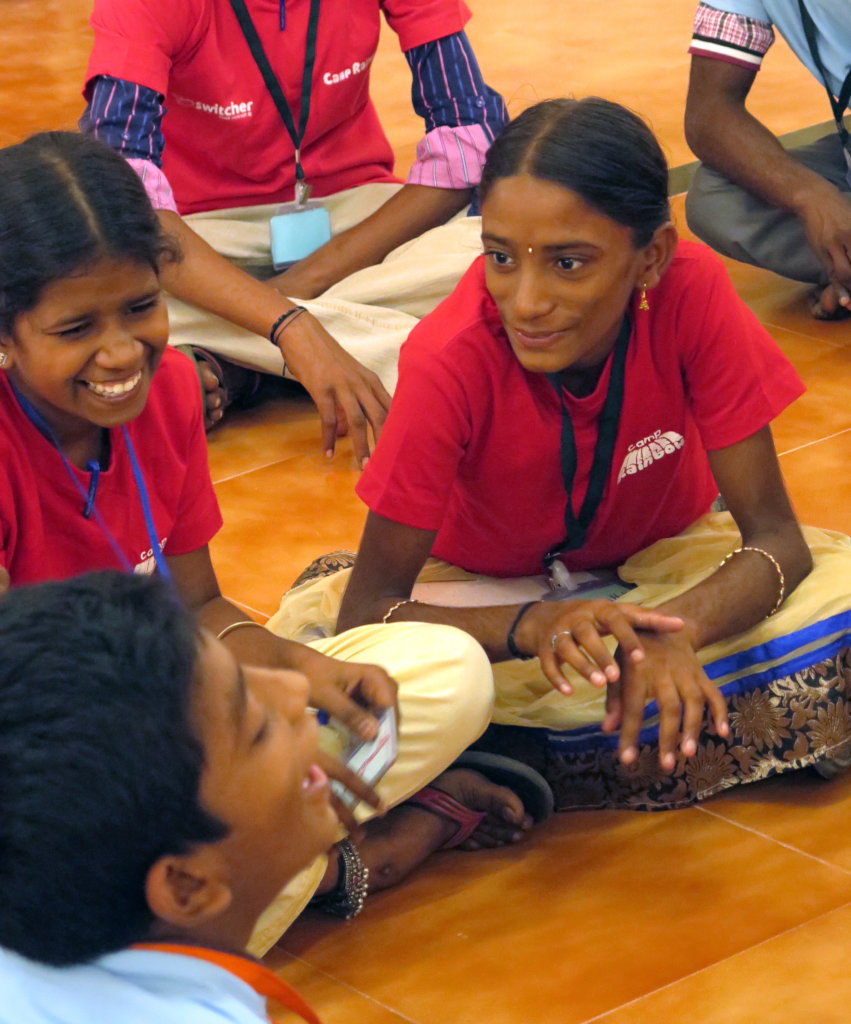
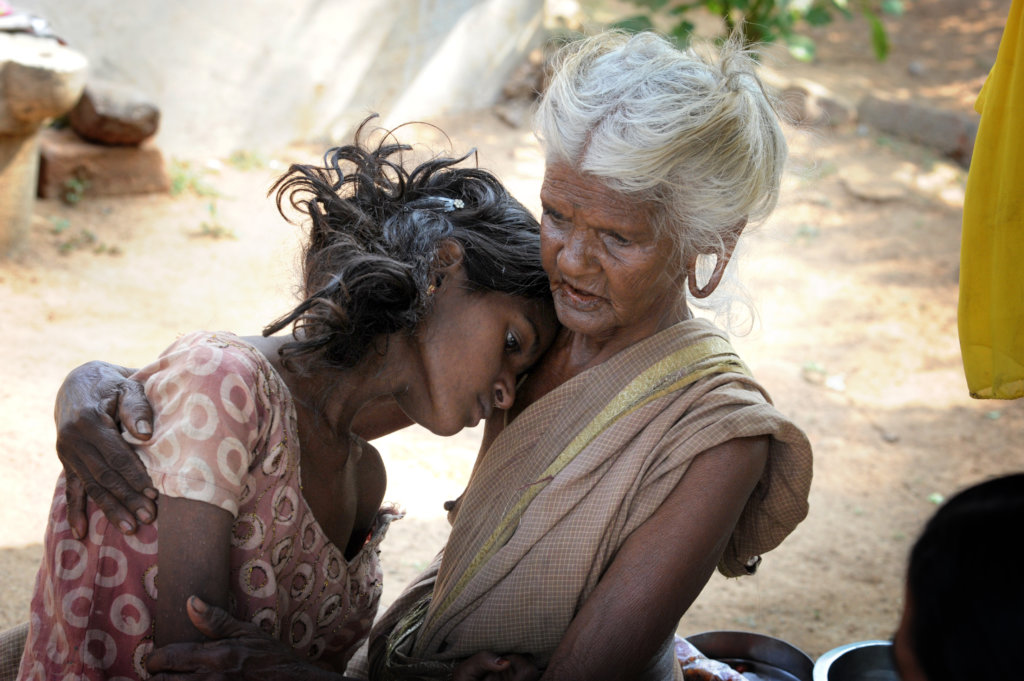
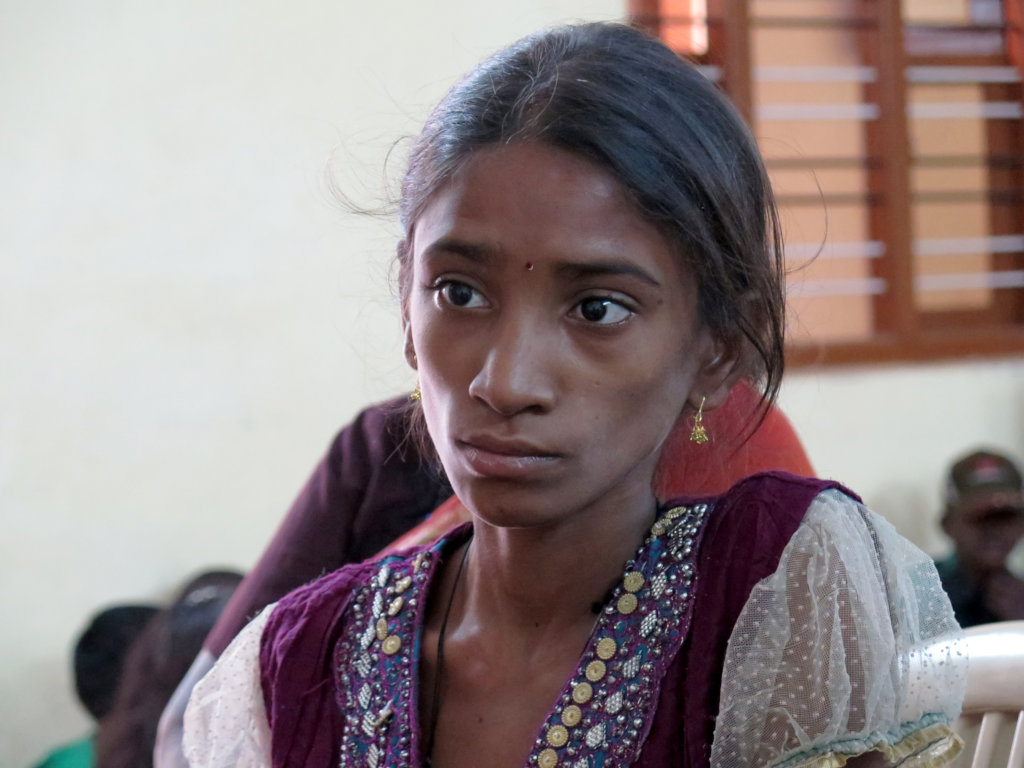
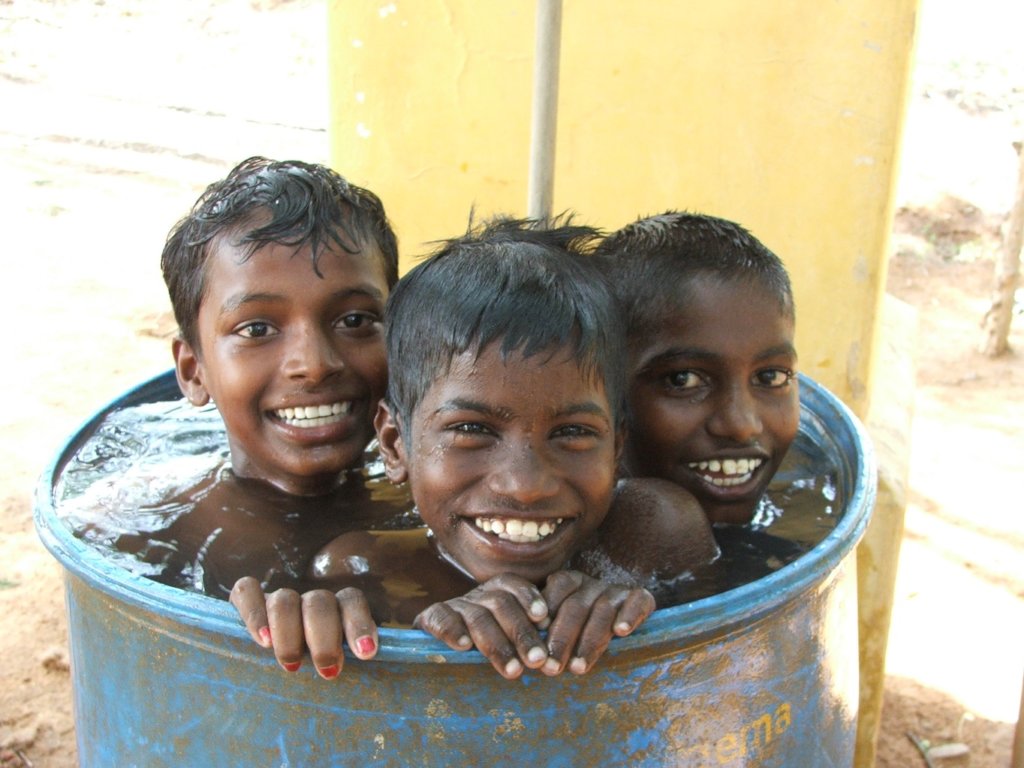
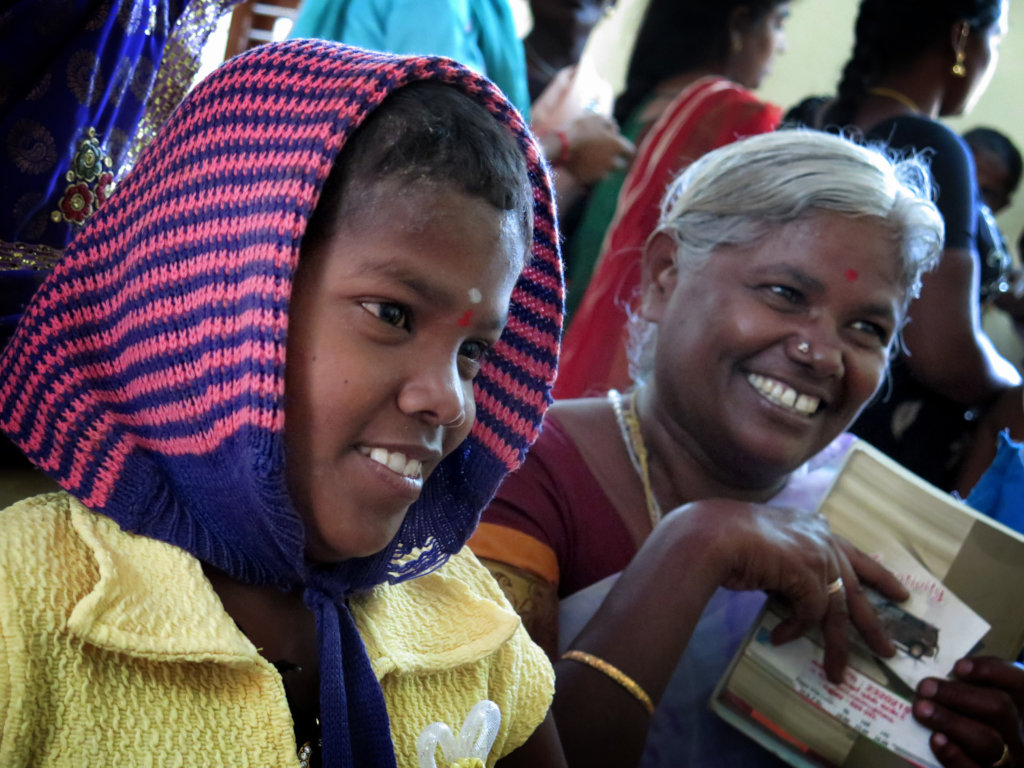
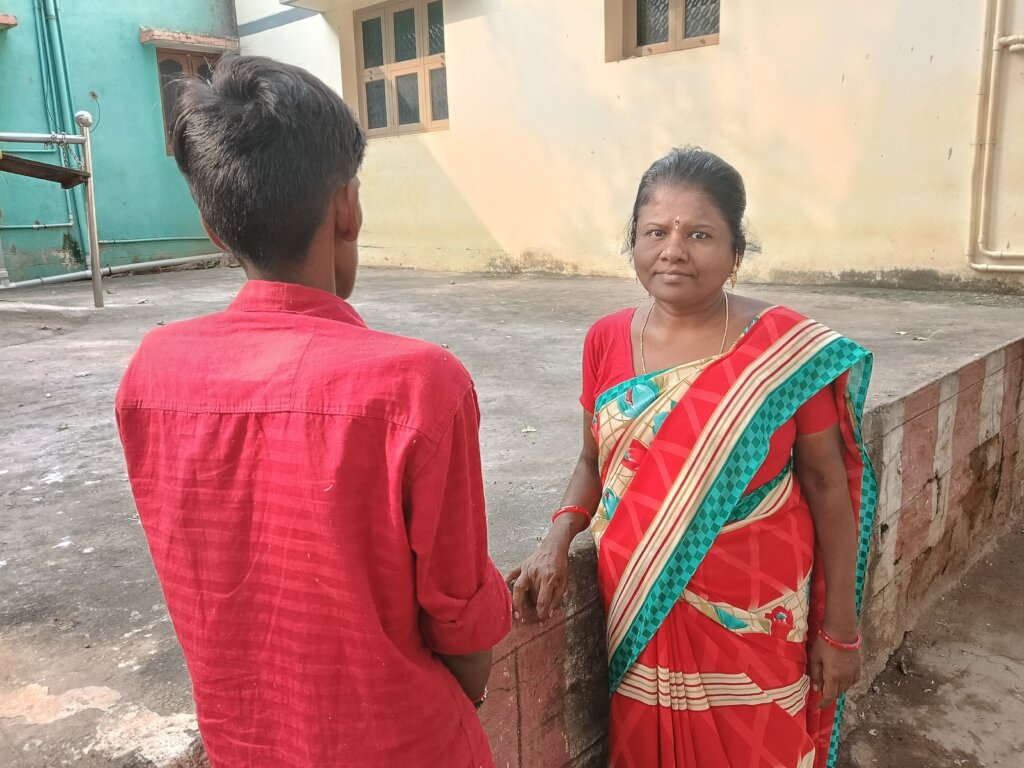
(Note: photos are representative)
Project reports on GlobalGiving are posted directly to globalgiving.org by Project Leaders as they are completed, generally every 3-4 months. To protect the integrity of these documents, GlobalGiving does not alter them; therefore you may find some language or formatting issues.
If you donate to this project or have donated to this project, you can receive an email when this project posts a report. You can also subscribe for reports without donating.



Support this important cause by creating a personalized fundraising page.
Start a Fundraiser