By Ilakkiaarasi | Fundrising Executive
The drive has helped provide assistive devices to numerous Visually Challenged students over the years, rising close to $1,652 since its inception, thanks to generous individuals and residents on behalf of them. Indian Association for the Blind (lAB), based in South India is a well-known non-profit organization working to provide education, employment, training and rehabilitation for the visually challenged from rural areas. Late Mr. S.M.A.Jinnah, the visually challenged activist and a group of like-minded visually challenged people founded IAB in 1985. Since its inception, IAB has educated and rehabilitated more than 23700 visually challenged children and youths mainly from rural areas.
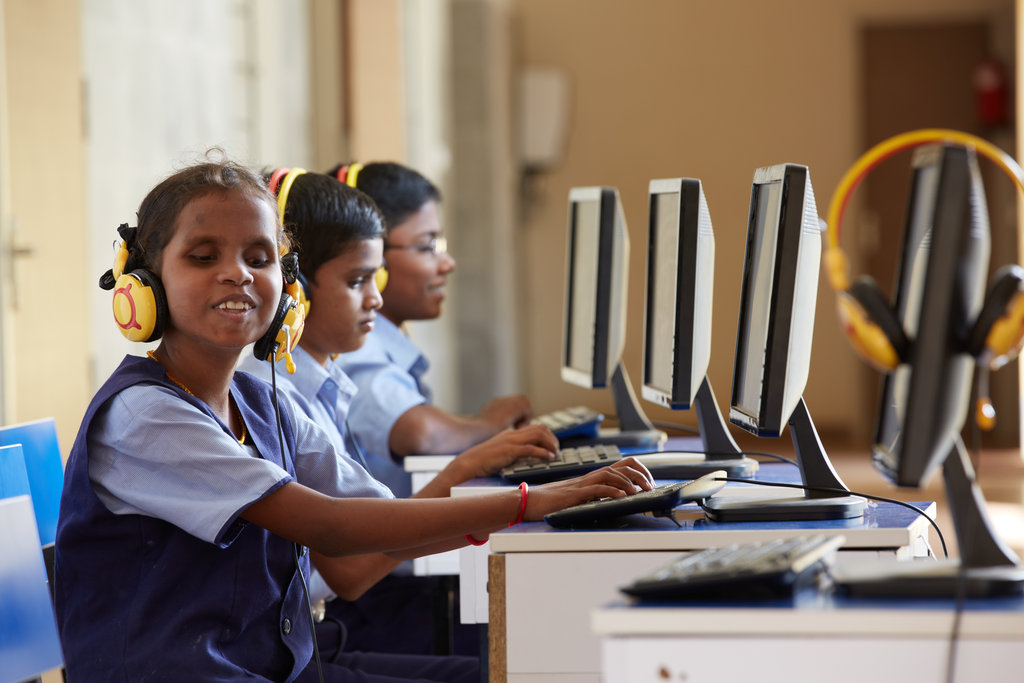
When you think of technology from the perspective of people with vision loss, you can think of two broad categories: General technology: such as computers, smartphones and cell phones, GPS devices, etc. Assistive technology: items designed specifically to help people with vision loss or other disabilities, including everything from screen readers for blind individuals or screen magnifiers for low-vision computer users, video magnifiers and other devices for reading and writing with low vision, to braille watches and braille printers.
Books are an integral part of our lives! Doesn’t matter if we are voracious or occasional readers – we always appreciate the entertainment and knowledge books impart. However, in case of blind people or sighted people losing their partial or full vision, physical books can seldom be an option. That’s where audiobooks come into the picture, but they come with their own challenges.
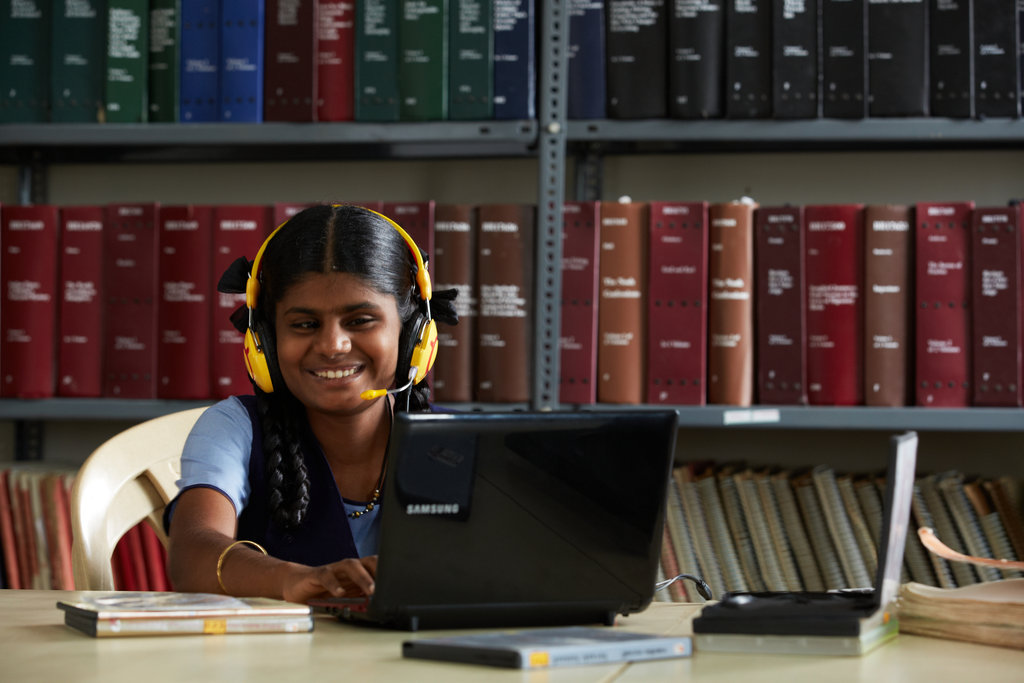
Audio books and a new generation of listening devices are helpful for readers with limited vision and are an increasingly popular reading option for sighted audiences as well. Almost any popular novel or nonfiction book, general interest and trade magazines, and newspapers are now available in a variety of accessible audio formats.
Any adaptive device or service that increases participation, achievement or independence for a student with a disability may be considered assistive technology (AT). Assistive technology helps students who are visually impaired (with and without additional disabilities) increase their access to the general curriculum and improve their academic performance. It is important to thoughtfully consider what devices, tools and technologies will be appropriate to meet the student's individual and unique learning needs. AT devices should not give students an unfair advantage, but instead, should provide them with the independence to compete effectively with peers.
Once again, we want to thank the philanthropist for their contributions and also the GlobalGiving who paved the way for us to utilize their donations from all over the world. We look forward to raising more for this cause. As always, we, along with GlobalGiving, will do our best in reaching out to generous donors across the Globe and will strive to bring happiness on the face of each of our beneficiaries.
Links:
Project reports on GlobalGiving are posted directly to globalgiving.org by Project Leaders as they are completed, generally every 3-4 months. To protect the integrity of these documents, GlobalGiving does not alter them; therefore you may find some language or formatting issues.
If you donate to this project or have donated to this project, you can receive an email when this project posts a report. You can also subscribe for reports without donating.



Support this important cause by creating a personalized fundraising page.
Start a Fundraiser