By Ilakkiaarasi | Fundrising Executive
The drive has helped provide assistive devices to numerous Visually Challenged students over the years, rising close to $1,732 since its inception, thanks to generous individuals and residents on behalf of them. Indian Association for the Blind (lAB), based in South India is a well-known non-profit organization working to provide education, employment, training and rehabilitation for the visually challenged from rural areas. Late Mr. S.M.A.Jinnah, the visually challenged activist and a group of like-minded visually challenged people founded IAB in 1985. Since its inception, IAB has educated and rehabilitated more than 23700 visually challenged children and youths mainly from rural areas.
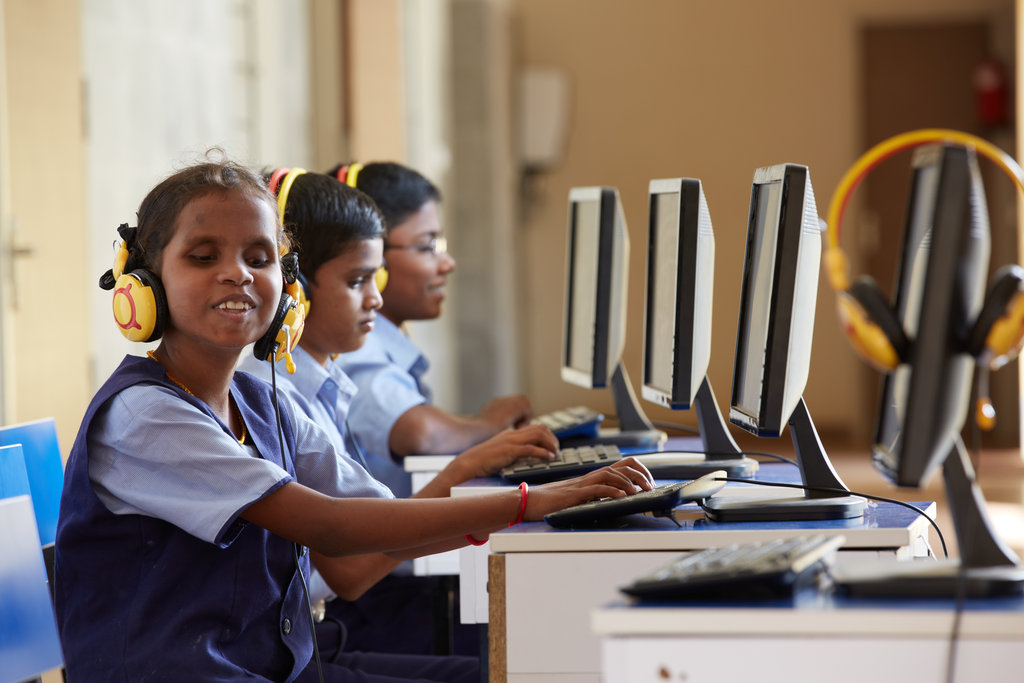
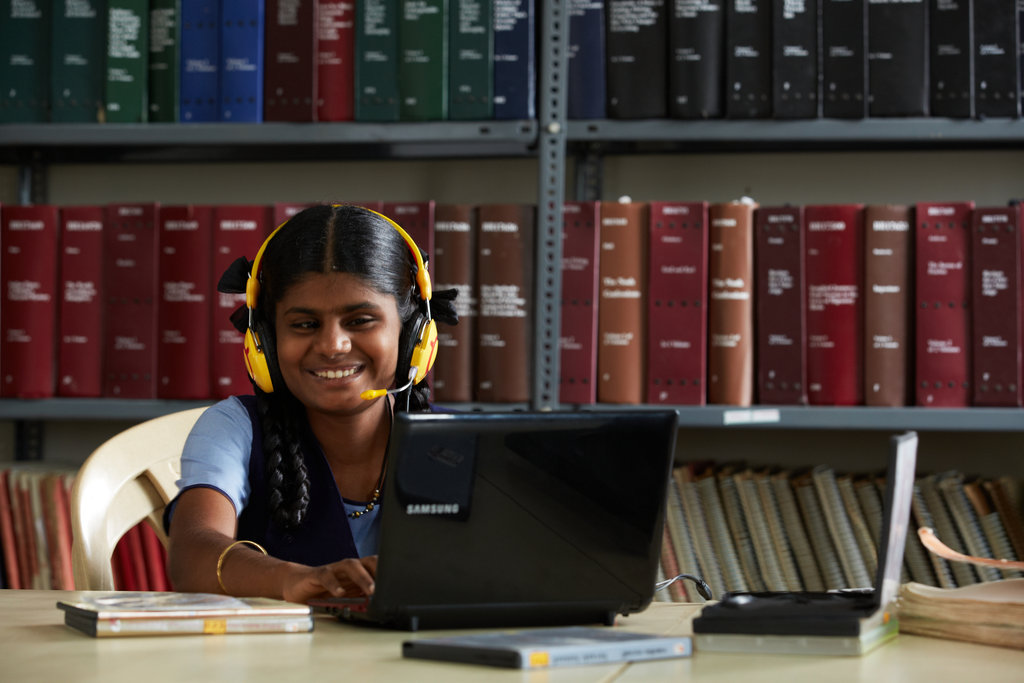
Assistive devices include any device that disabled children (or adults) might use to help them learn and function more effectively. By current estimates, more than 4,000 assistive technologies have been designed for students and teachers. Those devices include everything from wheelchairs to a wide assortment of high-tech tools, including 1)hearing aids and amplification devices that enable hearing-impaired students to hear what's going on in the classroom; 2)glare-reduction screens, screen magnifiers, and Braille note-taking devices that enable visually impaired students to participate more fully; 3)voice-recognition software that turns the spoken word into type on a computer screen so students unable to move their limbs can take part; and 4)technologies that enable severely disabled students to control their computers simply by following letters and commands on the computer screen with their eyes.
Many companies today are turning their research and development to assistive technologies. Most programs and devices that are developed are designed to work on personal computers in a Microsoft Windows environment.
Students come in every shape, size, and type. They learn at different rates too. Teaching can be tailored to compensate for the different learning needs of most children inside the regular classroom. Some children with measured disabilities will require focused instruction in one-on-one or small-group settings. But other children who need help to keep up with their peers -- especially those with more severe disabilities -- can benefit from machines designed to help them learn! Such "assistive devices" aid their learning, understanding, and participation in the regular classroom environment.
We want to thank the philanthropist for their contributions and also the GlobalGiving who paved the way for us to utilize their donations from all over the world. We look forward to raising more for this cause. As always, we, along with GlobalGiving, will do our best in reaching out to generous donors across the Globe and will strive to bring happiness on the face of each of our beneficiaries.
Links:
Project reports on GlobalGiving are posted directly to globalgiving.org by Project Leaders as they are completed, generally every 3-4 months. To protect the integrity of these documents, GlobalGiving does not alter them; therefore you may find some language or formatting issues.
If you donate to this project or have donated to this project, you can receive an email when this project posts a report. You can also subscribe for reports without donating.



Support this important cause by creating a personalized fundraising page.
Start a Fundraiser