By Veronica Levy | Marketing and Communications Coordinator
As an indigenous artisan in the Cusco region, the farther you live from Machu Picchu and the city of Cusco, the fewer economic opportunities you have.
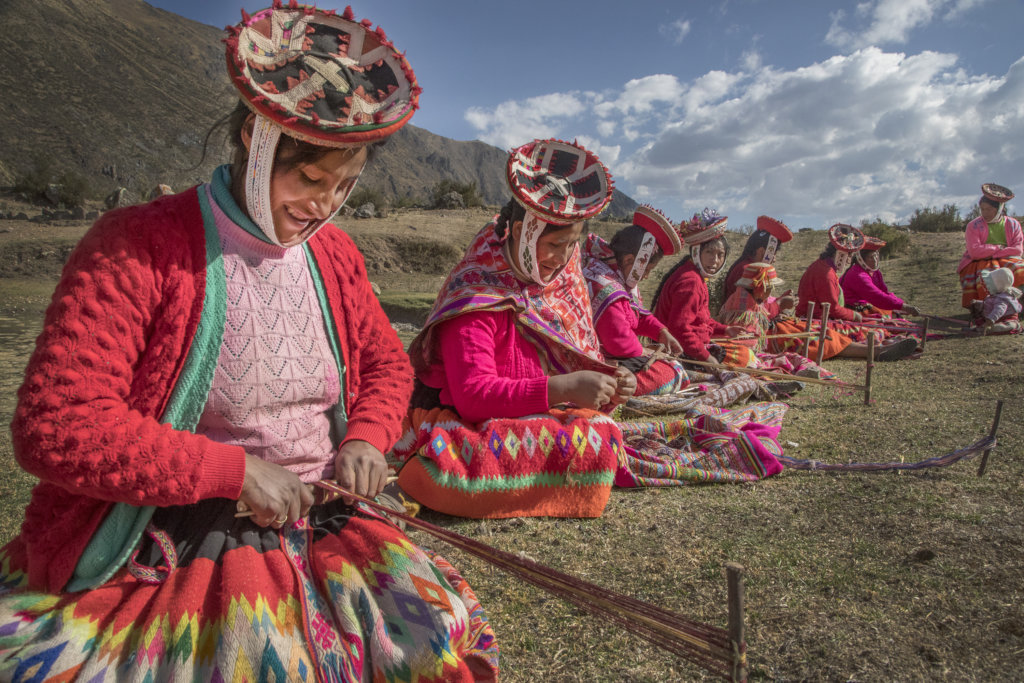
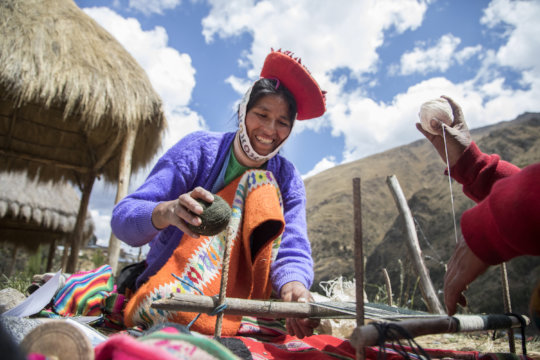
Until 2019, the furthest cooperative with which we worked was in the village of Kelkanka, three hours from Ollantaytambo. But as we’ve graduated our veteran cooperatives, and gained capacity as a staff to begin working with new cooperatives, we have begun working with three new cooperatives located in the region of Ocongate, four hours south of Ollantaytambo. By expanding our geographic reach to different regions of Cusco, we can not only bring our model to more artisans but also bring new techniques and skills into our work.
“We got in touch with the Ocongate cooperatives through a health NGO called Suyana.” Mercedes, our head of women’s cooperatives program, explained. Mercedes built the connection through a family member that works with Suyana, from there she was able to get in touch with the cooperatives located in the Ocongate region.
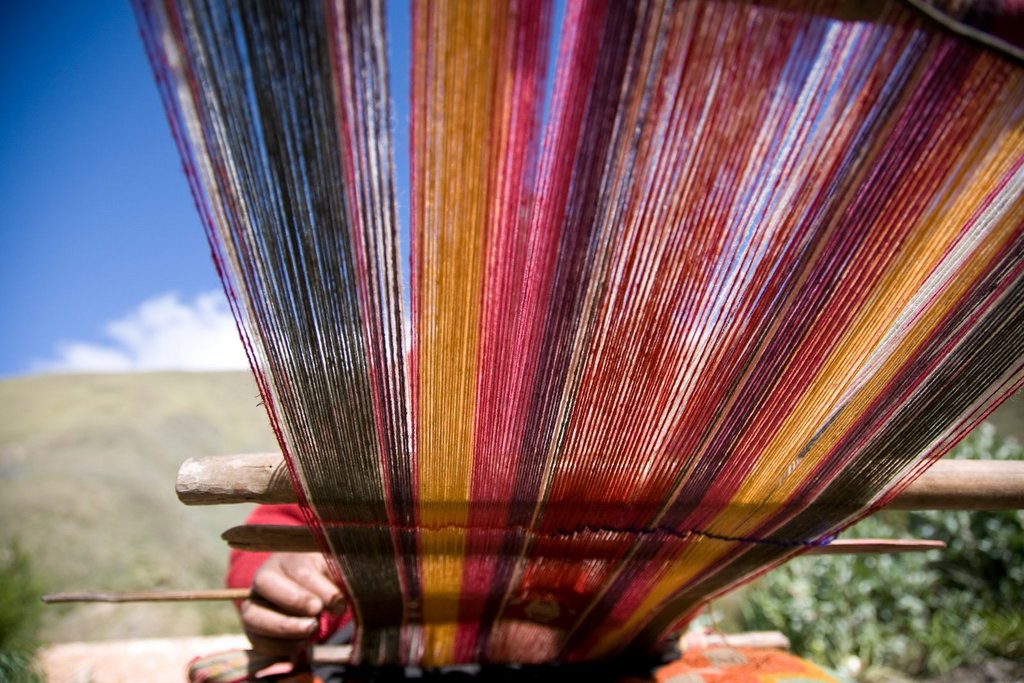
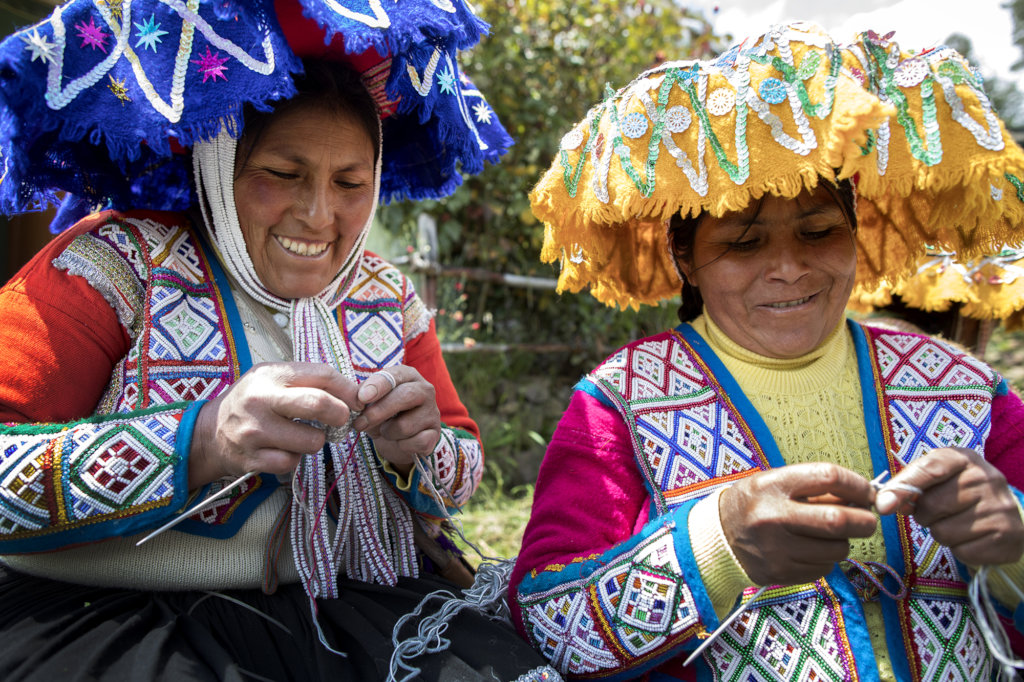
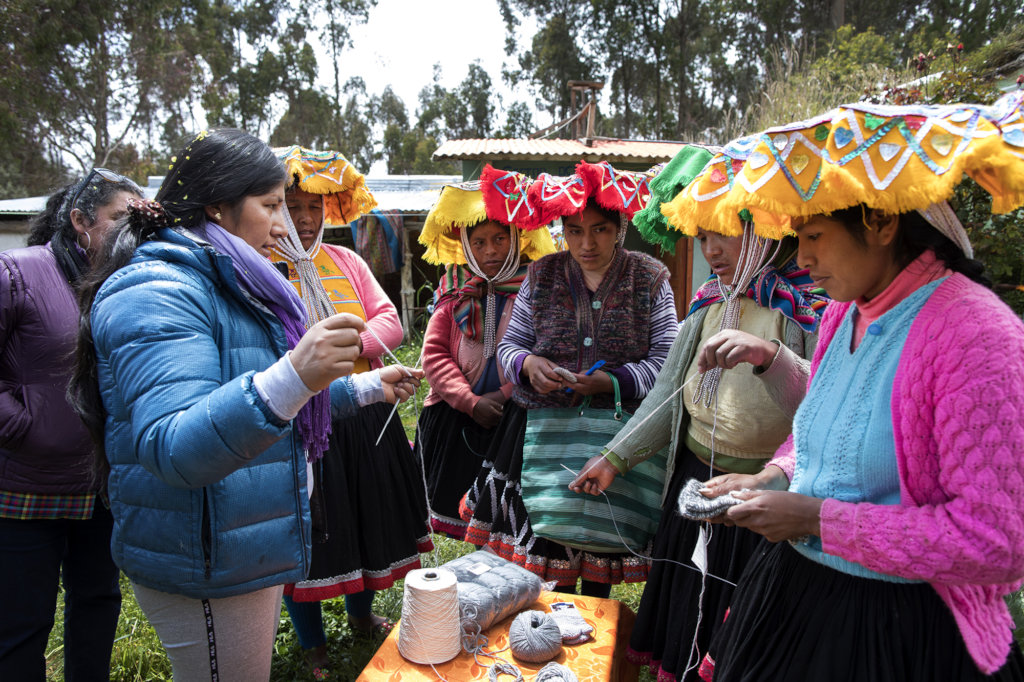
For the first visits both Mercedes, and Martha, our knitting coordinator, oversaw knitting and weaving samples from three separate local cooperatives. Since March the new artisans have demonstrated great skill with their handicrafts as well as professionalism in the way they conduct their organization. We are very excited to be working with such talented and motivated artisans and have already placed several orders for our export collection, Kay Pacha.
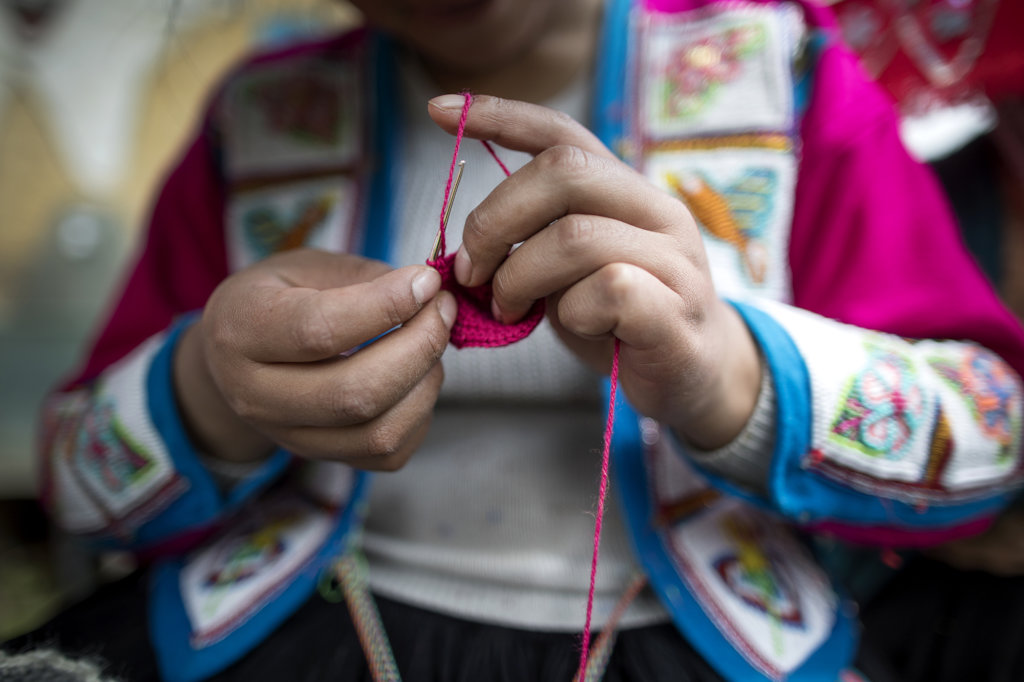
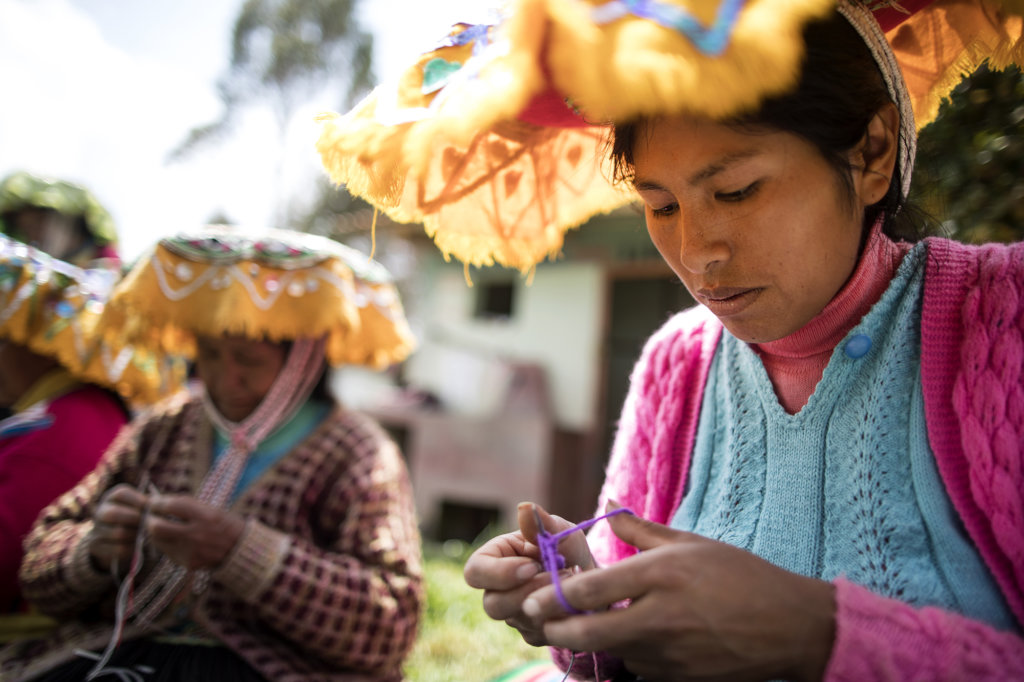
There are three separate groups of artisans in the region of Ocongate with which Awamaki is building partnerships. The first, Condor Pallay, is composed of 16 artisans, the second is located in the smaller community of Upis with 22 artisans, and the third, Ausangate, has 19 artisans. Ausangate specializes in knitting and crocheting and they are currently filling orders for Awamaki’s Muku baby collection, including the adorable Lamb Lovey and Llama Play Toy.
The cooperatives in Ocongate “understand the production process and are comfortable with texting us and sharing images of their work, which makes our collaboration smoother and faster, especially now that we have been getting more international orders than ever,” Martha said. She also explained that Awamaki does not currently collaborate with many highly trained crochet artisans and that establishing a relationship with these cooperatives is a great asset, because the crochet technique requires a lot more attention to detail as it is a more sophisticated craft.
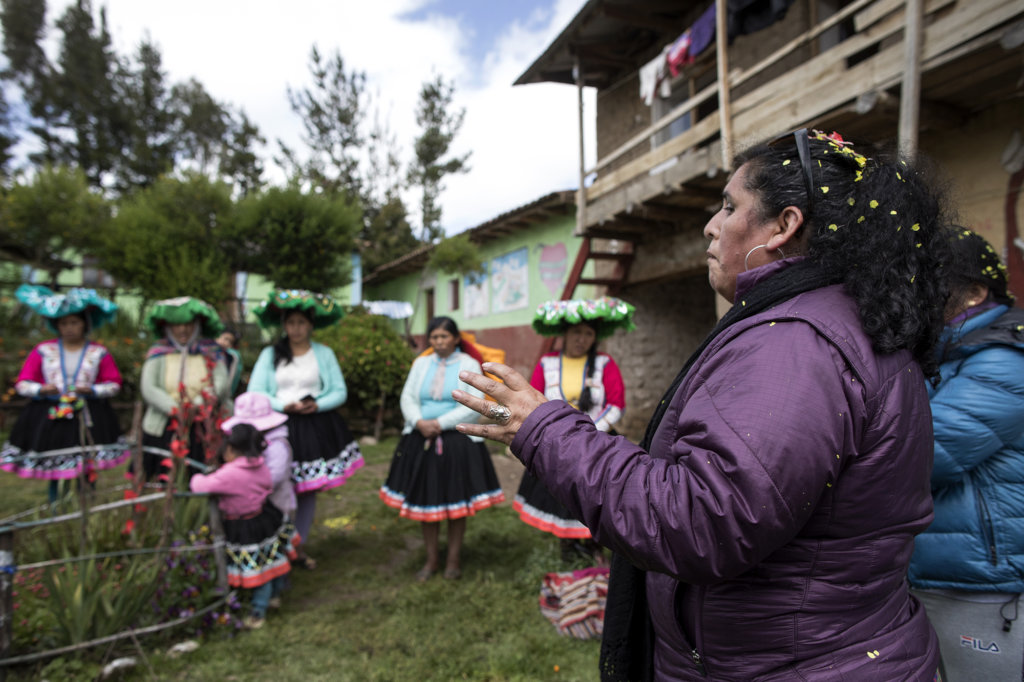
Martha also mentioned that she enjoys the challenge of working with cooperatives that have less professional expertise, as it opens the door for more opportunity to train the artisans using Awamaki’s hallmark training program, the Impact Model. Mercedes explained that “the cooperatives in Ocongate are very skilled and have great work ethic, and we are planning on implementing workshops in color theory, and design, for them to push their abilities even further.”
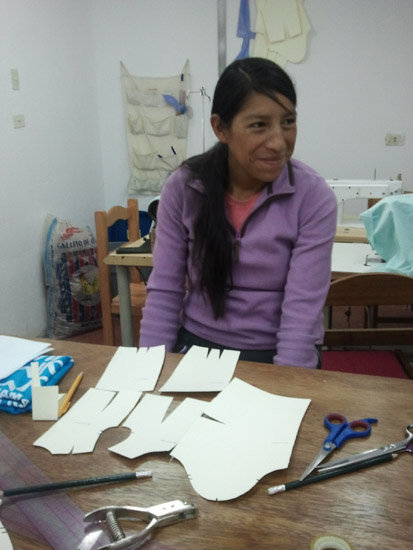
The first step to begin a partnership with Awamaki, Mercedes explained, is for the cooperative to reflect a well organized and established working space and to have a designated president. In the case that they don’t have a work space of their own, Awamaki supports the cooperatives as they begin the process of securing a center in the near future. A final part of the first step-- and a very important one due to the percentage of informality in the labor sector of Peru-- is for the cooperative to register as a legal association with the Peruvian government so that they are able to generate their own legal receipts.
A cooperative reaches the second level of the Impact Model when it is able to execute designs and quality control expectations as well as maintain good standing of management over their payments from Awamaki. Ocongate cooperatives have demonstrated great expertise; we are inspired to expand our partnerships with them, along with conducting new and emerging workshops on design and color theory. The third level, which prepares the cooperatives for graduation, is reached when the artisans are able to secure their own clients and work independently. Here, the relationship with Awamaki transforms from training workshops to a mainly commercial one. However, as Mercedes explains, “Awamaki stays present in their journey and development and if the possibility arises, puts them in touch with other clients.” From here, the cooperatives can grow their own successful, independent businesses.
Here at Awamaki, we celebrate cooperatives at all stages of the Impact Model and beyond. We believe in continuing to reinforce their empowerment, and being creative about ways to help them grow and challenge their skills for the future.
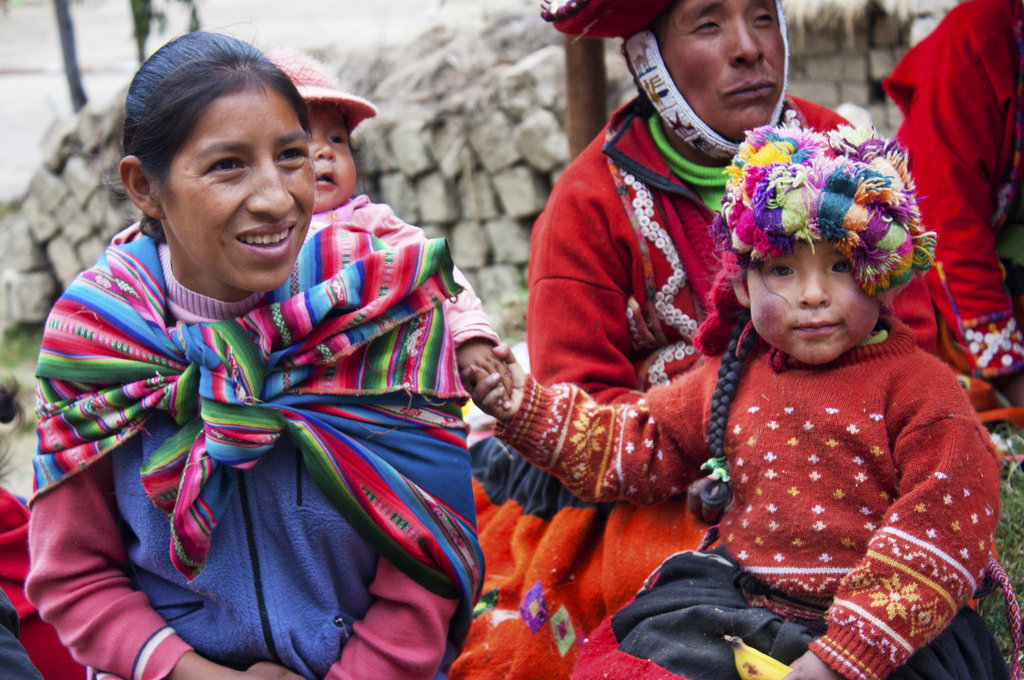
Your donations have funded the development of our Impact Model, as well as the training that has allowed our veteran cooperatives to move towards graduation. You also help fund the start up costs associated with bringing on a new cooperatives just like the 57 women of Ocongate. Thank you for being with us on this journey!
Links:
Project reports on GlobalGiving are posted directly to globalgiving.org by Project Leaders as they are completed, generally every 3-4 months. To protect the integrity of these documents, GlobalGiving does not alter them; therefore you may find some language or formatting issues.
If you donate to this project or have donated to this project, you can receive an email when this project posts a report. You can also subscribe for reports without donating.