By Elizabeth Nicholls | Awamaki Volunteer
For nine months, she carries another human being inside of her; for eighteen years, she is a cook, nurse, teacher, janitor, taxi driver, and cheerleader; and for the rest of her life, she is more invested in another person than she is in herself.
Motherhood is, hands down, one of the hardest jobs in the world. A mother’s boss is several decades younger than she is and can be one of the most thankless employers on the planet. Like a doctor, she is on call all night long—every night. Like a politician, her behavior must be exemplary, even when it seems as though no one is watching. Like a farmer, she is responsible for keeping her crop alive and happy in conditions that are largely beyond her control. There’s a little more pressure, though, when your crop is a human being.
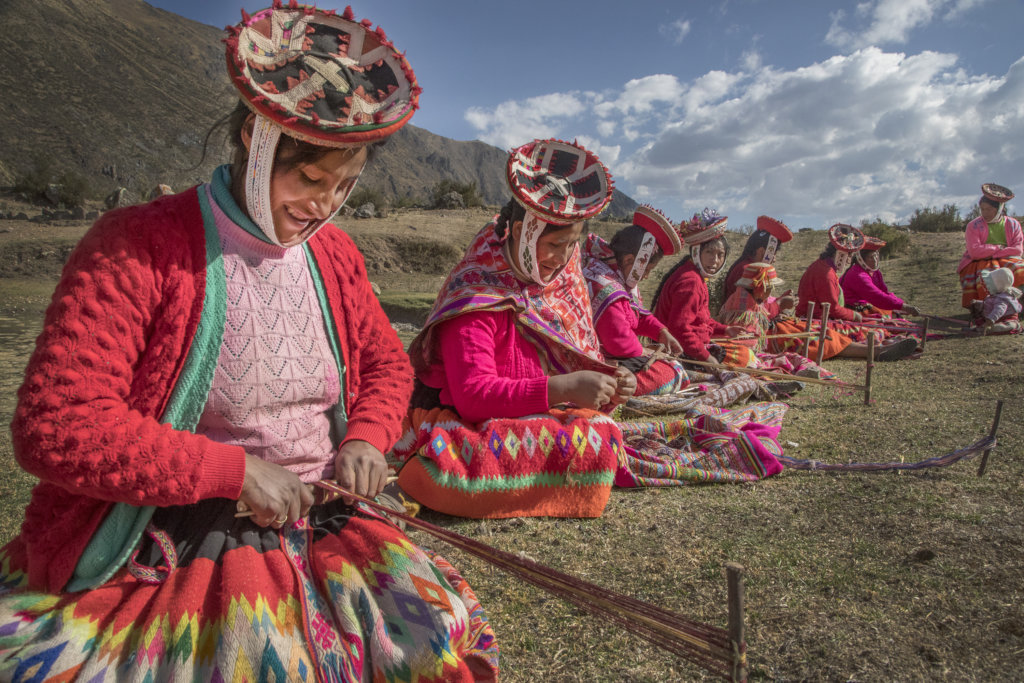
Women worldwide can relate. When I asked a few women in our Rumira cooperative about the hardest part of being a mom, the answers were the same as what I’ve heard from my own mom for years: maintaining a clean house, keeping the kids focused on their schoolwork, thinking of something different to cook every night. When I asked what they would do with 1000 soles, each woman immediately answered that she would invest it in her children. (When I asked what they would buy for themselves, one woman giggled and answered, “clothes”—and I think a lot of women, mothers or no, can relate to that.)
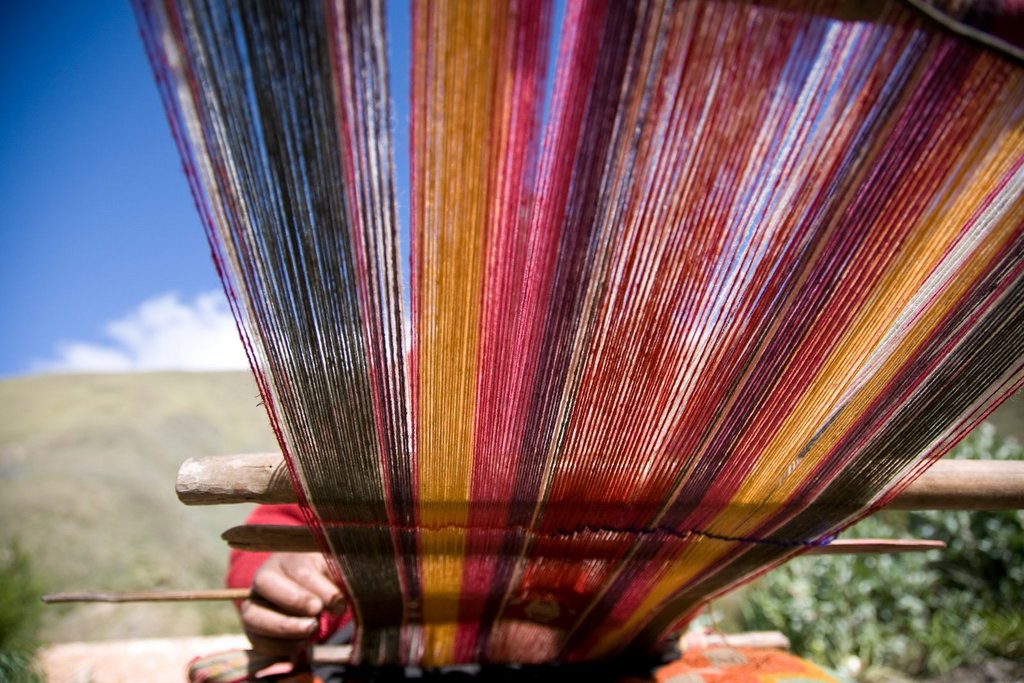
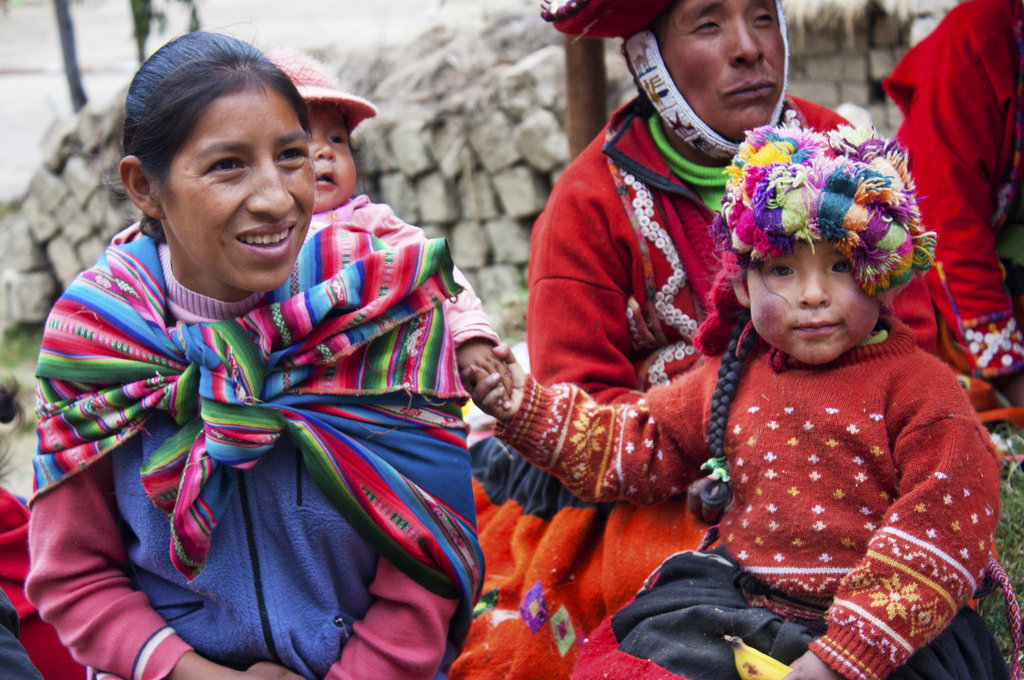
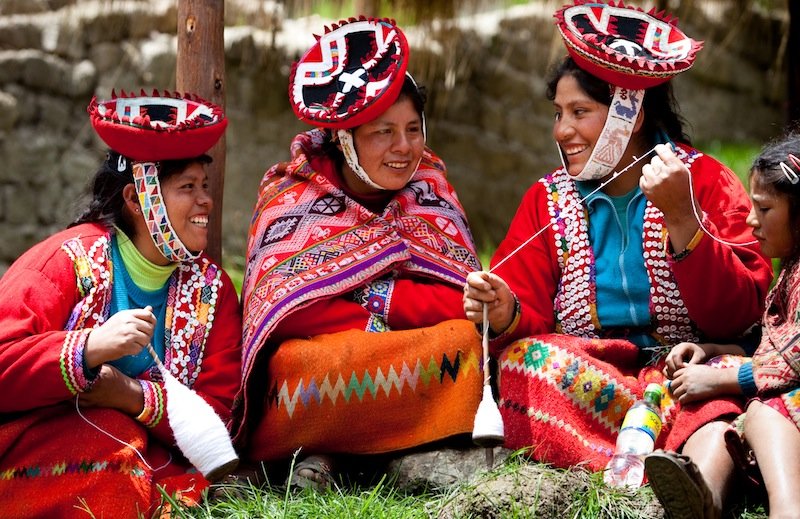
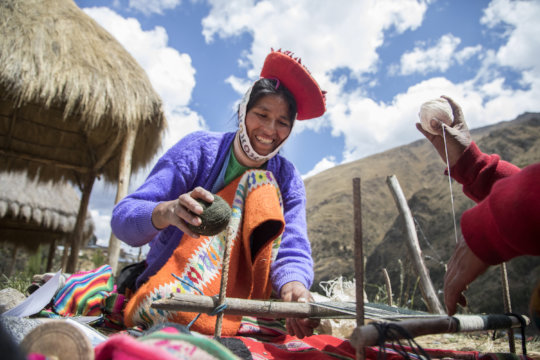
Motherhood brings its own unique challenges in Peru’s Sacred Valley. Even in Rumira, one of the least remote of Awamaki’s partnering communities, most of the women with whom I’ve spoken did not make it past primary or secondary school, as many began having children in their late teens. Despite a limited education, some are the primary breadwinners for their families, supporting their husband and several children on the profits from their knit goods. They are expected to tend to the family’s farm daily, often with an infant strapped to their back or a toddler in tow. If the in-laws need anything, their daughter-in-law must be available. To the already endless list of a mother’s titles, add weaver, farmer, and caretaker of the elderly.
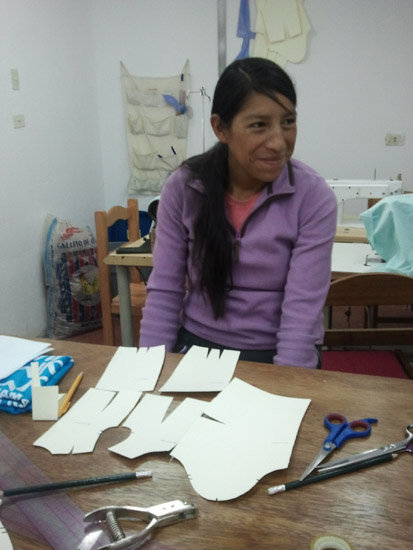
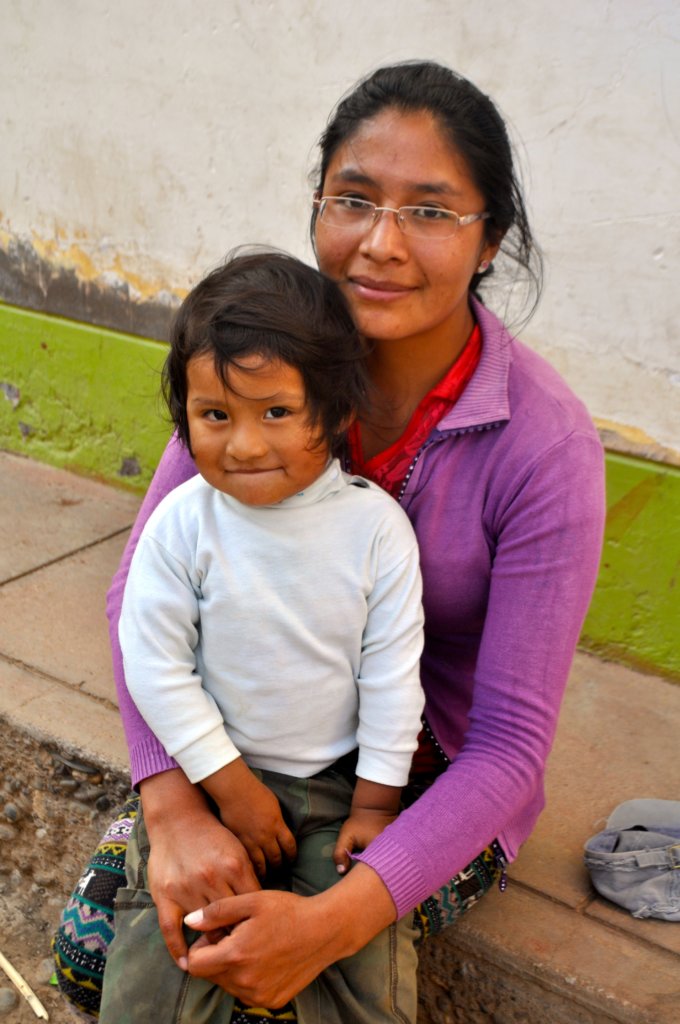
For Marleny, a member of our Rumira cooperative, the list goes on. Marleny, who didn’t finish secondary school as a teenager, is now a full-time student at a vocational school in Urubamba studying computation and computer science. When she isn’t knitting to fill Awamaki orders or cooking and cleaning for her family or mother-in-law, she is taking care of her two-year-old son, Samir—and planning for his education. Though Samir is still learning to talk, Marleny is already working to pay for his university tuition, something that is financially out of reach for most families in the rural communities of the Sacred Valley. “I want him to finish his studies and do something in life,” she says.
And for Marleny, that means continuing to wear her many hats, continuing to sacrifice sleep and time to herself to fulfill her endless to-do list, and continuing to invest in her own education to ensure that she will always be able to invest in her son’s. But like most other moms that I’ve met, there isn’t an ounce of hesitation in her voice. When I ask her about the hardest part of being a mother, she just laughs and says, “That’s a hard question. It’s hard to raise a child.” But when I ask about the best part, she answers without hesitation: “When I teach my son something and he learns.” And with all that she does, there is plenty to learn from her. Motherhood may be one of the hardest jobs on the planet, but it sure suits Marleny well.
Project reports on GlobalGiving are posted directly to globalgiving.org by Project Leaders as they are completed, generally every 3-4 months. To protect the integrity of these documents, GlobalGiving does not alter them; therefore you may find some language or formatting issues.
If you donate to this project or have donated to this project, you can receive an email when this project posts a report. You can also subscribe for reports without donating.