By Jonathan Contreras | Field Biologist
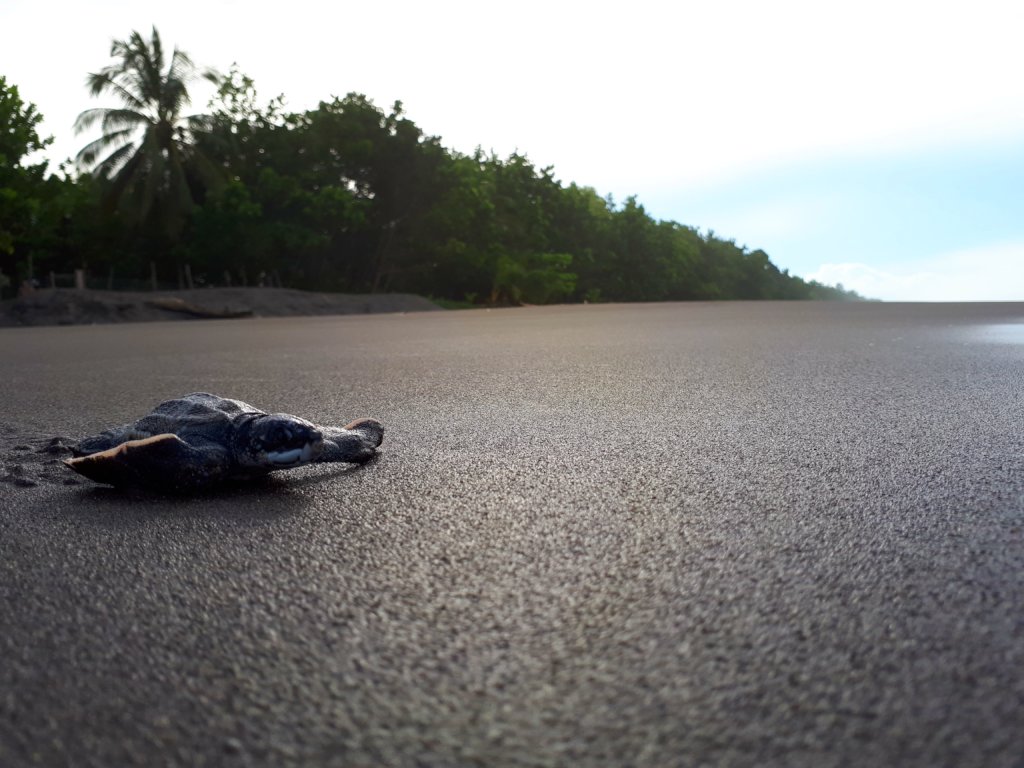
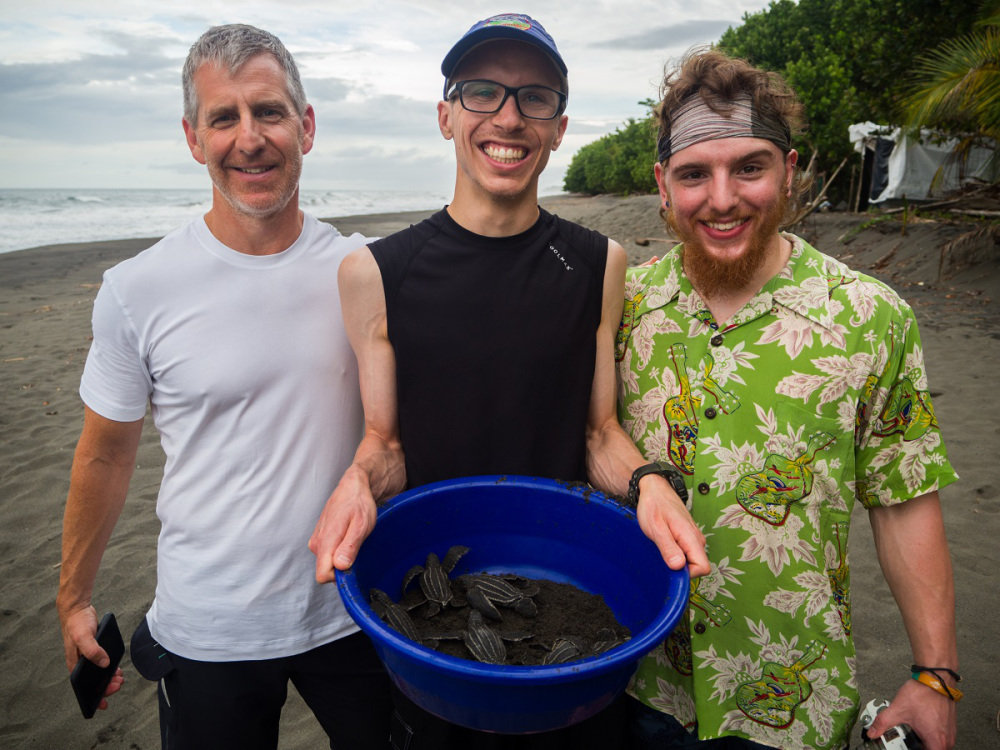
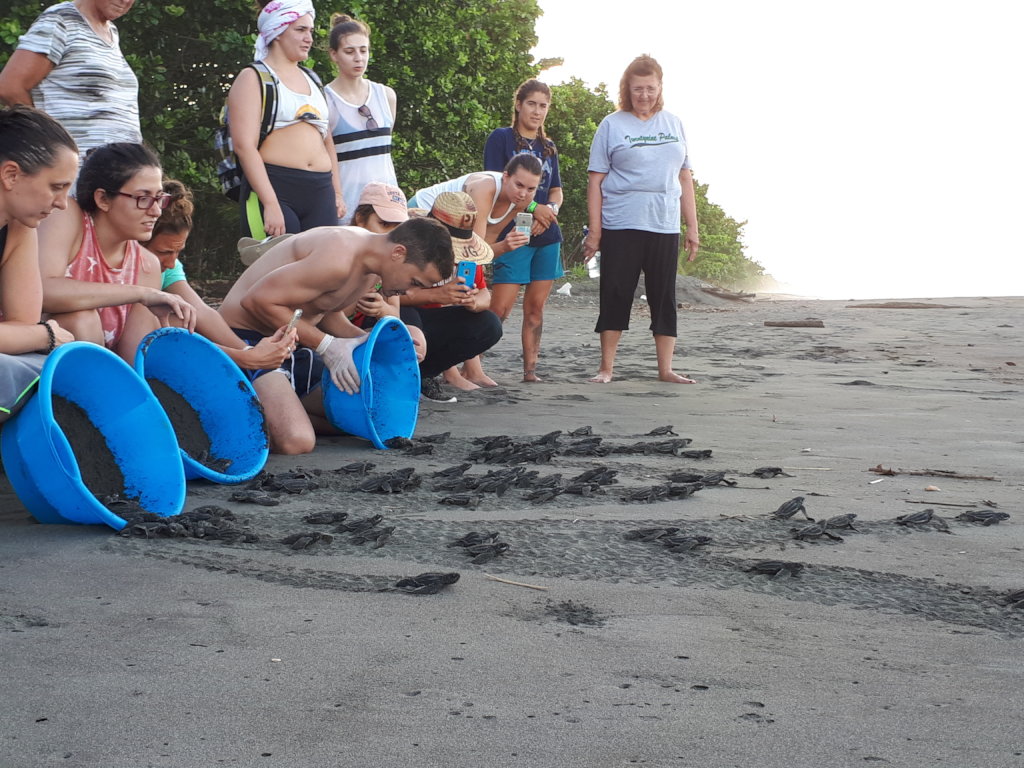
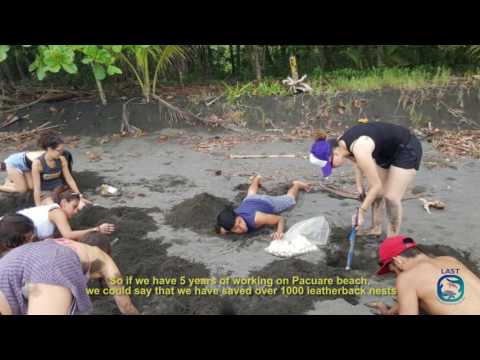
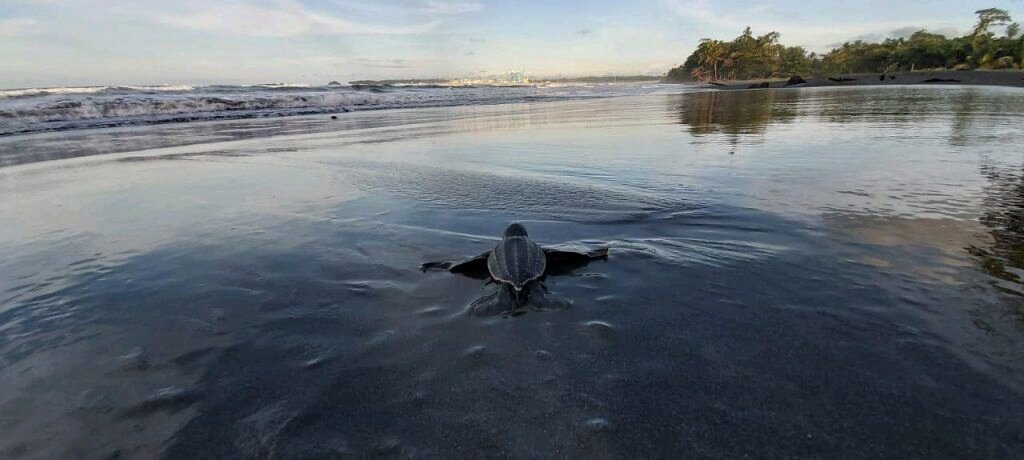
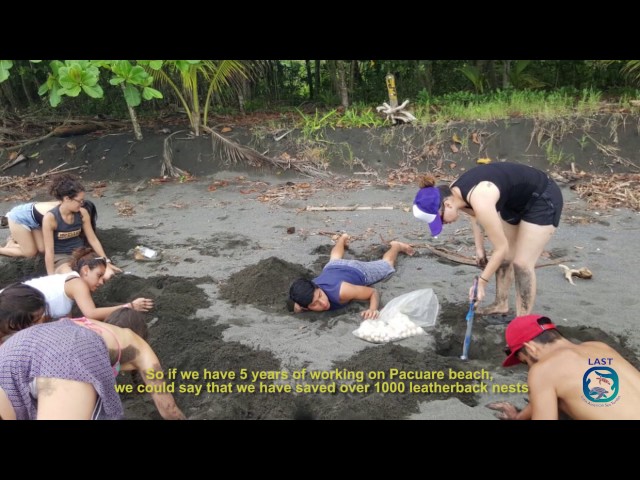
The 2025 season at Pacuare Beach reminded us how fragile sea turtle populations are and how valuable every conservation effort is. This year, between March and September, we recorded 180 nests of leatherback, green, and hawksbill turtles, three endangered species that use this corner of the Costa Rican Caribbean as one of the few refuges where they can still nest. Thanks to the commitment of our team and volunteers, we were able to protect 91 nests, which were relocated to our sea turtle hatchery or to safer sites on the beach, representing the protection of more than 50% of the nests. Although this percentage was lower than that achieved in 2024, it reflects the multiple challenges faced during the season, such as coastal erosion, frequent rains, and, especially, nest poaching. Even so, conservation efforts have yielded positive results: nearly 2,000 leatherback turtle hatchlings, more than 100 hawksbill turtle hatchlings, and around 3,000 green turtle hatchlings are expected to be released in our hatchery. Each one represents hope for the future of their species, and each release was made possible thanks to the support we receive from people like you.
One of the most significant challenges of 2025 was the emergence of ant infestations in some of the nursery's nests. This reminded us that the fight for conservation is not only about fighting human action, but also about ecological threats that put hatchlings at risk. However, these challenges motivate us to continue improving: with your help, we hope to strengthen the nursery and expand patrols for the coming seasons.
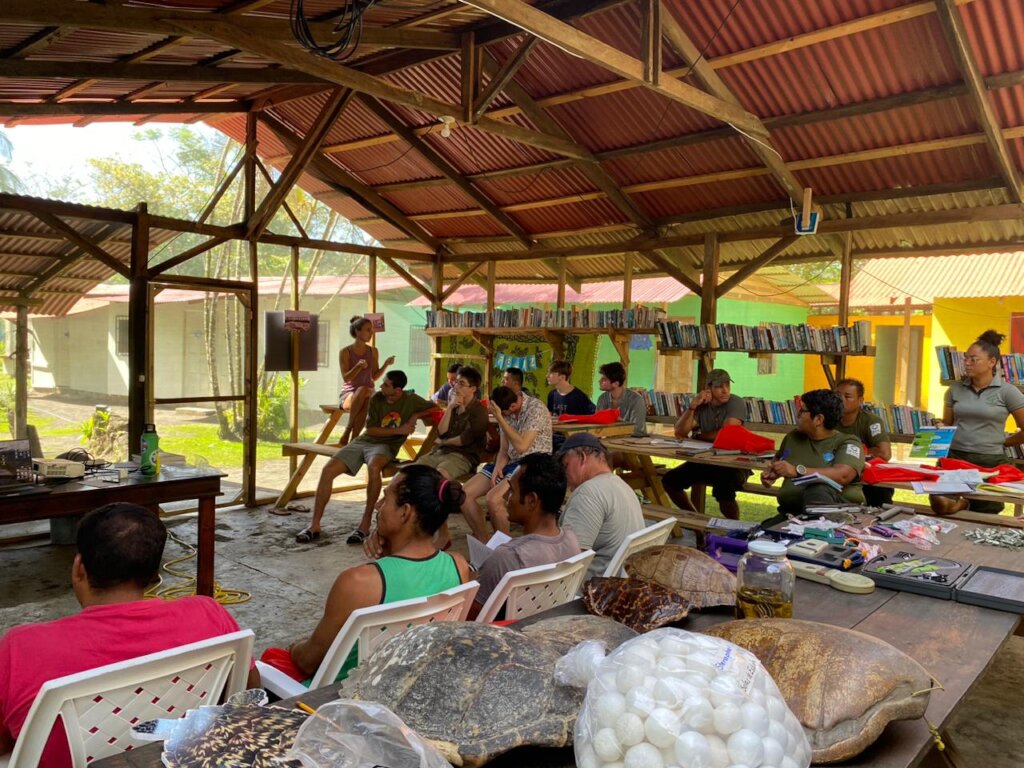
Beyond nest protection, during 2025 we also carried out beach cleanups, collecting more than 832 kg of inorganic waste, which contributes to maintaining a safer habitat for turtles. We also trained more than 150 volunteers from around the world, who are now sea turtle ambassadors in their countries.
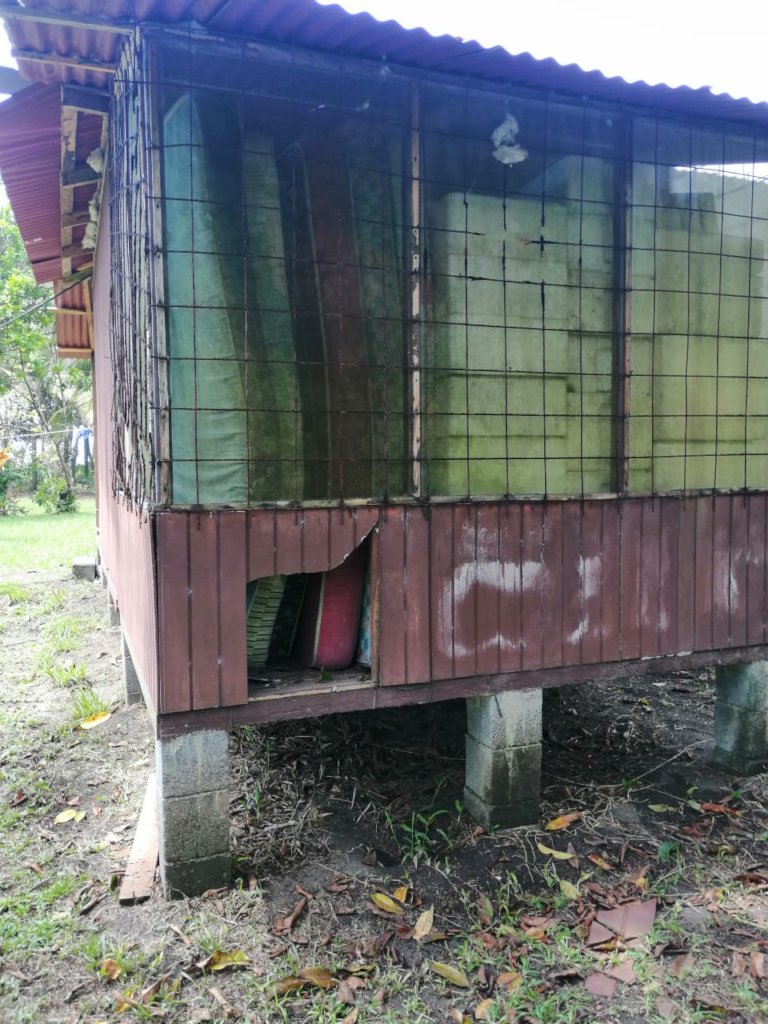
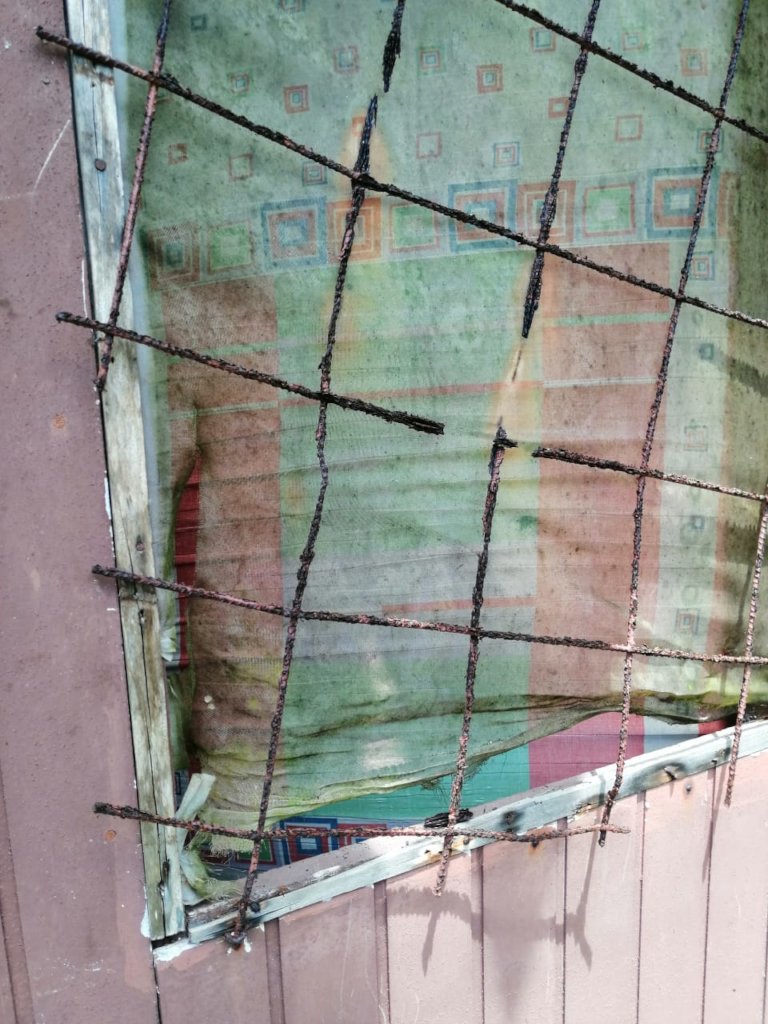
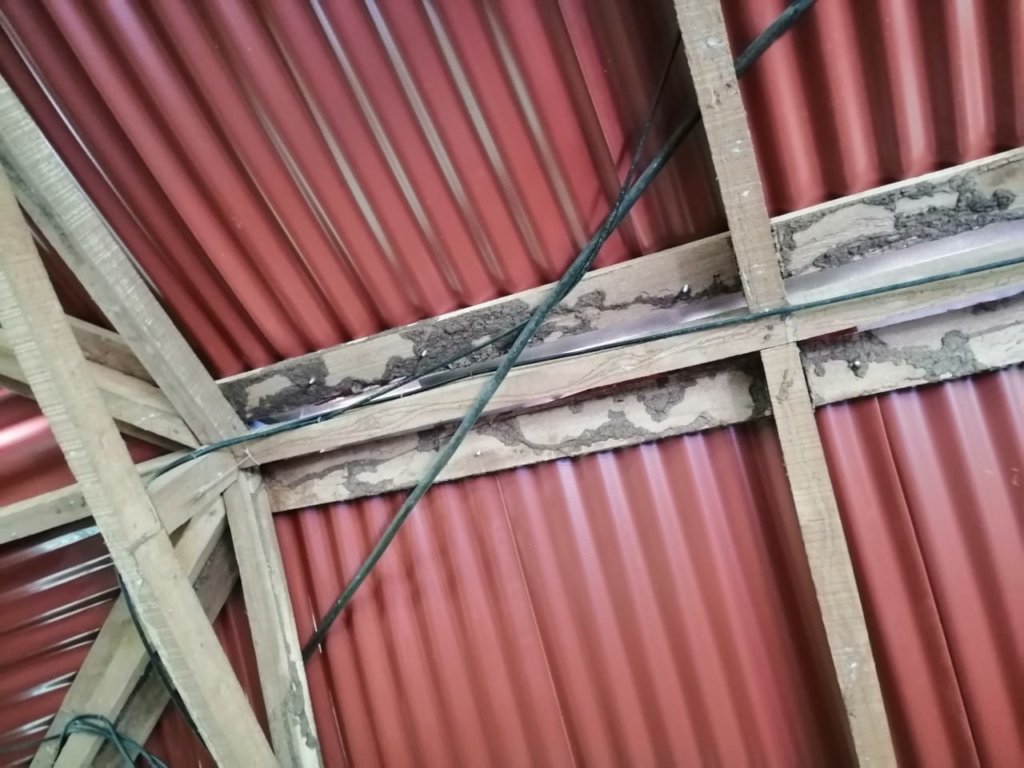
In terms of infrastructure, the project continued to operate normally, but the need to improve and expand our facilities and equipment remains an outstanding challenge. Constant maintenance of the hatchery, monitoring instruments, and volunteer accommodations is essential to sustain and increase our capacity for action in the coming seasons. We are also still awaiting repairs to our all-terrain vehicle, which is essential for patrolling and protecting nests in the most remote areas of the beach.
In terms of infrastructure, the project continued to operate normally, but the need to improve and expand our facilities and equipment remains a challenge. Constant maintenance of the hatchery, monitoring instruments, and volunteer accommodations is essential to sustain and increase our capacity for action in the coming seasons. We are also still waiting to repair our all-terrain vehicle, which is essential for patrolling and protecting nests in the most remote areas of the beach.
Each season is a race against time to find nests before poachers, to rescue hatchlings from erosion, and to ensure that Pacuare Beach remains a sanctuary. With your donation, we can protect more nests, release more hatchlings, and strengthen the project's infrastructure. You are part of this story: every contribution translates into patrols, hatchery materials, training, and, above all, thousands of tiny turtles reaching the ocean.
Links:
Project reports on GlobalGiving are posted directly to globalgiving.org by Project Leaders as they are completed, generally every 3-4 months. To protect the integrity of these documents, GlobalGiving does not alter them; therefore you may find some language or formatting issues.
If you donate to this project or have donated to this project, you can receive an email when this project posts a report. You can also subscribe for reports without donating.



Support this important cause by creating a personalized fundraising page.
Start a Fundraiser