By Libby Henrickson | Global Conservation Programs Coordinator
Dear Women for Conservation Community,
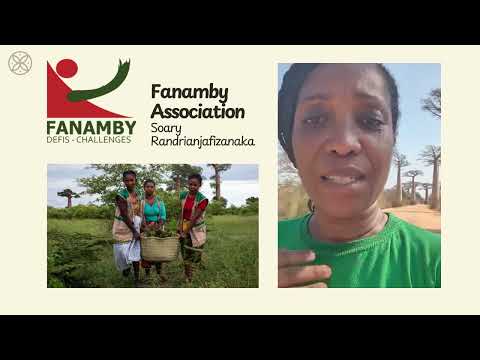
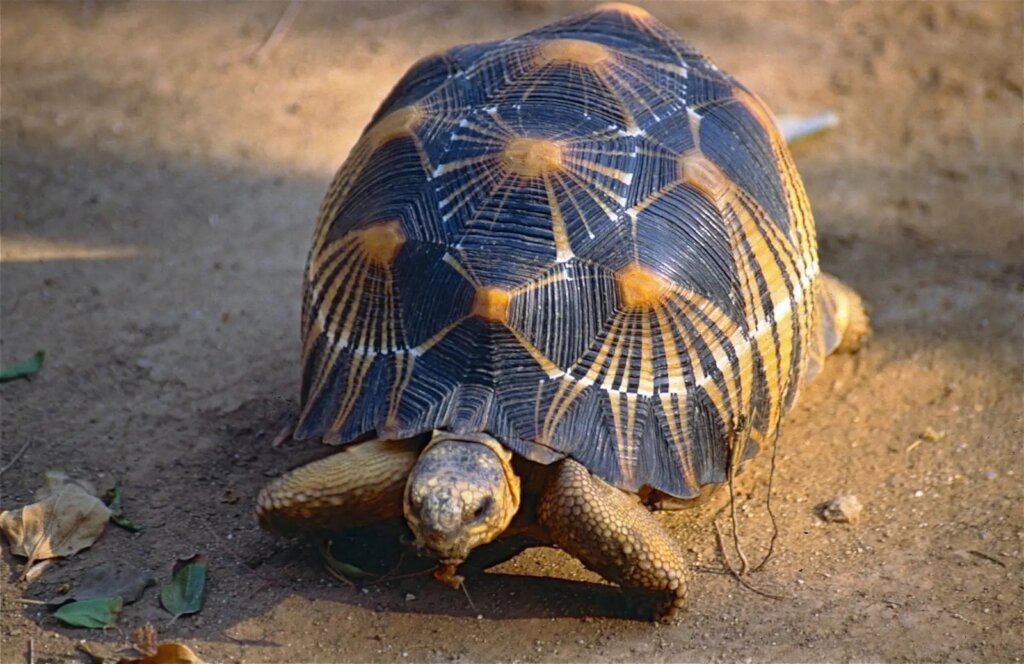
Did you know that every year we lose millions of animals to wildlife poaching and overharvesting? It's one of the biggest drivers of biodiversity loss, right behind deforestation and habitat destruction driven by human land use. That is enough to put entire species at risk of extinction. We traditionally think of iconic species like elephants, rhinos, and pangolins as the primary targets because of their ivory and scales, but many other species suffer from trafficking as well — like tortoises in Madagascar. In 2018, Soary Randrianjafizanaka, regional director of FANAMBY (our partner organization in Madagascar), discovered 10,000 live radiated tortoises hidden in a house in Toliara, a town in southwest Madagascar. These tortoises, which are critically endangered and endemic to Madagascar, would probably have been sold locally as bush meat or internationally as exotic pets; luckily, they were rescued and placed into a rehabilitation center. Poaching for these two reasons is incredibly prevalent across Madagascar. This is only one example of a species being exploited; globally, poaching generates more than $20 billion annually.
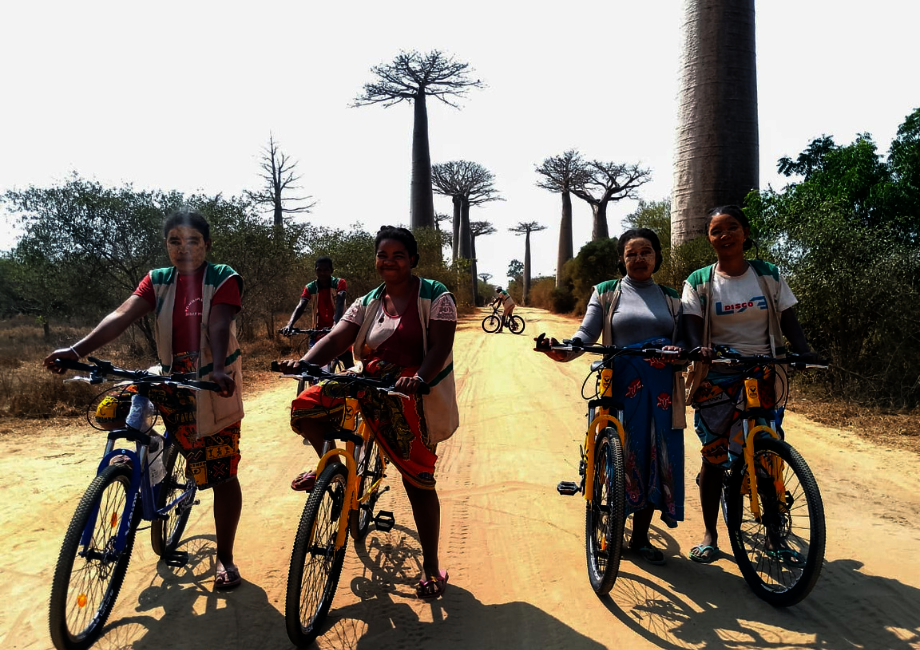
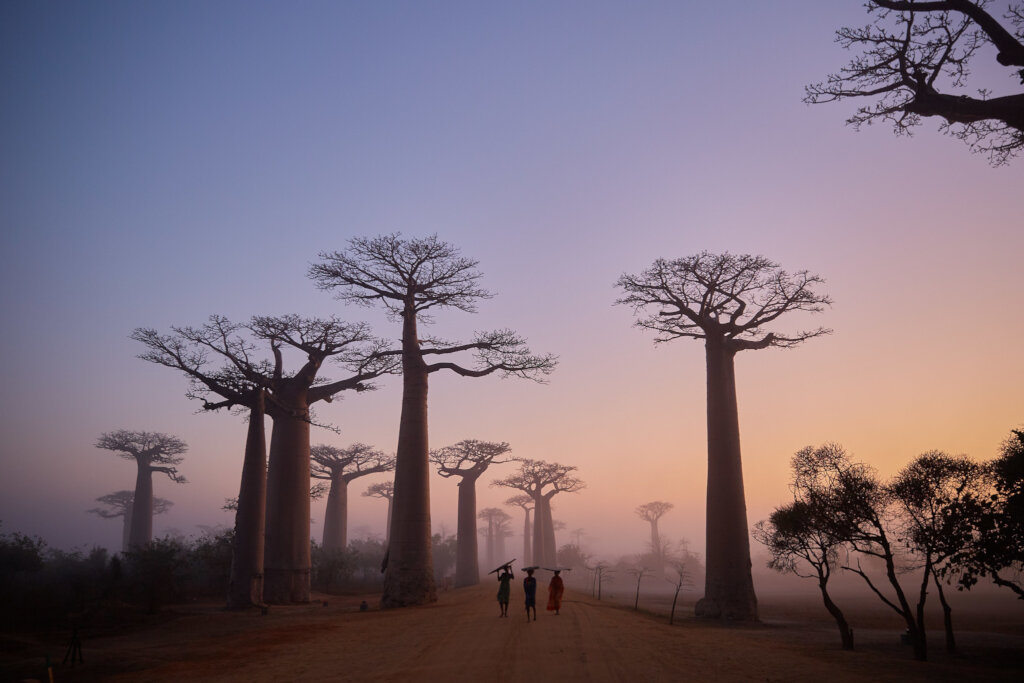
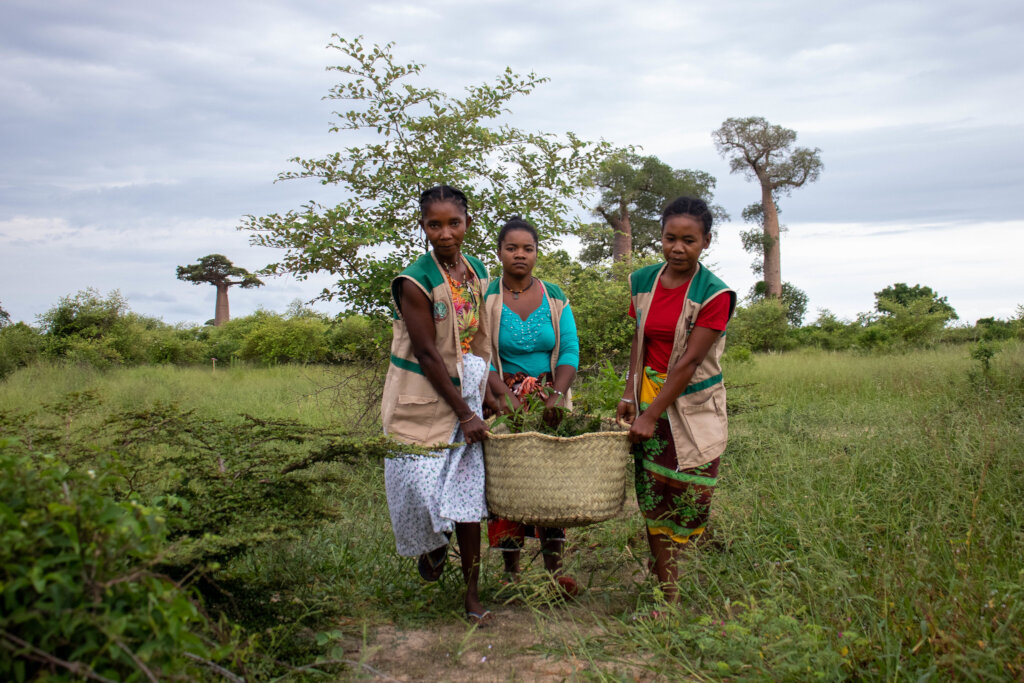
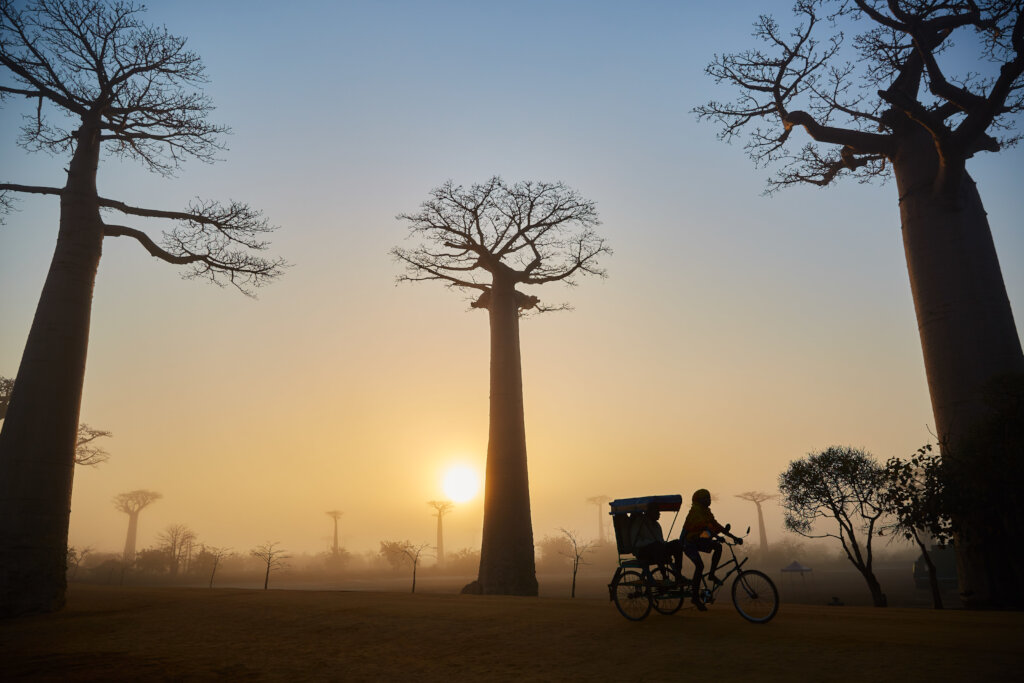
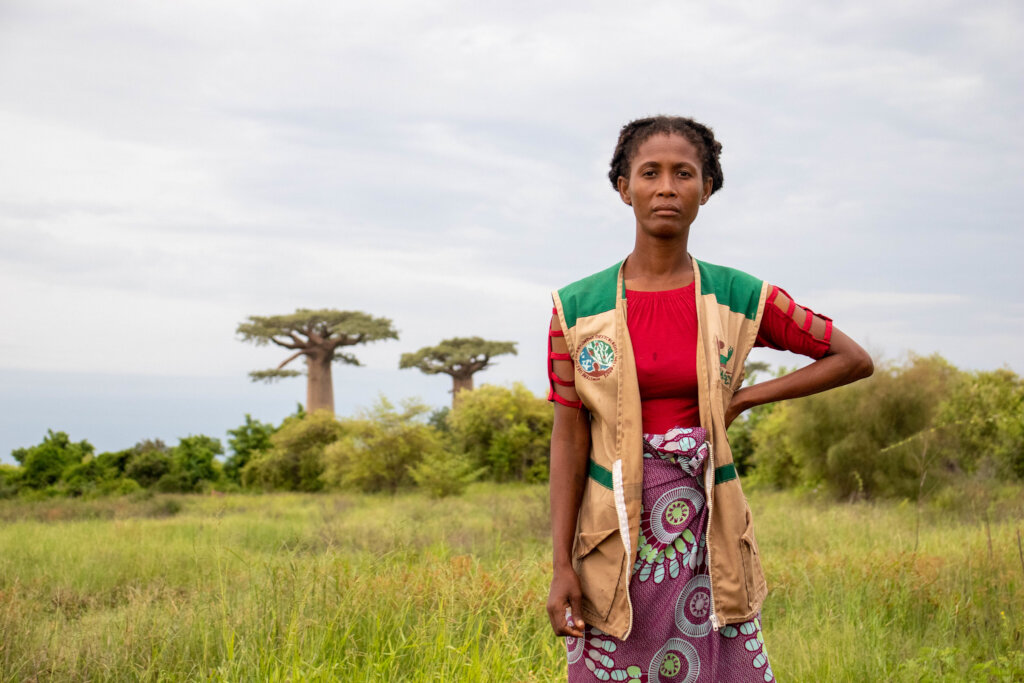
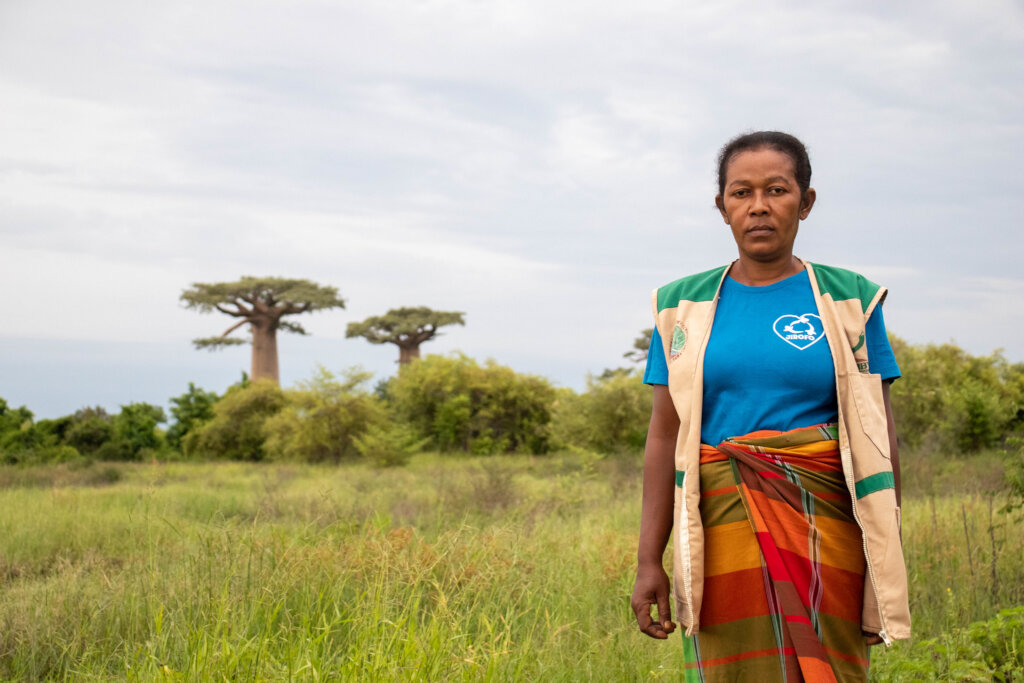
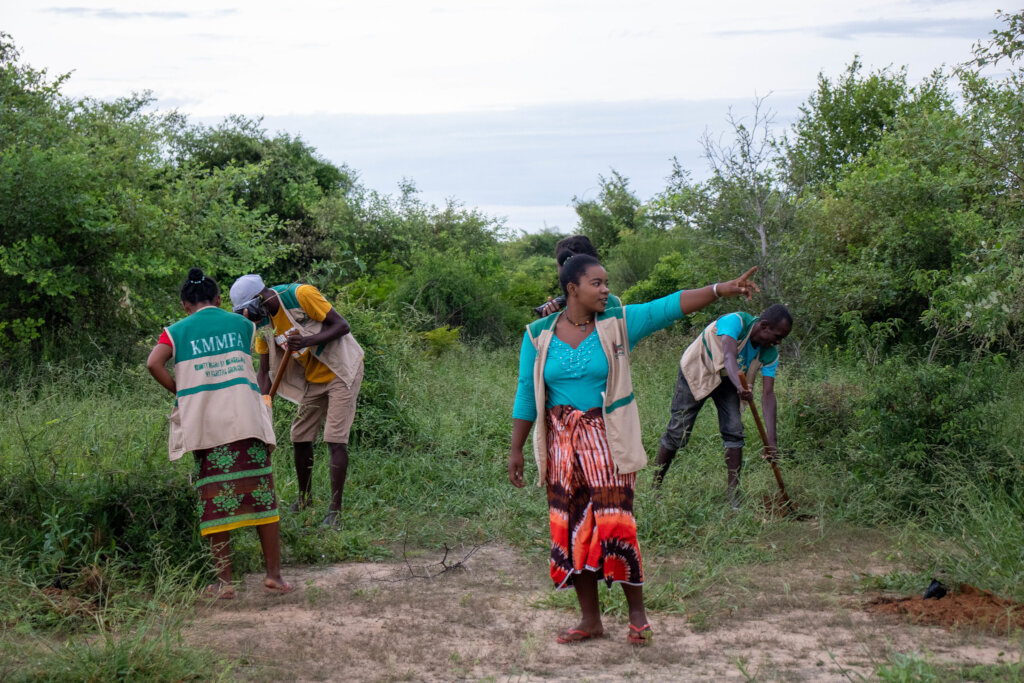
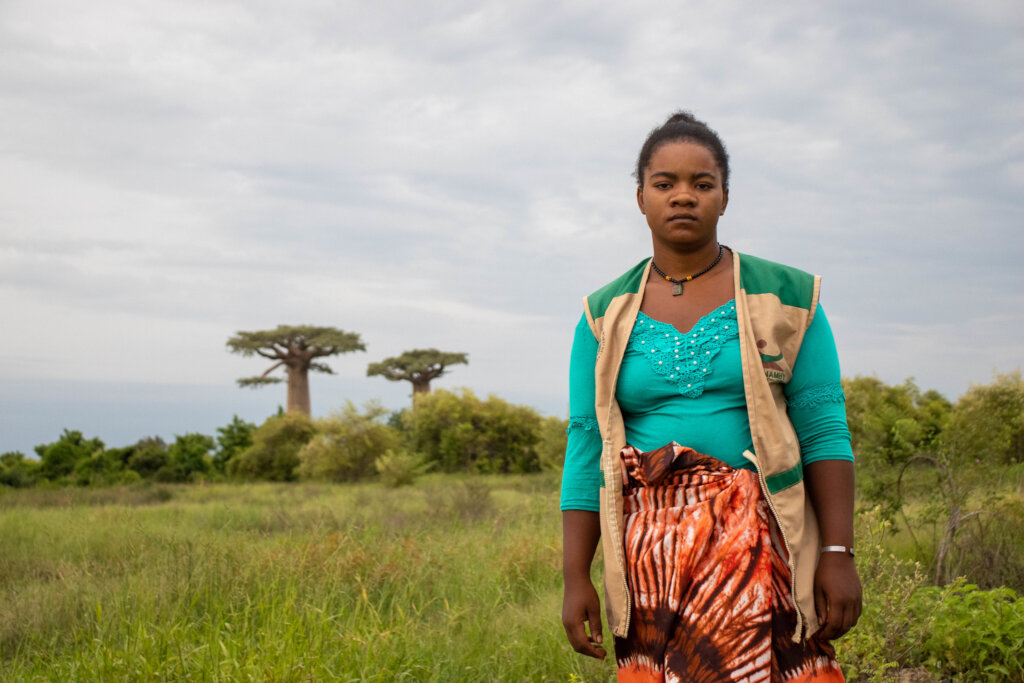
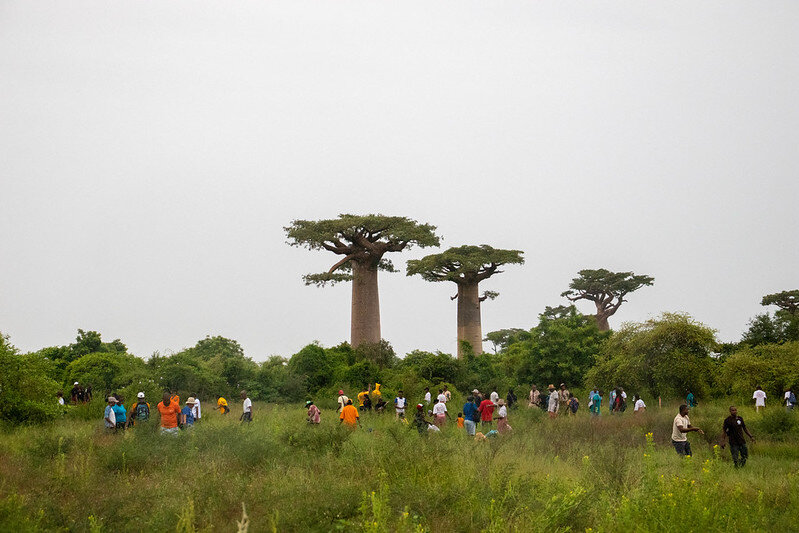
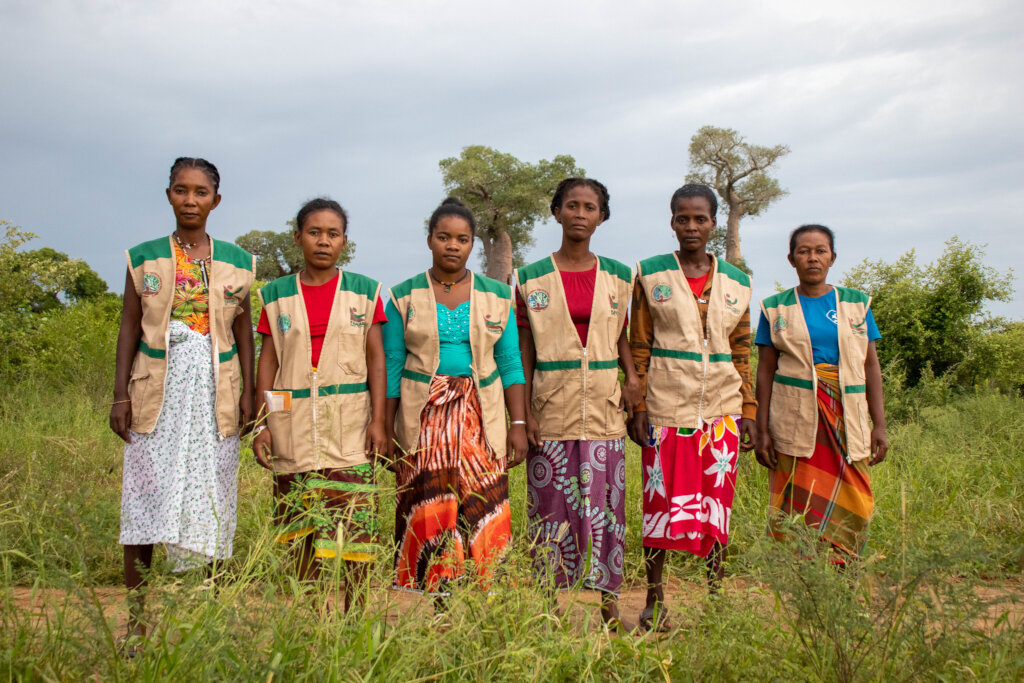
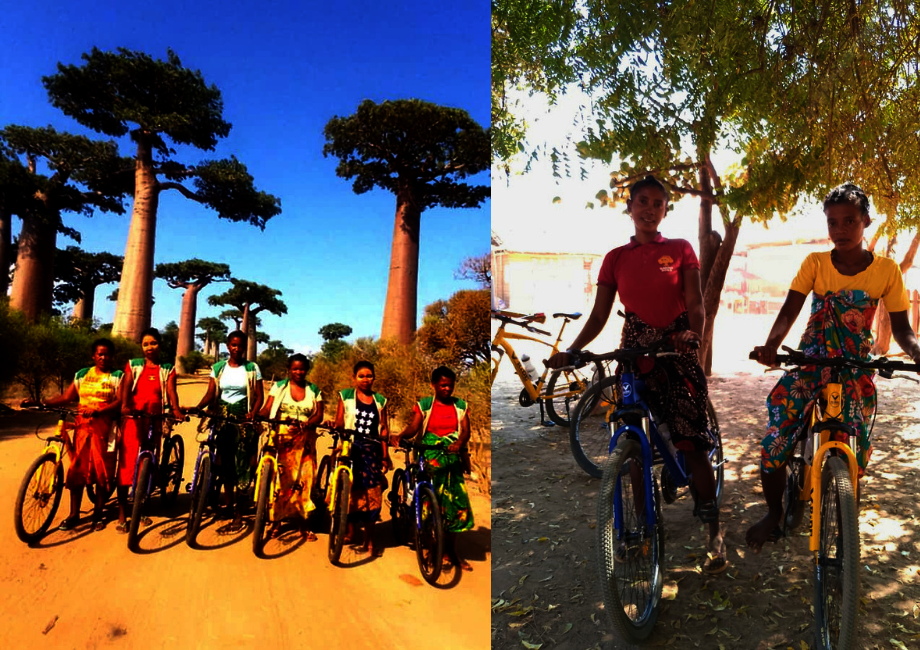
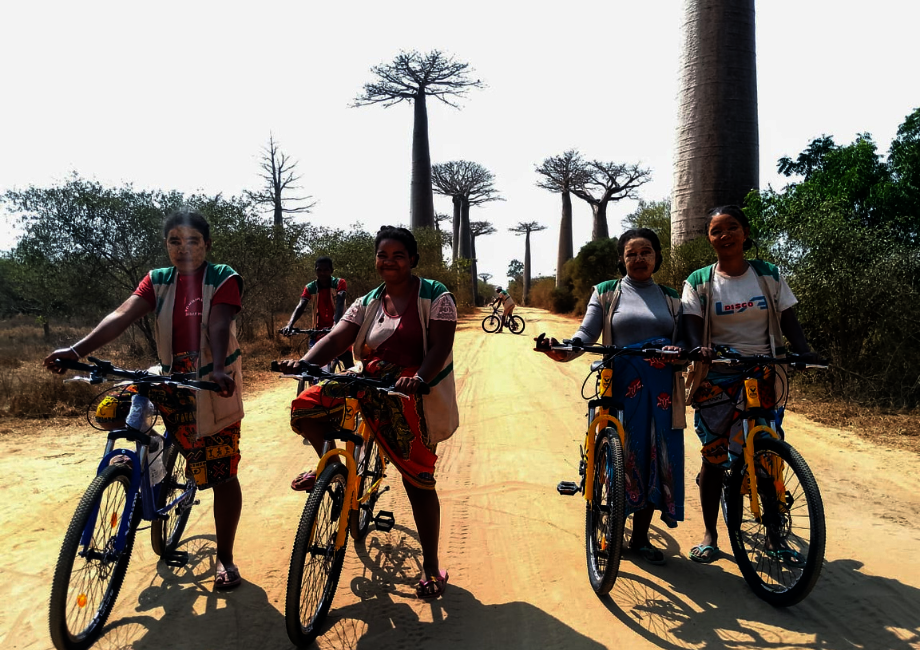
While the women rangers in Madagascar primarily protect Baobab Alley, the ancient grove of Baobab trees in the western Menabe region, they are also responsible for all the other pieces of the ecosystem puzzle – the mammals, amphibians, reptiles, insects, fungi, and plants that make up the rest of the park. Globally, it is very difficult to police wildlife trafficking and many countries do not have robust programs or policies in place. Some of the most effective change can come from rangers on the ground, patrolling and reporting any harmful activity. In fact, employing local people as rangers addresses the problem of poaching in two ways: first, by providing enforcement, and second, by providing livelihoods for the local community. Often, people in economically vulnerable but high-biodiversity areas use poaching as a source of income to provide for their families and bolster the local economy. While poaching is part of an incredibly complex and multinational system incorporating people from all areas of society, by providing sustainable livelihood alternatives, we can at least prevent the need for poaching in order to survive. And when rangers are provided with tools to effectively complete their work, like bicycles, the work can be all the more impactful.
This is why we support women rangers in Madagascar and at our home base of Colombia. We believe in giving women the tools to make change in the most vulnerable ecosystems on the planet. Because when women lead, we can create effective and lasting solutions.
Thank you for supporting this project. Every dollar donated creates sustaining, environmentally conscious jobs for women who need it the most.
Warmly,
The W4C Team.
Project reports on GlobalGiving are posted directly to globalgiving.org by Project Leaders as they are completed, generally every 3-4 months. To protect the integrity of these documents, GlobalGiving does not alter them; therefore you may find some language or formatting issues.
If you donate to this project or have donated to this project, you can receive an email when this project posts a report. You can also subscribe for reports without donating.