By Flo Henry | Communication and Operations Intern
Dear Zimbabwe Educational Trust supporter,
Thank you once again for your donation, hope you had a lovely festive period. We wanted to update you on the progress of our Trinity project by showing you exactly who your money is helping! Our project manager, Mr Pumulani Mpofu, has given us this moving report from the heart of the project. Viola’s thought-provoking story highlights how deep-rooted, life-damaging and difficult to escape the birth certificate problem is in Zimbabwe. As Pumulani’s account shows, Zimbabwe Educational Trust’s work in promoting awareness about the importance of birth certificate registration is vital in ensuring that the lives of individual Zimbabweans are not damaged and their opportunities inhibited, by what has unfortunately become a cultural tradition of non-registration of birth certificates.
“Whose fault is it?” by Mr. Pumulani Mpofu, Trinity Project Leader
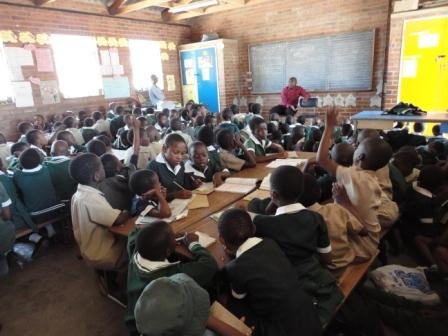
The Zimbabwean constitution’s assertion that each and every child has a right to learn is very much contradicted when children are without birth certificates. Some children cannot enter school at all, while those who do can’t take their Grade seven examinations, and thus are unable to gain the qualifications that they need to escape the poverty cycle. Viola is in Grade seven at Mhali Primary School, and is one of the students whose being prevented from taking their Grade seven examinations because of her lack of birth certificate. She was born on 27th November in 2002, here in Bulawayo.
She has lived with her maternal uncle since her parents died, but her uncle is also suffering as a result of the prevalent birth certificate problem in Zimbabwe. Her uncle works a variety of jobs to support his family but is unfortunately unable to get a proper job because, like Viola he was unable to sit his Grade seven exams. This was also the case for his other four siblings – their mother did not have a birth certificate, which made it very difficult for the children to get their mother’s death certificate when she died. A death certificate is essential in order to gain orphan status, which without children are unable to gain government financial support for education.
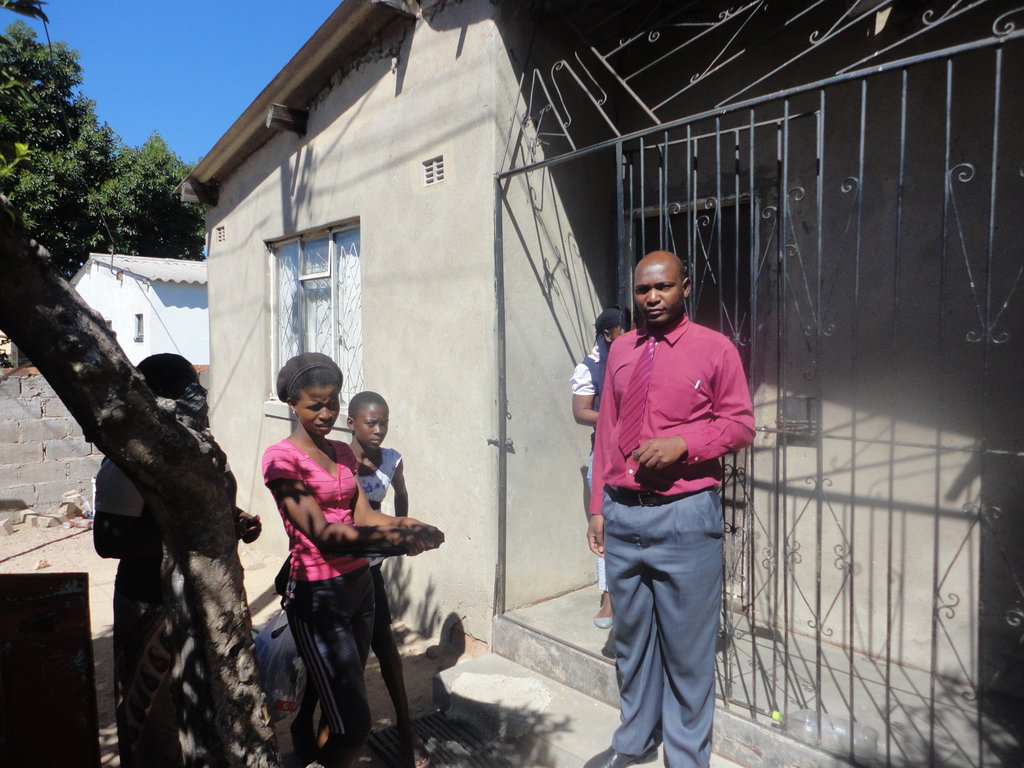
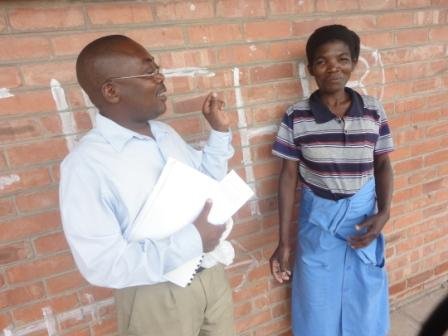
Getting death certificates can be very problematic for these families, who are already carrying the burden of a deceased relative. A search fee is required for a death certificate to be issued without a birth certificate. For Viola, her grandfather Patrick is unable to raise the money required for a search fee because of his status as unemployed, and the 10 grandchildren under his care in his Matapo rural homestead. Law also requires that, if the search fee is available, a blood relative of the deceased, preferably the parents, has to act as a witness for the death certificate to be issued. However, family disputes between Patrick and his wife’s father due to Patrick not following the proper socio-cultural marriage procedures, Patrick’s father in law will never acknowledge him. Trinity are helping Patrick, contacting his wife’s father to help Patrick gain his wife’s death certificate.
For Viola, the problem can be traced back to her grandmother. Viola’s grandmother did not live with her parents growing up, and thus the relatives that she was staying with did not tell her parents to register their child. Viola’s grandmother went to work at Matopo village, where she met Patrick. His unemployment status means he is no position to fulfil his in-law’s wish of going for formalities. All five of his children have been disadvantaged, and his grandchildren will never go to high school, and thus never get proper and paying jobs. The Trinity Project’s work in increasing awareness of the damage that not registering for birth certificates can cause, and the way it can cripple a family and prevent progress is vital.
In such a scenario, there is no utopian solution. Viola was enrolled at Mhali Primary School because her mother promised to register her before the end of her first year at Primary level, which never happened. Viola’s mother, Musa was unable to register because she herself was not registered, and neither was her own mother. The way in which non-registration of birth certificate can prevent access to the gift of education is evident.
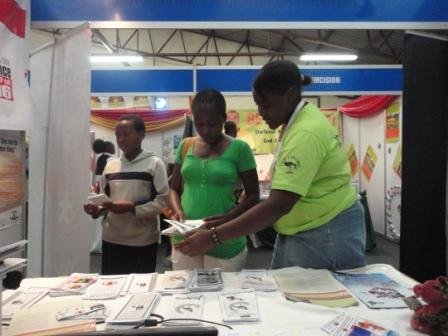
Non-registration for birth certificates is a social, cultural and economic issue and if people are continuously given an insight regarding to how they can avert such scenarios, perhaps every child in Zimbabwe can be registered. Thus, the work of Trinity Project in promoting awareness, which is only possible through your continued support, is imperative in providing education to all in Zimbabwe.
Thank you very much for your continued interest in our project, as you can see birth certificates are causing problems in Zimbabwe to many children, just like Viola.
Best Wishes,
Flo Henry
Communication and Operations Intern
Links:
Project reports on GlobalGiving are posted directly to globalgiving.org by Project Leaders as they are completed, generally every 3-4 months. To protect the integrity of these documents, GlobalGiving does not alter them; therefore you may find some language or formatting issues.
If you donate to this project or have donated to this project, you can receive an email when this project posts a report. You can also subscribe for reports without donating.



Support this important cause by creating a personalized fundraising page.
Start a Fundraiser