By Stephanie Kong | Director
Dear Friends,
Thank you for your continued support.
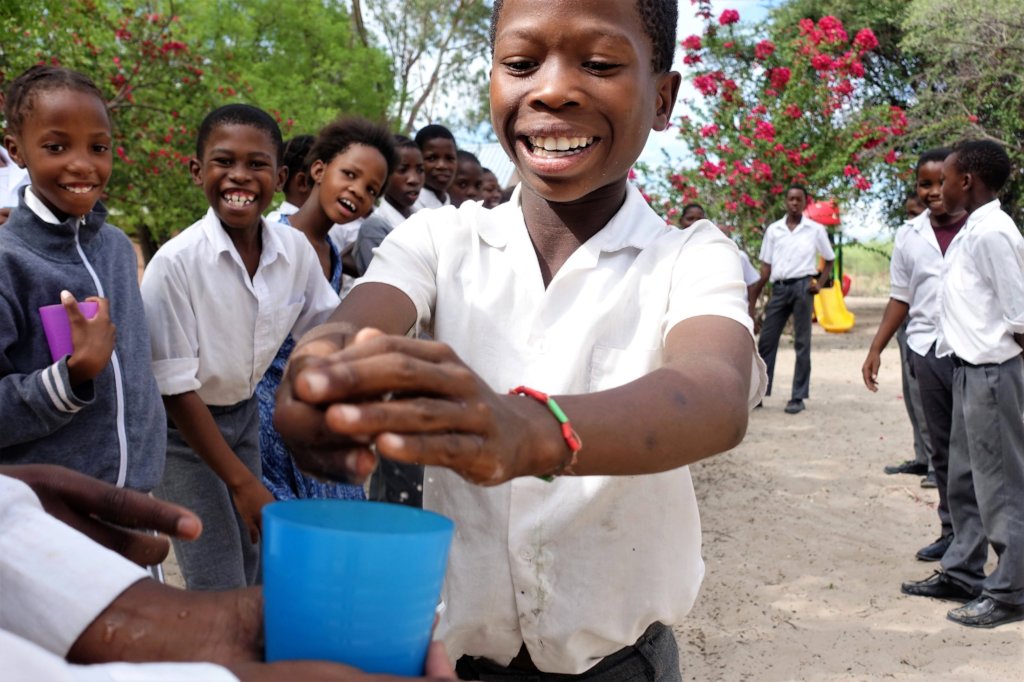
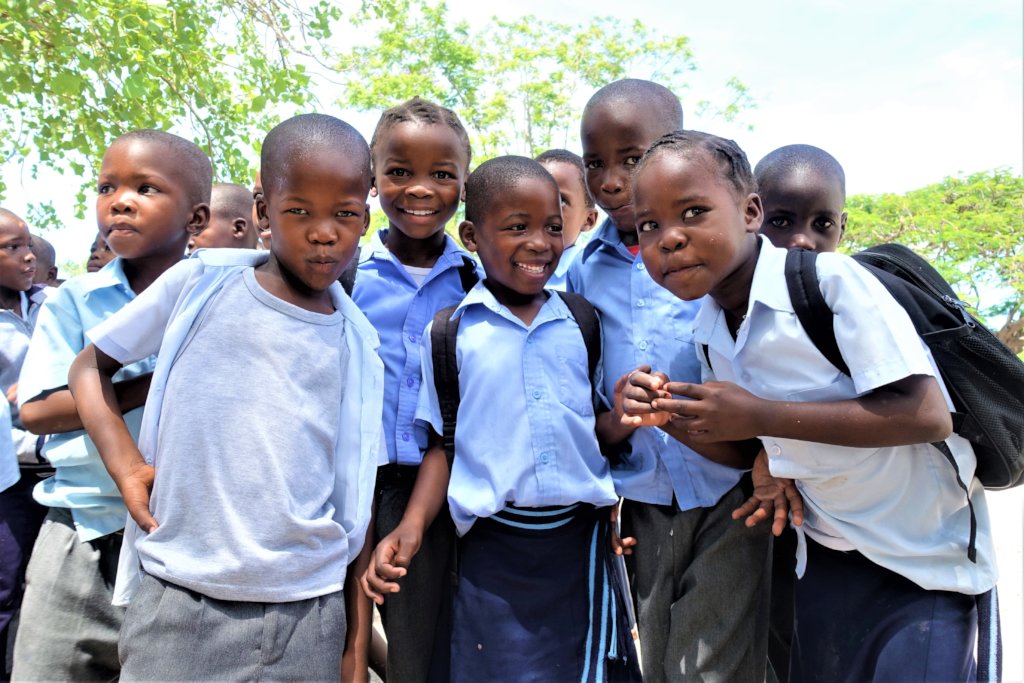
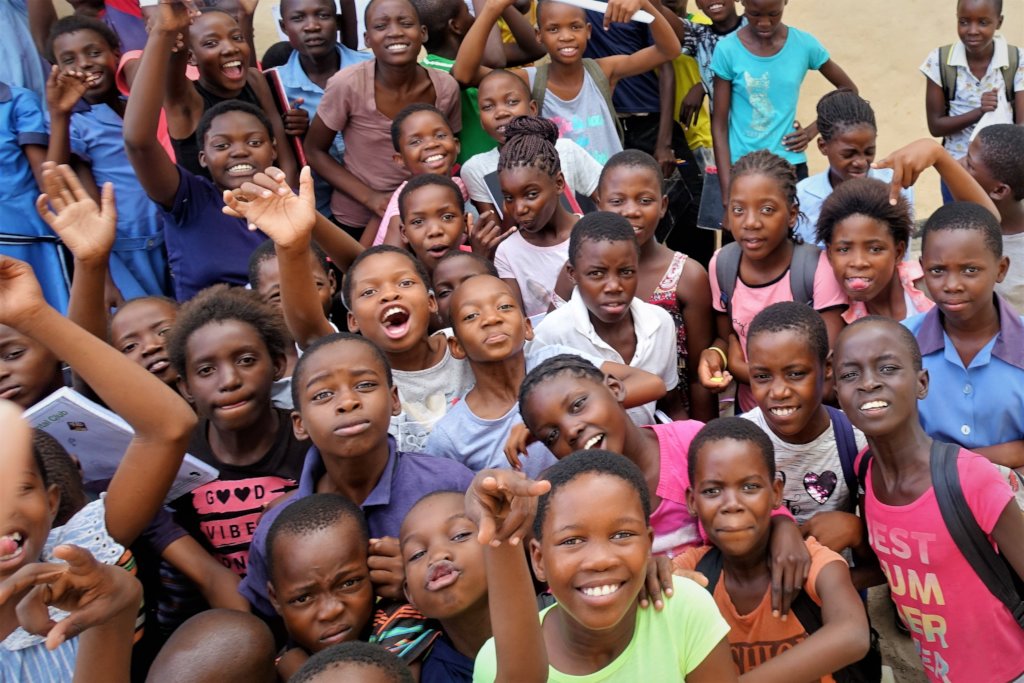
Because of your generosity, rural students in the Boteti region of Botswana are gaining access to high-quality, engaging environmental education, often for the first time. Your contributions are helping to nurture the next generation of conservation leaders by fostering curiosity, knowledge, and pride in Botswana’s natural heritage.
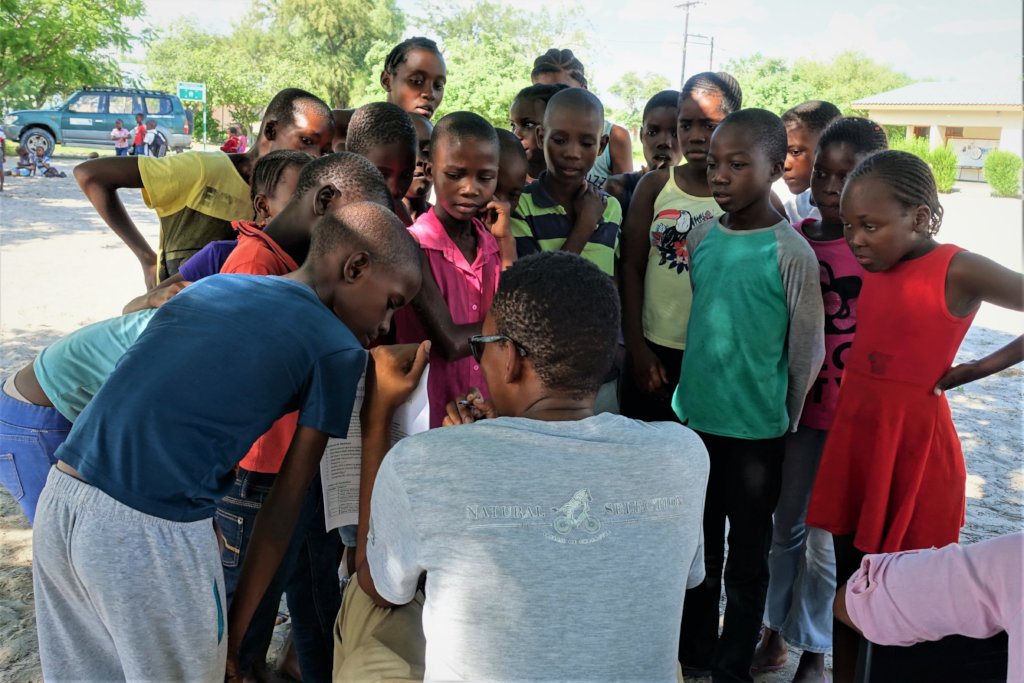
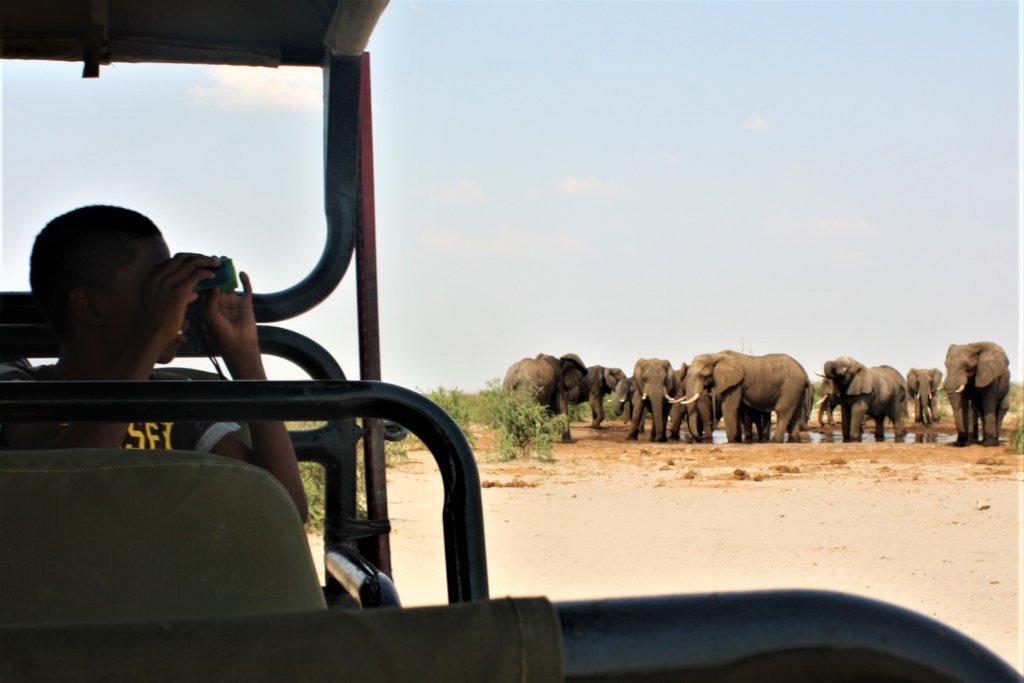
The Elephants for Africa Environmental Education Programme is designed to complement school curricula while introducing students to real-world conservation challenges and solutions. Our lessons are designed to provide comprehensive coverage of a variety of activities, including valuing Botswana’s ecosystems and biodiversity, understanding elephant ecology, behavior, and conservation, exploring the scientific process and critical thinking, and engaging with general scientific and mathematical concepts.
Our approach emphasizes interactive learning, discussion, and hands-on activities, ensuring students are not only informed but empowered to think critically about the environment around them.
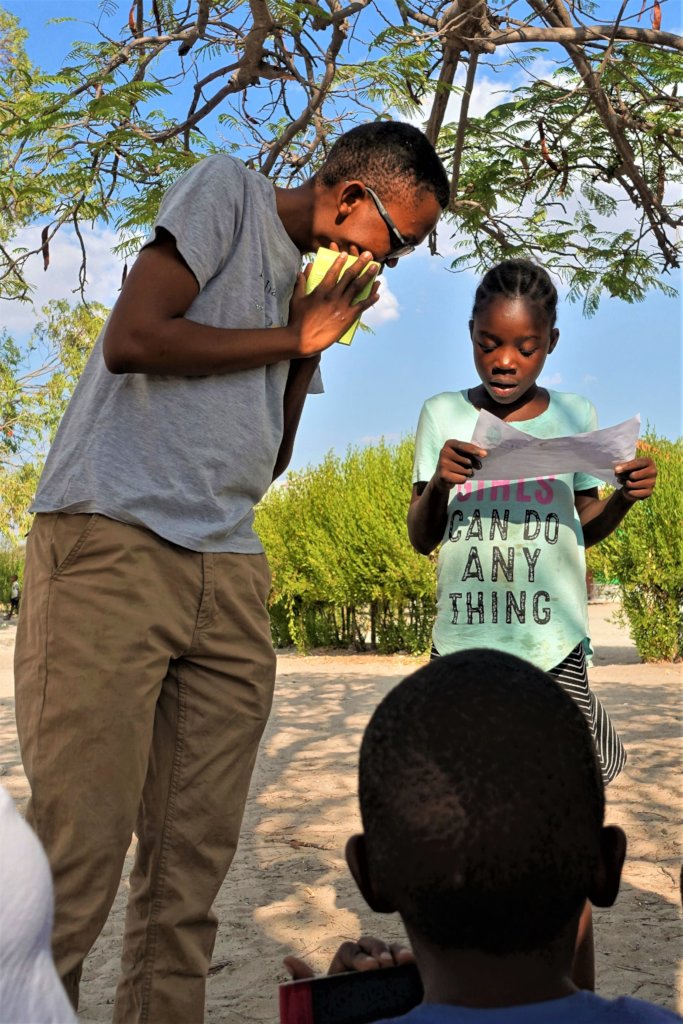
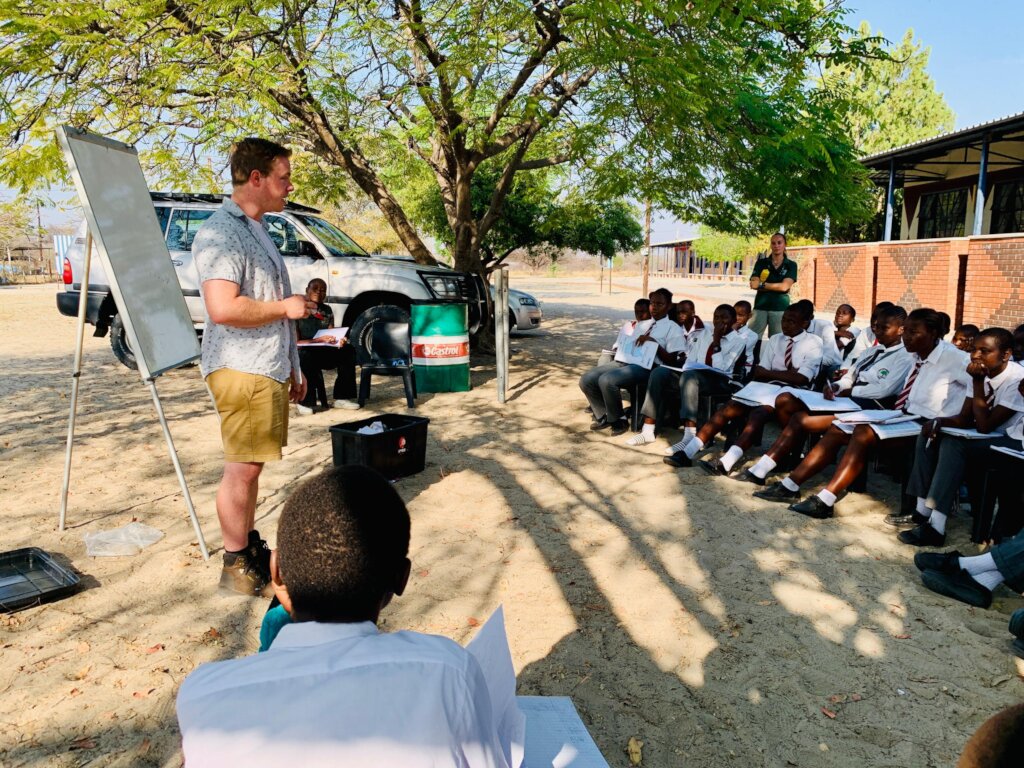
In addition to our core curriculum, we like to mix it up by inviting guest speakers into the classroom. These sessions encourage idea-sharing and cross-cultural exchange, benefiting both students and visitors alike.
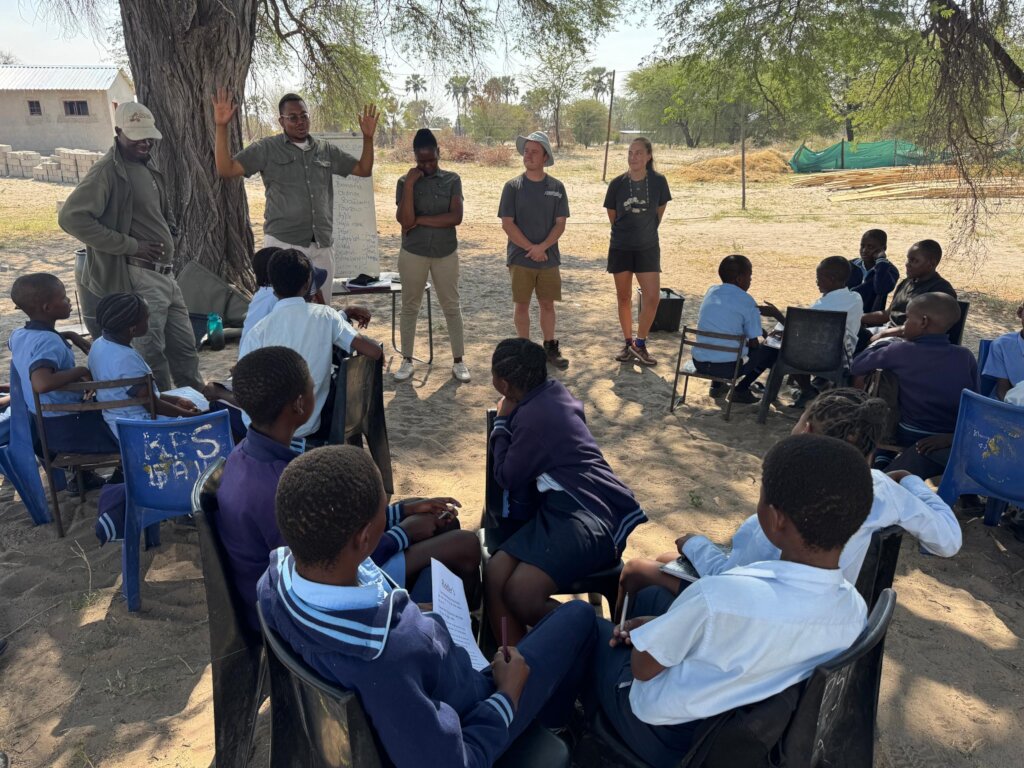
Most recently, students were especially inspired by two guest speakers:
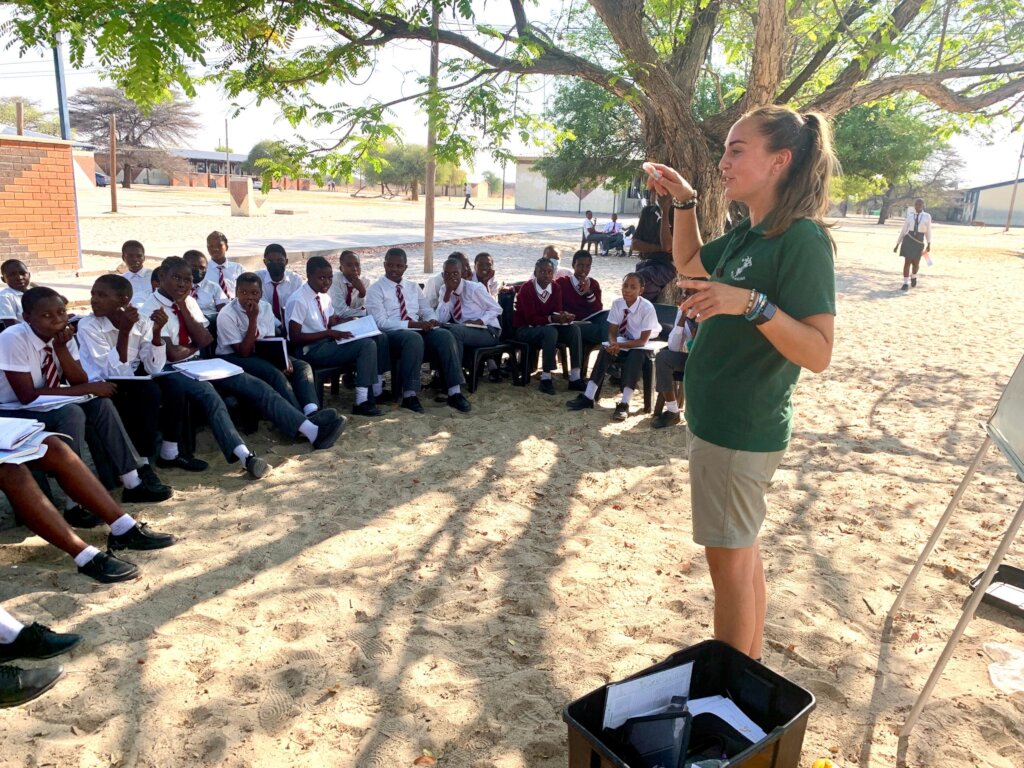
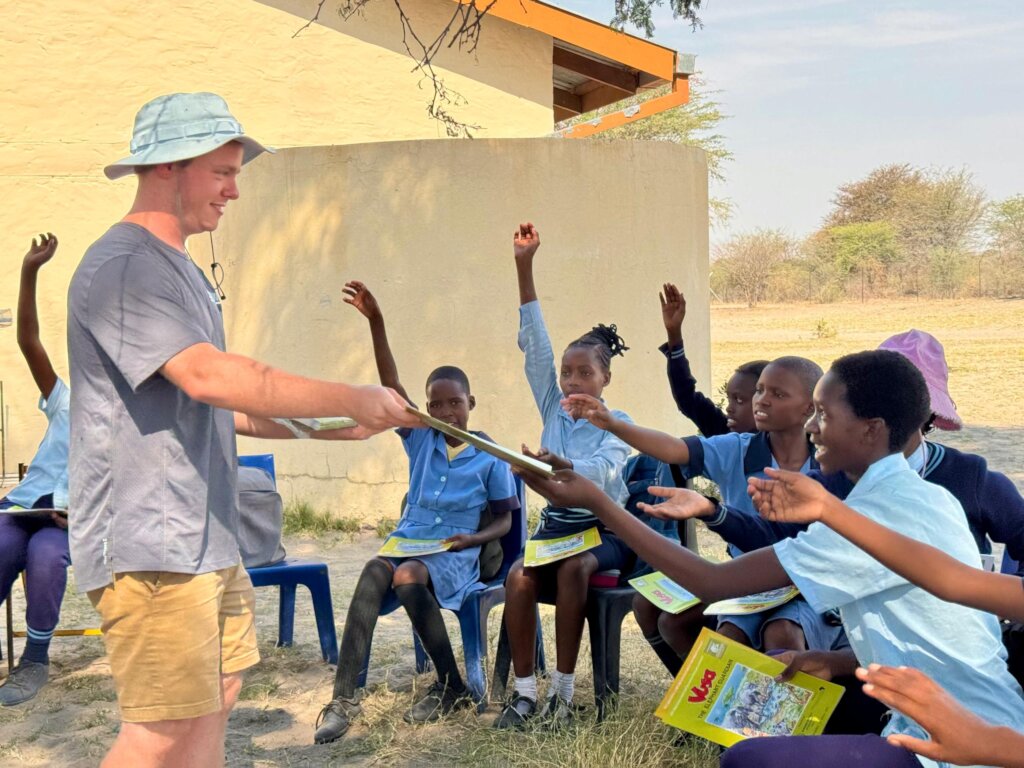
David, a visiting zoo keeper from the Memphis Zoo (USA) shared insights into African elephant husbandry in zoological settings. Students were both shocked and fascinated to learn that elephants are kept in zoos in other countries, and they were deeply engaged in discussions about what it takes to keep such large, intelligent animals healthy and stimulated in captivity. Espeically since to them, an elephant is just an animal you may see on your wat to school!
Kate, an Elephants for Africa Research Volunteer (UK), presented on her work in rhino conservation in South Africa. She introduced students to rhino ecology, conservation threats, and the real-life applicaiton of the scientific process. By walking students through how she designed her research project and methodologies, she provided a tangible example of how science is used to answer conservation questions and protect wildlife.
Both guest sessions sparked thoughtful questions, lively discussion, and genuine curiosity. Students were attentive, engaged, and eager to learn, leaving with a deeper understanding of conservation beyond their immediate surroundings. Most importantly, these experiences helped foster a greater appreciation for Botswana’s native species and natural heritage.
Your support allows us to continue expanding horizons, sharing knowledge, and building meaningful partnerships that connect rural students with the wider conservation world. Together, we are encouraging curiosity, stewardship, and cross-cultural understanding, planting seeds that will shape Botswana’s conservation future.
Thank you for believing in Botswana’s future environmental stewards with us!
With gratitude,
The Team at Elephants for Africa
Project reports on GlobalGiving are posted directly to globalgiving.org by Project Leaders as they are completed, generally every 3-4 months. To protect the integrity of these documents, GlobalGiving does not alter them; therefore you may find some language or formatting issues.
If you donate to this project or have donated to this project, you can receive an email when this project posts a report. You can also subscribe for reports without donating.



Support this important cause by creating a personalized fundraising page.
Start a Fundraiser