By Helina Ocran | SRHR Officer
Reporting Period
July – September 2026
Organisation
Street Children Empowerment Foundation (SCEF)
Programme
Fawohodie Programme (Empower Her Project)
Focus Area
Girls' Empowerment, Sexual and Reproductive Health and Rights (SRHR), Menstrual Health, Child Protection and Advocacy
Location
James Town, Accra, Ghana
2. Programme Overview
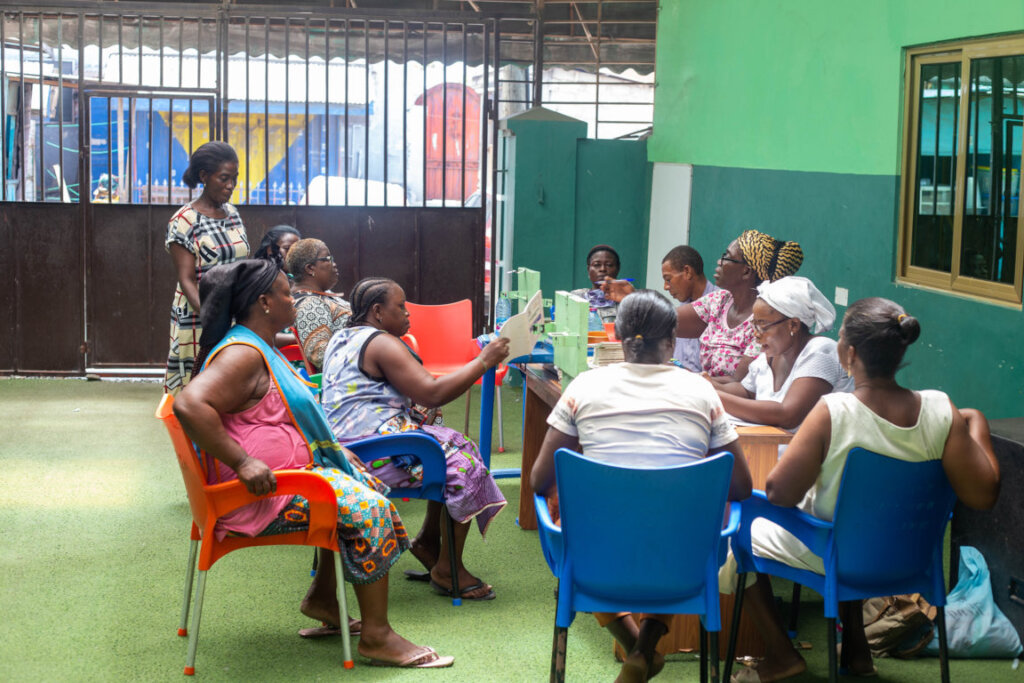
During the July–September 2026 reporting period, the Street Children Empowerment Foundation (SCEF) continued to create safe and supportive spaces for girls to build confidence, understand their rights, learn about their bodies, and speak openly about issues affecting their wellbeing.
Activities during the period focused particularly on girls' empowerment, child protection, menstrual health education, confidence-building, peer support and advocacy. Through the Girls Club and menstrual health activities, girls were encouraged to identify challenges affecting them, understand where and how to seek support, and use their voices to advocate for themselves and others.
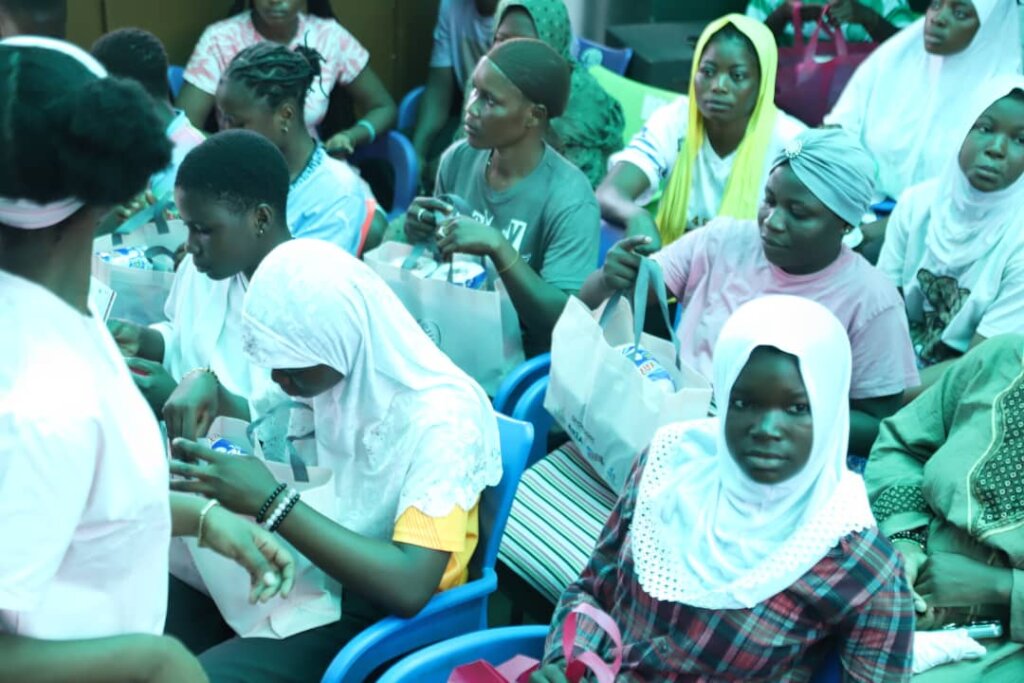
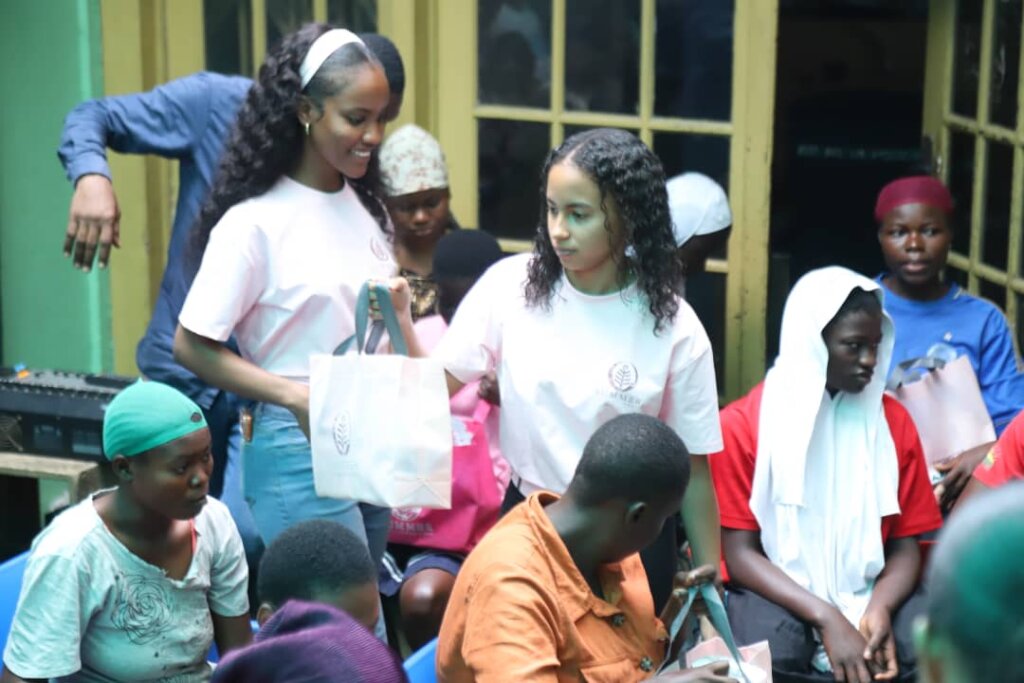
The period also included a major menstrual hygiene education and pad distribution activity organised in partnership with Summer Solutions Foundation. The activity reached 100 girls, combining practical menstrual health education with the provision of menstrual hygiene supplies.
Together, these activities contributed to SCEF's broader goal of ensuring that girls grow up with the knowledge, confidence, support and opportunities needed to make informed decisions and participate meaningfully in their families, schools and communities.
3. Key Activities Implemented
3.1 Girls Club Conversations: Speaking Up on Issues Affecting the Girl Child
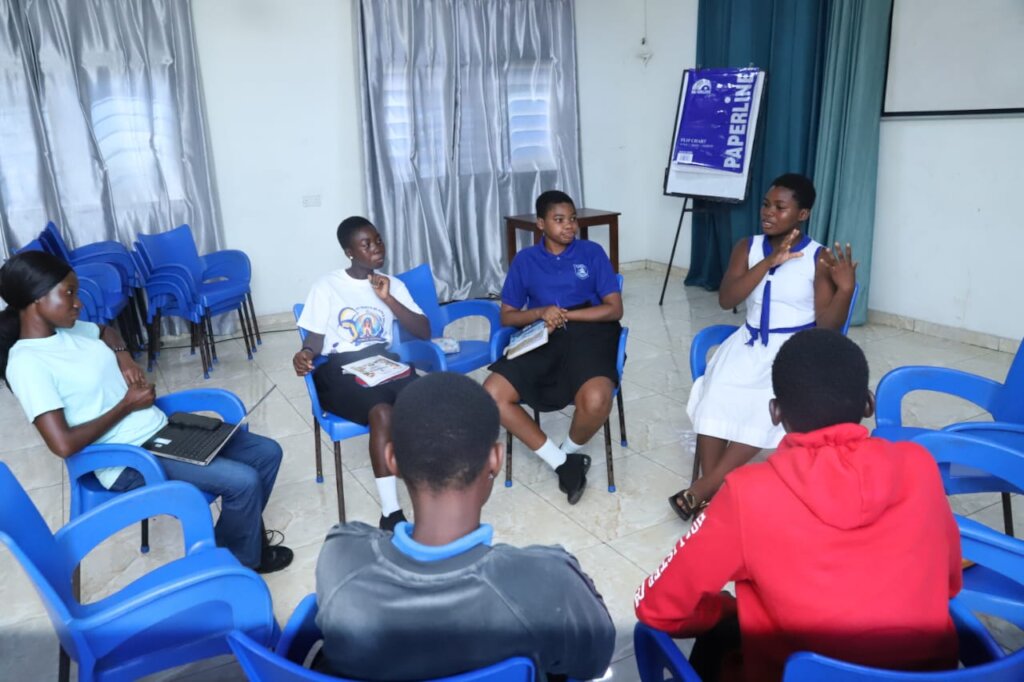
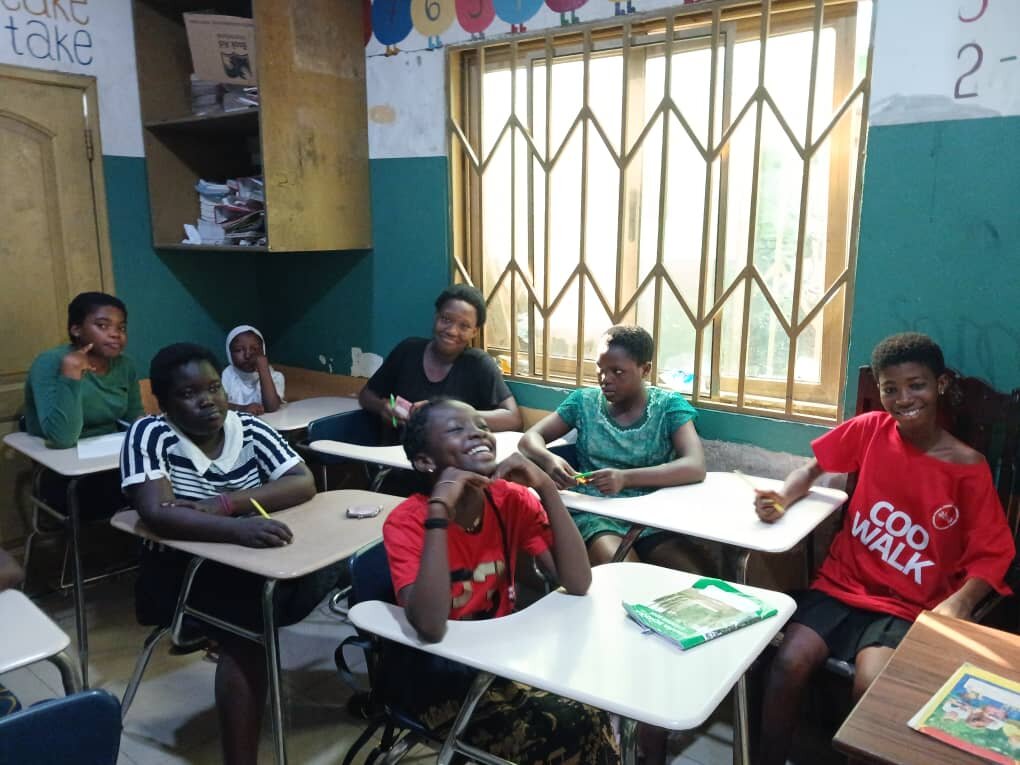
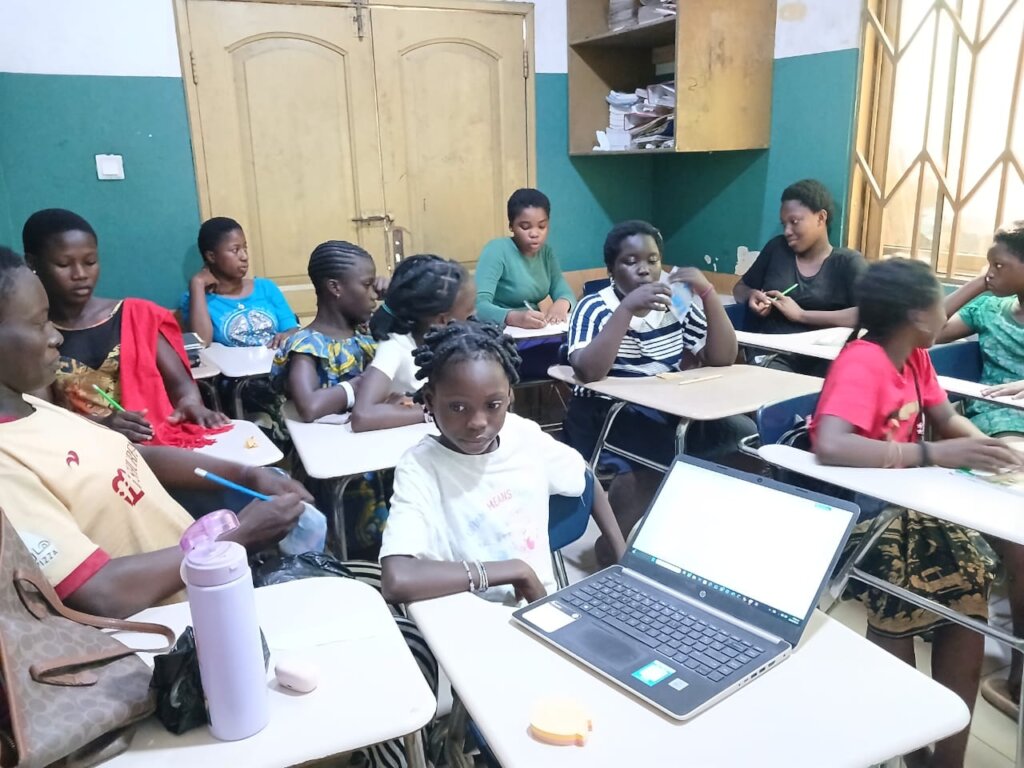
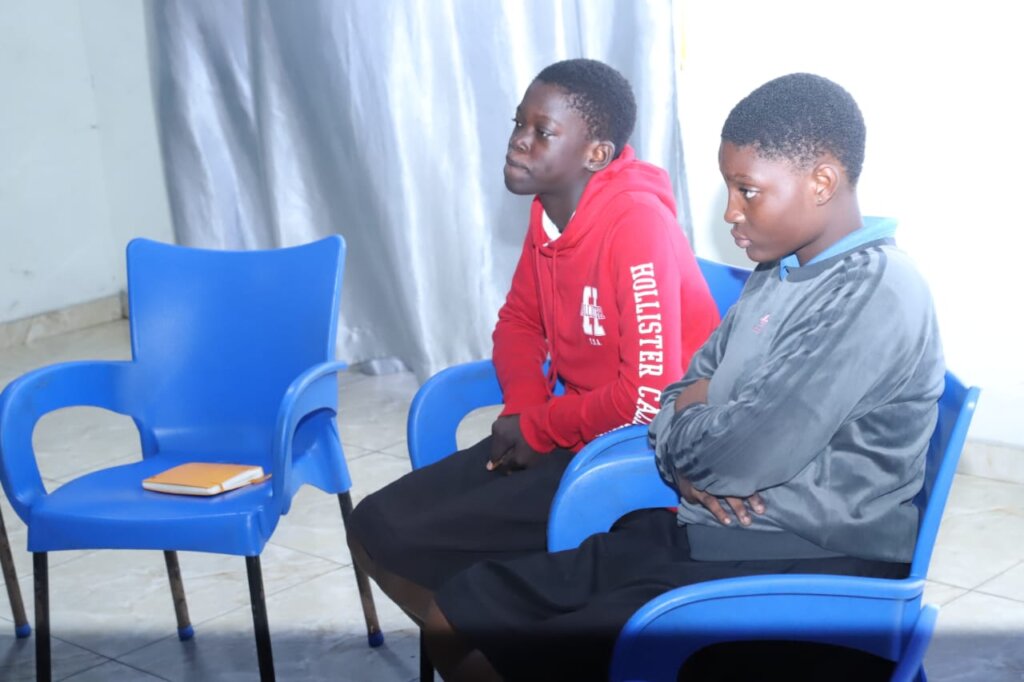
As part of preparations around the Children's Day celebration, members of the Girls Club participated in a series of discussions about issues affecting girls in Ghana, with particular attention to girls living in communities such as James Town and girls in rural areas.
The discussions provided a safe environment for the girls to share their understanding and experiences of challenges affecting the girl child. Topics discussed included:
The girls discussed how these challenges can affect their safety, education, confidence, dignity and ability to participate fully in everyday life.
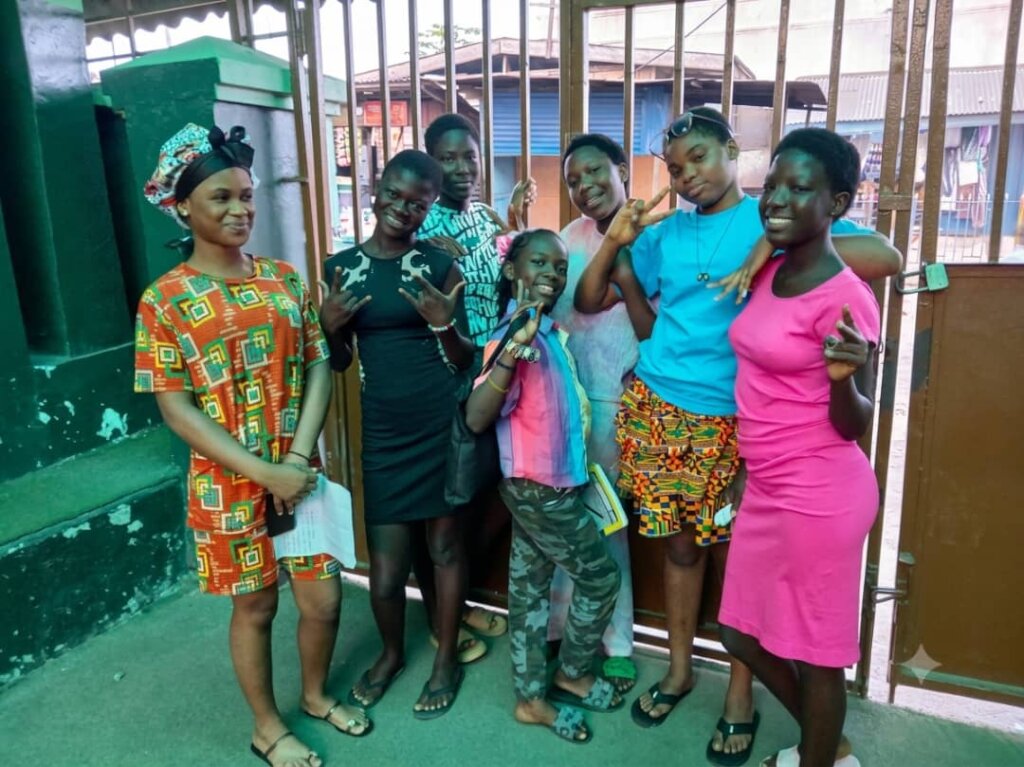
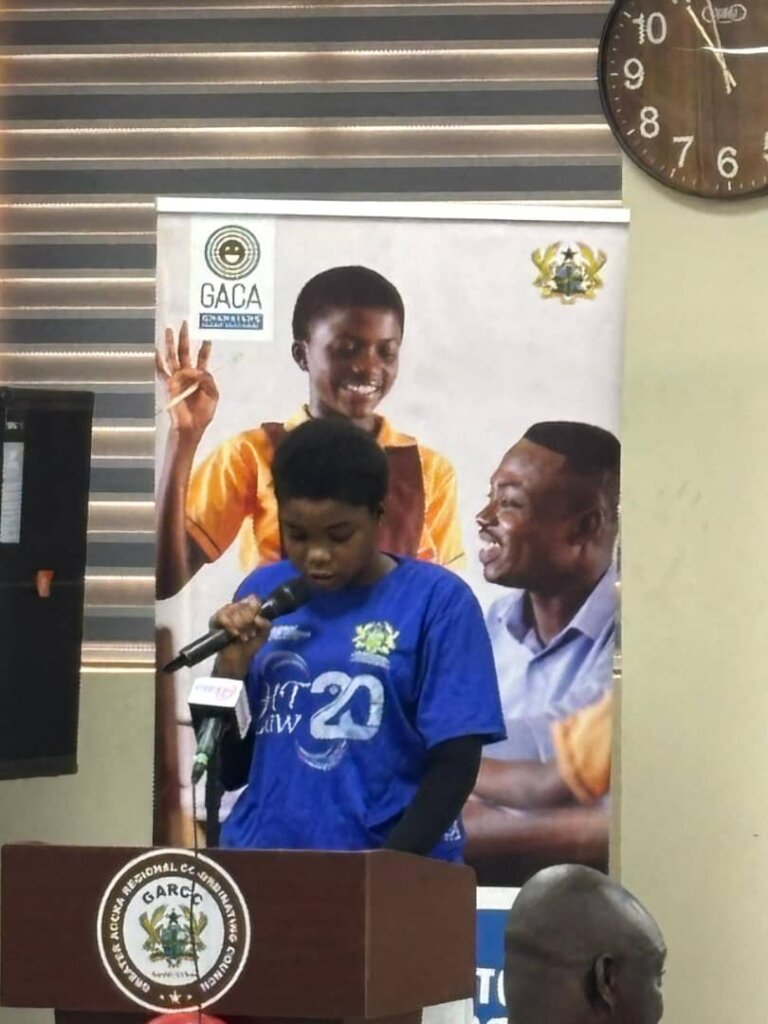
The conversations also encouraged the girls to think about where they can seek help when they experience or witness harmful situations. Building on their exposure to children's rights and advocacy through the Children's Parliament, the girls were encouraged not only to understand their rights but also to use their voices to advocate for themselves and other children. 22 young girls have been reached through the Girls Club.
The sessions reinforced the message that speaking up is an important part of protecting oneself and others, and that girls should be able to seek help from trusted adults and appropriate support systems when they face situations that make them feel unsafe.
3.2 “Go Girls!” — Building Confidence and Self-Belief
The Girls Club also engaged in a confidence-building session centred around a song the girls proudly composed with assistance from an AI tool, titled “Go Girls!”
The song became a starting point for a broader conversation about self-worth, confidence, body awareness, rights and the importance of believing in oneself. Through the discussion, the girls were reminded that:
Every girl is valuable and capable.
The activity created an opportunity for the girls to reflect on their personal potential and the role they can play in creating safer and more supportive environments for other girls. The session ended with the girls feeling more confident and motivated to use both their voices and their actions to contribute to positive change.
4. Menstrual Hygiene Education and Pad Distribution“Let's Talk Periods!”
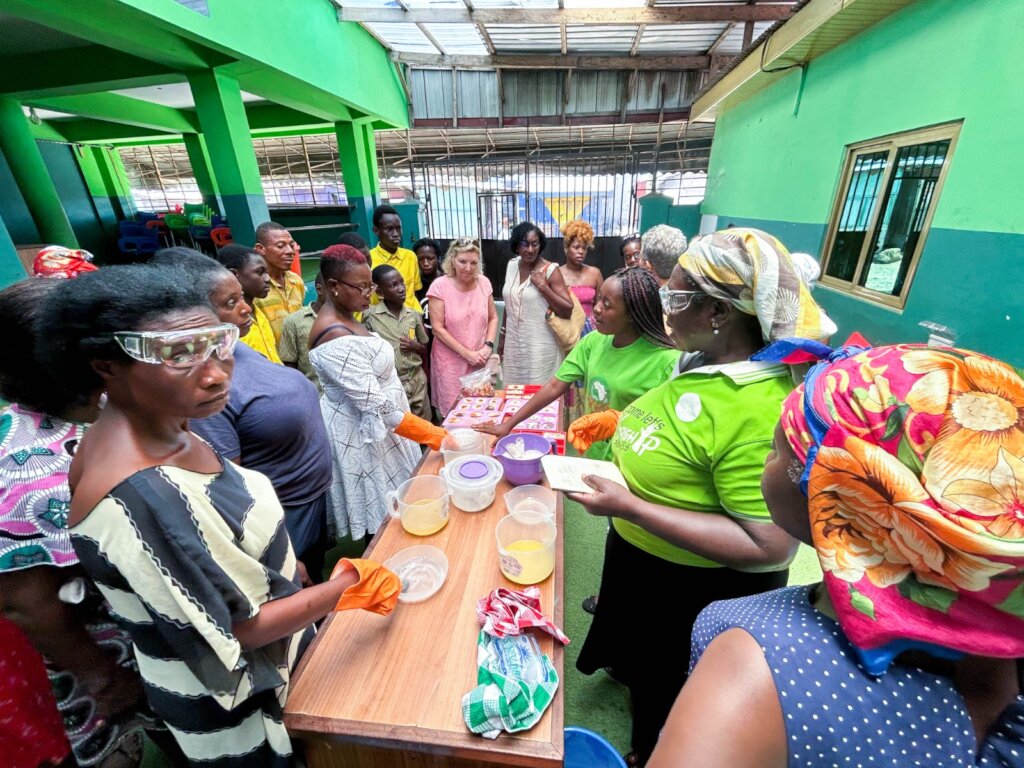
On Saturday, 15 August 2026, SCEF, in partnership with Summer Solutions Foundation, organised a menstrual hygiene education and pad distribution session at the SCEF centre in James Town, Accra.
The session was held from 9:00 a.m. to 12:00 p.m. under the theme “Let's Talk Periods!” and reached 100 girls, comprising 40 head porters (Kayayei) and 60 SCEF beneficiaries.
The activity was designed to go beyond the distribution of sanitary products. It provided girls with accurate and practical information about menstruation, menstrual hygiene management, pad use, safe disposal and common misconceptions.
Key Areas Covered
Understanding menstruation — girls learned about the menstrual cycle and were reminded that menstruation is a natural biological process and is not something to be ashamed of.
Addressing myths and misconceptions — the session challenged common misinformation about menstruation and encouraged girls to question information they receive from others and seek reliable sources.
Proper use of sanitary pads — girls received practical guidance on changing pads regularly and paying attention to signs of discomfort, fullness, irritation or other concerns.
Personal hygiene — girls were encouraged to maintain cleanliness during menstruation, including keeping their hands clean and using clean water where available.
Safe disposal — participants learned how to wrap used pads, dispose of them appropriately in covered waste bins and avoid flushing sanitary pads down toilets.
Open discussion and questions — the girls were given an opportunity to ask questions and discuss concerns related to menstruation in a supportive environment.
Menstrual Hygiene Supplies Distributed
Following the educational session, 100 menstrual hygiene bags were distributed to the participating girls. Each bag contained the items below, meaning all 100 participating girls received menstrual hygiene supplies to complement the knowledge gained during the session.
Item Contained in Each Hygiene Bag
Quantity per Bag
Sanitary pads - 3
Tissue papers - 2
Writing pads - 1
5. Key Outcomes and Changes
The activities implemented during the reporting period contributed to several important outcomes for the girls participating in SCEF programmes.
Increased awareness of girls' rights and protection
• Through Girls Club discussions, girls developed greater awareness of challenges that can affect girls, including abuse, child marriage, teenage pregnancy, discrimination, online exploitation and school dropout.
• The discussions also helped girls identify the importance of seeking help and speaking up when they experience or witness situations that threaten their safety or wellbeing.
Increased confidence and self-expression
• The Girls Club provided a space where girls could openly discuss issues affecting their lives and express their views.
• The “Go Girls!” activity reinforced positive messages around self-worth, confidence, body awareness and personal potential, encouraging girls to see themselves as capable individuals who can contribute to positive change.
Improved menstrual health knowledge
• The “Let's Talk Periods!” session strengthened girls' understanding of menstruation, menstrual hygiene, sanitary pad use, cleanliness and safe disposal.
• Participants were also encouraged to ask questions and seek reliable information when they have concerns.
Increased access to menstrual hygiene products
• The distribution of 100 menstrual hygiene bags provided immediate practical support to all 100 participating girls.
• This complemented the educational component and helped reinforce the importance of ensuring that girls have access to appropriate menstrual hygiene products.
Reduced stigma around menstruation
• The menstrual health session challenged the idea that menstruation is dirty, embarrassing or something that should prevent girls from participating in their normal activities.
• Girls were encouraged to discuss menstruation openly and respectfully and to support one another.
Strengthened peer support
• Across the Girls Club activities, girls were encouraged to support, encourage and protect one another.
• They were also encouraged to challenge harmful behaviours and serve as positive role models in their schools and communities.
6. Challenges Identified
The discussions and activities also highlighted several continuing challenges affecting girls in the communities where SCEF works. These include:
The menstrual health activity also demonstrated that while participants had some basic knowledge of menstrual hygiene, there remained a need to broaden and reinforce their understanding of appropriate menstrual hygiene practices.
These challenges cannot be addressed through one-off interventions. Continued education, access to menstrual products, safe spaces, referral and support systems, and engagement with parents, caregivers and community members remain important.
7. Partnership and Community Engagement
The partnership between SCEF and Summer Solutions Foundation demonstrated the value of combining education with practical support.
SCEF provided the community platform and safe environment for the engagement, while Summer Solutions Foundation supported the menstrual health education and distribution of menstrual hygiene supplies. This partnership enabled the programme to address both the knowledge and access dimensions of menstrual health.
The Girls Club activities also demonstrated the importance of creating regular spaces where girls can express themselves, learn from one another and build confidence.
8. Lessons Learned
Girls need safe spaces to speak openly. Creating a respectful environment makes it easier for girls to ask questions and discuss sensitive issues affecting their lives.
Education and practical support work best together. The menstrual hygiene session demonstrated that providing information alongside menstrual products can address both knowledge and access barriers.
Peer support can strengthen girls' confidence. Encouraging girls to support one another can help create a stronger sense of community and shared responsibility.
Girls should be supported as advocates. Girls are not only beneficiaries of protection and empowerment programmes; they can also use their voices to advocate for their rights and the rights of other children.
Menstrual health requires sustained engagement. Continued menstrual hygiene education and access to sanitary products are necessary to reinforce knowledge and respond to girls' changing needs.
9. Next Steps
Building on the progress made during the reporting period, SCEF will continue to:
Conduct regular menstrual hygiene education sessions with girls.
Strengthen the Girls Club as a safe space for discussion, confidence-building and peer support.
Continue conversations on girls' rights, child protection and issues affecting the girl child.
Encourage girls to speak up and seek help from trusted adults when they experience or witness harmful situations.
Promote accurate information about menstruation and reproductive health.
Seek continued support for menstrual hygiene products for girls who face difficulty accessing them.
Strengthen partnerships with organisations that can support SCEF's SRHR and girls' empowerment activities.
Encourage parents, caregivers and community members to engage more openly in conversations around girls' health, safety and wellbeing.
Collect participant feedback from future sessions to better understand knowledge gained and identify areas requiring further support.
10. Conclusion
The July–September 2026 reporting period was an important period of growth and engagement for girls participating in SCEF's Fawohodie-related activities. Through the Girls Club conversations, the “Go Girls!” confidence-building session and the “Let's Talk Periods!” menstrual hygiene intervention, girls were given opportunities to learn, speak, ask questions, build confidence and support one another.
The activities addressed both the social and practical barriers that can affect girls. While the Girls Club created space for girls to discuss protection, rights, discrimination, abuse and other challenges affecting the girl child, the menstrual hygiene intervention provided practical knowledge and menstrual products to help girls manage their periods with greater confidence and dignity.
Most importantly, the activities reinforced a consistent message: girls have rights, girls have voices, and girls deserve to be supported, respected and given the opportunity to reach their full potential.
SCEF remains committed to creating safe and empowering spaces where girls can access accurate information, develop confidence, understand their rights, support one another and participate in decisions affecting their lives and communities.
11. Galery
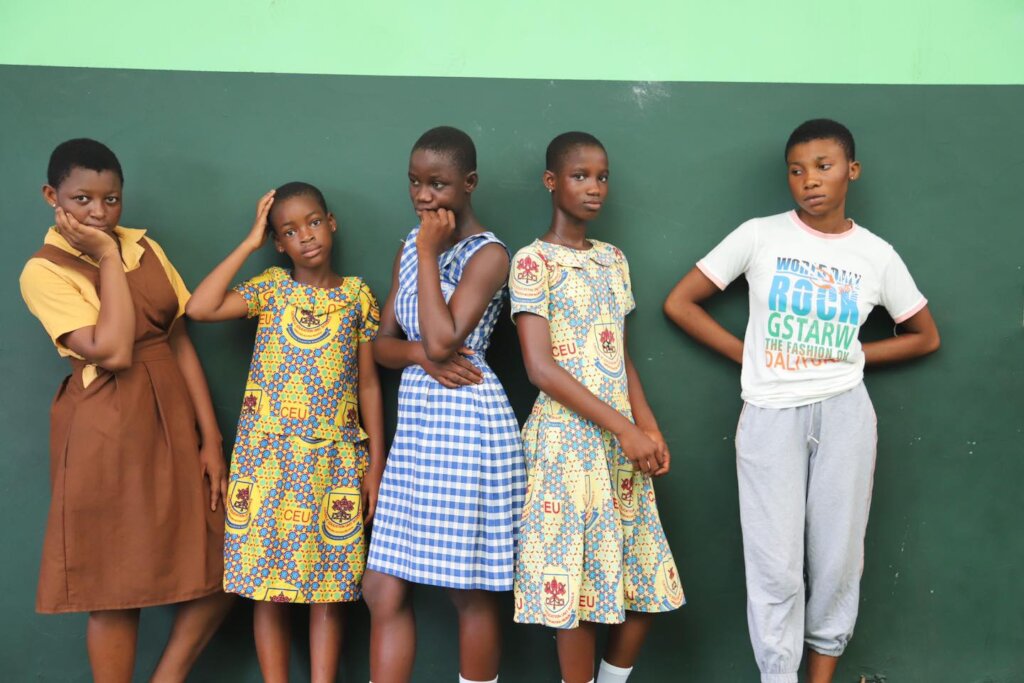
Kindly find the pictures and videos from our activities during the reporting period [Here and Here]. These materials capture some of the key moments from our engagements with the girls, including the Girls Club discussions, empowerment activities, and menstrual hygiene education session.
Street Children Empowerment Foundation (SCEF) | James Town, Accra, Ghana
Links:
Project reports on GlobalGiving are posted directly to globalgiving.org by Project Leaders as they are completed, generally every 3-4 months. To protect the integrity of these documents, GlobalGiving does not alter them; therefore you may find some language or formatting issues.
If you donate to this project or have donated to this project, you can receive an email when this project posts a report. You can also subscribe for reports without donating.



Support this important cause by creating a personalized fundraising page.
Start a Fundraiser