By Det Sot, Ma Jor & Jonatan L. Fredsgaard | External relations intern
Failure and setbacks are intrinsic to all endeavours and to the human experience at large. No matter what you do, at some point you are bound to fail. Some failures will be of little consequence, while others might impact you in ways you didn’t expect. It seems that the greater the gain you stand to gain from success of your work, the bigger the failure will seem and also the number of ways in which you might fail. The two correlate: success and failure. What matters then, is not that you fail, but how you cope with failure afterwards. Since DARE Networks inception in 2001, we have worked hard to provide drug prevention education and treatment to the refugee population in the borderland between Thailand and Burma, but there have been times of failure and setbacks.
Success
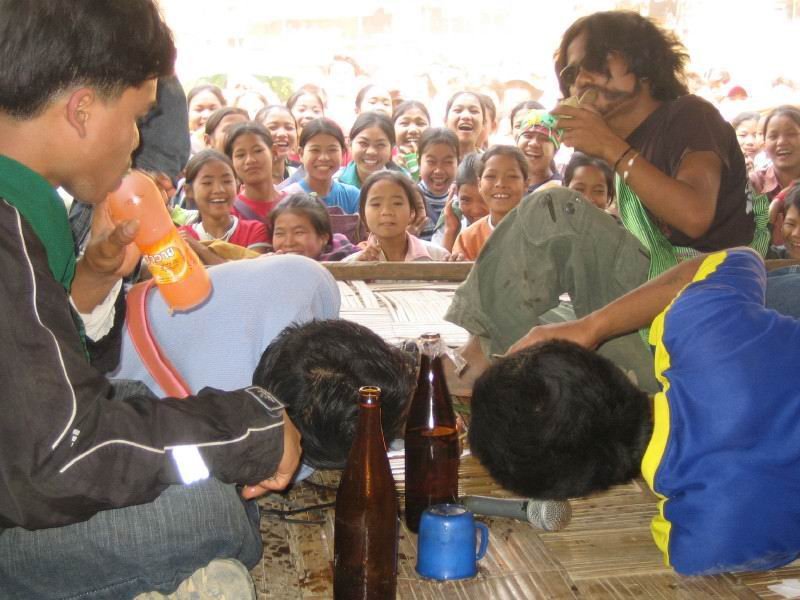
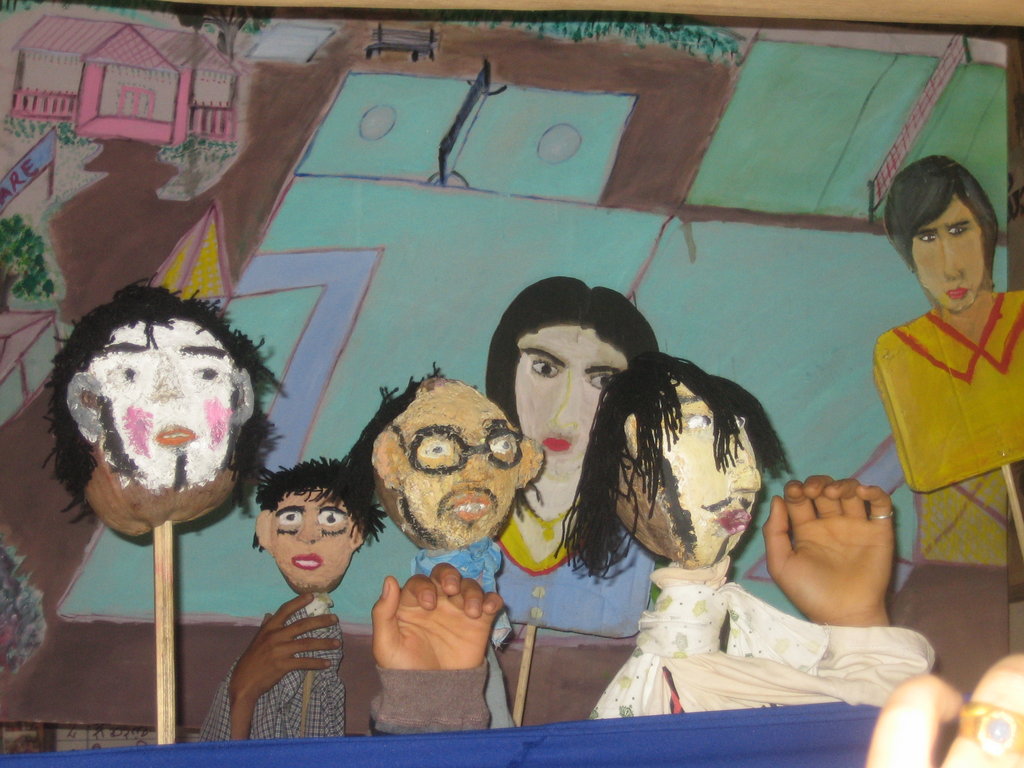
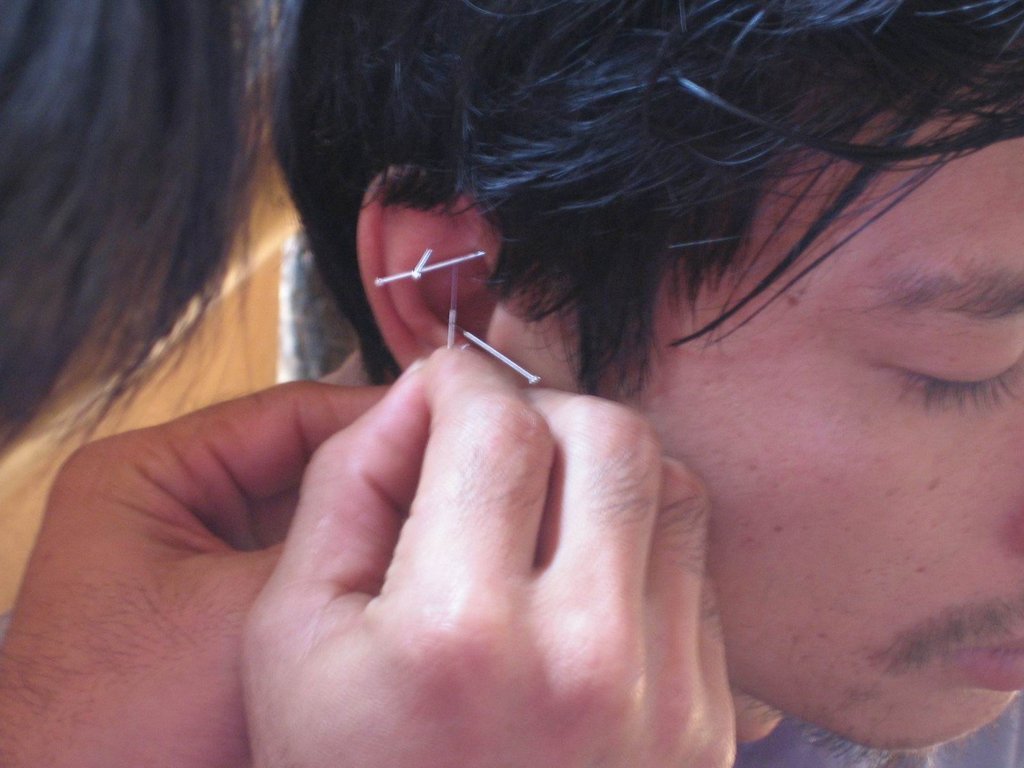
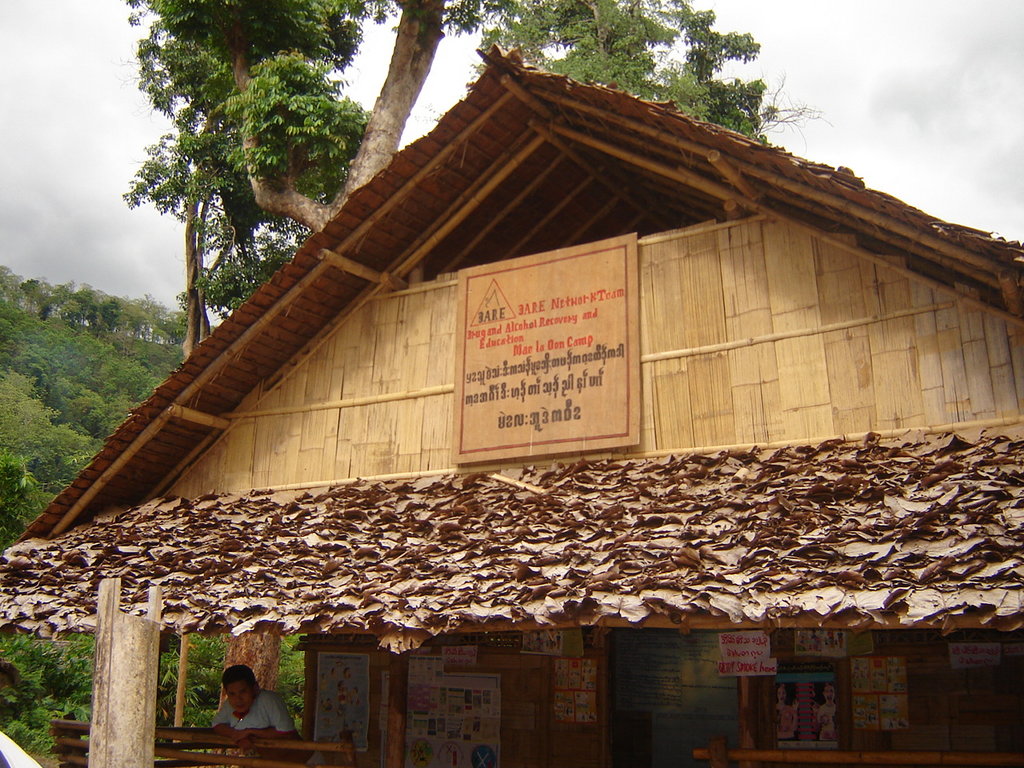
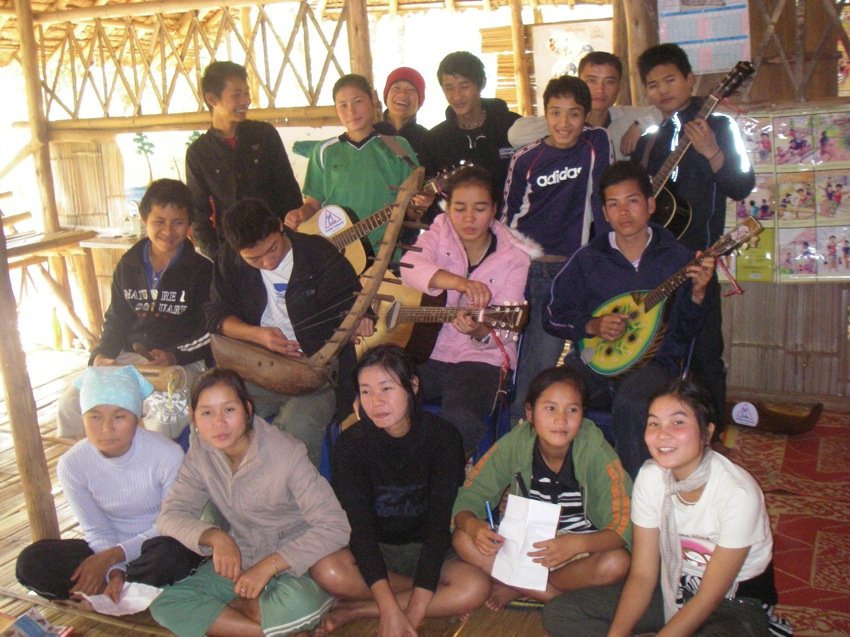
Our preliminary scrutiny into the Burmese Refugee Camp environments had revealed widespread alcohol and drug abuse, and these findings crystalized into an idea. Our Community Based Organization emerged among the refugees and their leaders to fight drug abuse and the devastating consequences to their own people by providing drug education and treatment to as many people as possible. Our objective was to be met by setting up treatment centres in all nine refugee camps, on the Thailand/Burma Border, through which it would be possible to have a big impact. By 2004, we had treatment centres in nine refugee camps, where locally trained staff offered two different treatment programs to alcohol and drug addicts, as well as prevention education, programs for youth, and community interventions for men, women and children. The project was reaching its target population.
Failure
DARE Network is run almost entirely by Burmese refugees who both undertake most of the administrative tasks, and run the treatment and education programs in the refugee camps. The fleeting nature of the refugee population proved to be a challenge, when it came to maintain the workforce in the organization. Sometimes in life, things are beyond your control. Unfortunately for us, in the period between 2008-2009 failure began to set in, and it became clear that we could not sustain all nine treatment centres.
As refugees moved away from the camps, as result of The UNHCR Resettlement Programs, to continue their lives elsewhere in Third Countries, so did their knowledge and human resources. In 2007 our treatment centres in the refugee camps of Tham Hin and Ban Do Yang were forced to close, and in 2008 we had to end activities in Karenni Camp I and Karenni Camp II. What remained was the realization that we had underestimated the speed in which our workforce was resettling. Big resettlement programs were implemented between 2006 and 2008, and our Addiction Workers would resettle in countries far away from the camps. As such, time and money invested in the former Addiction Workers was now lost to the camps, with fewer people left to help us succeed.
It became evident that the model we had developed, of refugees working to treat and educate other refugees, only worked as long as the flux of persons remained at a steady level. One of the premises on which the organization is built is that the addiction workers in charge of treatment and education remain in the camp, where their target group resides. Now we had a challenge before us.
Forward
This insight, that the model is conditional to stable migration conditions, leads to an important conclusion; the project is where the people are. This might seem like an obvious conclusion, but when dealing with a transient target population it carries important consequences that we had to adopt for the future. First, we have begun conducting a thorough screening processes, to make sure that we train and employ people who are not about to resettle within a period that to ensure that we are making a good investment for our program. We then set up an on-going training program that not only provided us new Addiction Workers but also gave our long-time staff an opportunity to improve their training skills. This training program is the backbone of our recovered success.
Forward bonus
Former addiction workers who resettled in a 3rd country, have also proven to be able to make a positive difference in their new country of residence, where they have been able to help in Burmese communities abroad, by using their knowledge and skills that they have learned from working at DARE Network. Even if DARE Network’s workers are resettled or return back to Burma, it has turned out that they can contribute to the forward work of DARE Network in important ways. Addiction Workers who return to Burma, have been vital to the process of setting up treatment centres and programs inside Burma, where we are present in 20 villages. These programs are in place to help people already in Burma, and people returning from refugee camps in Thailand.
In the end it has proved all out important not to focus on the factors beyond our control. In the context that we work, there are a lot of unknown, and uncontrollable factors that affect our work. These have always influenced the workings of our organisation, and will continue to do so. However, as the context changes we change with it, and work hard to make sure that the time and education invested in our workers are allowed to go as far as possible, in order to make a positive change for people who need it.
By Jonatan Friedsgaard | DARE Volunteer External Relations Manager
By Pam Rogers | Capacity Advisor/Addiction Trainer
Project reports on GlobalGiving are posted directly to globalgiving.org by Project Leaders as they are completed, generally every 3-4 months. To protect the integrity of these documents, GlobalGiving does not alter them; therefore you may find some language or formatting issues.
If you donate to this project or have donated to this project, you can receive an email when this project posts a report. You can also subscribe for reports without donating.



Support this important cause by creating a personalized fundraising page.
Start a Fundraiser