By Zoe Miles | Volunteer External Relations Aide
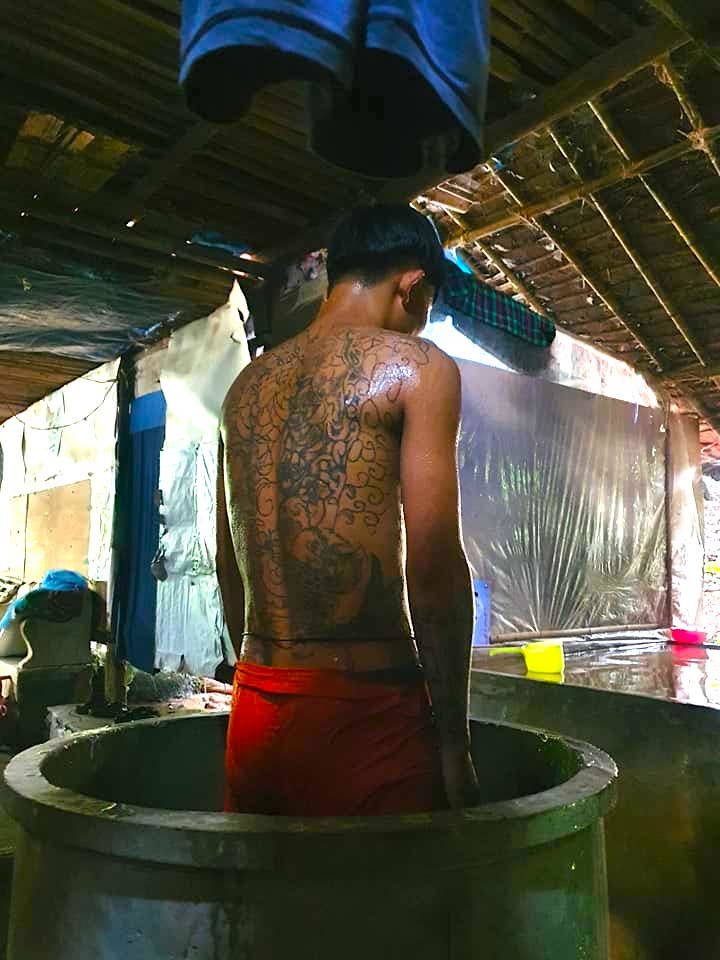
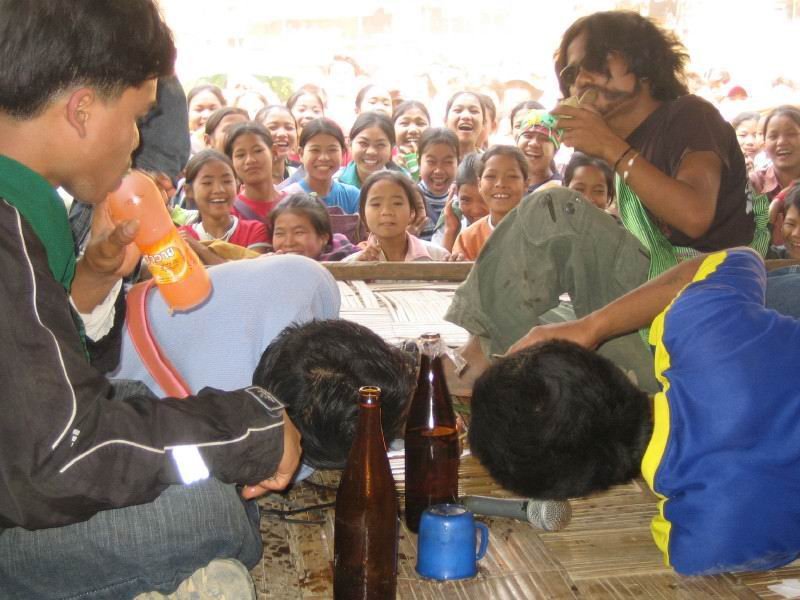
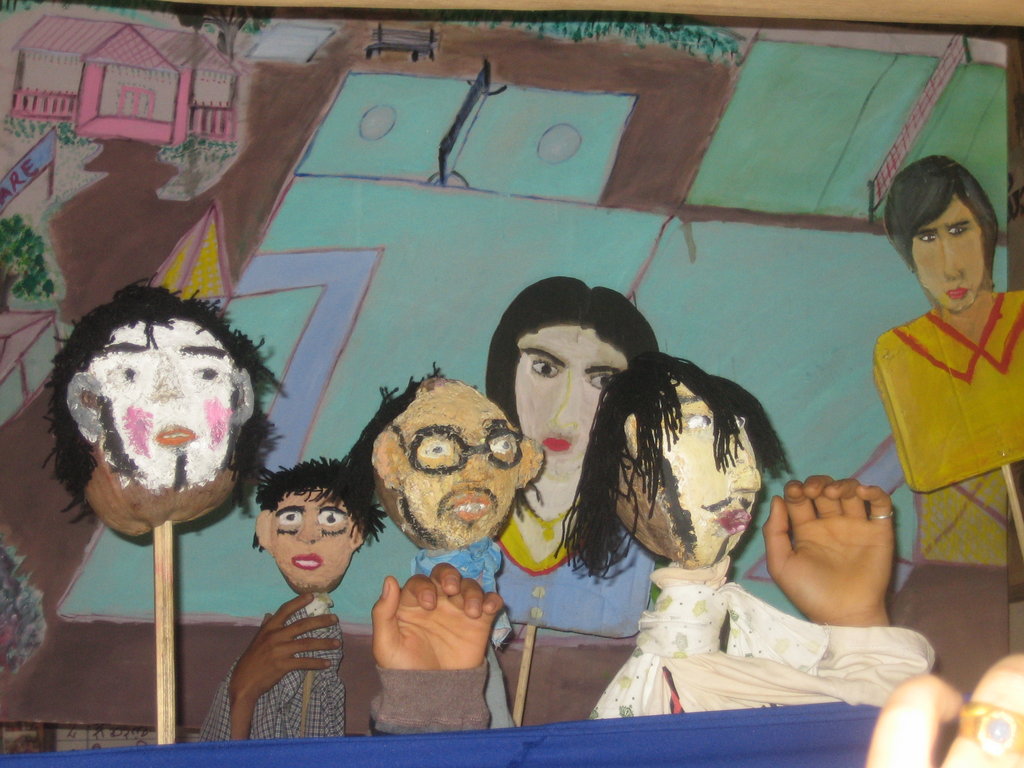
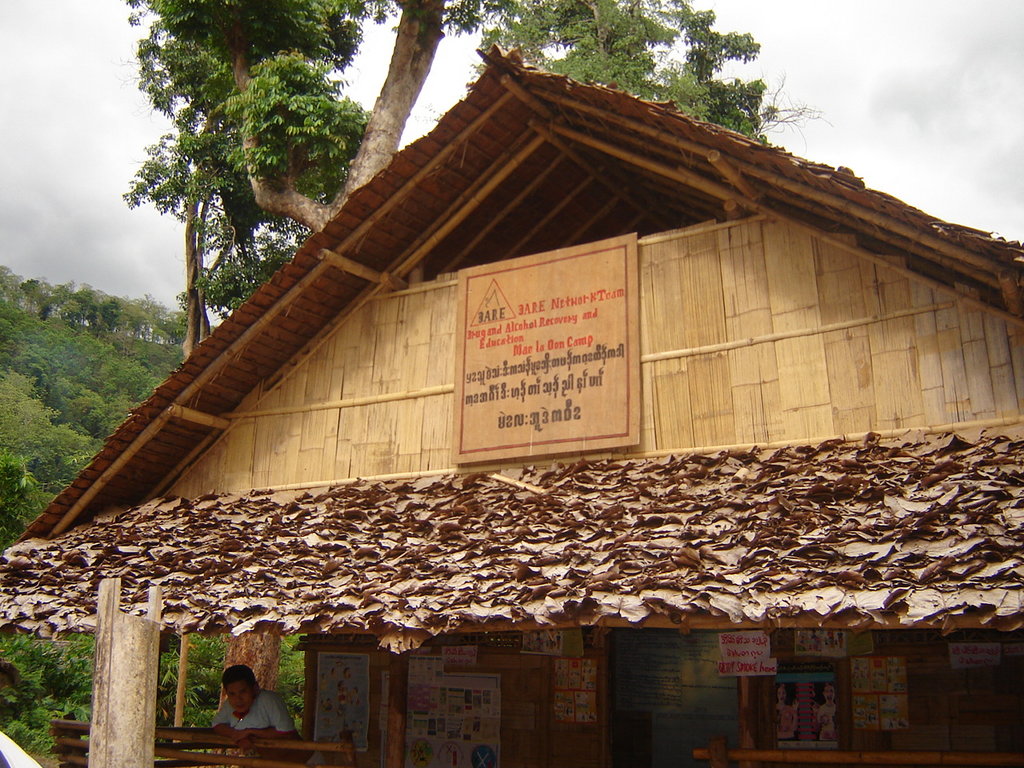
DARE Network serves to provide addiction prevention education programs across five refugee camps and one migrant community along the Thai-Burma border. Much of this work is youth-focused, aimed at preventing kids and teenagers from engaging in substance abuse and developing addiction issues that could impact them for the rest of their lives. This work is as engaging and dynamic as the young people DARE works with, no more so than within the migrant DARE Network Center in Proprah District. This community faces unique challenges, very different to those faced by camp-based refugees, and so in response to distinctive needs, DARE Network here is markedly different to other locations.
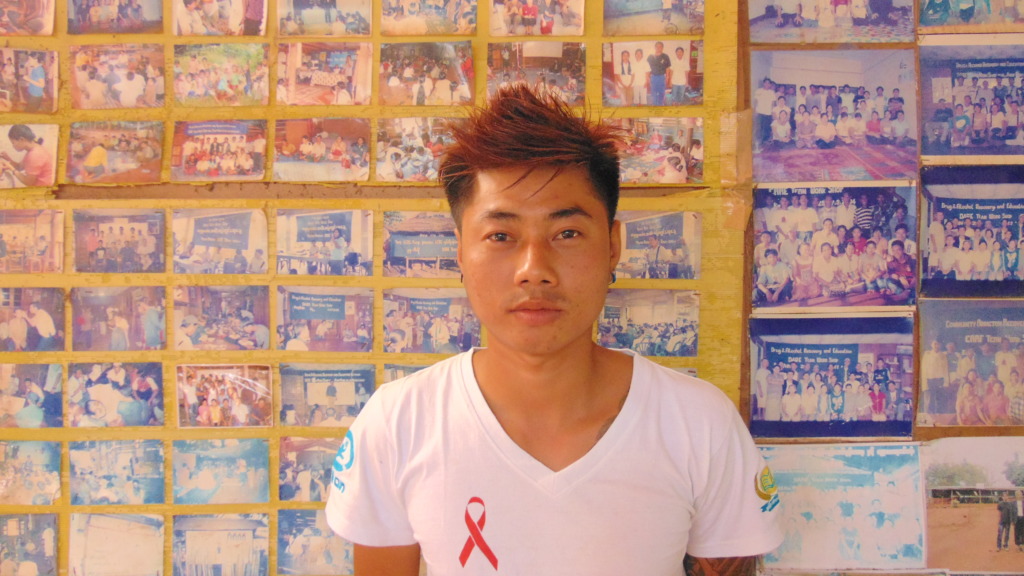
Yee S., age 26, has been an Addiction Worker for eight years in DARE Network’s Proprah District Migrant Centre. Yee explained this to me when I visited the DARE migrant centre for the first time.
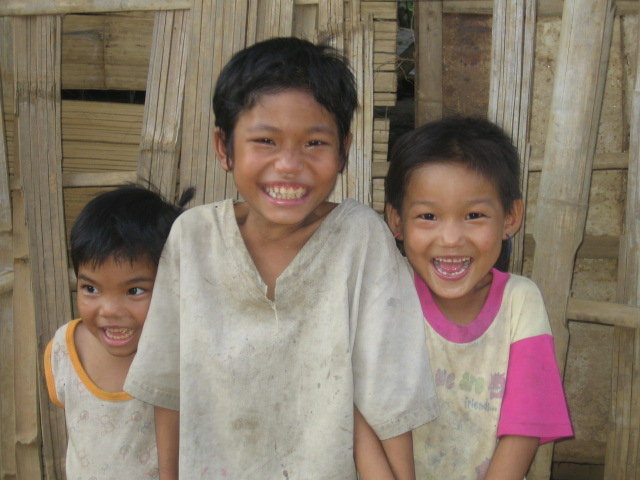
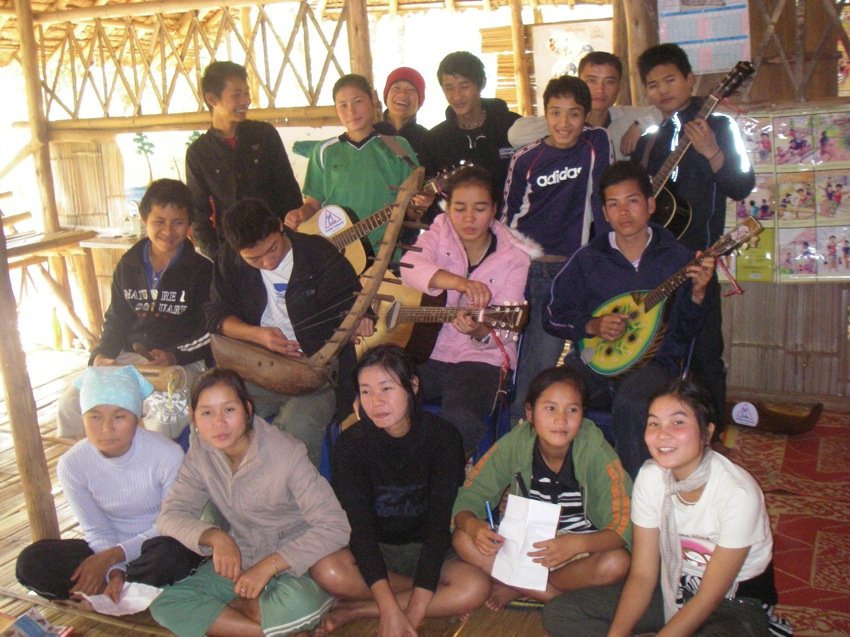
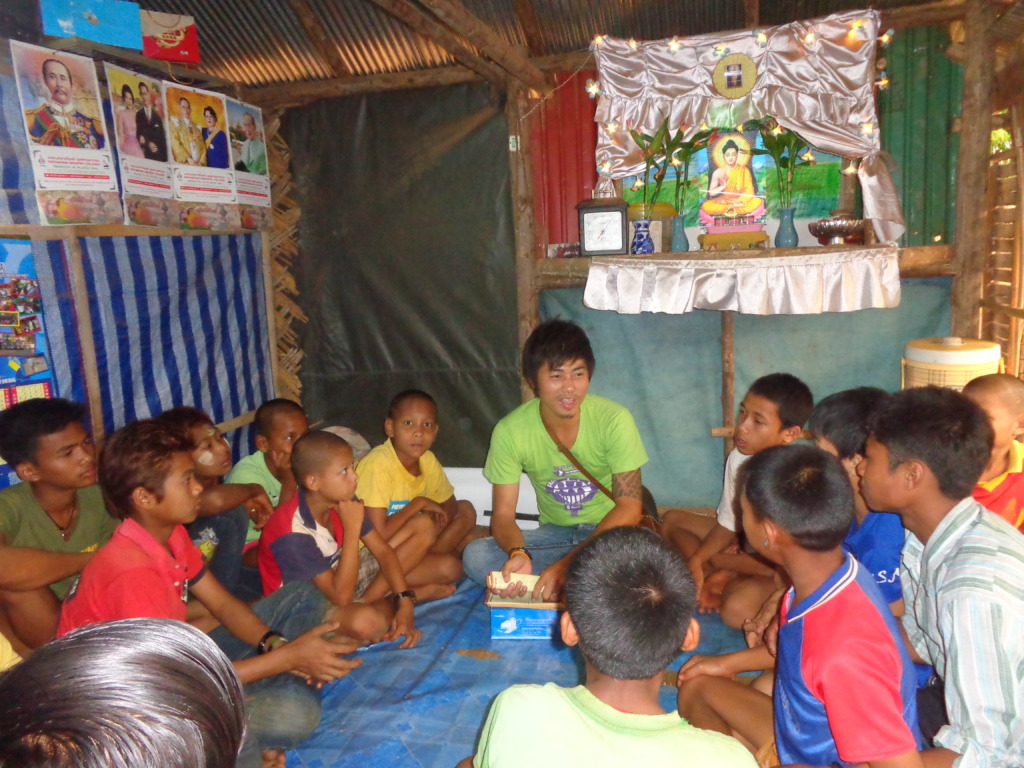
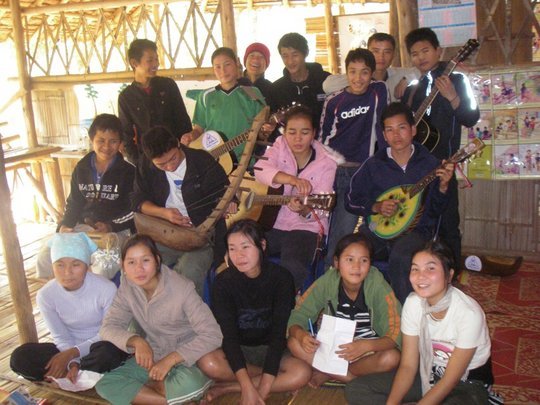
Youth work is a major focus of this DARE Centre – prevention-education activities and peer support groups regularly are held in the evenings, and older teenagers are encouraged to lead these activities alongside Yee, giving them experience in leadership, addiction work, and the opportunity to take responsibility for younger teenagers and children.
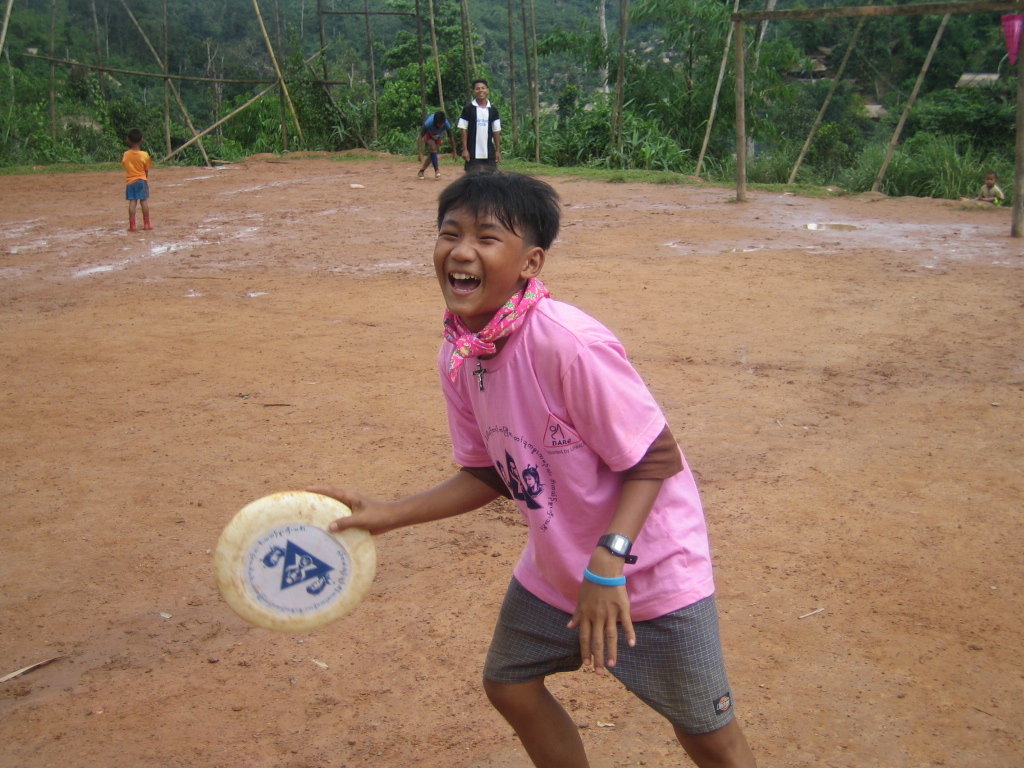
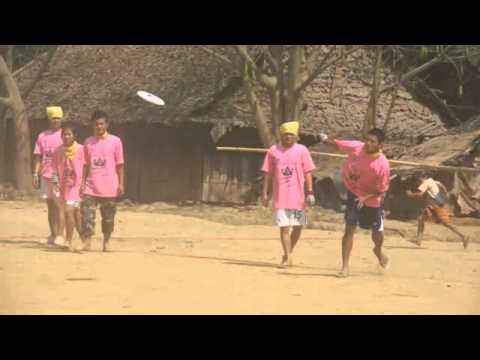
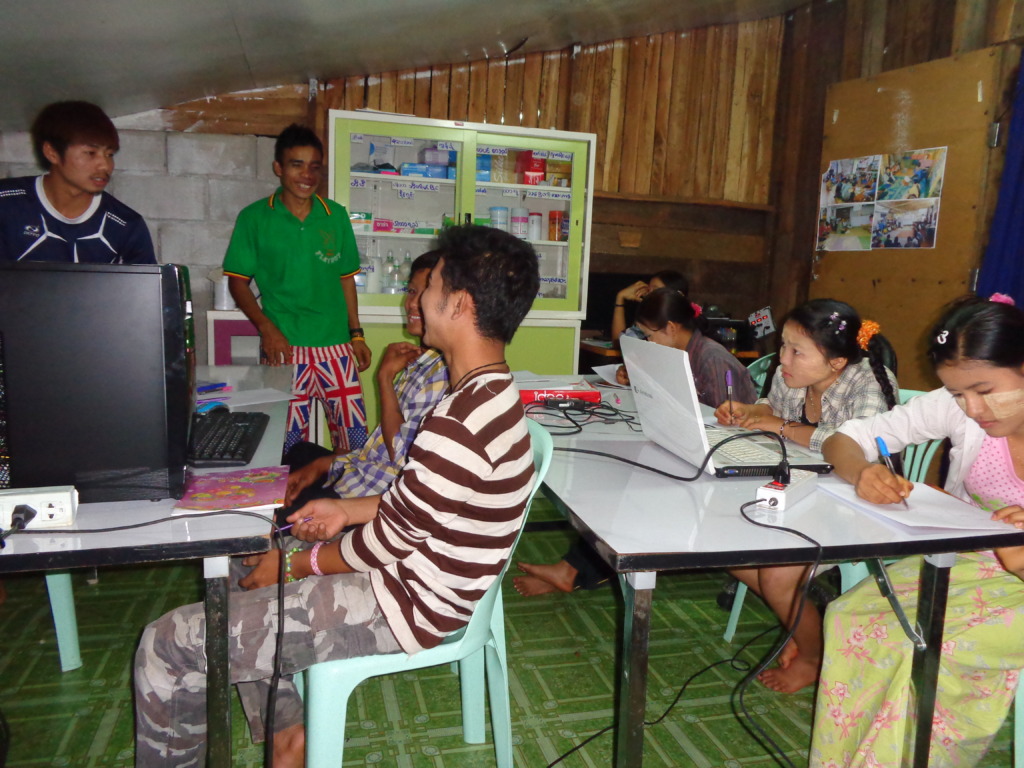
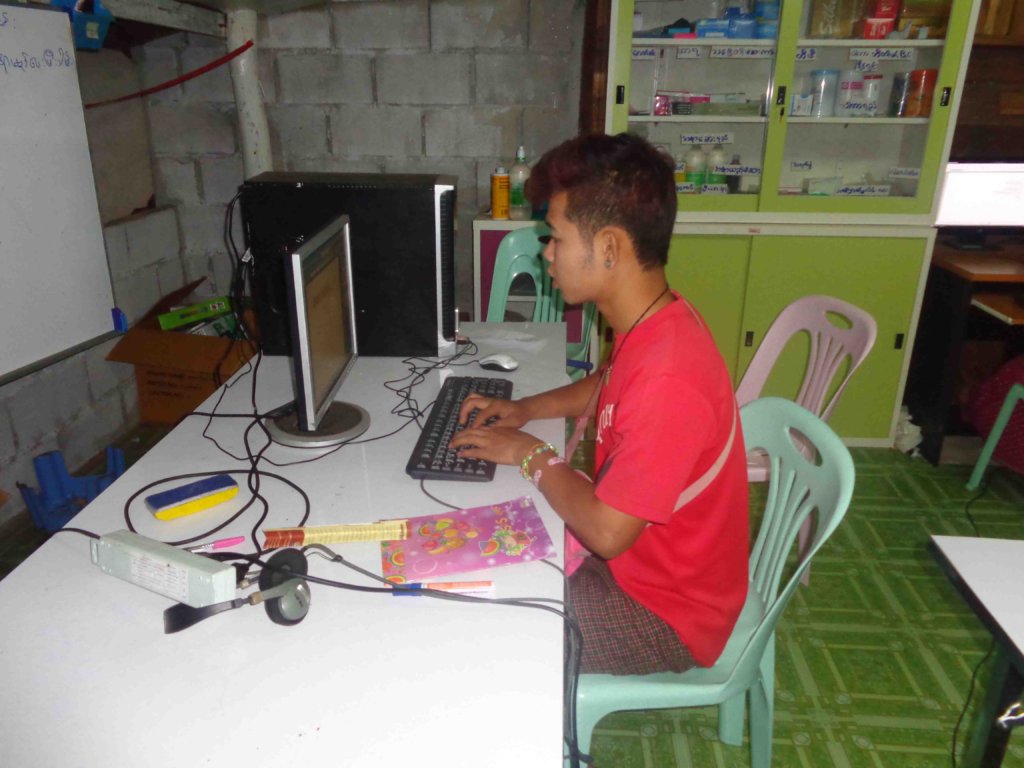
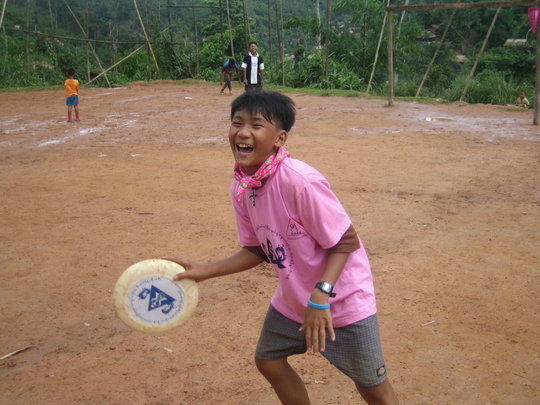
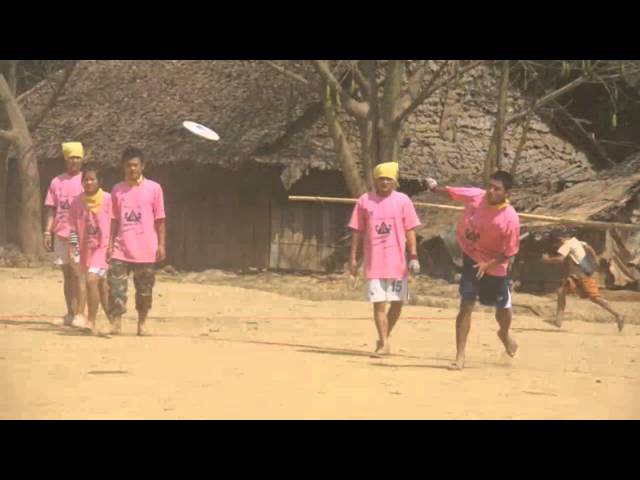
Yee explains how DARE’s work here is youth-focused and relies on building organic relationships with teenagers. Though specific prevention-education campaigns are conducted three times per month within the Centre itself, building relationships of trust between teenagers and the addiction workers, including Yee, is an important route into being able to talk about addiction and substance abuse. Young people come to the Centre in the evenings to learn to use computers, develop textile skills with DARE’s sewing machines, and take guitar lessons. Rabbits, Frisbees, and volleyballs are available to play with – though it’s recommended not to play with all at once – for the sake of rabbit welfare (for example, ultimate-Frisbee tournaments just don’t mix well with docile furry friends).
Other ways DARE has been able to support the migrant community here include support for teachers within schools for migrant children, which are entirely donor-dependent, and so can shut down at any time. Due to lack of funding, teachers are routinely underpaid, so Yee has previously worked to source funding to supplement salaries, again as an important way of meeting the needs of youth within this community. DARE addiction workers also visit four migrant schools to offer computer training, and addiction prevention-education workshops.
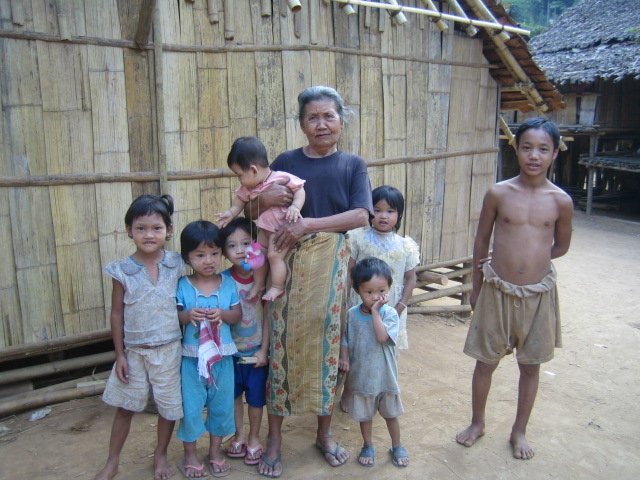
Proprah District Migrant Centre works within ethnic migrant communities from Burma living in this area. Most of these people are day labourers in the farms surrounding this area, often illegally. Due to the nature of this work, DARE’s addiction treatment would be inappropriate and is not compatible with people’s lives. Yee explained that here people work everyday: to come in for treatment would mean stopping work, which is not possible for most.
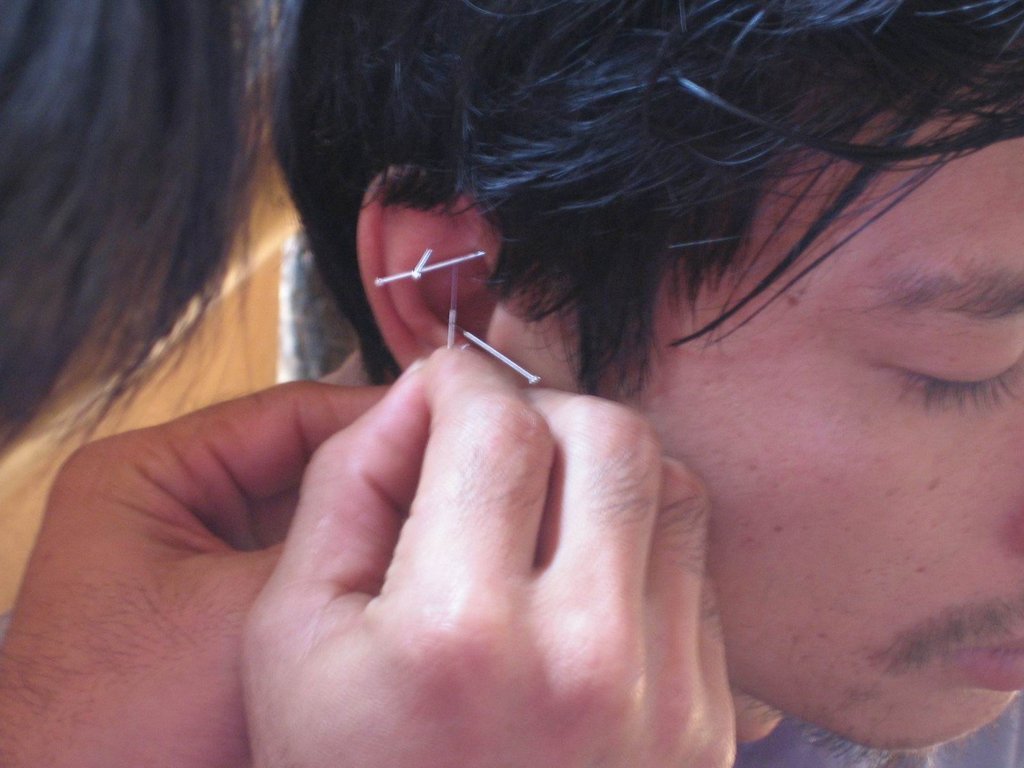
Instead, Yee and other DARE Addiction Workers here start prevention-education activities at 5pm everyday to fit around work timetables. Addicted people come here and can receive support and prevention-education information, and though treatment is not accessible to this community, Yee explained that DARE’s philosophy of addiction recovery is that 20% comes from treatment, 30% comes from a person’s community support for their recovery, and 50% is an internal process within a person themselves. By supporting people to invest in themselves and learn about the addiction issues they have and how to recover, recovery from addiction is still possible.
The Migrant Centre is also different to camp DARE Centres as it responds to the specific needs of migrant workers, by focusing not only on provision of addiction prevention-education but also focusing on issues of labour rights and healthcare. To be an effective and responsive community organisation, DARE’s work here cannot be limited to a focus on only drugs and alcohol. In collaboration with health and labour rights – focused organisations, DARE Centre is able to facilitate the meeting of migrant community interests and needs.
Following the horrendous 2012 flooding within Burma, DARE Migrant Centre functioned as not only a place where migrant community members could receive support and help, but also as a facilitator of this group of people reaching out to those in more dire need than themselves. Together, migrants collected clothes to send to communities that were severely impacted by these floods, coordinating this from the DARE Centre. Through being able to provide a collection point and base for organisation to take place, Yee and others working within DARE here, have been part of tangible community building efforts, as well as help mitigate societal issues surrounding addiction that affect these communities.
The generous and on-going support from Global Giving donors for our work to provide Youth Addiction Prevention-Education makes possible DARE Network’s involvement in this community. Thank you for helping to empower our passionate and creative team to conduct this work, building communities that are free from addiction.
Project reports on GlobalGiving are posted directly to globalgiving.org by Project Leaders as they are completed, generally every 3-4 months. To protect the integrity of these documents, GlobalGiving does not alter them; therefore you may find some language or formatting issues.
If you donate to this project or have donated to this project, you can receive an email when this project posts a report. You can also subscribe for reports without donating.



Support this important cause by creating a personalized fundraising page.
Start a Fundraiser