By Janet Preethi G | Project Leader
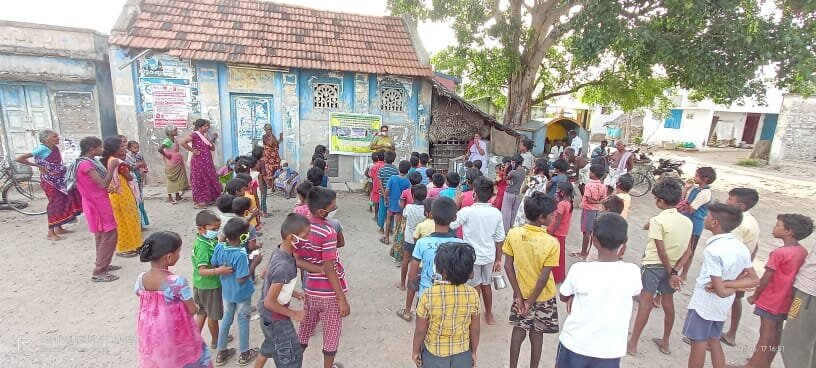
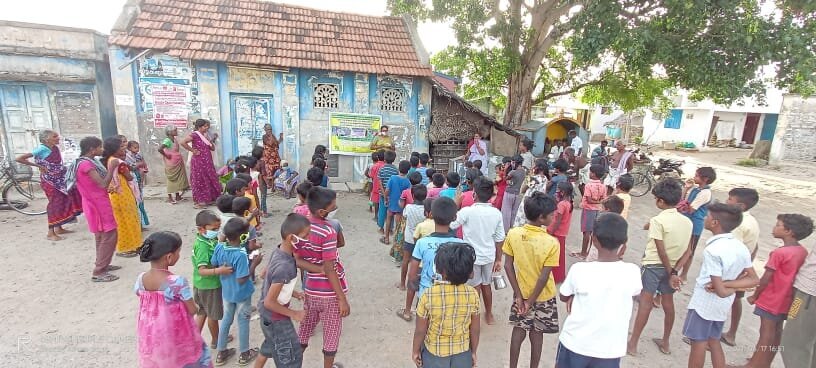
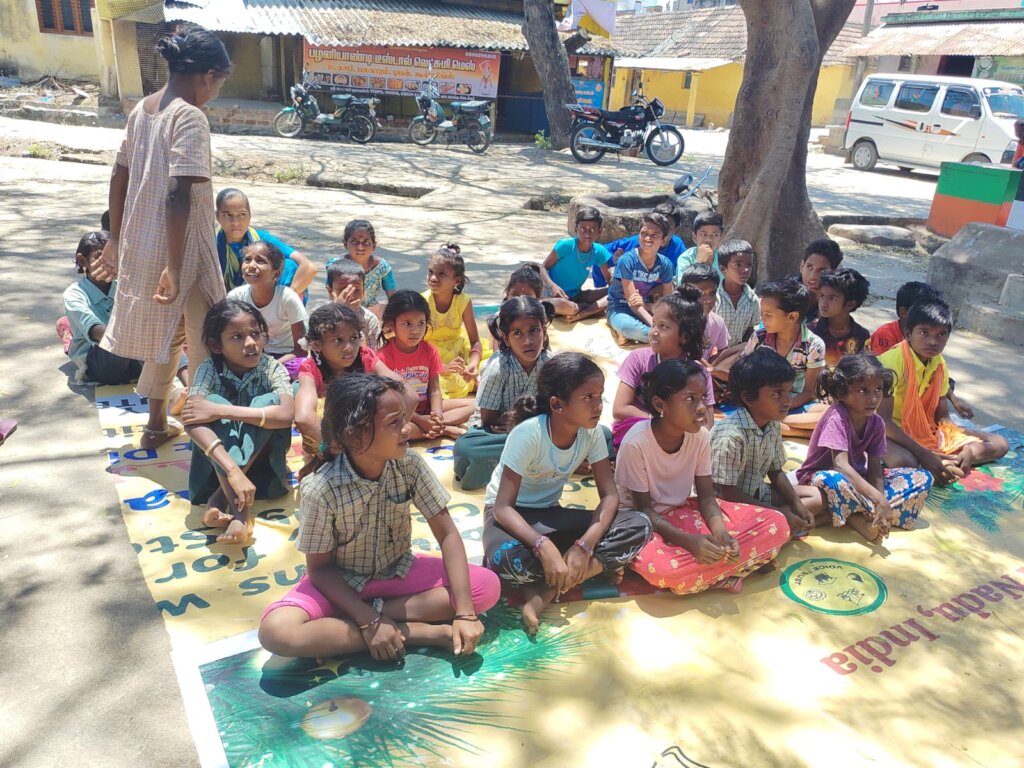
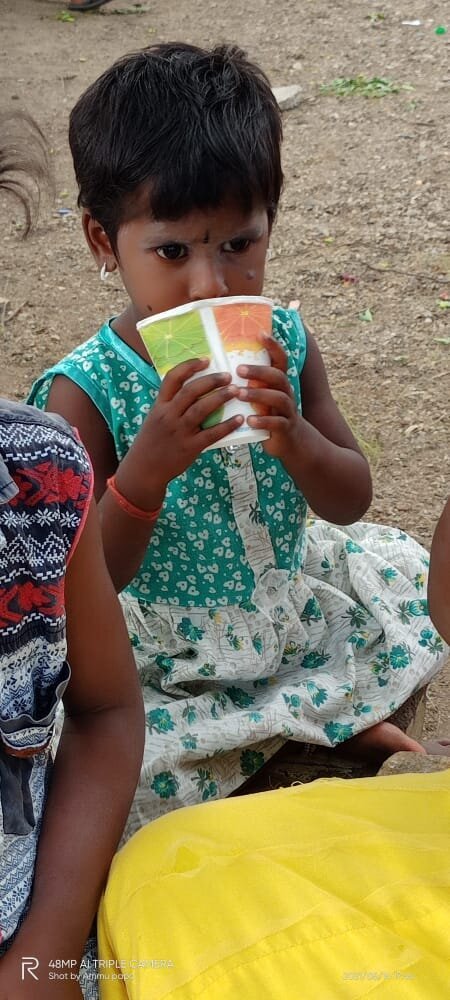
In the early morning mist of a quiet village, before the school bell rings and the sun climbs above the fields, a group of children gathers beneath a neem tree. Some still barefoot, some holding their younger siblings, but all united by one thing—a warm, nutritious meal they look forward to every day.
For many of these children, this is the only proper meal they’ll eat today.
Why Nutrition Matters Here
In our rural communities, poverty isn’t just about money—it’s about what's missing on the plate. For many families surviving on daily wages, nutrition takes a back seat. Children eat what’s available, not what’s needed.
This lack of balanced food has led to underweight children, stunted growth, low immunity, and poor school performance.
That’s where our Nutrition Support Program steps in—with simple, homemade, nutrient-rich meals that change lives one bowl at a time.
Who Are These Children?
This quarter, we supported:
105 rural children across 4 hamlets
Age range: 2 to 14 years
64% of them were previously malnourished or underweight
38 children come from single-parent or child-headed households
19 are children of unbonded former manual laborers
These are not just numbers—they are bright minds and beating hearts that needed just a little care to thrive.
What We Provided
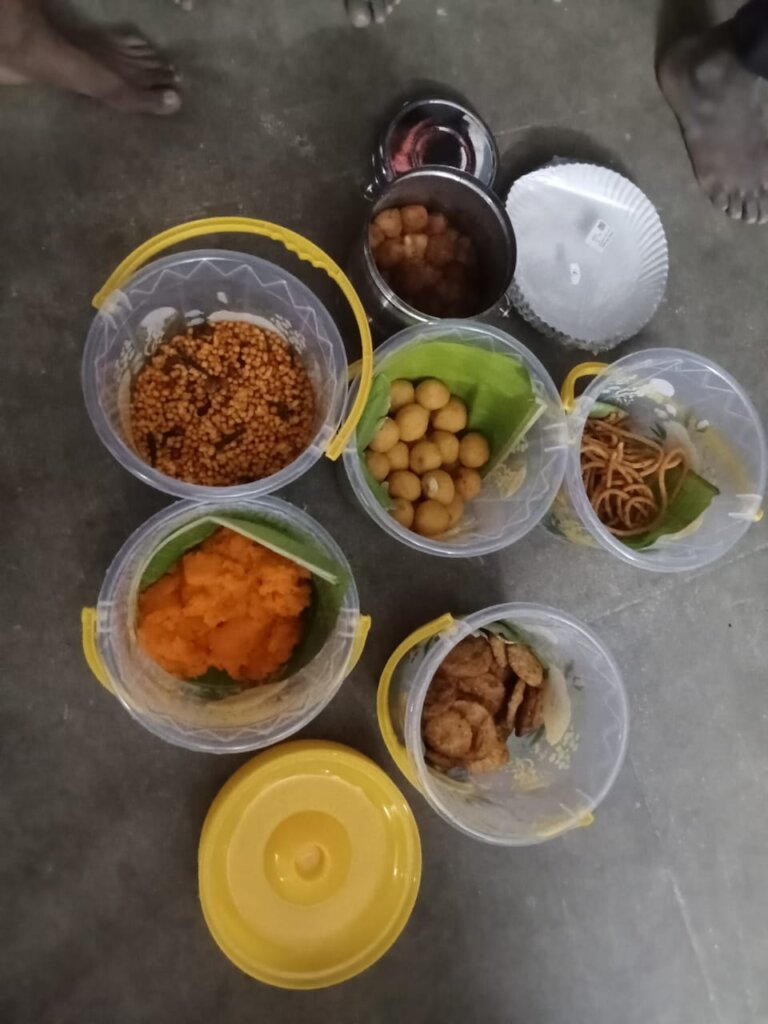
Every day, our community kitchens prepared meals that are:
High in protein: eggs, lentils, milk, groundnut powder
Rich in micronutrients: leafy greens, local vegetables, seasonal fruits
Culturally familiar and child-friendly
Hygienically prepared and served with love
Children received one full meal and one snack daily through the week. For children under 5, we also gave nutrition kits to their caregivers with instructions on feeding.
The Change We See
72% of the children gained healthy weight within 3 months
School attendance improved by 27% as children stopped skipping school due to hunger or fatigue
Morning concentration and energy levels noticeably increased during classroom sessions
13 children who were earlier categorized as "severely underweight" moved into the normal growth range
A Story from the Ground
Little Anitha, aged 5, lives with her grandmother in a tiny mud hut near the edge of the village. She used to come to school with a dull face and an empty stomach. Her arms were thin, and she often fell asleep in class.
Today, she is among the most active in the classroom—laughing, answering questions, and even sharing her food. She proudly told her teacher last week:
“I like the green porridge. It makes my legs strong!”
That “green porridge” is a humble mix of ragi, greens, jaggery, and milk—a recipe passed down by village grandmothers, now reviving childhoods.
What Helped Us Succeed
Village SHG (Self Help Group) women prepared the meals, creating local employment
School teachers and Anganwadi workers tracked children’s growth and attendance
Our field team conducted weekly home visits to counsel parents on nutrition and hygiene
3 local donors and 1 CSR partner supported the program costs
What We Need to Sustain & Scale
In Closing
Food is more than survival—it is dignity, energy, and a future.
Through this nutrition support, we are not just feeding children—we are fueling dreams, school attendance, and stronger communities. These rural children now grow up not just taller and healthier—but more hopeful.
And behind every bowl of rice, every boiled egg, and every fruit distributed—you are there.
Thank you for being the reason a child did not go to bed hungry.
Project reports on GlobalGiving are posted directly to globalgiving.org by Project Leaders as they are completed, generally every 3-4 months. To protect the integrity of these documents, GlobalGiving does not alter them; therefore you may find some language or formatting issues.
If you donate to this project or have donated to this project, you can receive an email when this project posts a report. You can also subscribe for reports without donating.



Support this important cause by creating a personalized fundraising page.
Start a Fundraiser