By James Paul | Senior Grant Writer
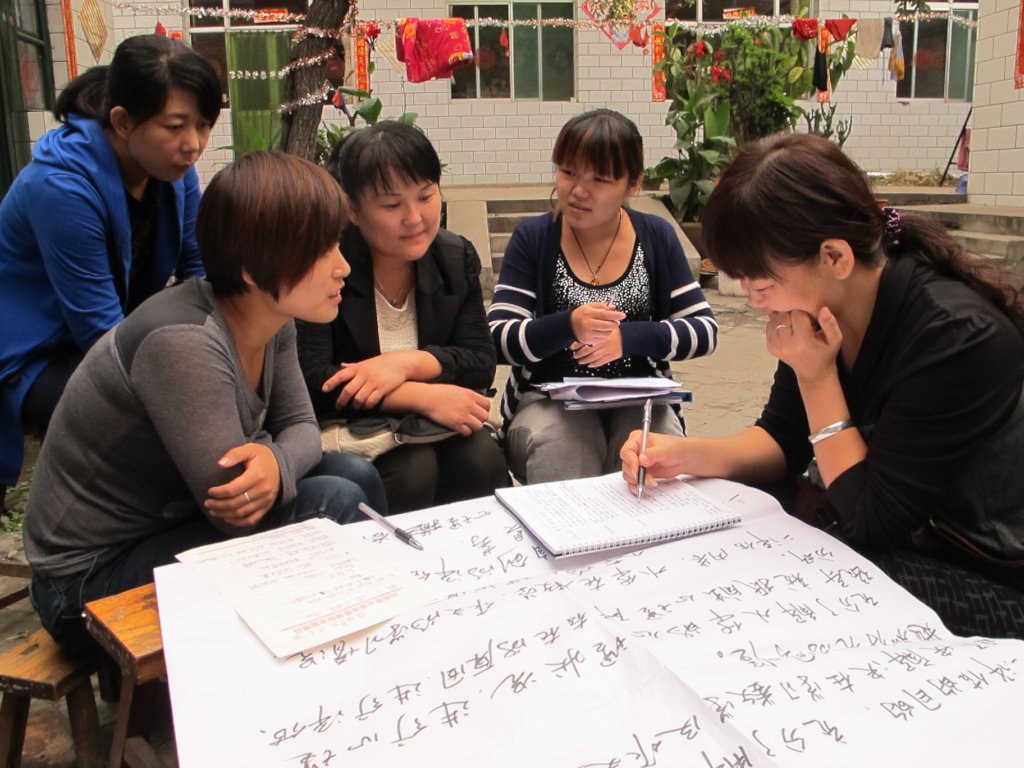
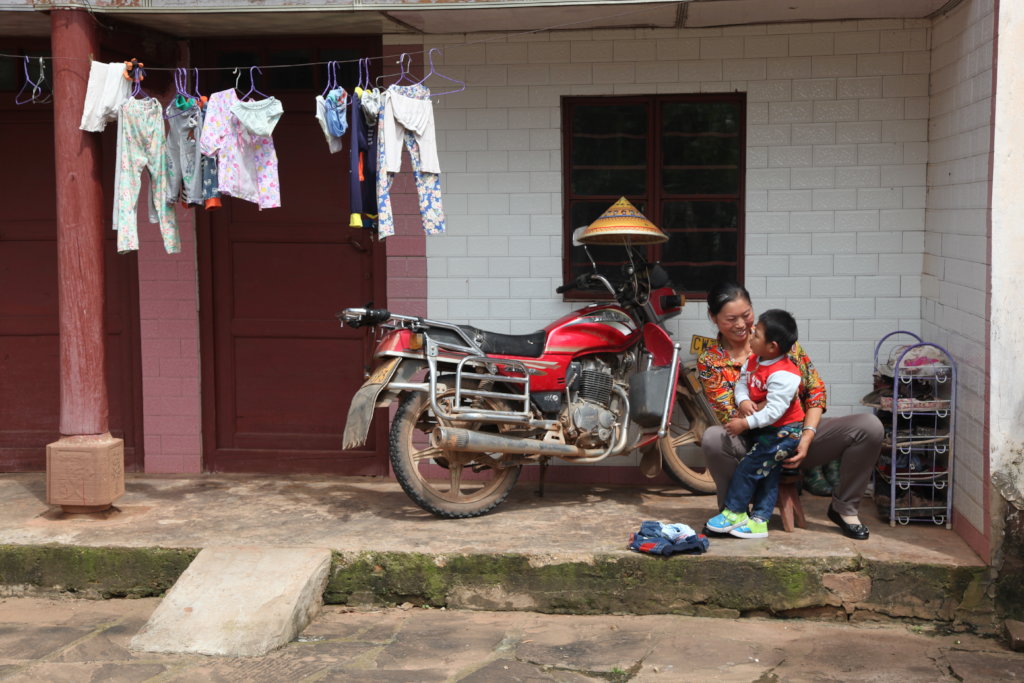
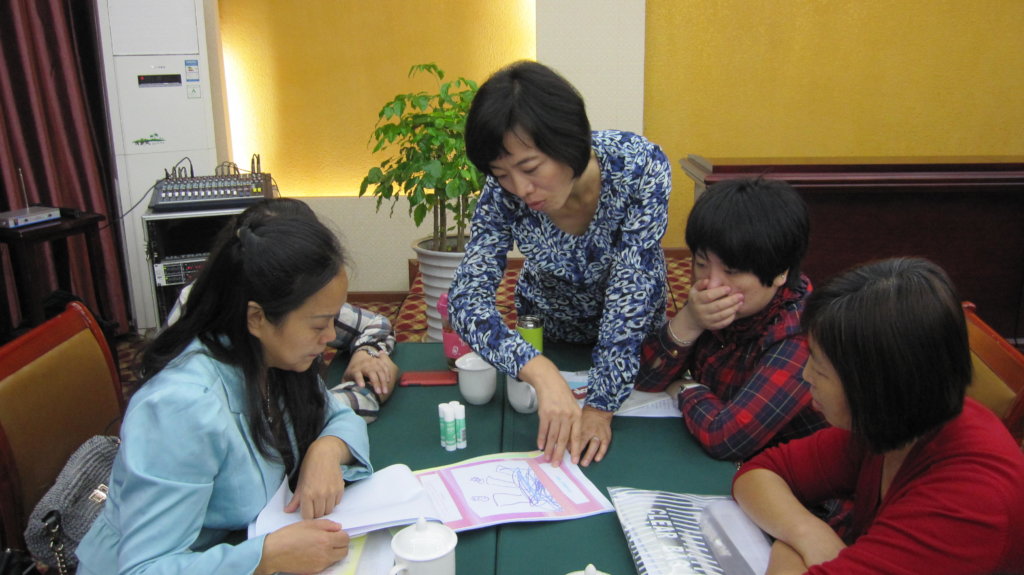
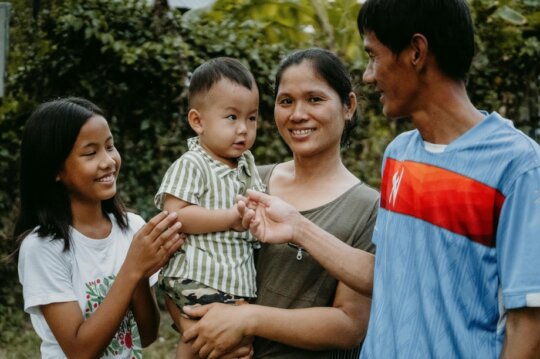
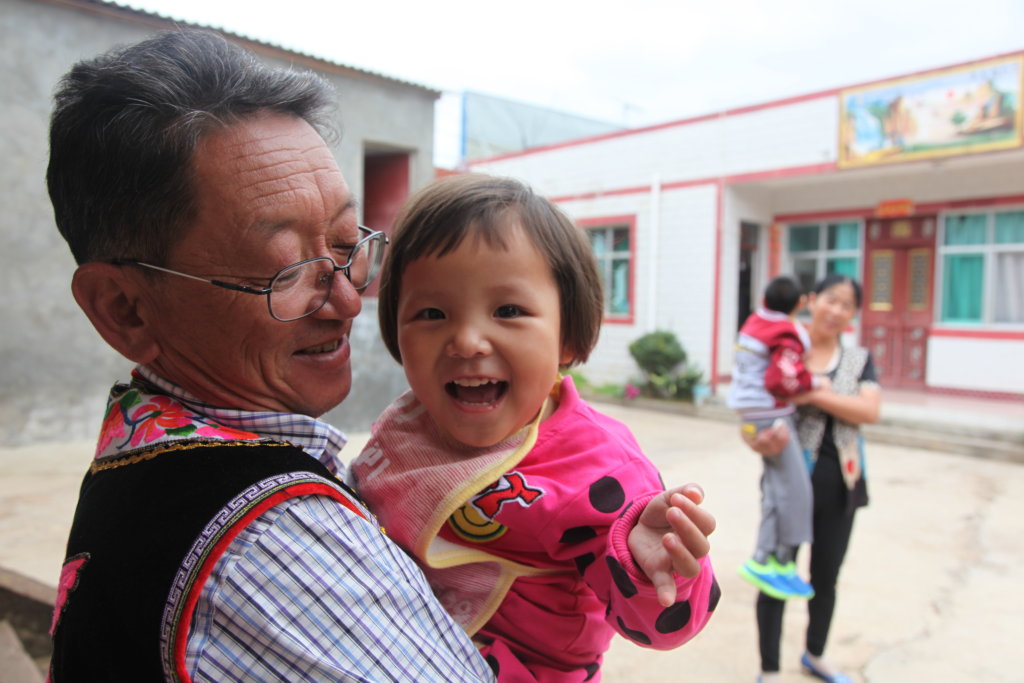
In China, we have had unprecedented success in enabling the government to move children out of institutions (also known as orphanages) and into local family-based care. Our training covers the whole process of placing a child in a family, from assessing the children and foster carers to monitoring the placement.
Once a child is matched with suitable family carers, there is an important process of transition. It is integral to the emotional wellbeing of the child for the stages to remain in this order. Every child is different, and the details of the transition should be determined by the child’s individual needs.
Matching
Introductions
Transition
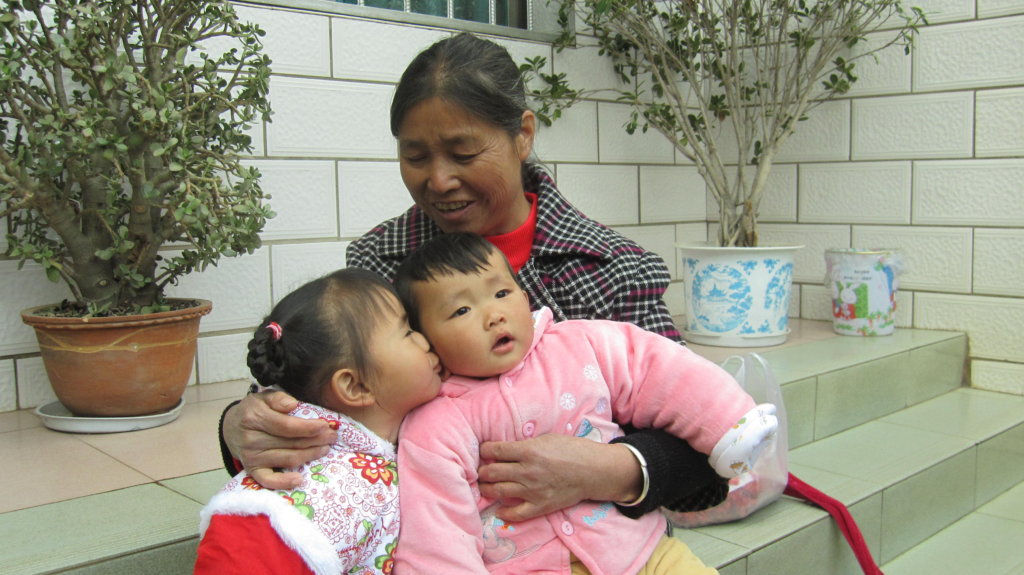
Children must have a transition stage between meeting the family carers and moving to live with them. This is an important time for children and carers as they get to know each other. There should be a gradual increase in the time spent in the family carers’ home to help both the child and the family carers ensure that they are ready for the new family care arrangement.
Placement
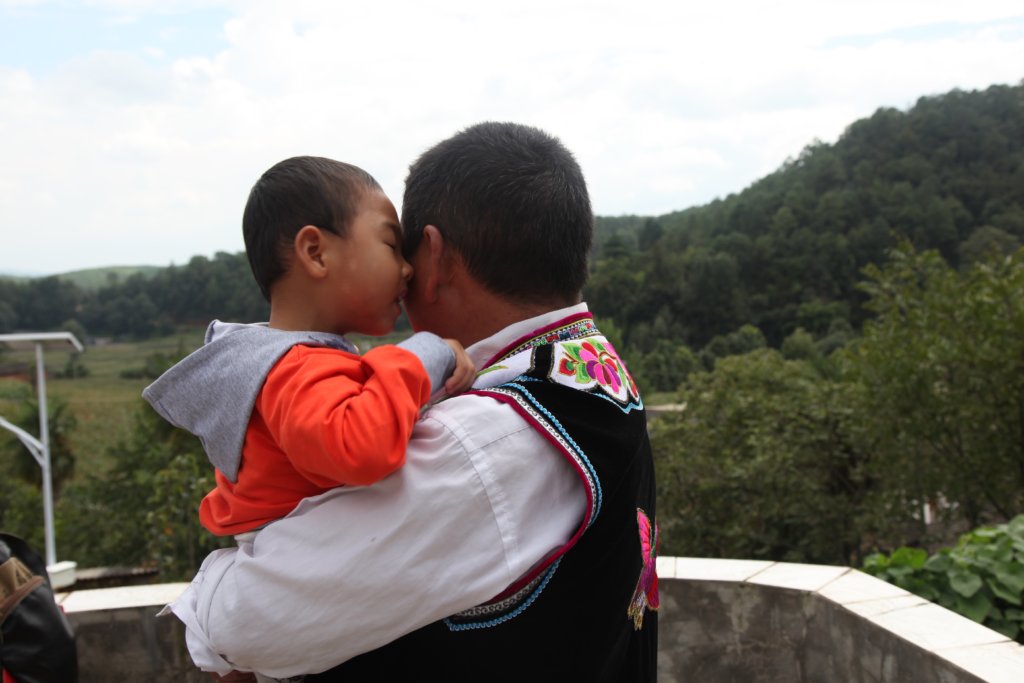
Once transitions have proceeded successfully, the child moves in with the family carer and is cared for fully within the family.
I hope this gives you a further insight into our training, which has been such a key part of our work in transitioning China from institutional care to family-based care for orphans and vulnerable children.
Stay connected for more updates. Thank you so much for your support.
Project reports on GlobalGiving are posted directly to globalgiving.org by Project Leaders as they are completed, generally every 3-4 months. To protect the integrity of these documents, GlobalGiving does not alter them; therefore you may find some language or formatting issues.
If you donate to this project or have donated to this project, you can receive an email when this project posts a report. You can also subscribe for reports without donating.