By Andreas Jagersberger | Philanthropy & Partnerships
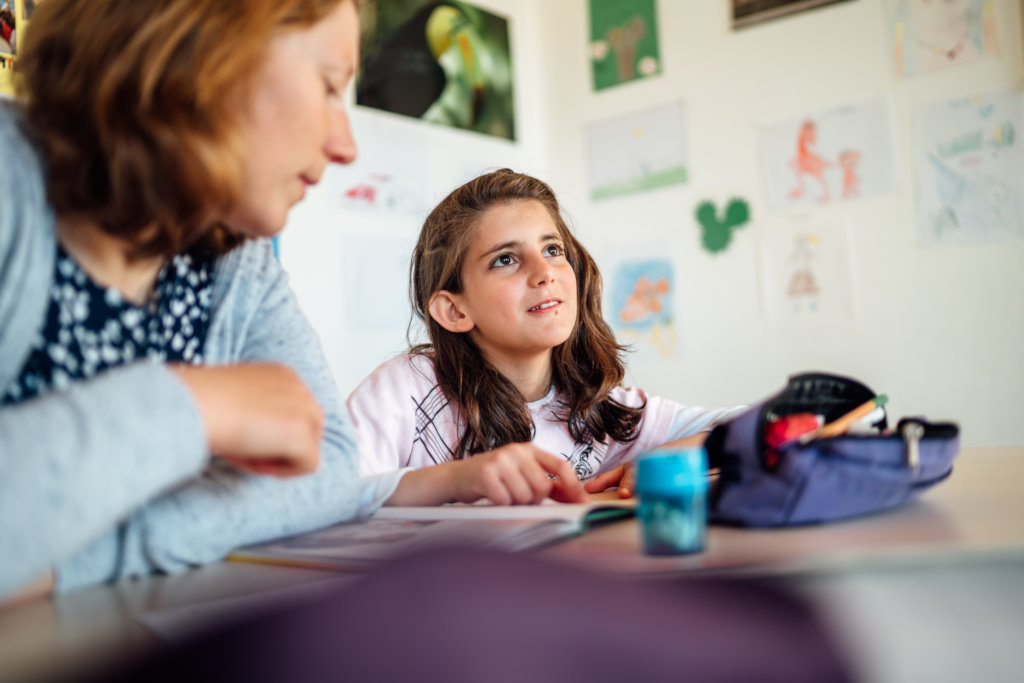
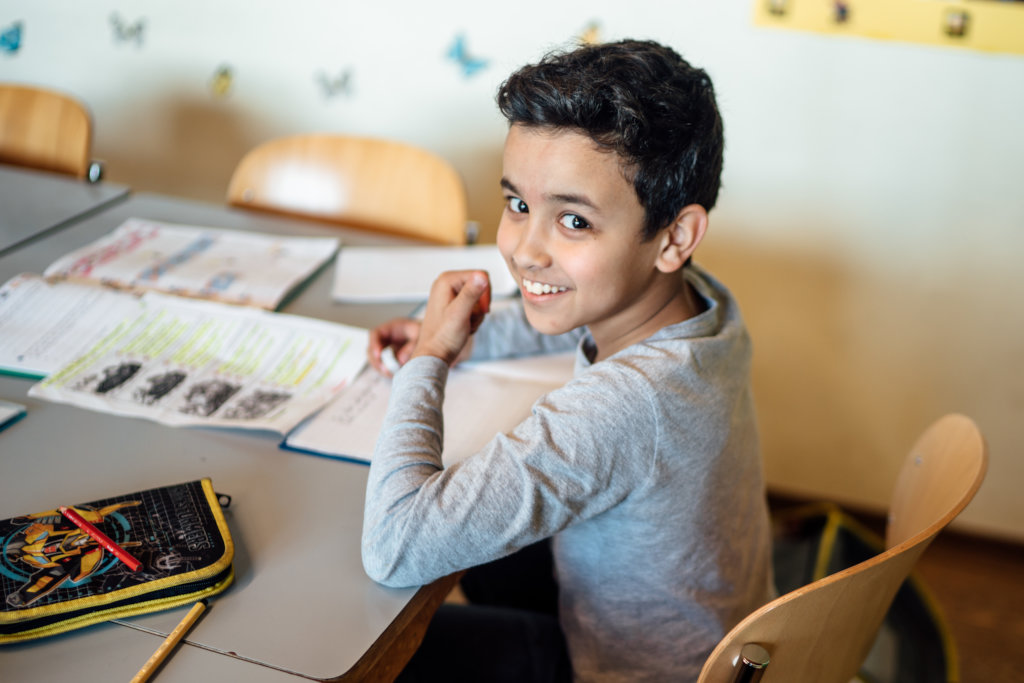
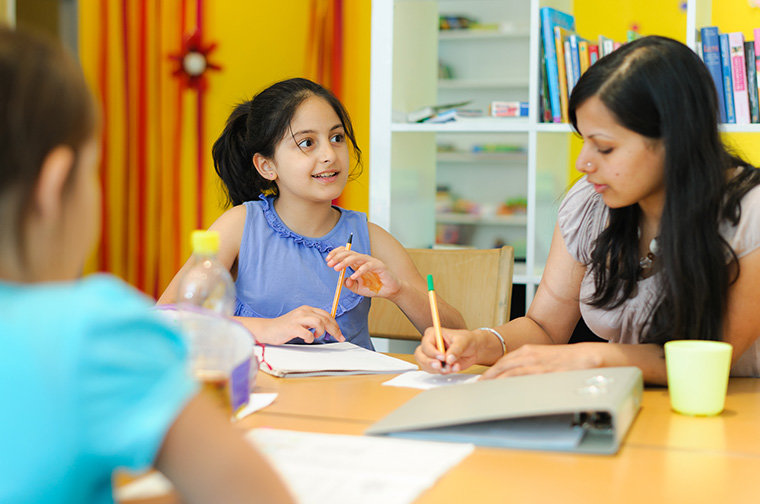
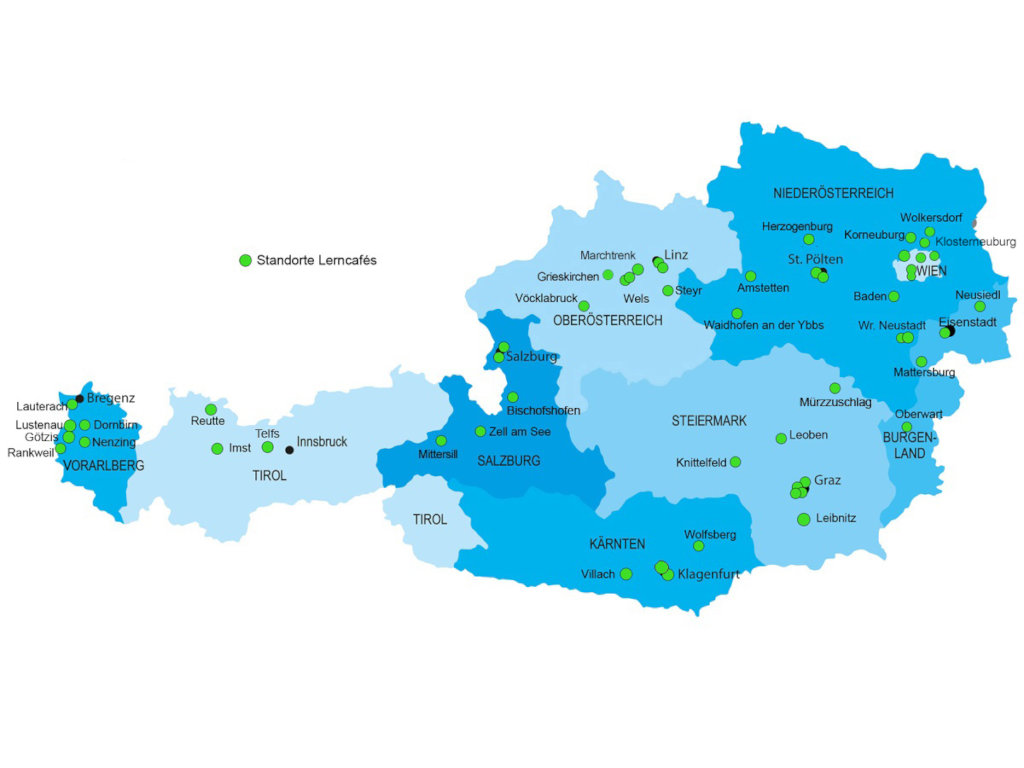
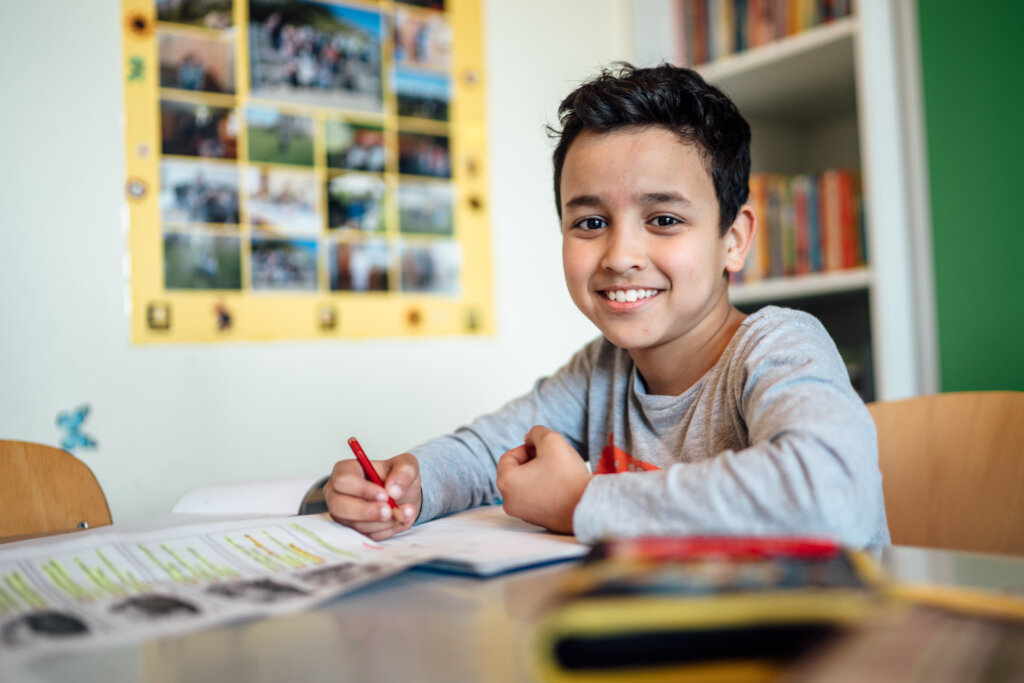
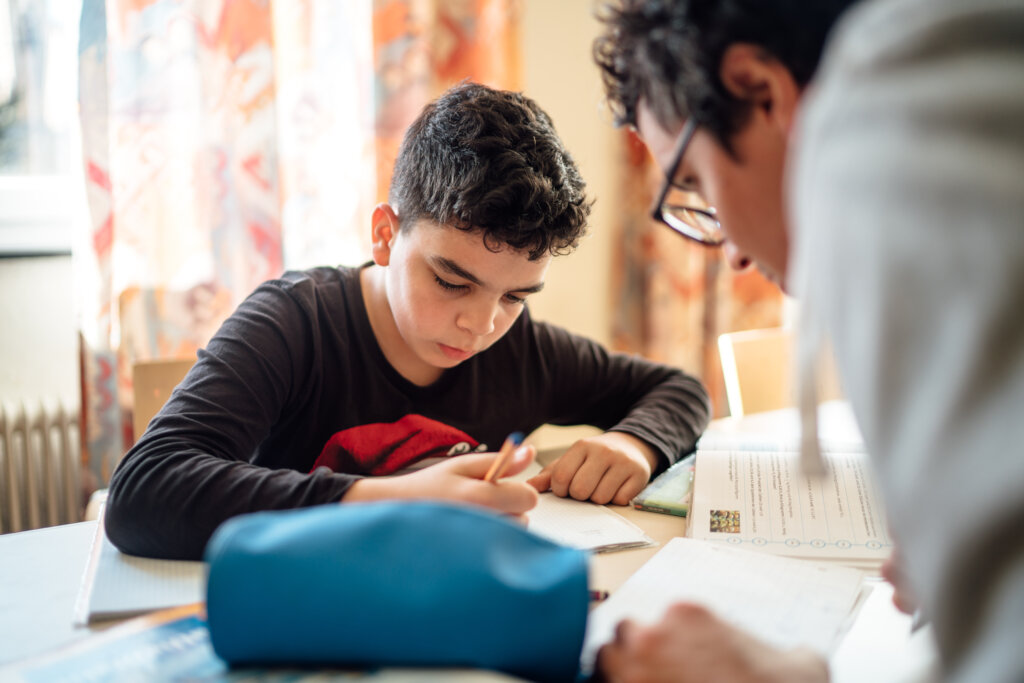
The Austrian-wide 62 Lerncafés (learning café) are a free learning and after-school support service for children and young people in Austria. During the Covid-19 pandemic, Caritas continued to support Lerncafé children in their learning through individualized online learning support via email, cell phone and video telephony.
Nevertheless, the years 2020 and 2021 and the impact of the Covid-19 pandemic and the associated lockdowns have posed major challenges not least for many children and their access to education: It has become apparent that children from poverty-stricken families are particularly affected by school closures. They have lost touch with classes on the one hand and with their social environment and friends on the other. The lerncafés helped them learn and stay connected.
Lerncafés during lockdown and parallel operation
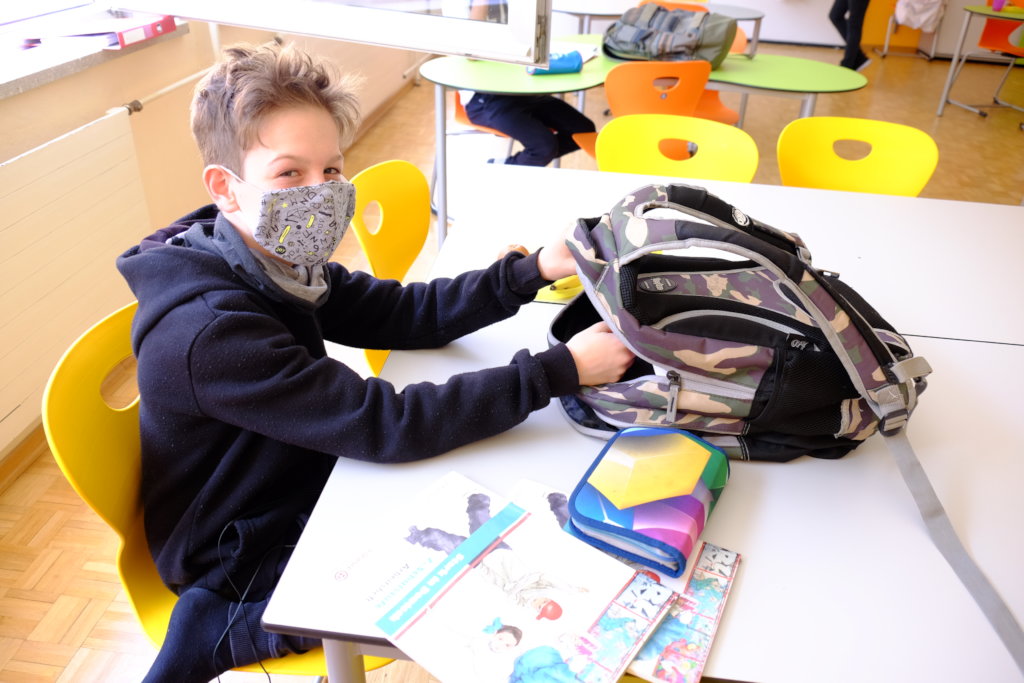
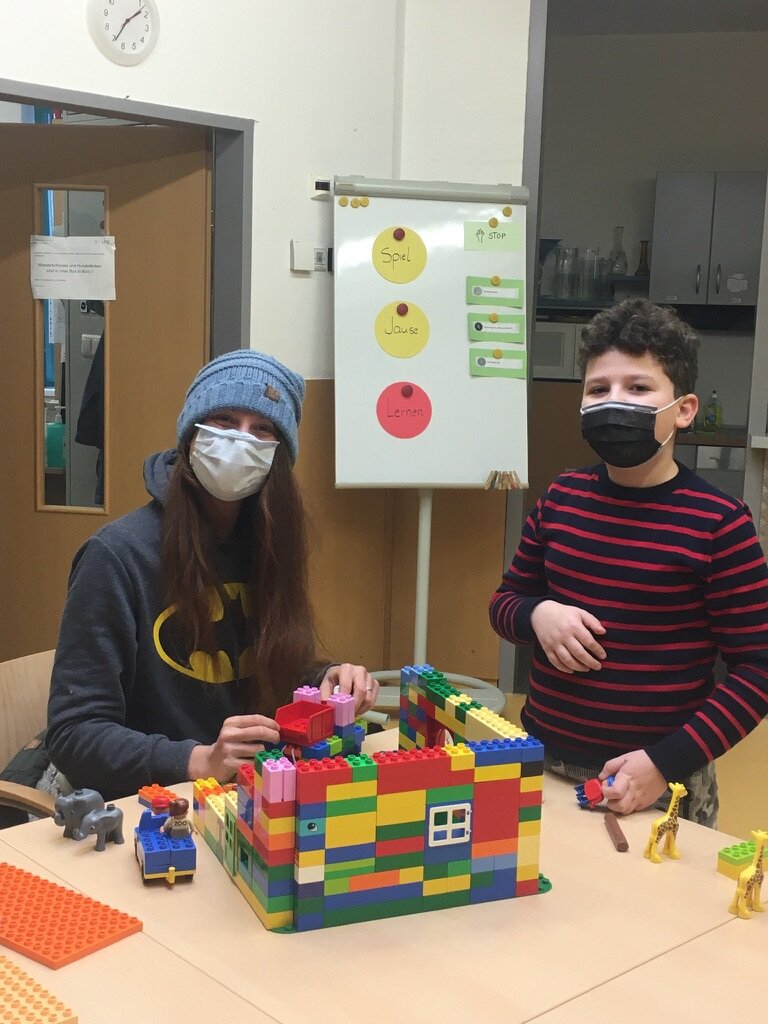
During the lockdowns and school closures, Lerncafé staff helped the children learn individually via regular contact and previously targeted surveys of the need for technical options via agreed learning times using e-mail, cell phones and video telephony. The social care component and contact with parents, which was also a focus of staff during the lockdown, further empowered the Lerncafé children. Due to Covid mandated hygiene, safety, and spacing regulations, the Lerncafés offered parallel operations during the time between lockdowns. I.e., supervision on-site as well as online. Overall, the demand for additional places in the Lerncafés was already very high before the Covid 19 pandemic and is currently steadily increasing.
What does the Lerncafé support mean for children
Maya (name changed to protect client’s privacy), a student from Lerncafé St. Pölten, fled Syria with her family a few years ago. During their way to Austria they also lived in Egypt for a few months as the girl remembers. Initially supposed to attend school in Egypt, she had to leave pretty soon because of very bad experiences with violent teachers and also difficulties with understanding the dialect. All these experiences combined with fear and trauma from their flight were clearly recognizable at the enrollment in the Lerncafé St. Pölten. Maya was very introverted and barely spoke to the Lerncafé team.
The Lerncafé coordinator responsible for the location in St. Pölten finally managed to help the family to gain trust through conversations with an interpreter and a lot of empathy. Subsequently, together with the Lerncafé team, a conversation was also held with the girl’s school teachers in St. Pölten, who was informed about the family situation and the experiences the girl had been through during their difficult escape from Syria.
Additionally, Maya’s family was also offered help through various Caritas services in the region. Now, after two years of diligent participation from the girl at the Lerncafé, she speaks German very well, is well integrated in the Lerncafé and in school and made close friends within the Lerncafé as well as in her class. Maya is still attending the Lerncafé and is planning to visit as long as she is in school. Besides Maya also her family is very grateful about that since they have found a very dedicated contact person at the Lerncafé who supports them with problems encountered during their integration process in Austria.
Lerncafés in numbers
Links:
Project reports on GlobalGiving are posted directly to globalgiving.org by Project Leaders as they are completed, generally every 3-4 months. To protect the integrity of these documents, GlobalGiving does not alter them; therefore you may find some language or formatting issues.
If you donate to this project or have donated to this project, you can receive an email when this project posts a report. You can also subscribe for reports without donating.