By Jacki Smith | Regional Coordinator
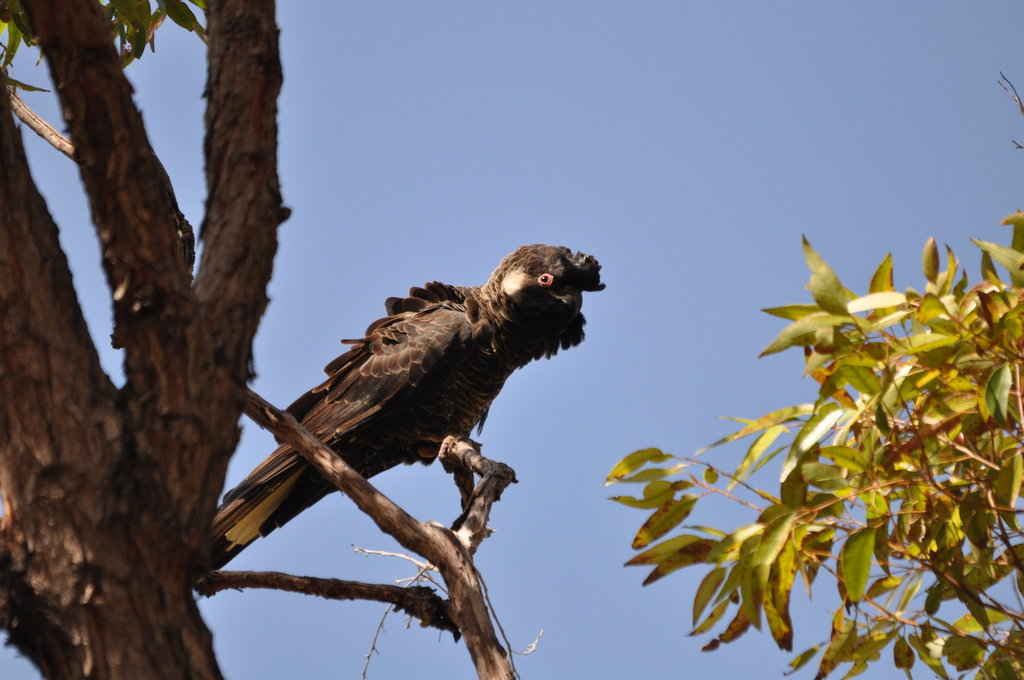
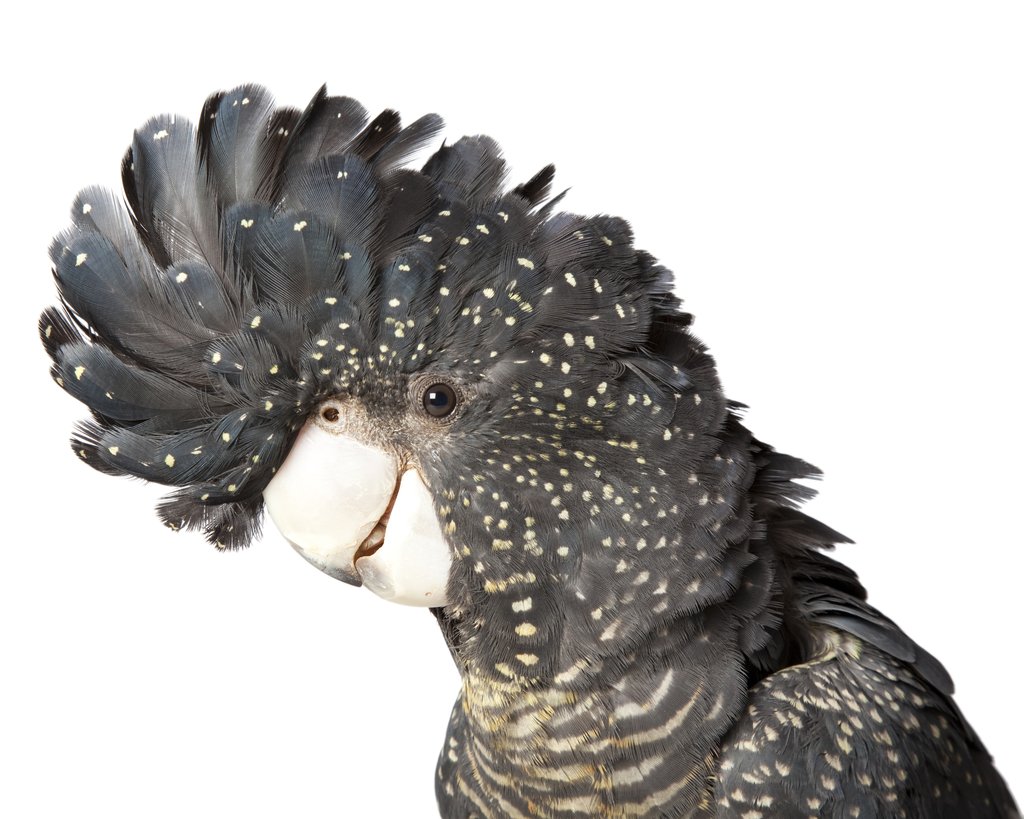
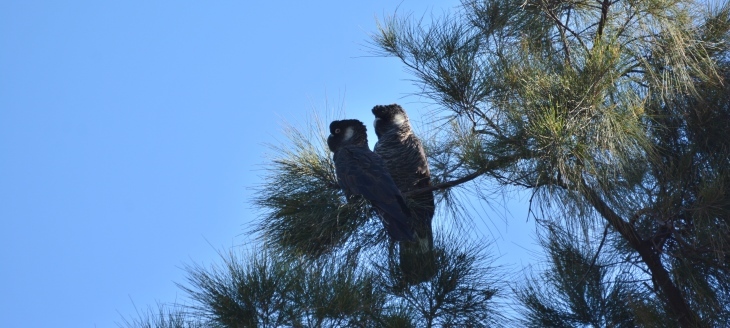
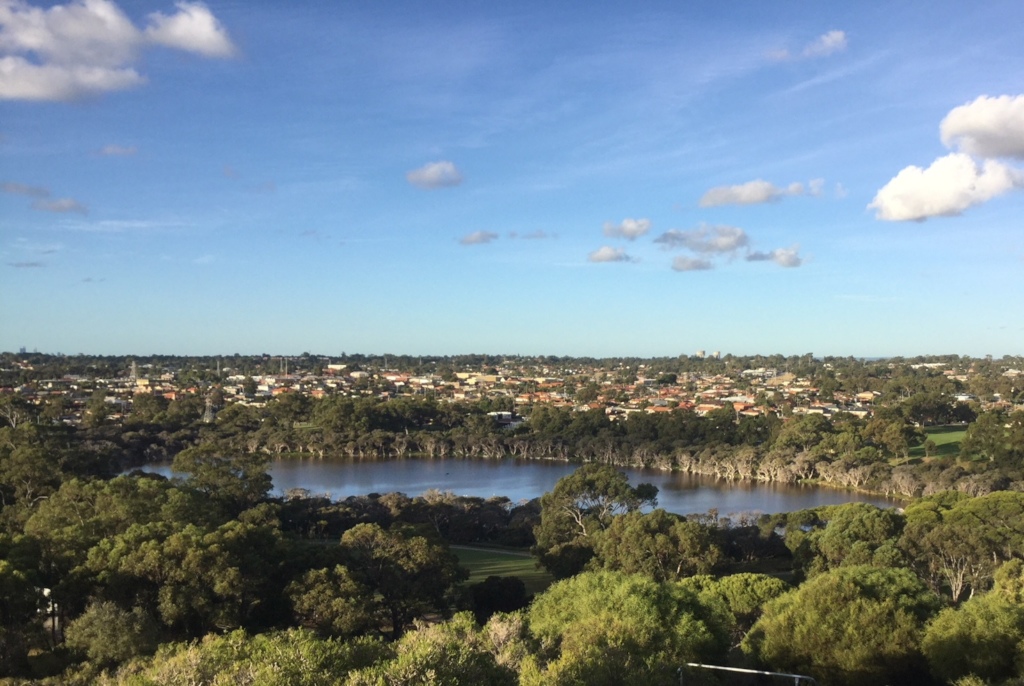
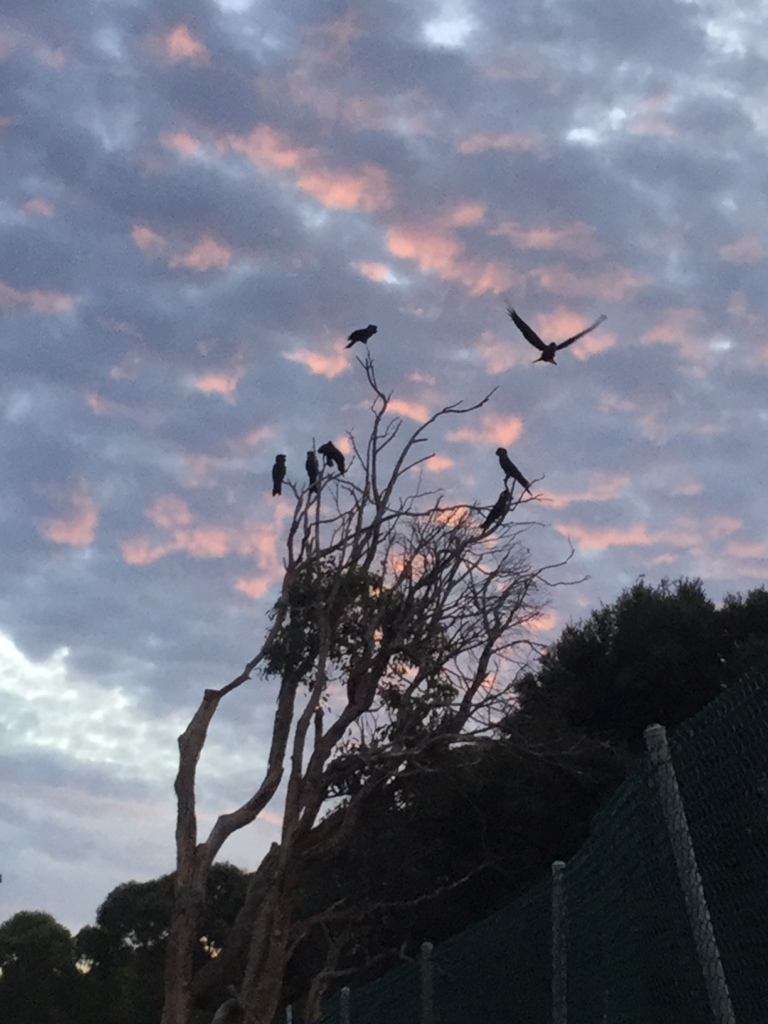
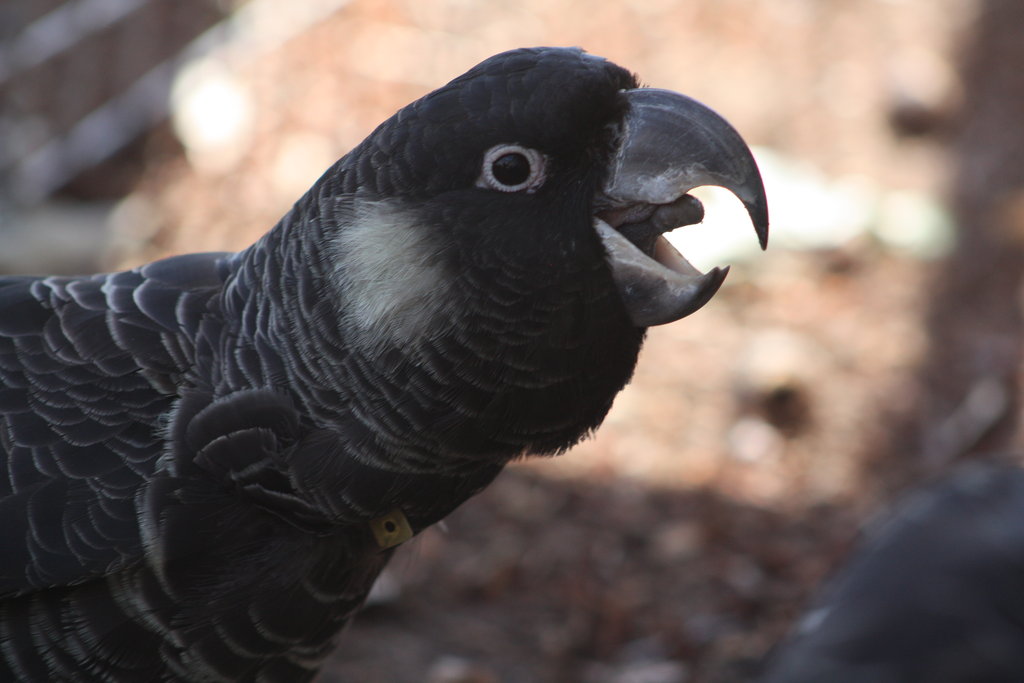
On Sunday the 8th of April our volunteer team joined 700 other volunteers to count black-cockatoos as they came in to their evening roosts. The Great Cocky Count is a long-term citizen science survey and the biggest single survey for black-cockatoos in Western Australia. This was the 10th year the event has taken place, with records submitted from across the southwest providing a snapshot of black-cockatoo populations to understand and quantify the changes in cockatoo numbers over time.
The Carnaby’s form large nocturnal communal roosts in the non-breeding season on the Swan Coastal Plain. The same roost sites are generally returned to year after year, with tree structure, food, shelter and water availability believed to be the crucial factors for roost selection. However, as Perth continues to expand, the native Banksia woodland on the Swan Coastal Plain is disappearing, providing less roosting habitat and critical food resources for Carnaby’s and other native species. This has resulted in the Carnaby’s forming a ‘mega roost’ with more individuals flocking to select sites. The volunteers counted 6,226 Carnaby’s at a mega roost during this year’s Great Cocky Count!
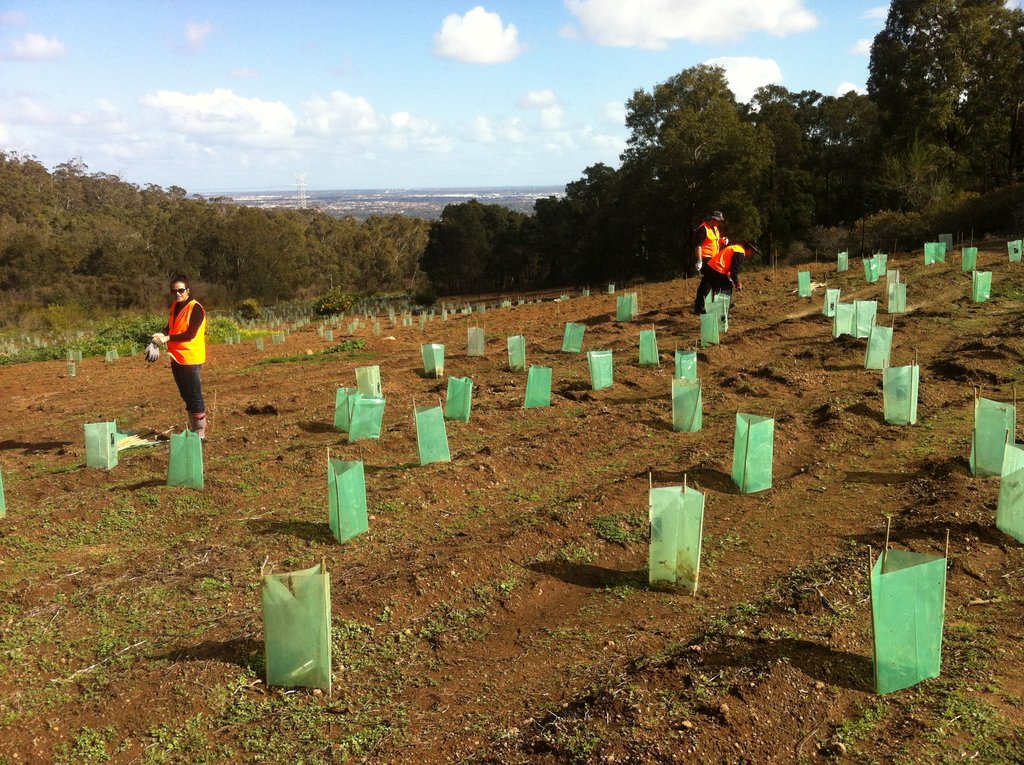
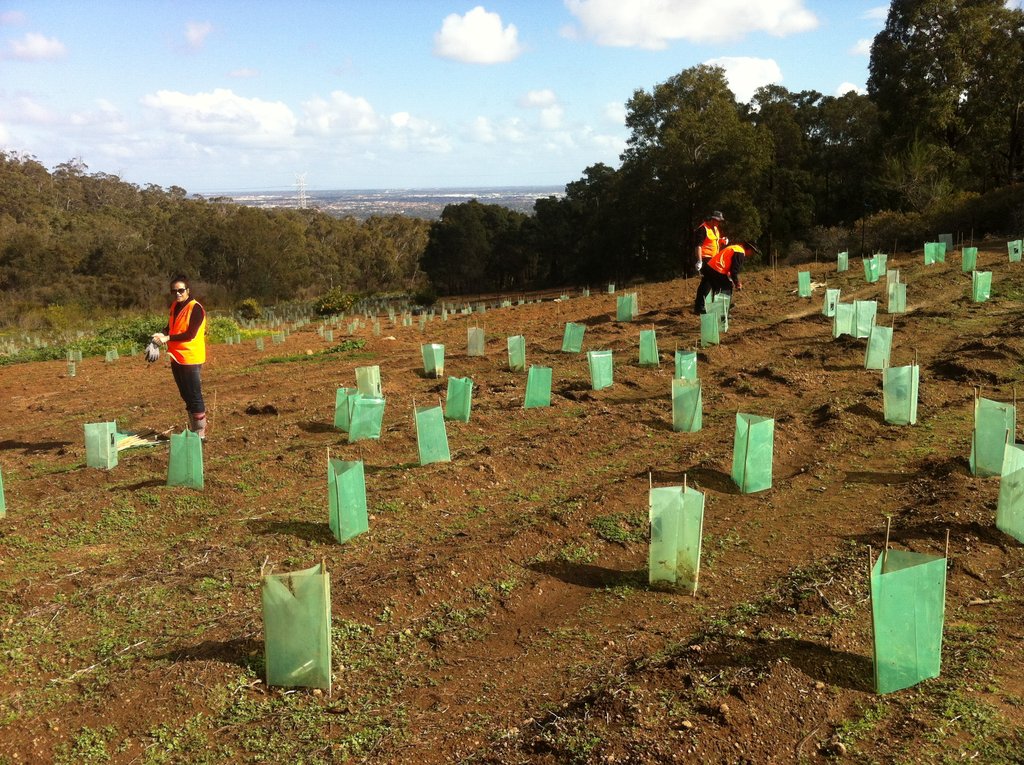
The largest threats to the Carnaby’s remain the consequence of land clearing and habitat fragmentation due to urban development, agriculture and competition for the remaining nesting hollows from species such as Galah, corella and feral bees. To help with this, we will soon be entering the planting season, and will continue to work with local councils and community groups to re-establish native vegetation in priority bushland reserves to secure a future for these beautiful birds.
As always, would like to thank our supporters, volunteers and very generous GlobalGiving donors. Without your support, we wouldn’t be able to continue engaging the community in local conservation efforts. Further donations are definitely appreciated, and will help us to continue to make a difference for our endangered native species.
Links:
Project reports on GlobalGiving are posted directly to globalgiving.org by Project Leaders as they are completed, generally every 3-4 months. To protect the integrity of these documents, GlobalGiving does not alter them; therefore you may find some language or formatting issues.
If you donate to this project or have donated to this project, you can receive an email when this project posts a report. You can also subscribe for reports without donating.