By Catherine McLeod | Project Leader
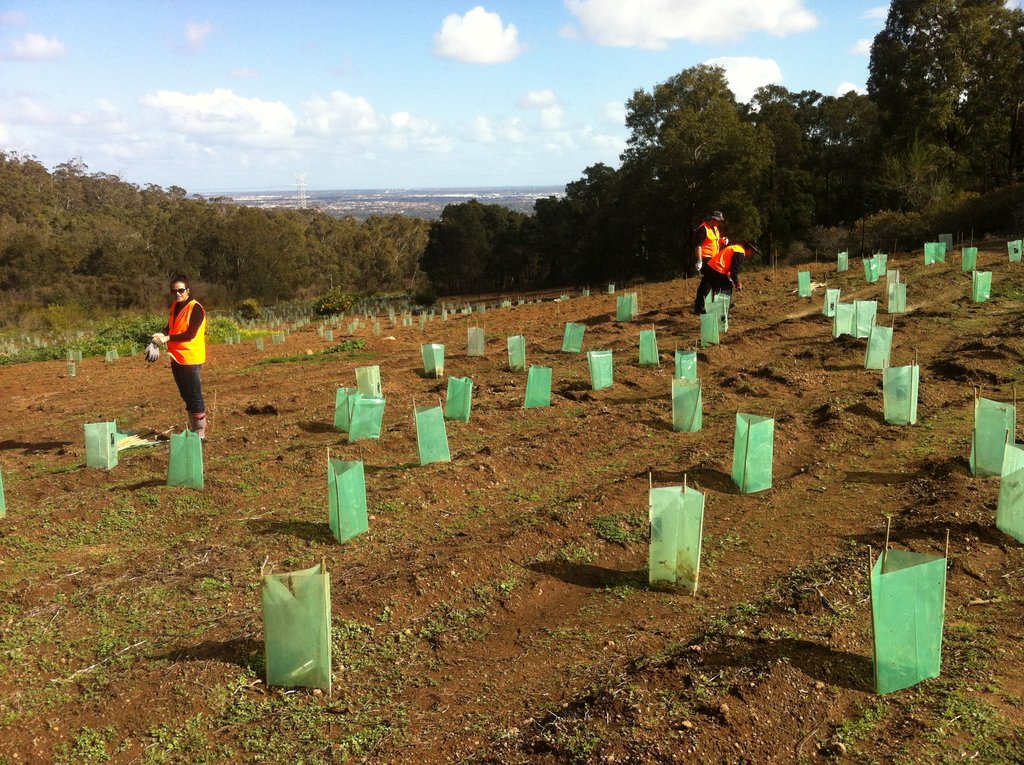
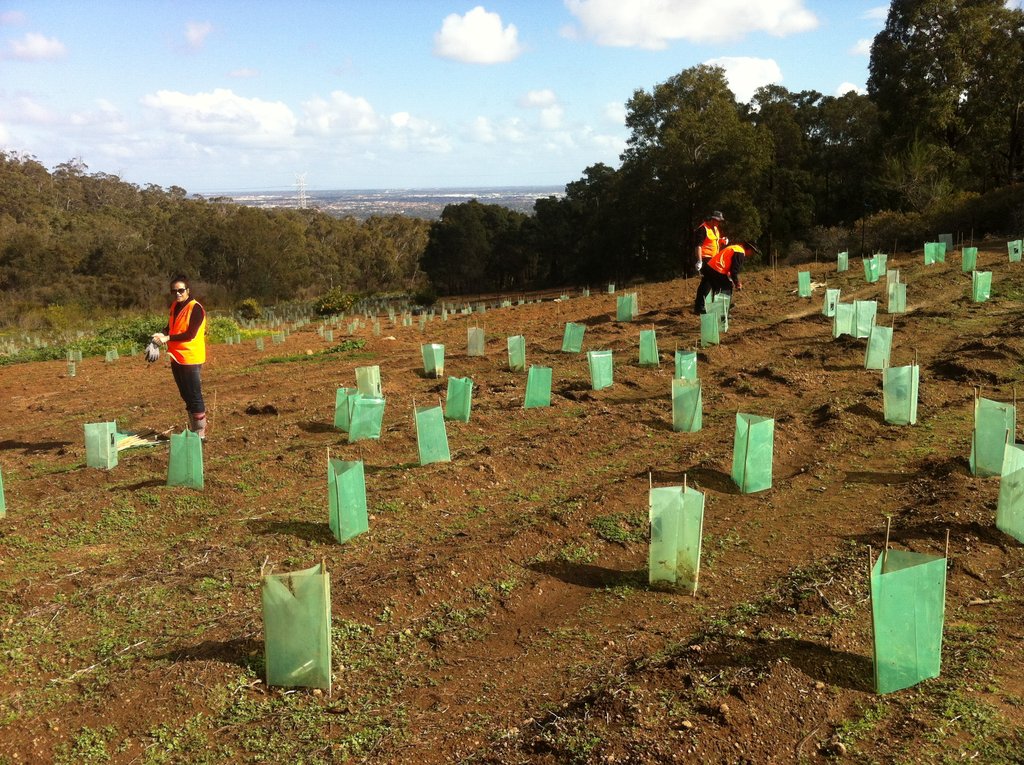
Conservation Volunteers Australia (CVA) for over 10 years, and through the engagement of community members, have been restoring areas of natural habitat creating green ecological corridors for
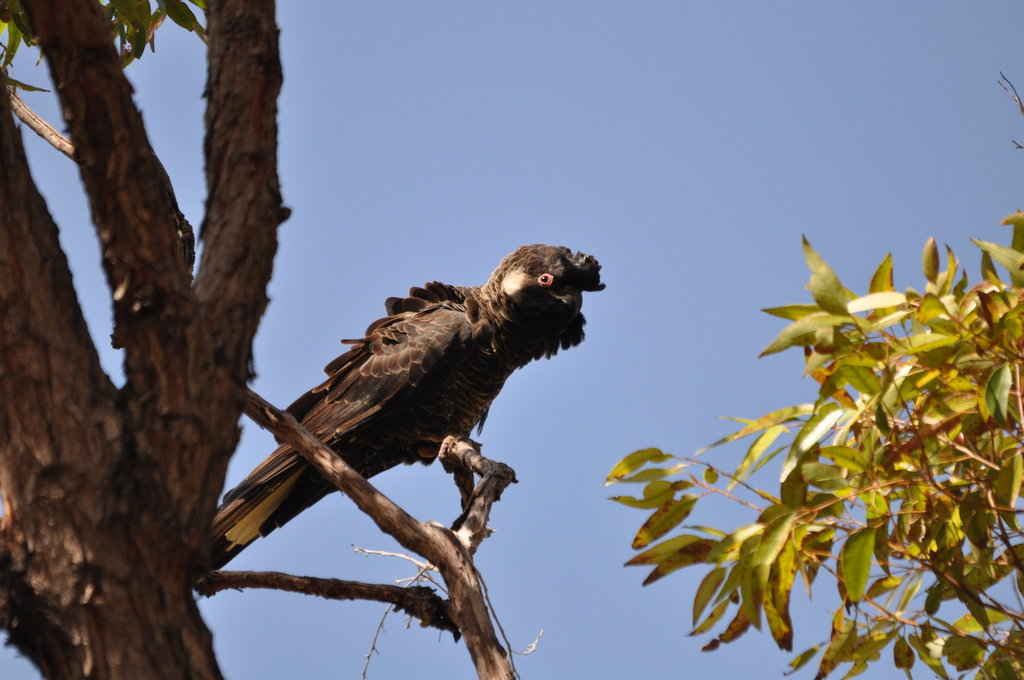
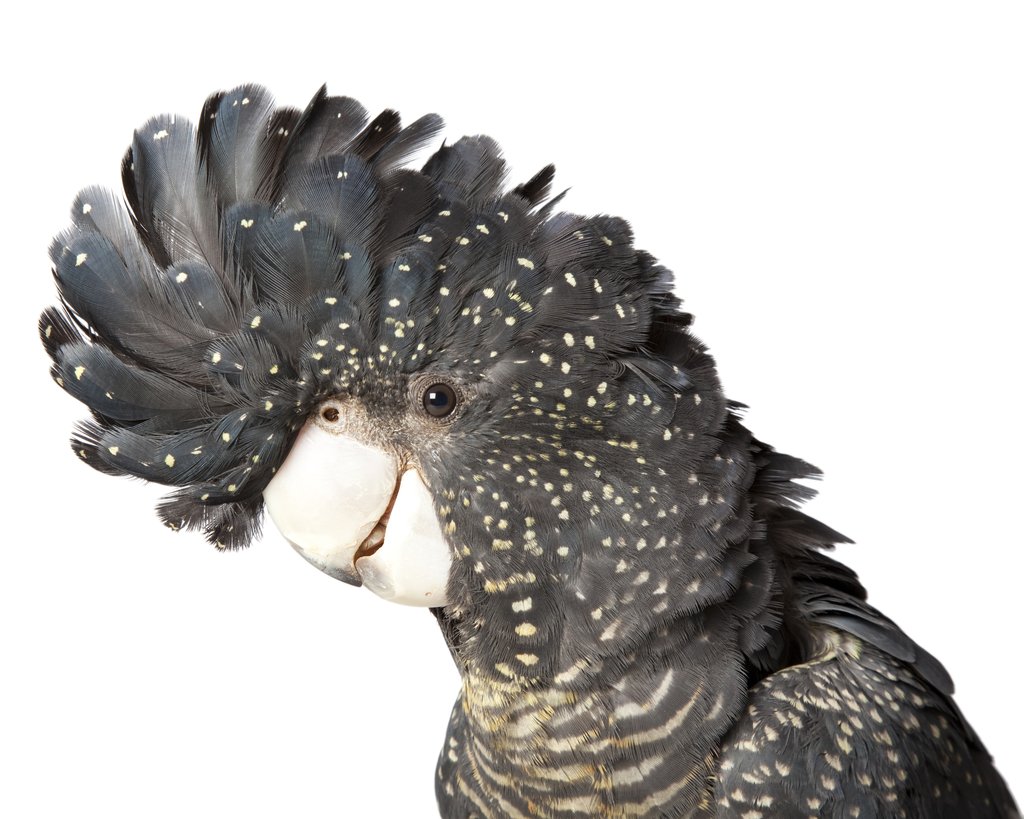
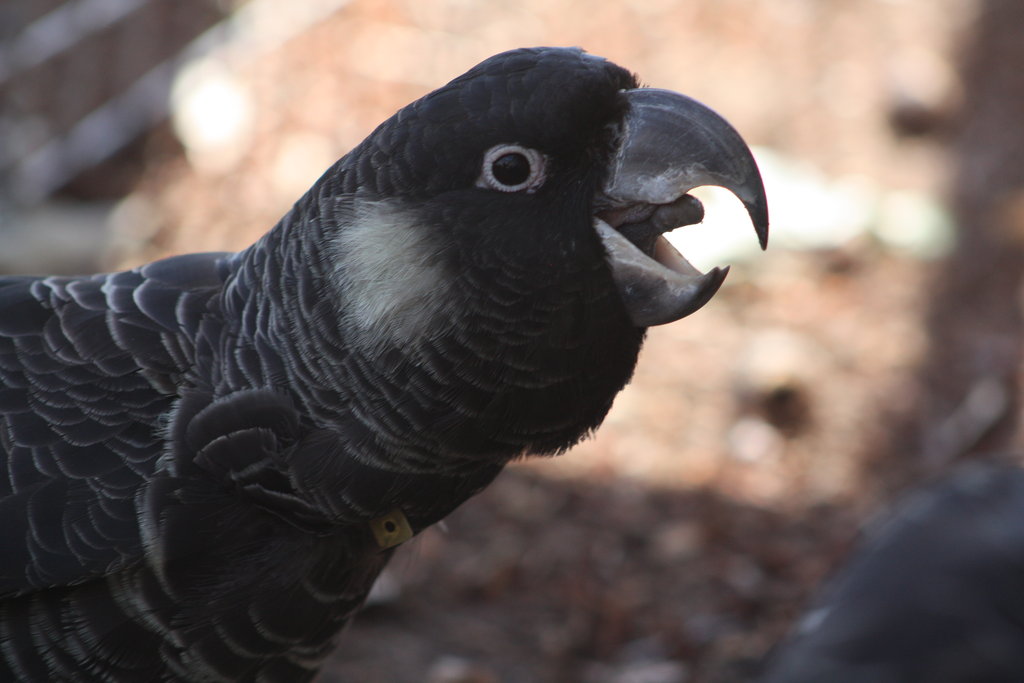
iconic South West Black Cockatoos; the endangered Carnaby’s Black Cockatoo (Calyptorhynchus latirostris) and the threatened Forrest Red Tail Black Cockatoo (Calyptorhynchus banksii).
The Carnaby’s Black Cockatoo and Forrest Red Tail Black Cockatoo are unique to the South West of Western Australia, from Geraldton to Esperance.
Since the 1970s, the population of the Carnaby’s Cockatoo has declined by more than a half. This is due to clearance of feeding and nesting habitat, removal of mature (at least 200-year-old)
Eucalyptus trees that bear nesting hollows, competition from feral birds for existing nesting hollows and poaching. All of which are from human intervention.
Humans also have the choice to control the rate of these threatened birds by acting now to make a difference. CVA facilitates project days for people that want to make a difference by donating
their time to volunteer with CVA and support habitat restoration for these federally protected birds. The Carnaby’s Black Cockatoo and Forrest Red Tail black Cockatoo are protected species under the Commonwealth’s
Environmental Protection and Biodiversity Act 1999 and Western Australia’s
Western Australian Wildlife Conservation Act 1950, regrettably their habitat is not protected resulting in their populations decline.
By making a donation, you enable the mobilisation of CVA Volunteer teams to work across the Perth metropolitan region and South West of Western Australia to protect and restore significant green
ecological linkages for the bird’s survival. This is through revegetation of natural habitat and food sources and the suppressing of exotic invasive weeds and allows for native seedlings to germinate and grow. This along with protecting water sources vital
for their survival, and the promotion of community education and knowledge transfer, will all assist in safeguarding and the restoration of these significant species and ecosystems.
Tristan Duke
Project reports on GlobalGiving are posted directly to globalgiving.org by Project Leaders as they are completed, generally every 3-4 months. To protect the integrity of these documents, GlobalGiving does not alter them; therefore you may find some language or formatting issues.
If you donate to this project or have donated to this project, you can receive an email when this project posts a report. You can also subscribe for reports without donating.