By Nigel Sampson | HANDS AROUND THE WORLD Project Co-ordinator
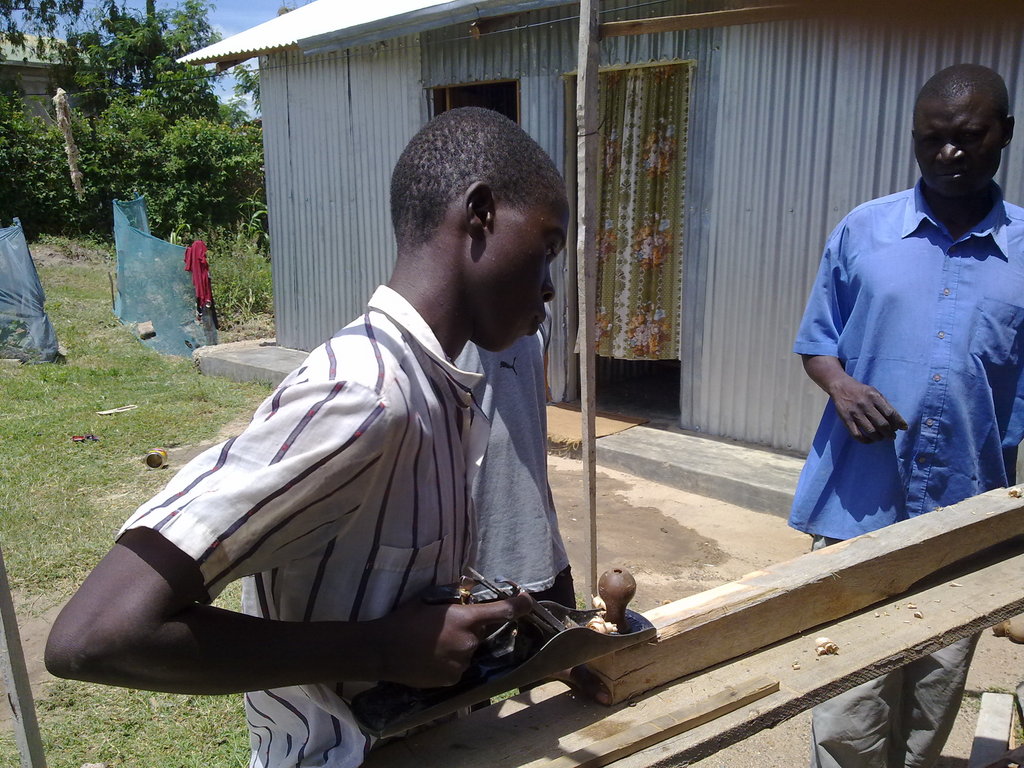
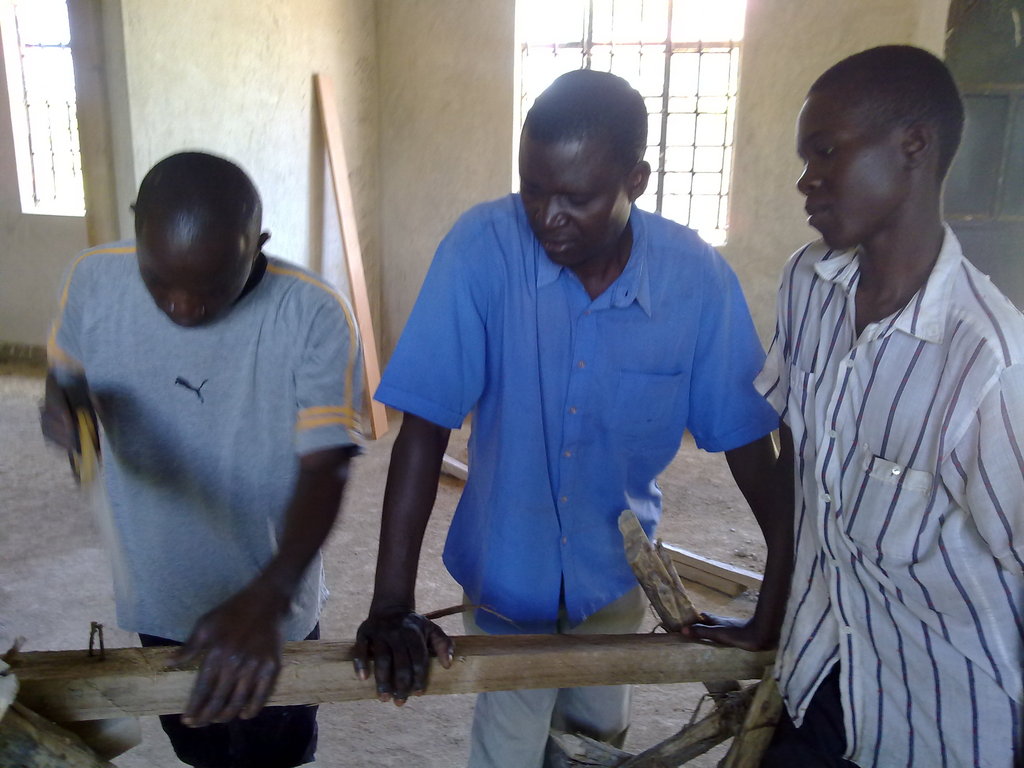
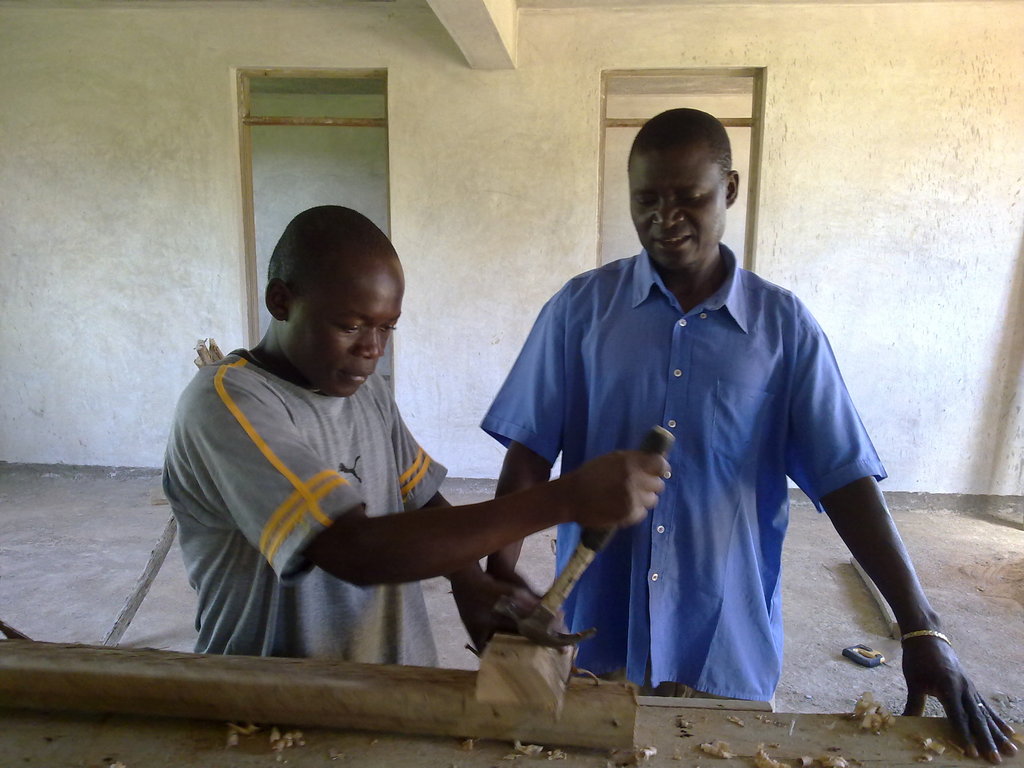
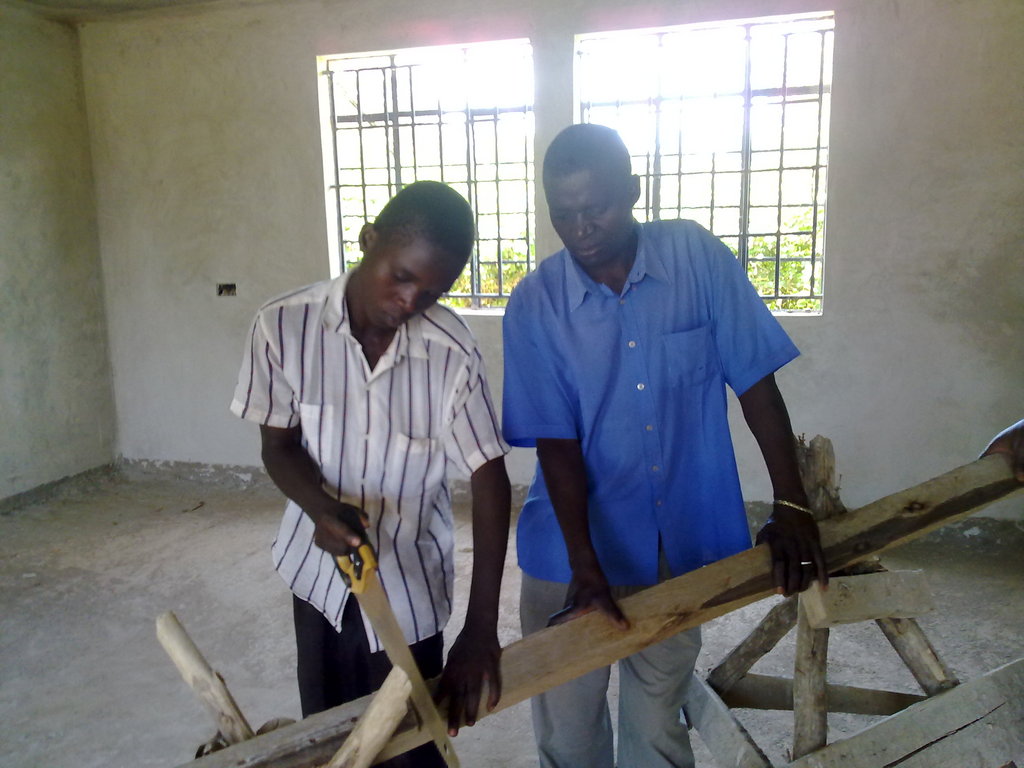
Things are now progressing quite well at the workshop. There are currently 8 full-time trainees and the trustees are continuing to seek more in the longer term. They have had success with their examination entries and attendance has improved.
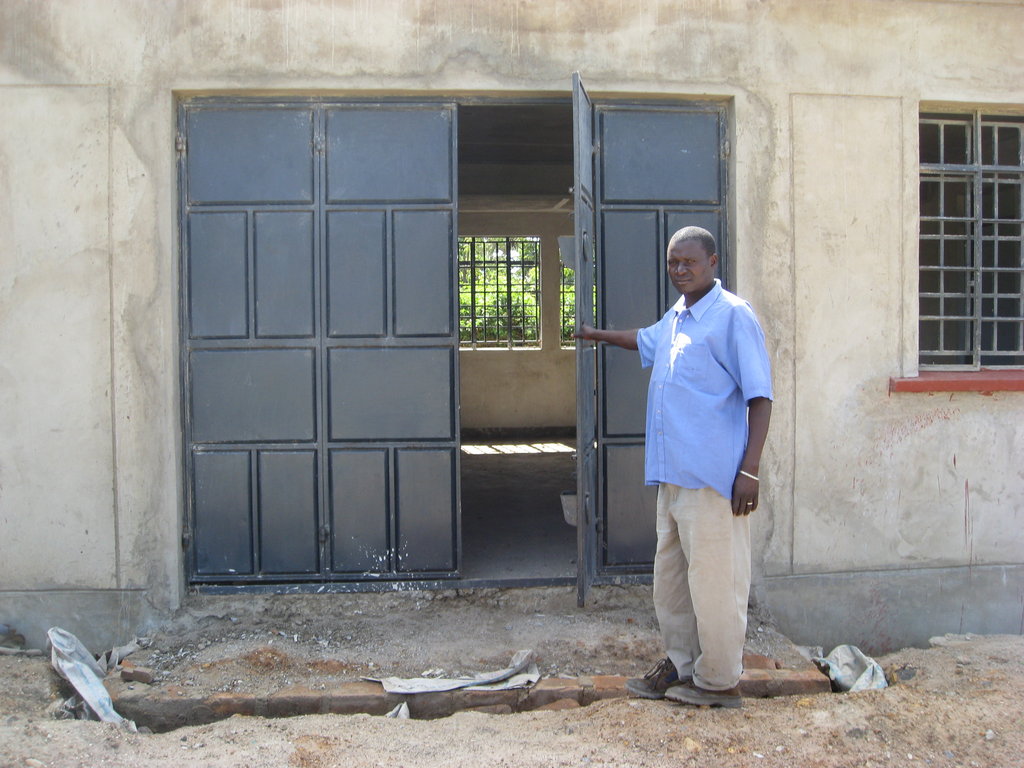
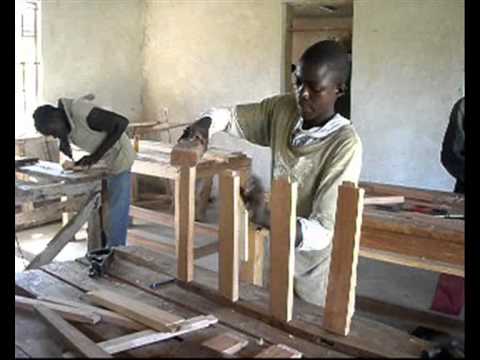
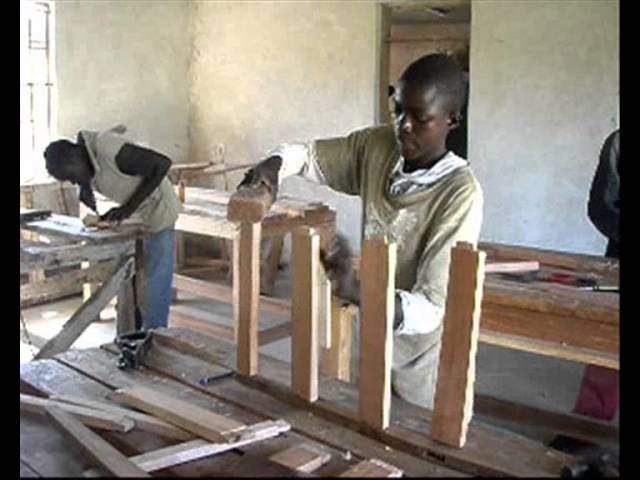
The extra floor that has been added to the workshop will enable work to be carried out literally on two levels. Closely supervised will be the newish trainees on the ground floor. They will be looking to master basic skills. On the upper floor will be the trainees who have already successfully completed level 3 Government exams in Carpentry and Joinery. The more experienced trainees will also, on occasions, help with the training of the inexperienced ones downstairs.
We would not expect trainees to produce much in the way of real, paid for work during their training but we are hoping to do just that at Paluoc. The trainees have always been able to carry out very basic tasks like sanding wood by hand but this is a very slow, arduous and not very productive occupation, though sometimes necessary. We are trying to introduce more in the way of power tools to increase skill levels, job satisfaction and productivity.
The workshop has been able, through financial assistance via Global Giving, and from Hands Around The World and others, to purchase some electric drills and routers. This adds kudos to the tasks to be undertaken and helps bring these unskilled trainees into the 21st century. It greatly increases the range of tasks that they can learn to undertake. However the most important issue is their understanding of the absolute necessity of using the tools properly and above all safely. This is one of the current priorities for the workshop.
There is quite a lot of competition for carpentry products both from other local carpenters and from Chinese mass produced imports. Paluoc is managing to obtain some real work tasks, eg making desks, repairing lockers etc for schools but the flow of such work is intermittent. On the one hand this means that the workshop can concentrate on its primary purpose; getting these trainees to develop their basic skills, but it is also a loss of potential income for the workshop and for the trainees. A small financial incentive is useful for these trainees who all come from very needy backgrounds. It’s also good for their self-esteem and in some cases helps to feed their wider family.
I have been looking with Paul Ochieng, our Centre Manager and chief instructor, at the possibility of a little diversification of their product range.
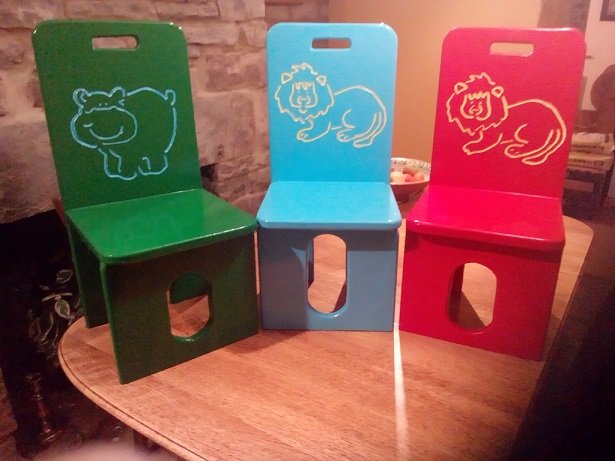
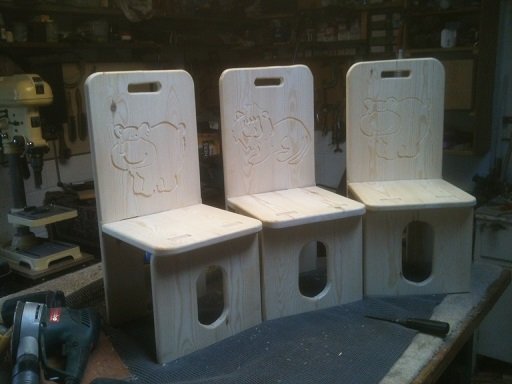
We are looking at the possibility of producing chairs inspired by local Luo design but aimed at tourists and locally wealthy parents and grandparents. The painted ones are the finished article and would have to be sold locally. The unpainted ones can be flat packed and fit into a tourist’s suitcase. I am going to visit Paluoc in January next year to explore this and any other ideas that Paul may come up with in the meantime. I have sent Paul my drawings for the chairs to ask him to assess how easily they can be made by the trainees, and then whether they could be sold at the local tourist market, or elsewhere.
To help finance itself and to continue to move on and learn new skills such projects are essential for Paluoc.
Thank you very much for your interest and continuing support!
Project reports on GlobalGiving are posted directly to globalgiving.org by Project Leaders as they are completed, generally every 3-4 months. To protect the integrity of these documents, GlobalGiving does not alter them; therefore you may find some language or formatting issues.
If you donate to this project or have donated to this project, you can receive an email when this project posts a report. You can also subscribe for reports without donating.