By Mark Kaiser | Founder/Director
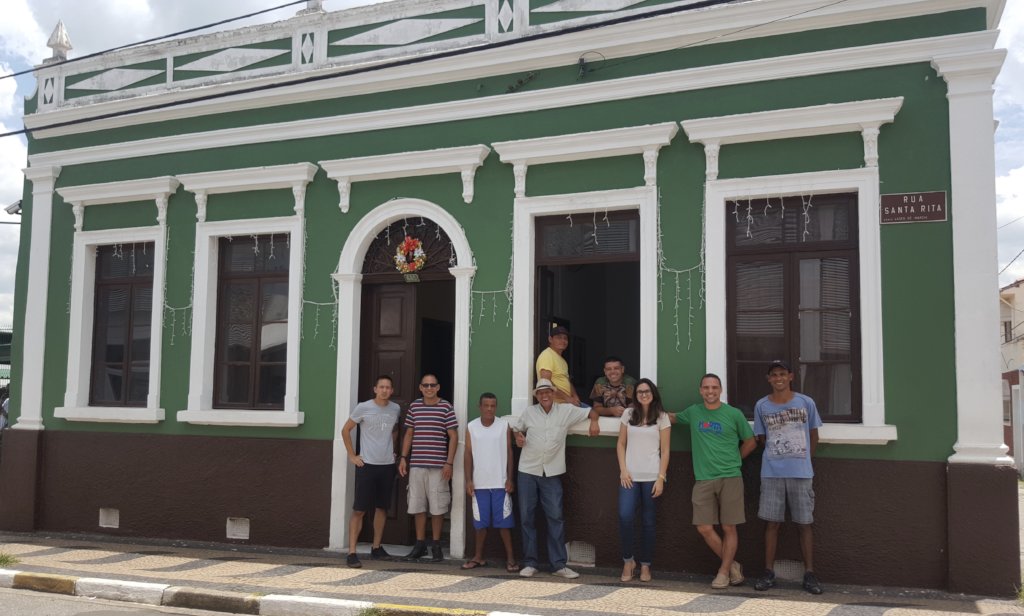
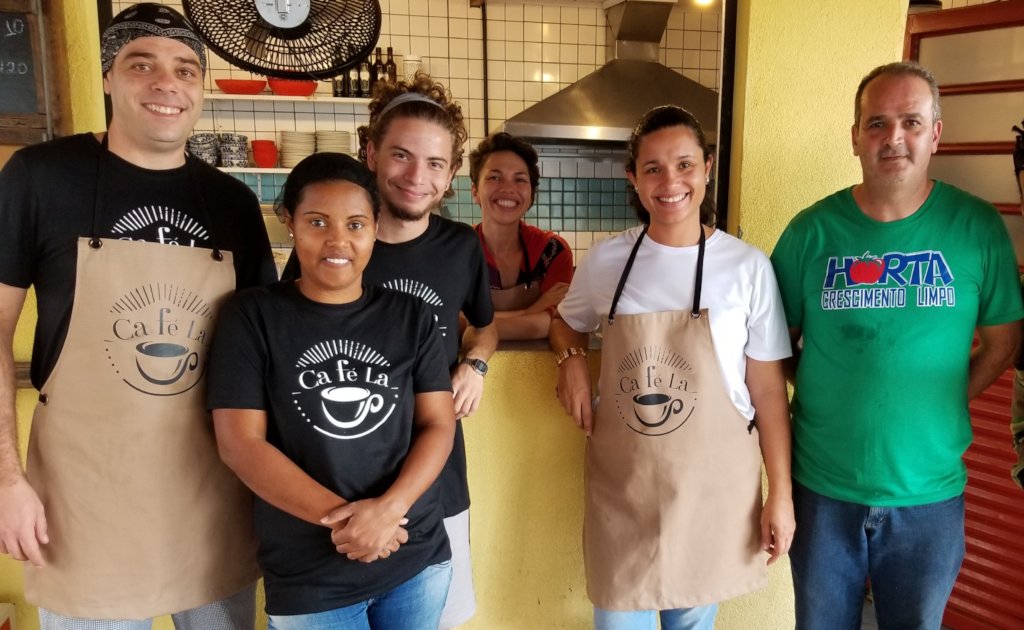
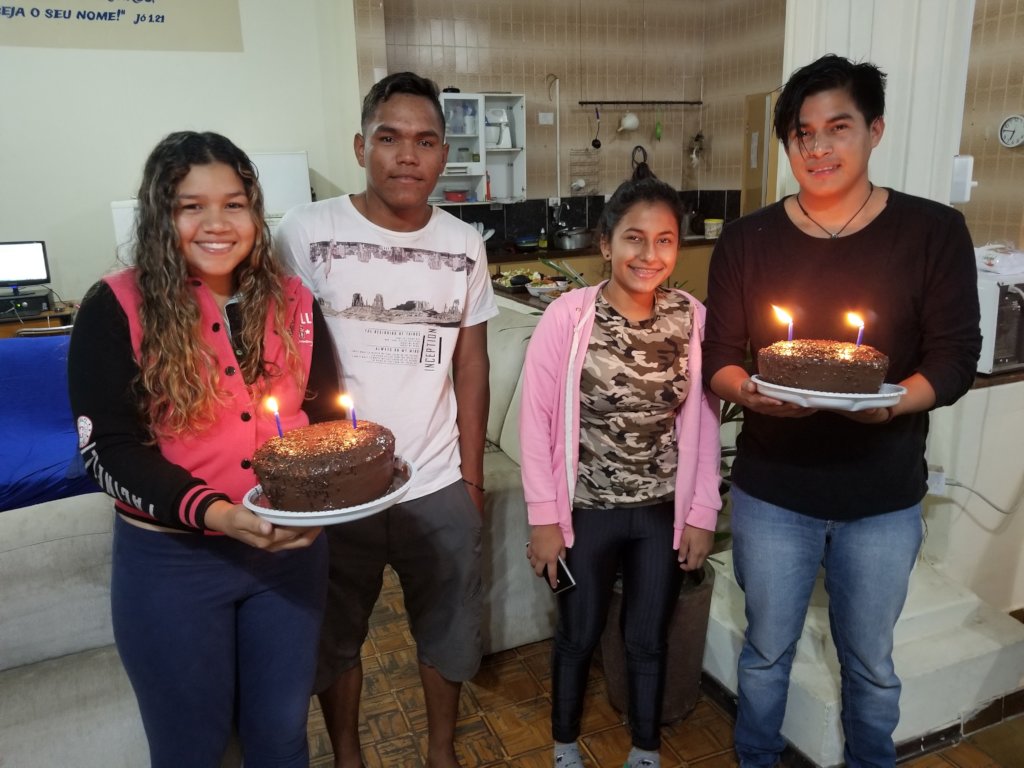
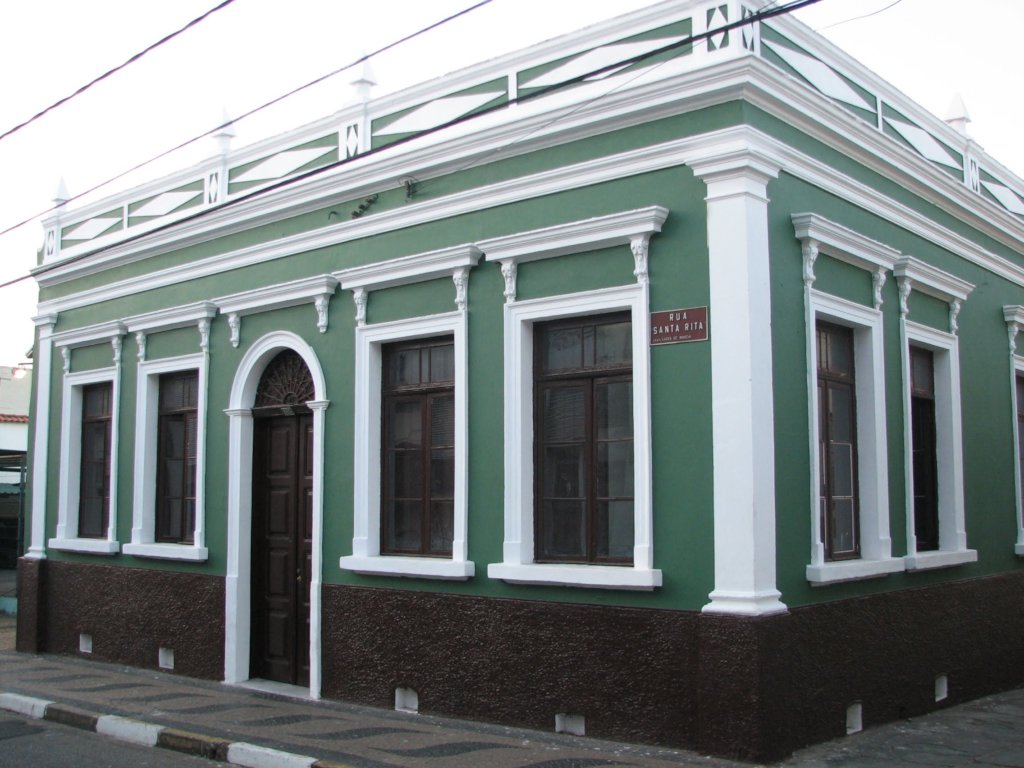
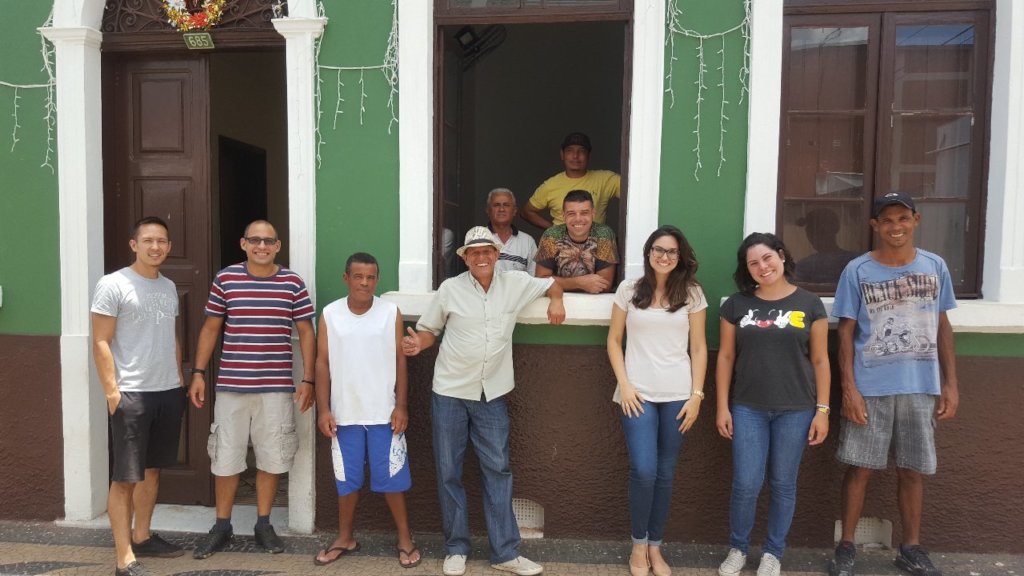
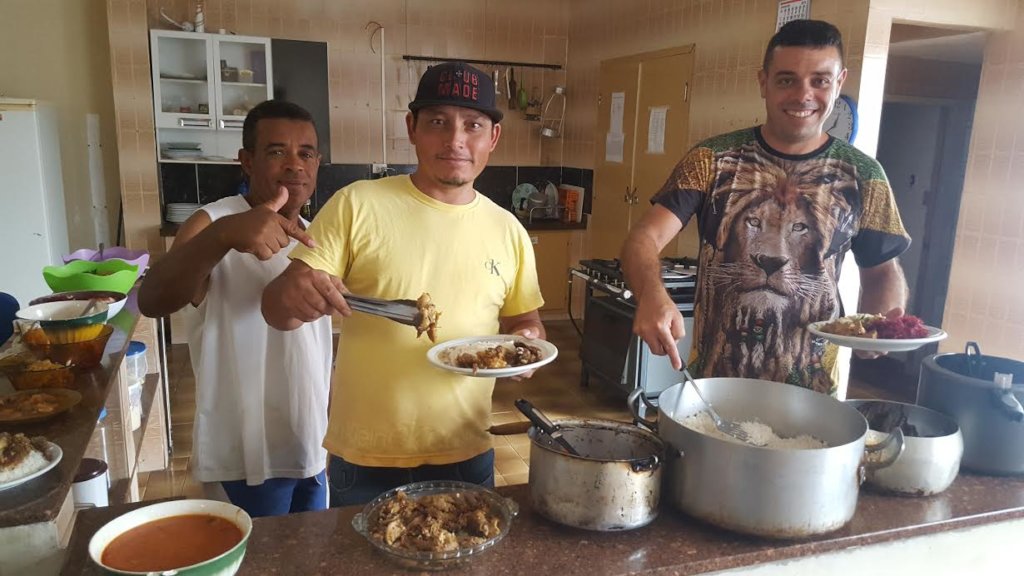
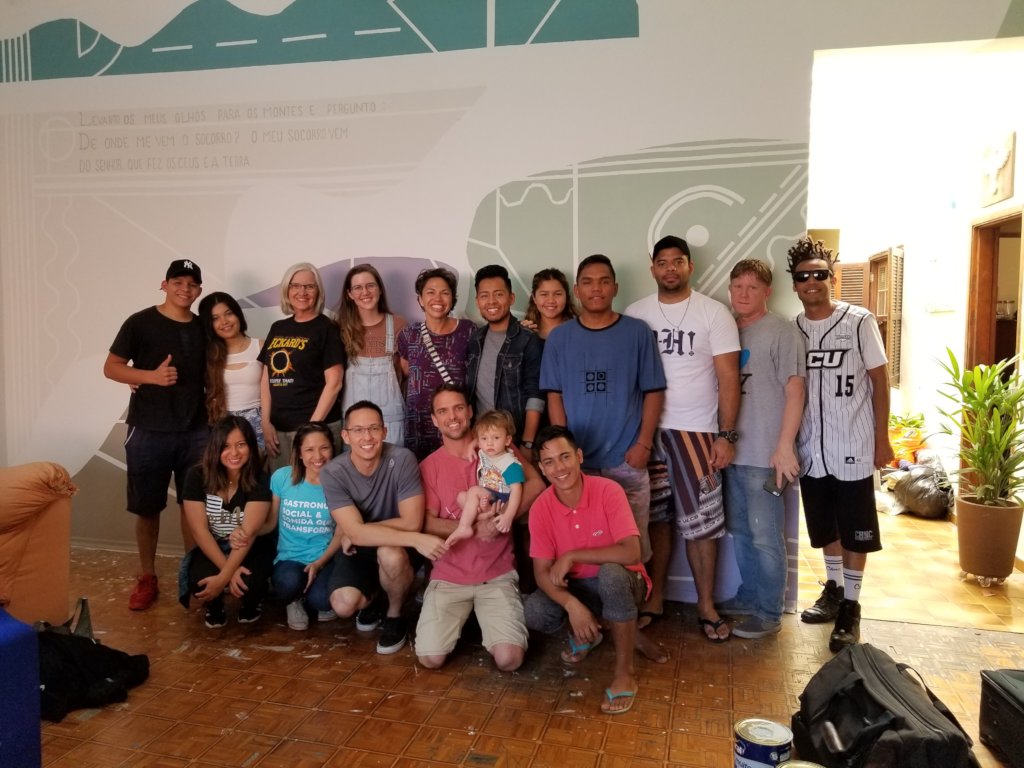
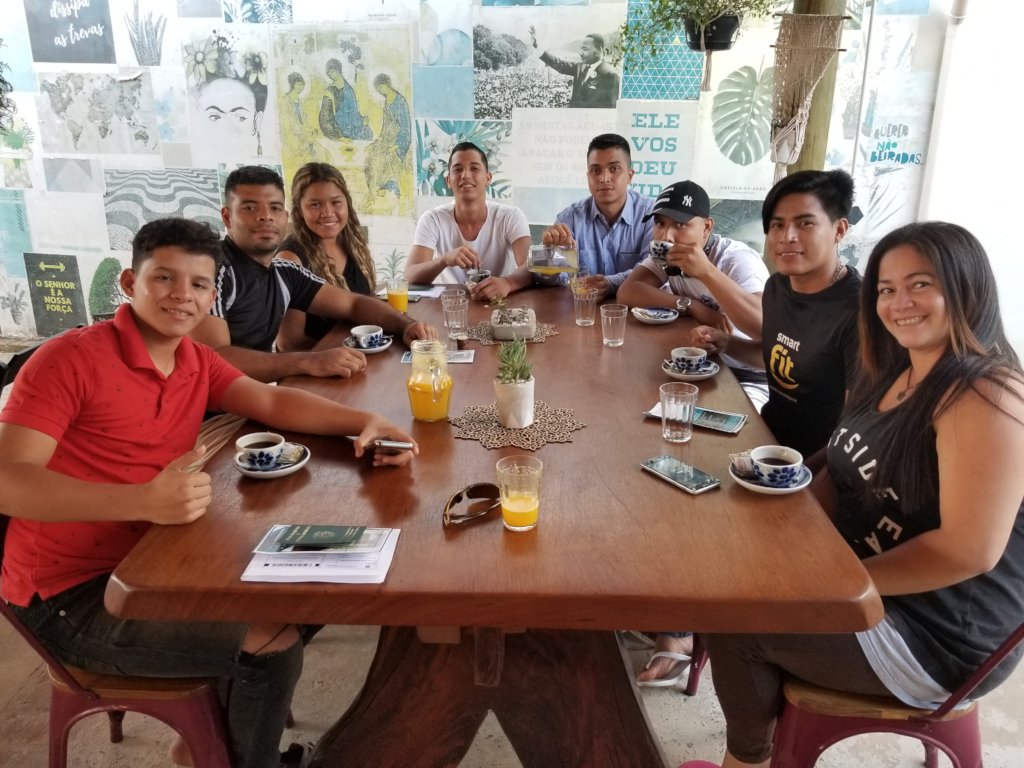
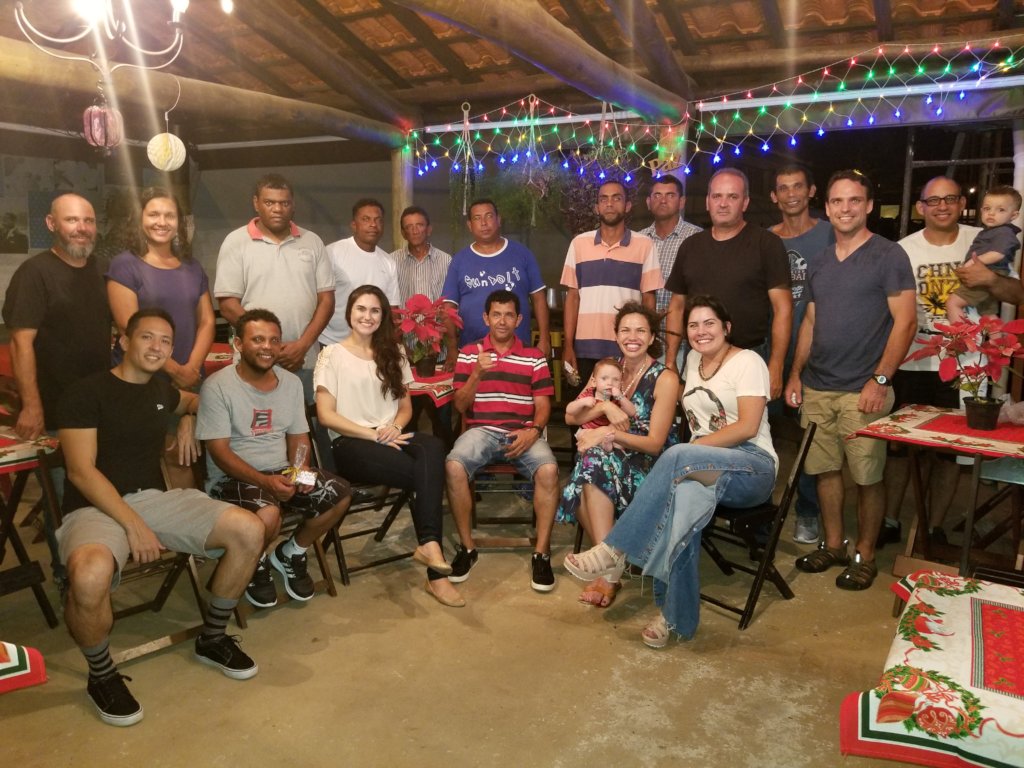
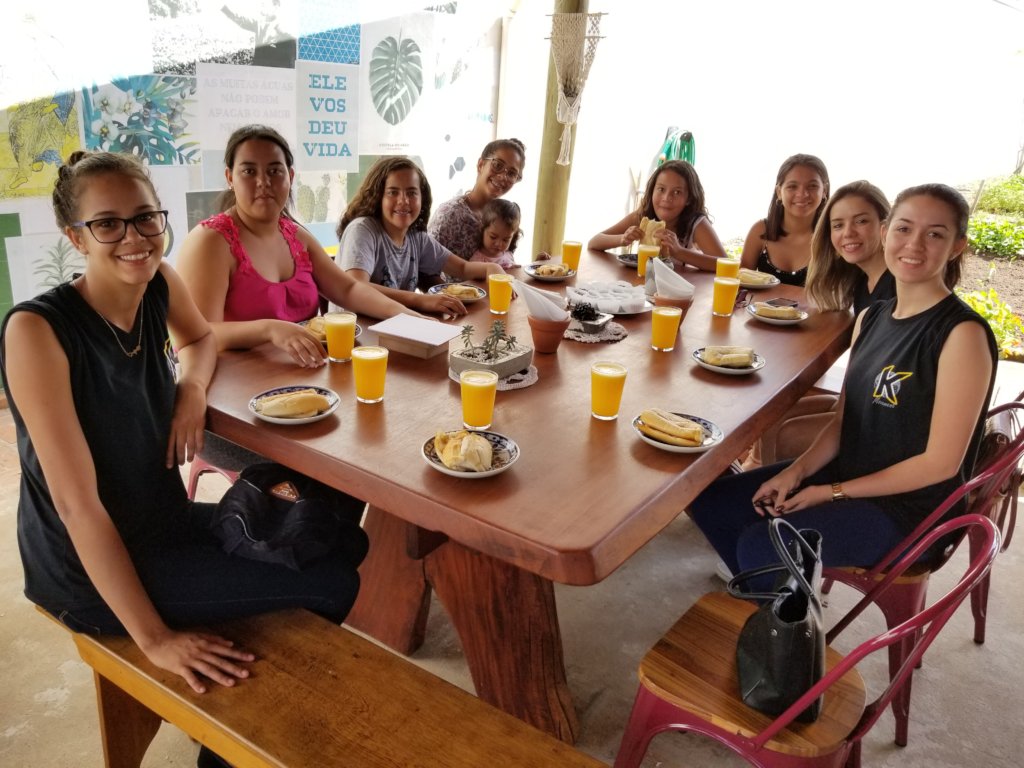
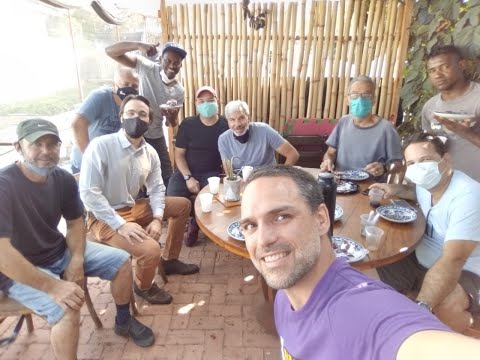
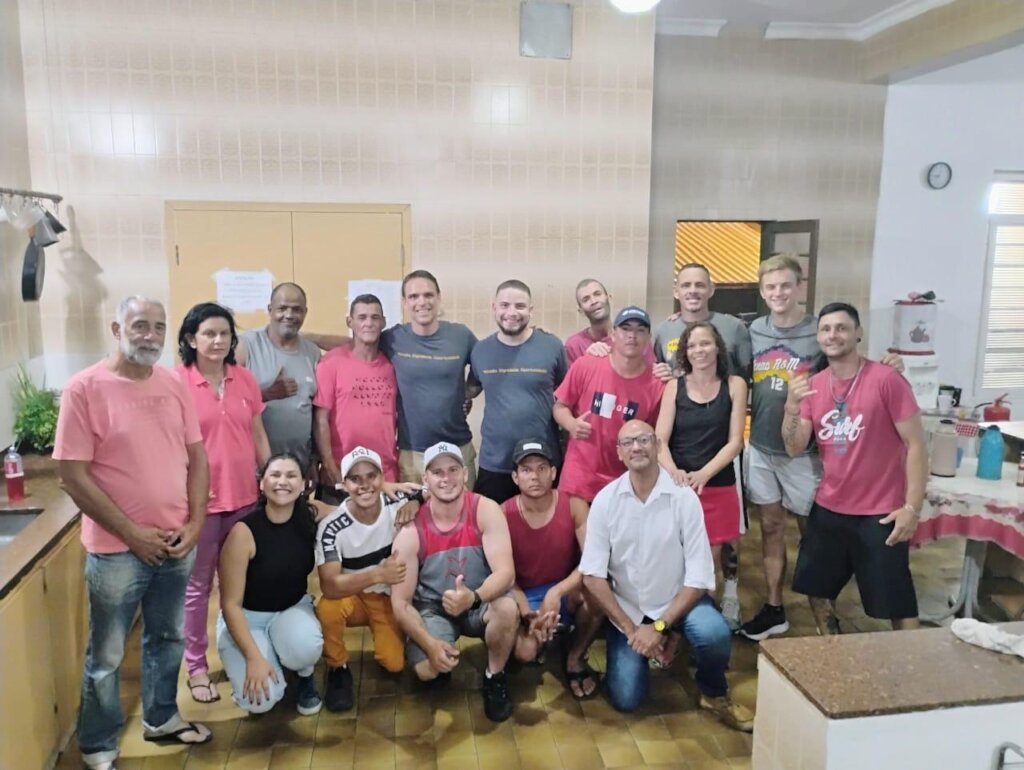
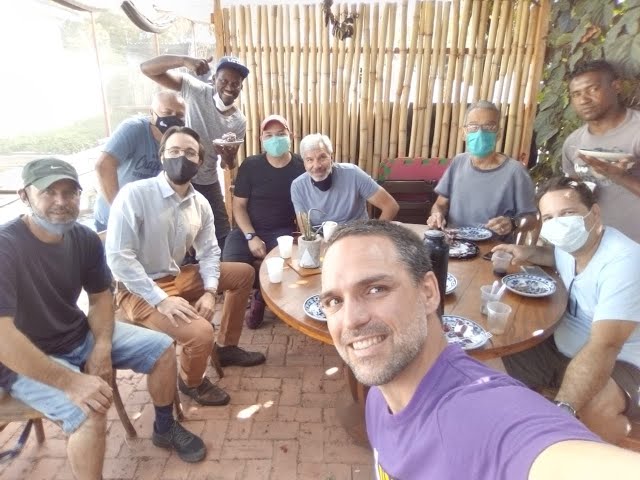
The CL House has been very full these days, with twenty-four residents currently living in our main house. With so many individuals in recovery, the variety of “how we got here” stories is truly astounding.
This month, our community has been focusing on understanding the effects of trauma. I’ve seen many of our friends struggle with depression, disappointment, and persistent anxiety. I felt it was important that we explore together how trauma shapes these experiences.
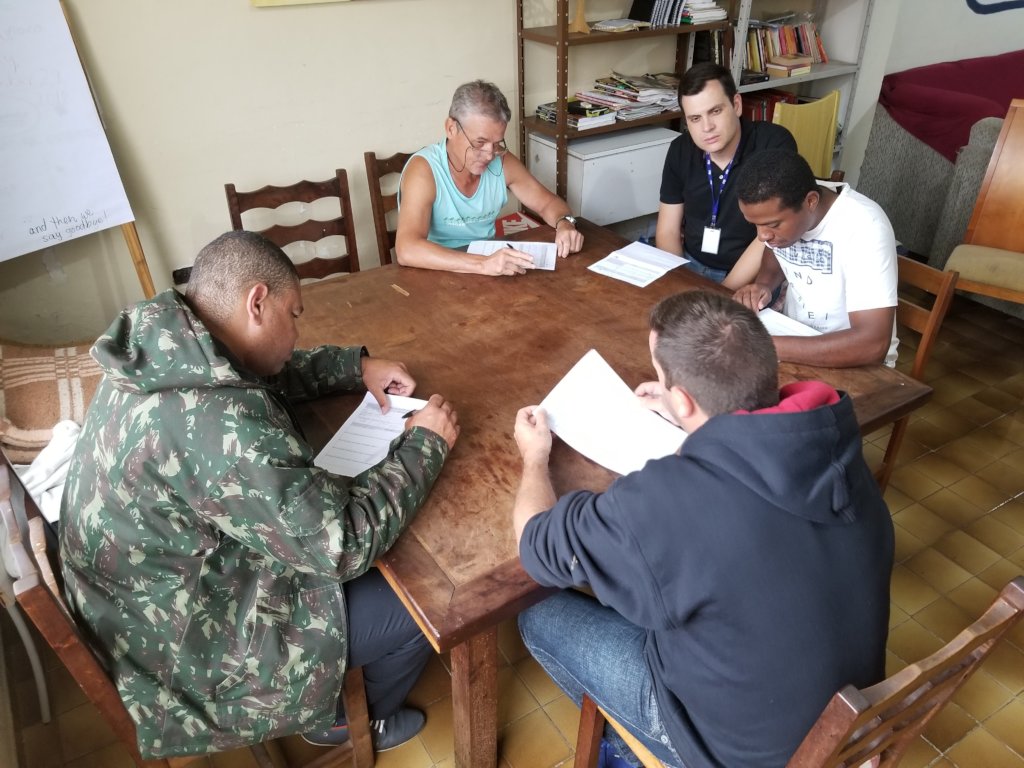
We spent time studying the ACE score—a tool developed from healthcare research that examines how Adverse Childhood Experiences can physiologically lock our brains into “fight or flight” tendencies, increasing our risks for health and social challenges later in life. Our goal in this study was to cultivate compassion — for ourselves and for one another — and to validate the deep importance of doing the hard inner work of recovery: finding peace within our own stories.
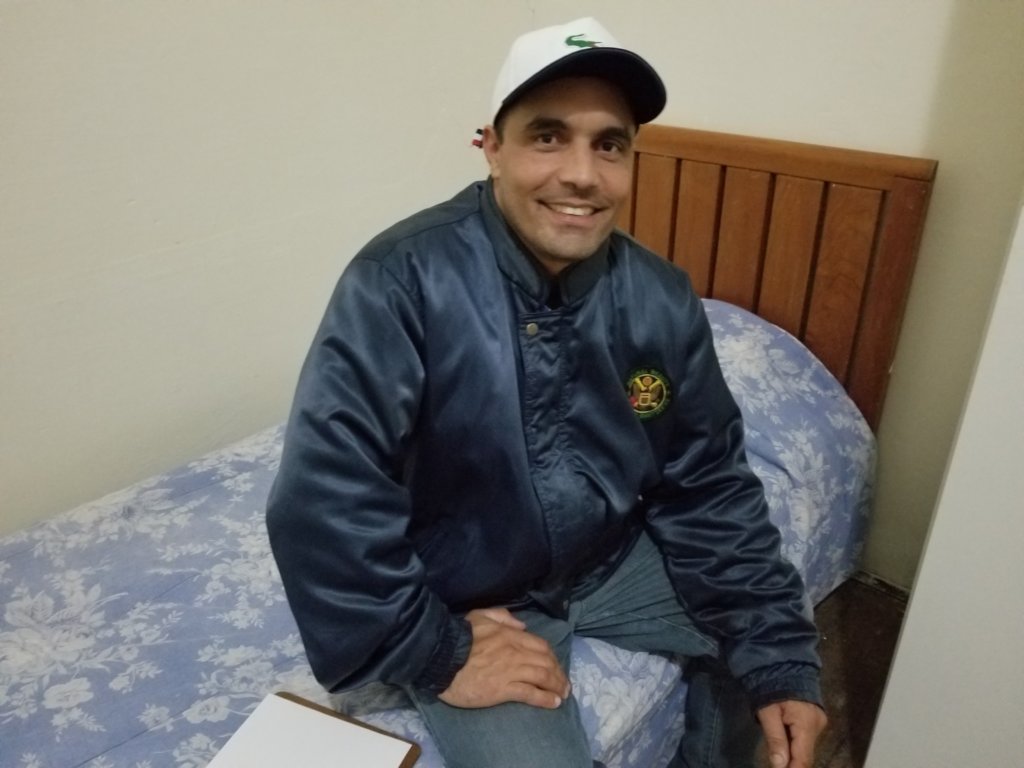
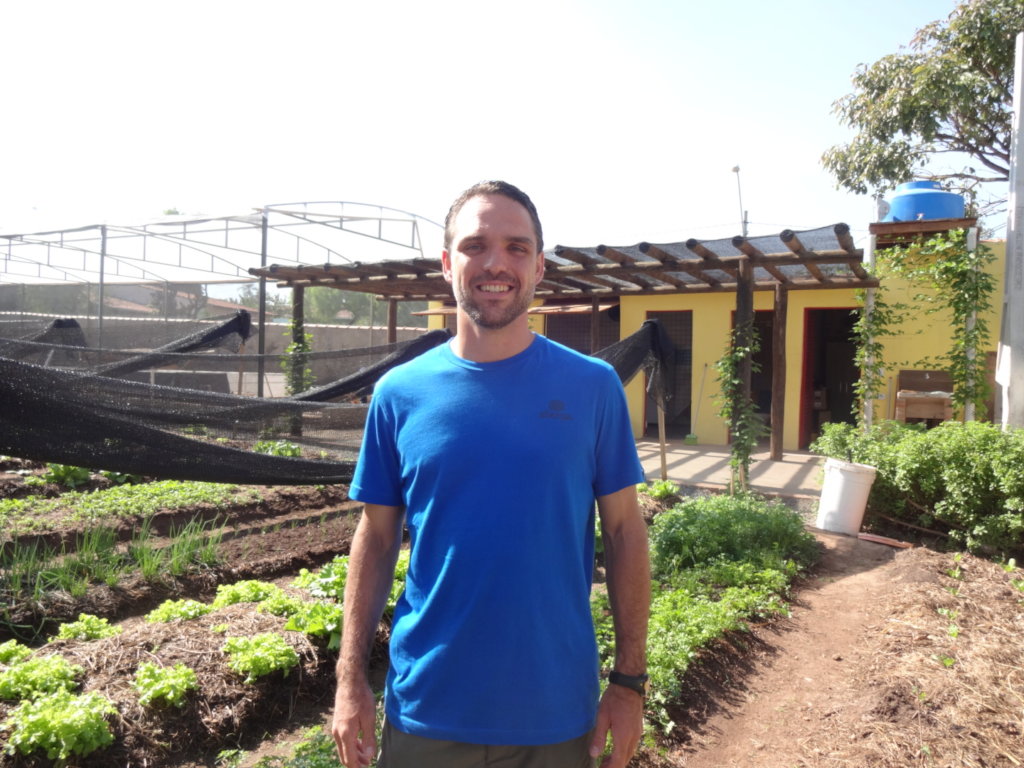
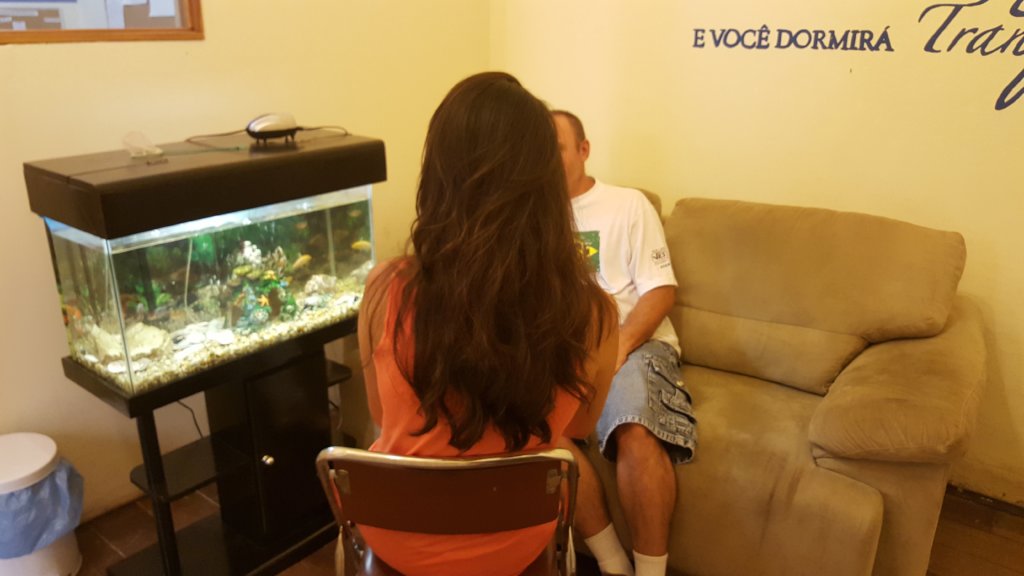
In another group session, our American intern, Braeden, shared about his own journey of rebuilding compassion for himself and developing emotional awareness after walking through a series of personal traumas. His openness inspired many in the house to realize how broadly these chalenges afect all of us regardless of origin.
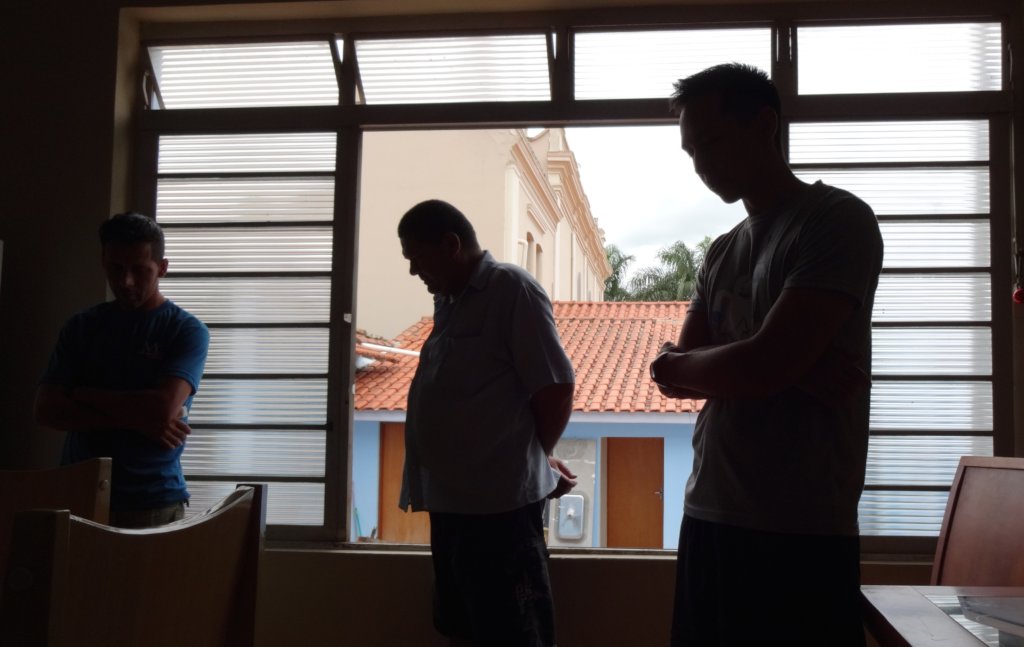
Both of these group conversations helped break down the walls of shame and self-accusation that so often complicate the recovery process. Residents began opening up about their childhood difficulties, showing a new level of mutual support for one another, and also sought follow-up conversations with our psychologist.
It is hard work to look into the darkest corners of our past, and it’s heartbreaking to realize how the things we were exposed to—through no choice of our own—can still affect us today. Yet, as we discussed in our group, what we can predict, we can prevent. This truth motivates us to face our stories honestly and to seek forgiveness, understanding, and hope towards the restoration of our own tendencies.
Recovery is never easy—but it is hopeful. And our residents are courageously doing the work.
Links:
Project reports on GlobalGiving are posted directly to globalgiving.org by Project Leaders as they are completed, generally every 3-4 months. To protect the integrity of these documents, GlobalGiving does not alter them; therefore you may find some language or formatting issues.
If you donate to this project or have donated to this project, you can receive an email when this project posts a report. You can also subscribe for reports without donating.



Support this important cause by creating a personalized fundraising page.
Start a Fundraiser