By Fina Senghor | The Association's president
February 24, 2019 marked an important turn in Senegal politics and history. After three weeks of campaign, the Senegalese had to go to the polls to elect their new president. For this presidential election, there were five candidates.
Despite the general enthusiasm and excitement, many Senegalese, regardless of the age and sometimes level of education do not know the power they have as citizens in such stake. Many Senegalese do not vote while they always complain about the system in place. Conscious of the issue, we have decided to teach to the kids of the centre what elections are and why they are important in a country’s cycle.
President of the Children …
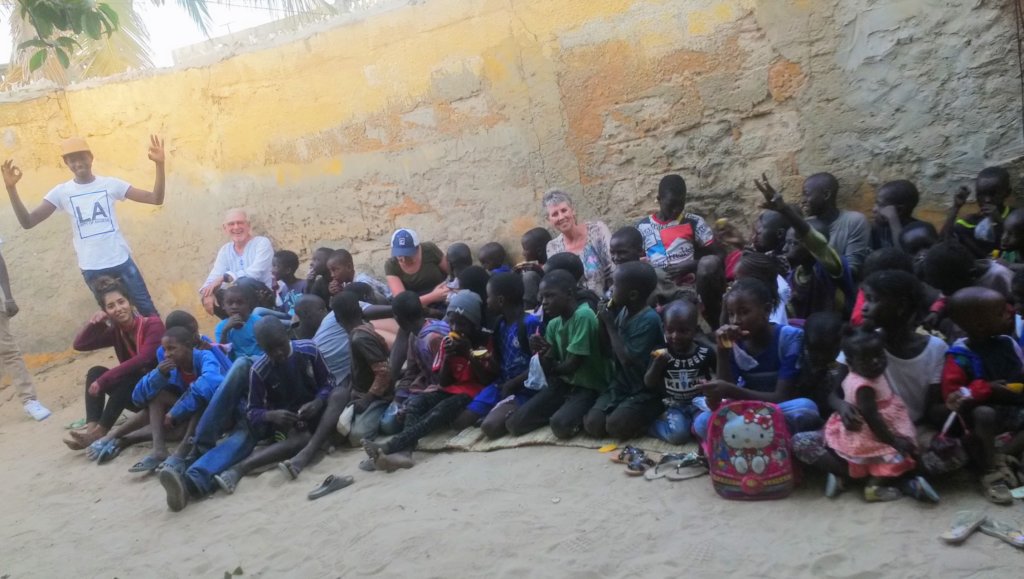
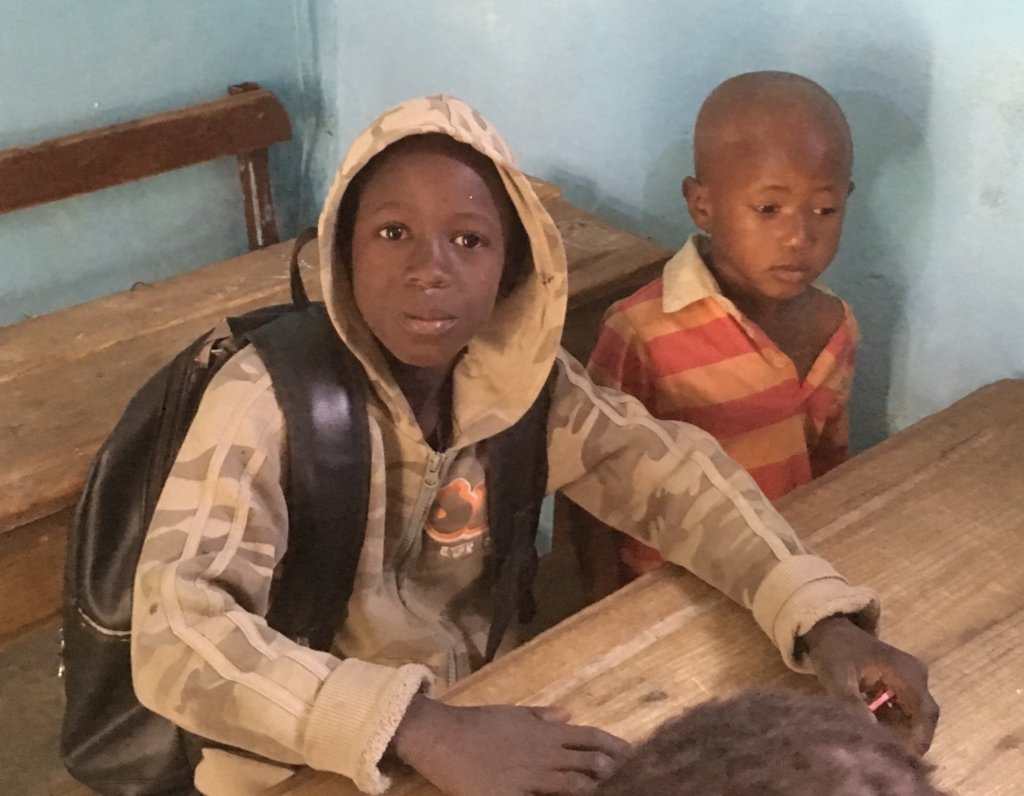
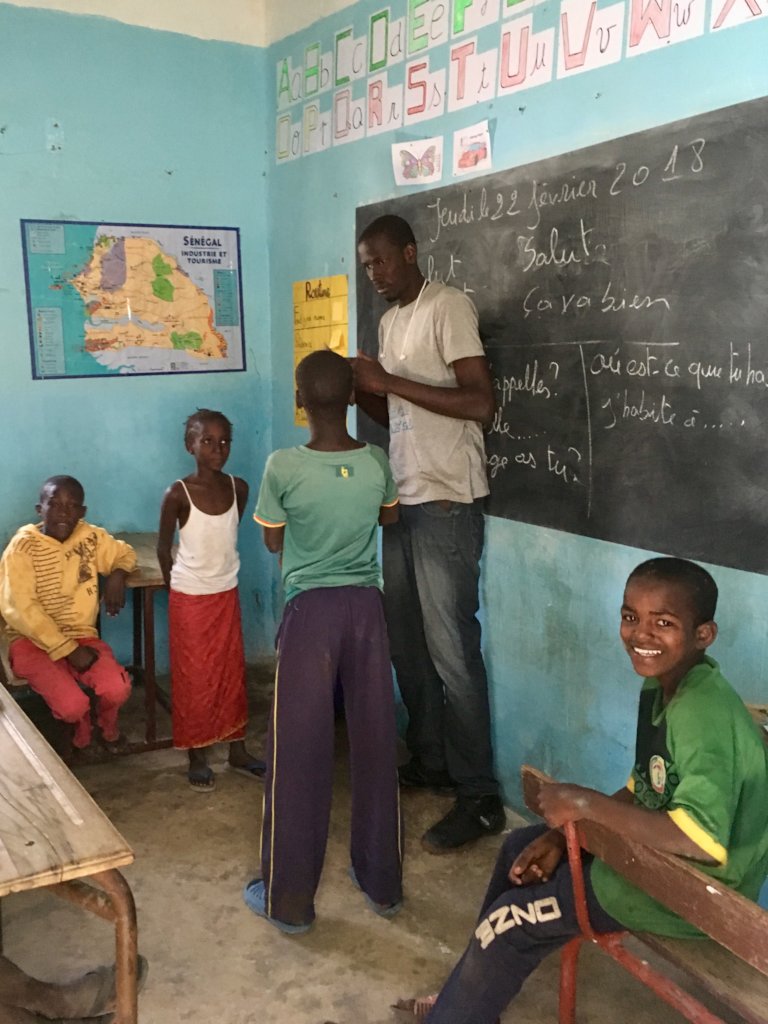
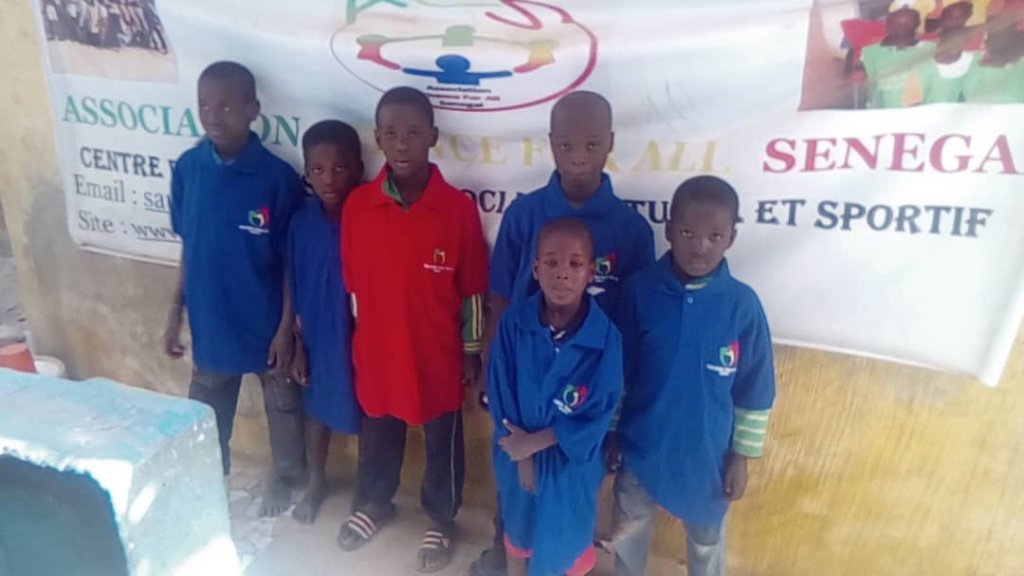
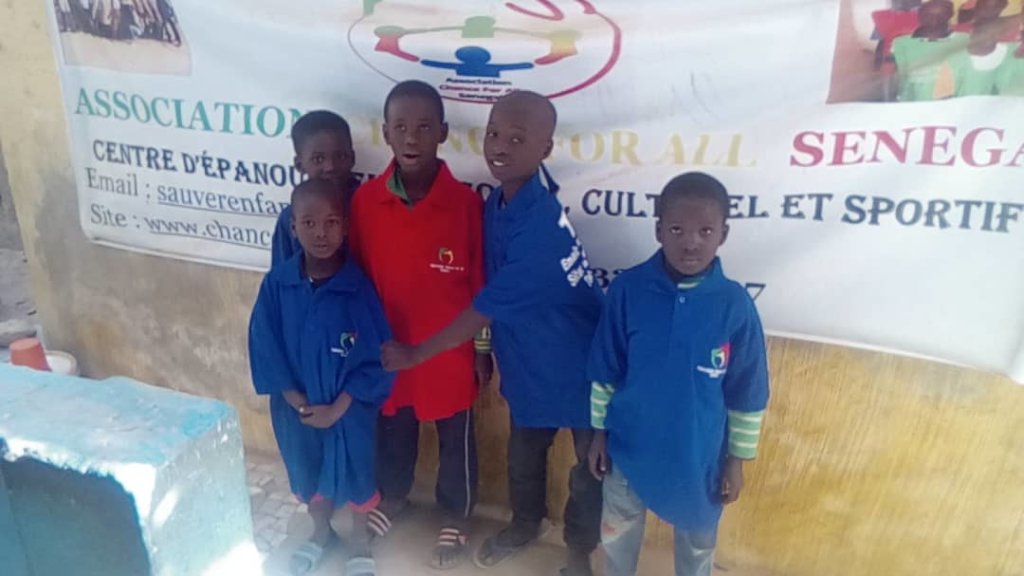
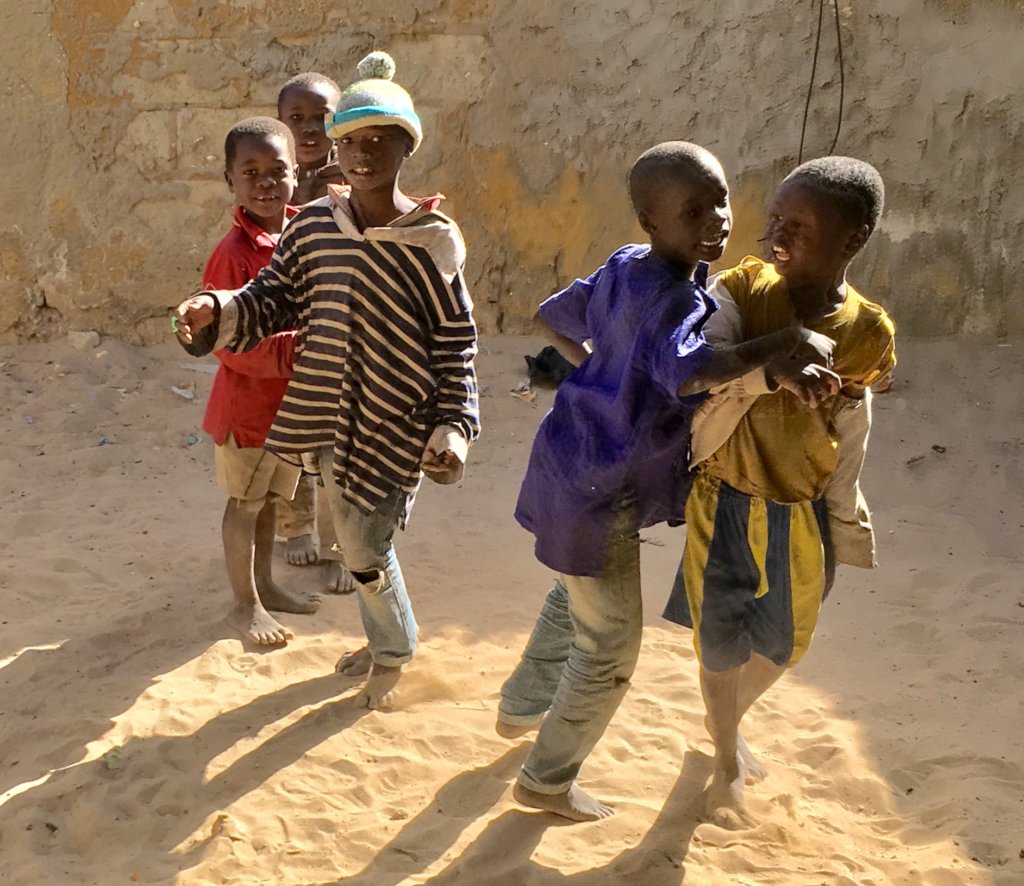
After real elections in Senegal, we decided to organize fake elections, reproducing the complete process including the campaign part. We selected 5 children to run for elections; 3 from the Darou neighborhood and 2 among the talibe children. The 5 candidates were allowed to campaign to gain the trust and vote of the other young boys. They presented their programs which were almost all about improving living conditions of children.
It was such an exciting experience for them.
For the actual day of voting we had all the material in place and also the staff. We constituted a panel of children to organize the process and later on count the votes and give results.
One one hand, the first phase of this process was to teach to the children candidates how to prepare compelling speeches to grab the attention of the audience and above all convince the majority. The children learnt how to organize their thoughts and how to speak in public. Being the only one speaking in the room was a real challenge for some of them. But as the campaign went on, they started to feel at ease.
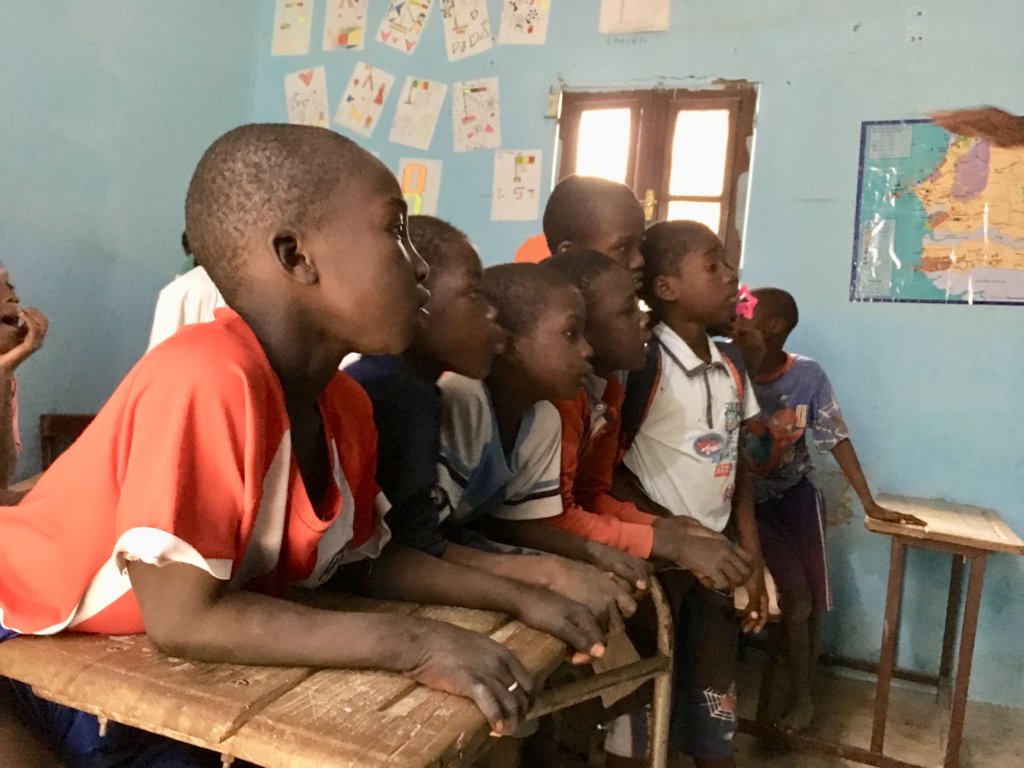
On the other hand, another phase consisted in teaching the voters how to select a candidate. We addressed issues such as the importance to vote for someone’s ideas and program instead of choosing them because of the relationship that may exist between the voter and the candidate. For instance, one of the children thought he should vote for his friend even though he was not convinced by his program.
The overall aim of this exercise was also to teach them the actual process of voting. In previous elections in the country, there were many cases of electors who did not understand the voting process. Recreating the scenario of the vote was a way to teach to these future responsible citizens the dos and donts.
Another major aim was to teach them what democracy is and why it is important to respect others views even when they differ from our own views. Some kids cannot understand that different points of view do not necessarily mean that they cannot get along. At first, the children found it difficult to pay attention or show respect to candidates that they do not support. After discussions, children finally accepted to listen to others and to respect their opinion and projects.
After the election, we asked kids to share their appreciation of the initiative and to tell us what they learnt. Their appreciation was heart-melting and very encouraging.
The President elected won with a score of over 60%. Thanks to our previous advise on the necessary mutual respect between leaders (candidates) and their supporters, no children expressed anger after the results. The children from Darou were happy to be able to tell their parents that they know how to vote.
This experience made them all feel like real citizens with a voice that matters.
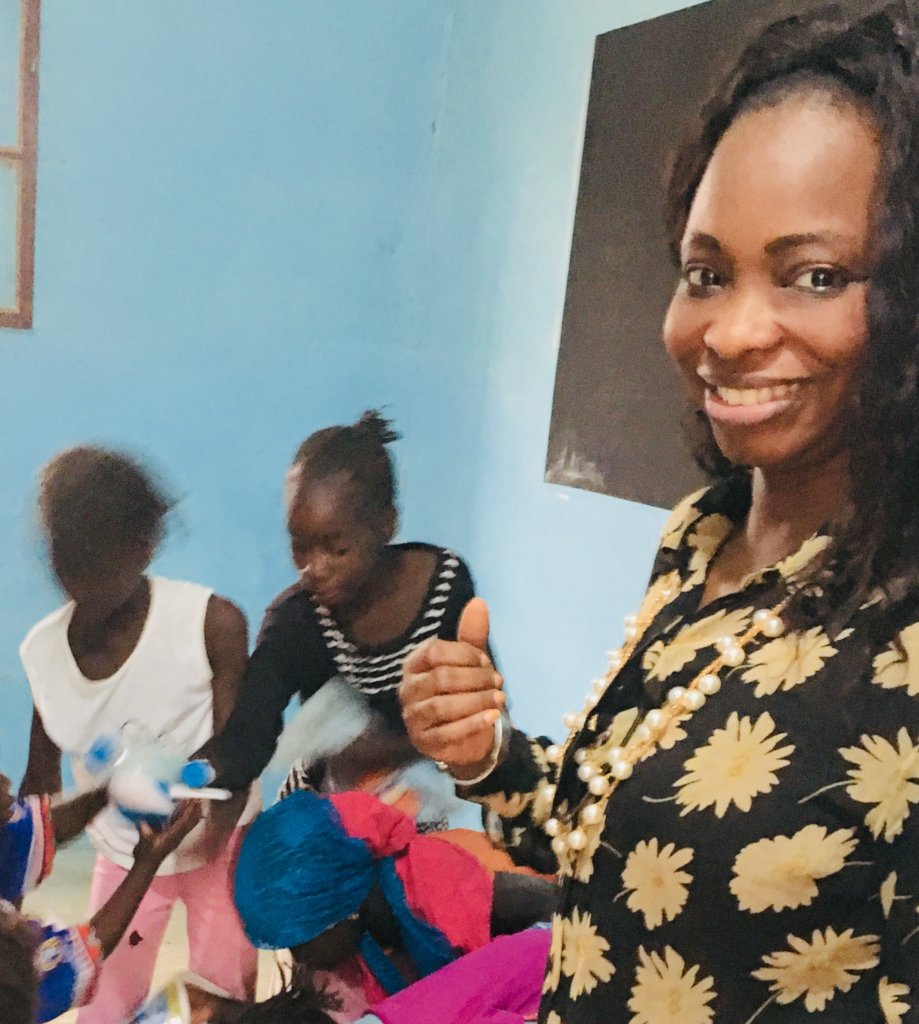
Our fake elections were the highlight of the month but we did continue our activities. A Japanese volunteer came to the centre and spent nice moments with the kids. She taught them how to make origamis. That was another great moment to learn and experience other cultures for the children. They were very enthusiastic and enjoyed the sessions with her. We encouraged them to teach that to other children that did not attend the sessions.
For the rest of the month, we will try to expand our zone of coverage and reach more talibe children for the care.
Project reports on GlobalGiving are posted directly to globalgiving.org by Project Leaders as they are completed, generally every 3-4 months. To protect the integrity of these documents, GlobalGiving does not alter them; therefore you may find some language or formatting issues.
If you donate to this project or have donated to this project, you can receive an email when this project posts a report. You can also subscribe for reports without donating.