By Shana Robertson | Education & Outreach Coordinator
Professionals in the helping field are always brainstorming ways to make the world a better place. I see others and I also work towards these endeavors and think, "Wow, we are really making a difference." At least, my pre/post test data reinforces this statement, but am I asking the right questions? Am I asking the right demographic? Do the kids I educate even care about what I am teaching them about? I know I am not the only social service professional to ask this question.
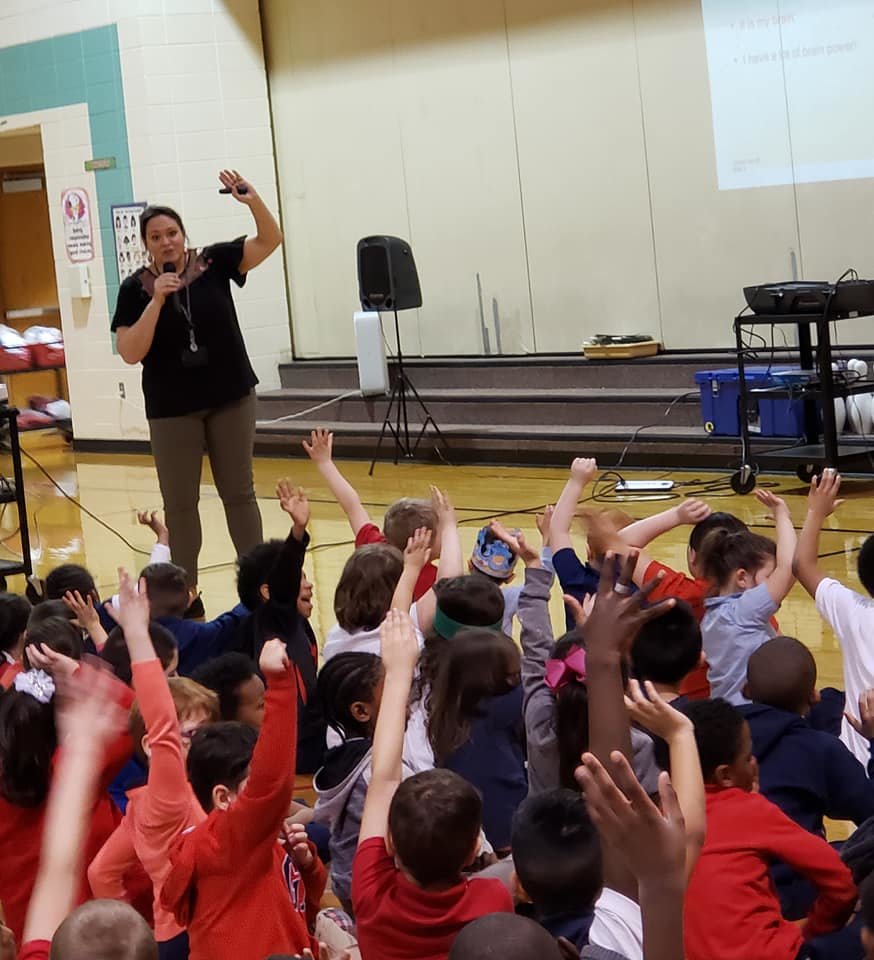
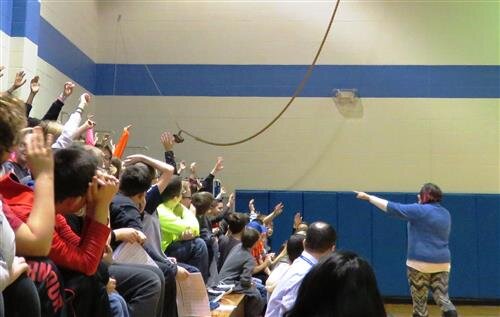
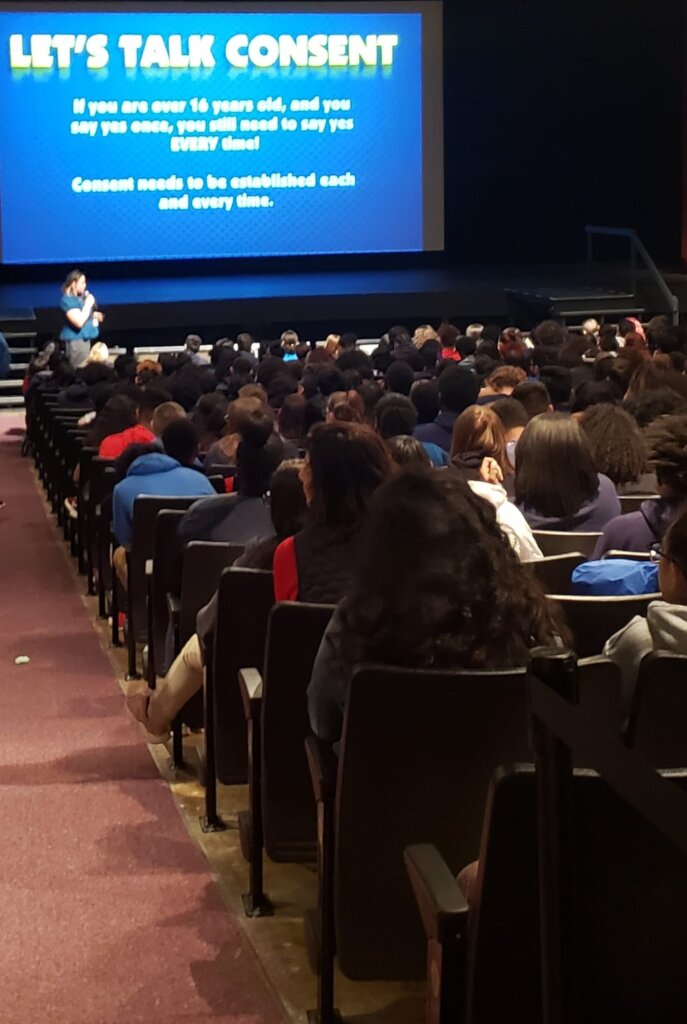
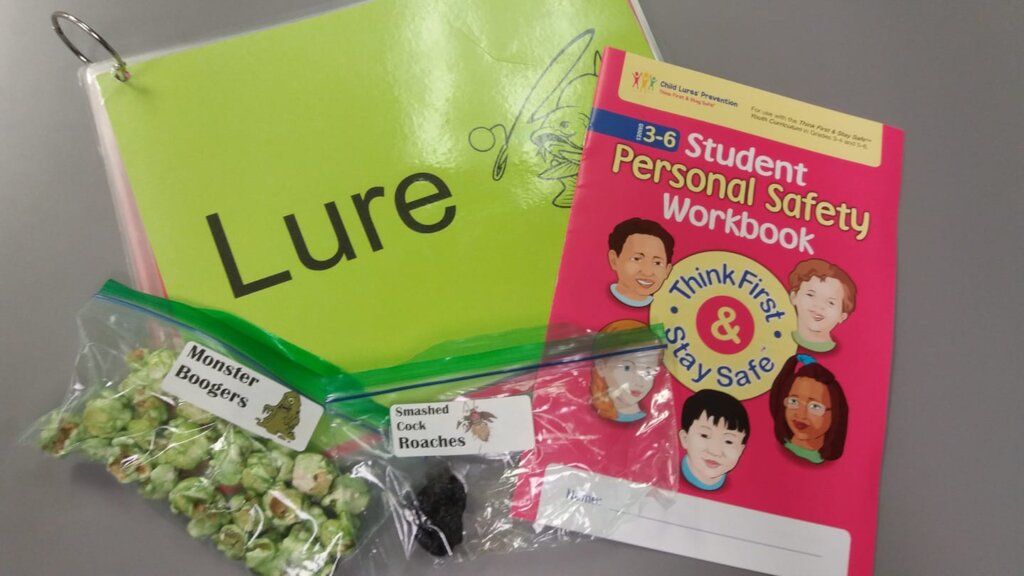
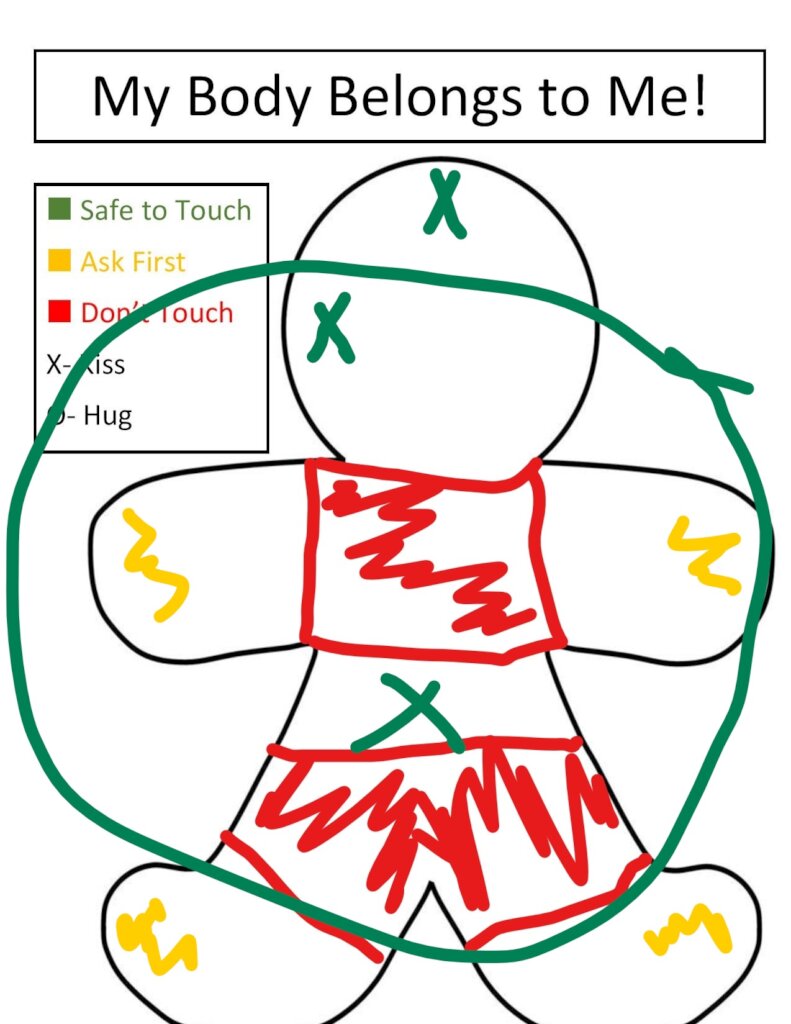
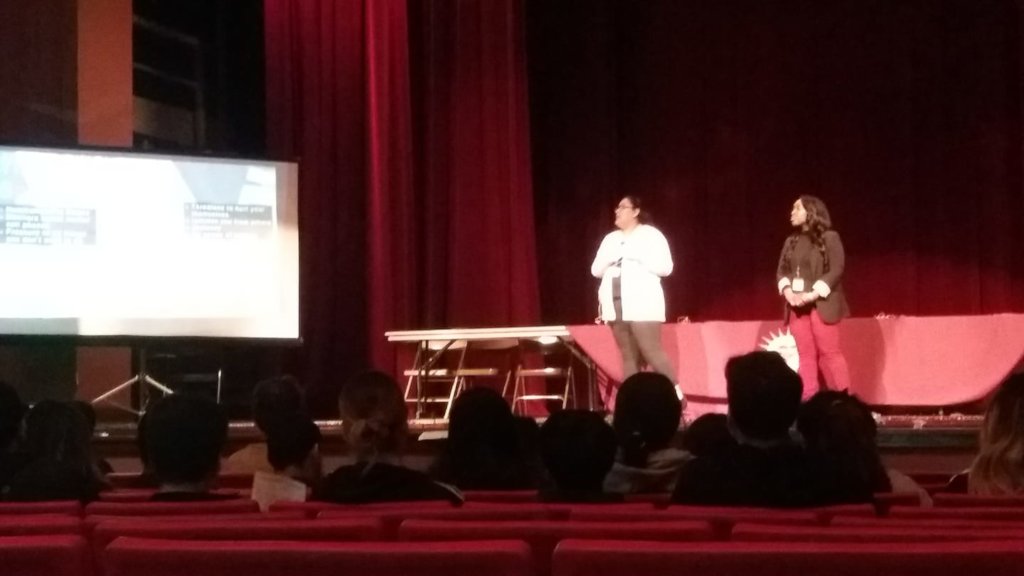
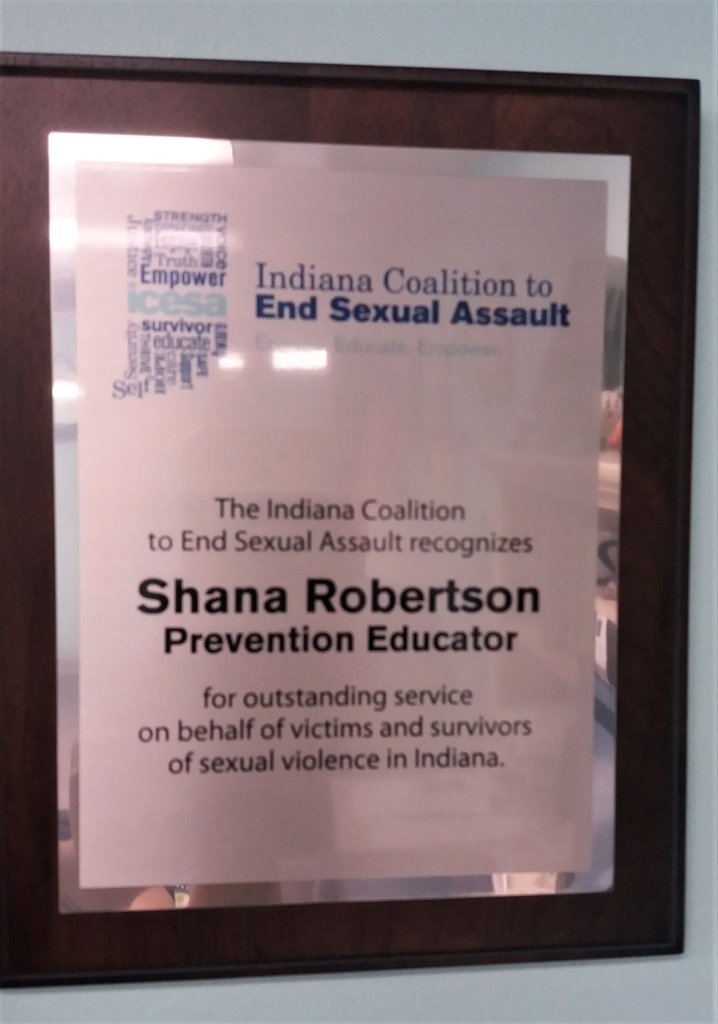
I am proud to represent Fair Haven Rape Crisis Center and present the Think First & Stay Safe and the Teen Lures Program in schools' grades k-12. I have presented in 12 municipalities at 57 schools to 35,844 students during the 2018-19 school year. I have partnered with our local township trustee's office and presented our education during their "No More Secrets" and "13 Reasons Why Not" school assemblies. I have been recognized with an award for outstanding service as a prevention educator on behalf of victims and survivors of sexual violence by the Indiana Coalition to End Sexual Assault. Yet, with all this professional success and praiseworthy testimonials from the parents, teachers, principals and superintendents at the schools we have impacted, I ask the question "Does sexual abuse prevention education even help kids?"
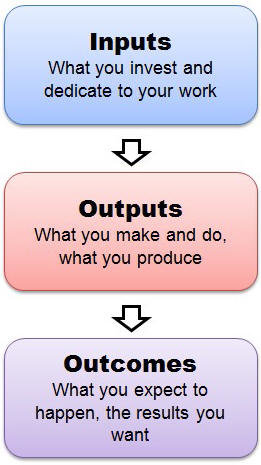
Forgive my doubt and indulge me for a moment. Are we working so hard to help others that we forget to ask them what they need or what they want? Is it possible we get so carried away with the idea of making a difference, that we forget what difference we are trying to make? I attended a presentation by Prosperity Indiana and they presented a very interesting notion; are you actually accomplishing what you intended at the start? It is possible to hurt the people you intend to help. Are the inputs and outputs actually producing the desired outcome? Wow! The idea that my education could be harmful is the opposite of my endeavors.
I took a second look at my program to evaluate the concept, "Does the outcome reflect the why?" I wanted to create a culture of evaluation and create a system or tools that make reporting easy and intuitive while remaining within parameter of grants. First I decided the outcome reflects our agency's vision to create a caring, safe and nurturing community with zero tolerance for sexual violence. I looked at the inputs; child sexual abuse prevention educations, trained and educated staff, Senate Bill 355 requiring education, and funding. Some of the outputs are grant fulfilled requirements, pre-post test results, increased capacity, and community partnerships. The outcomes reveal an increase in safety knowledge, increased community engagement, and extended funding. So far so good....yet doesn't answer my question, "Does sexual abuse prevention education even help kids?"
Working with kids grades k-12 creates a multitude of challenges, despite the challenge of presenting age appropriate sexual abuse prevention education. This work is not for everyone, evident in the 7 person turn-over for our School Education Advocate position this school year. Trying to evaluate whether this education is for kids has been just a challenge answering.
I had the privilege to participate in "13 Reasons Why Not", complete with professionals, students, doctors, politicians and a panel of students. Thought the idea was sure to be successful, when a high school student approached me afterwards and enlightened me. He was polite to thank me and other professionals for caring to come and share, and from his standpoint, told me that the event was not helpful. He was apologetic about the truth that when all the adults are talking, it doesn't solve the students' problems. He was new to the school and the area and he noticed the problems we mentioned regarding teen violence and cyber dangers facing his generation.
The young man didn't realize he had just given me the best feedback to inspire a change in the way I present our education. The kids already know what they care about and what they don't. If we want to know the best course of action to make the greatest impact, it starts with the population we are meant to help. If I want to engage the community and challenge the norms into creating a zero tolerance for sexual violence, then I need to have a conversation with the kids that see that violence to ask "How do we make it stop?". As professionals, we need to do better to make sure our help isn't hurting those that we intend to help.
Links:
Project reports on GlobalGiving are posted directly to globalgiving.org by Project Leaders as they are completed, generally every 3-4 months. To protect the integrity of these documents, GlobalGiving does not alter them; therefore you may find some language or formatting issues.
If you donate to this project or have donated to this project, you can receive an email when this project posts a report. You can also subscribe for reports without donating.



Support this important cause by creating a personalized fundraising page.
Start a Fundraiser