By Barry Dunning | Communications
The Australian Broadcasting Corporation's news team in Indonesia recently spent a day with nurse Ana to see first hand the work of Rachel House - providing palliative care to children living with serious and terminal illnesses in some of the most marginalised communities in Jakarta.
It's a beautifully told story, which gets to the heart of the work of palliative care nurses, providing not just medical but emotional and social support to seriously-ill children and their families. You can watch the TV news clip here - Helping to ease the pain of Jakarta's terminally ill children - or read the full story below.
It's thanks to support from donors like you that Ana and the rest of our nursing team are able to continue helping seriously-ill children in need. Children living with serious illnesses like cancer and HIV AIDS from some of the poorest communities in Jakarta. So thank you for your support.
Thanks,
Barry
Australian-trained nurse helping to ease the pain of Jakarta’s terminally ill children
Jakarta nurse Ana walks beside the black water of one of the city’s many canals and navigates through a labyrinth of narrow lanes.
She stops outside a small white-walled home with laundry hanging above the door, and is met warmly by the young mother who lives there who welcomes her into the dark interior.
She’s there to help a terminally ill two-year-old girl.
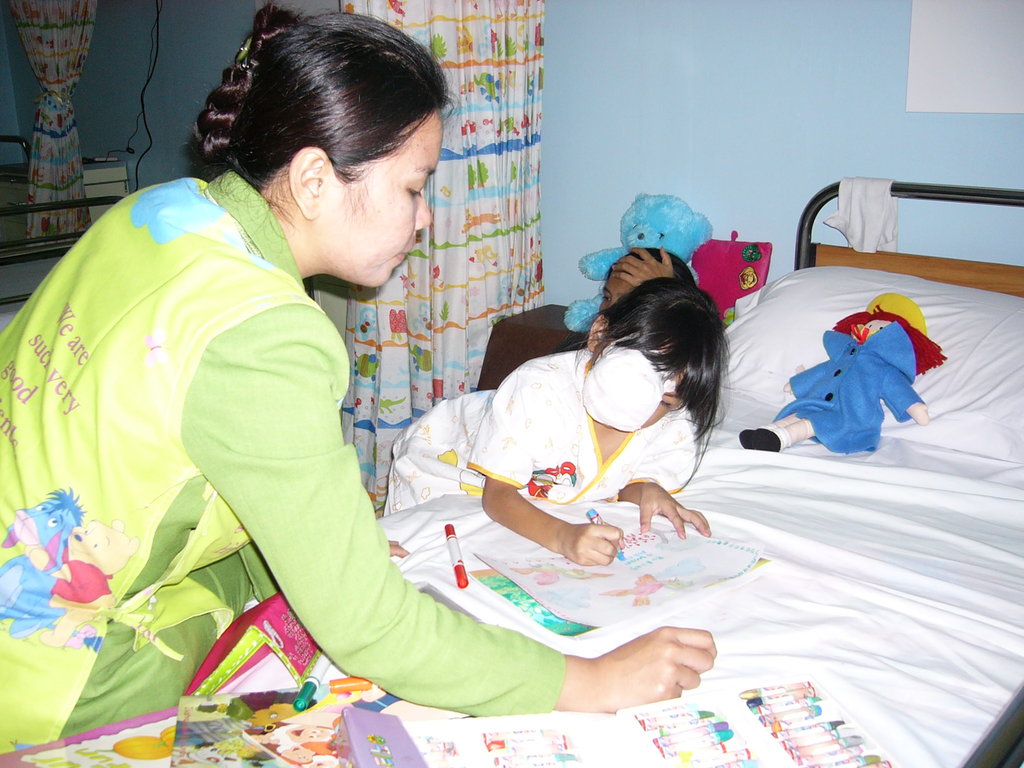
Raihana has cancer of the retina. She’s tiny — and seems even smaller with her left eye masked by a large white bandage.
Raihana has just had chemotherapy but the cancer has spread to her brain and there’s nothing more surgeons can do.
This is when Ana’s work begins.
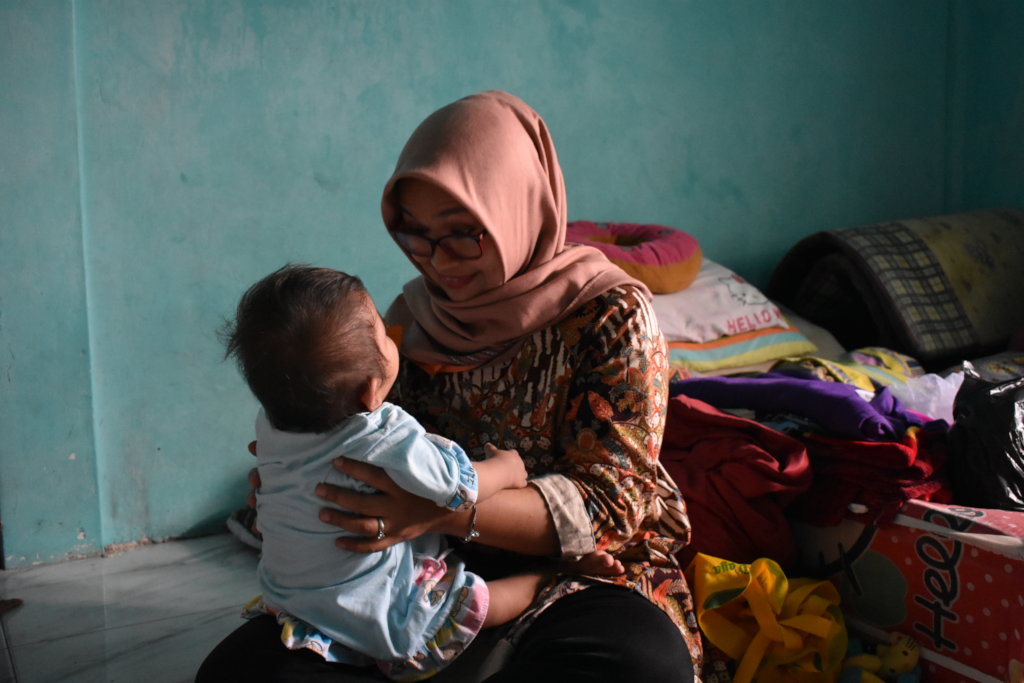
She’s an Australian-trained palliative care nurse whose job is to make this awful time easier for Raihana and her family.

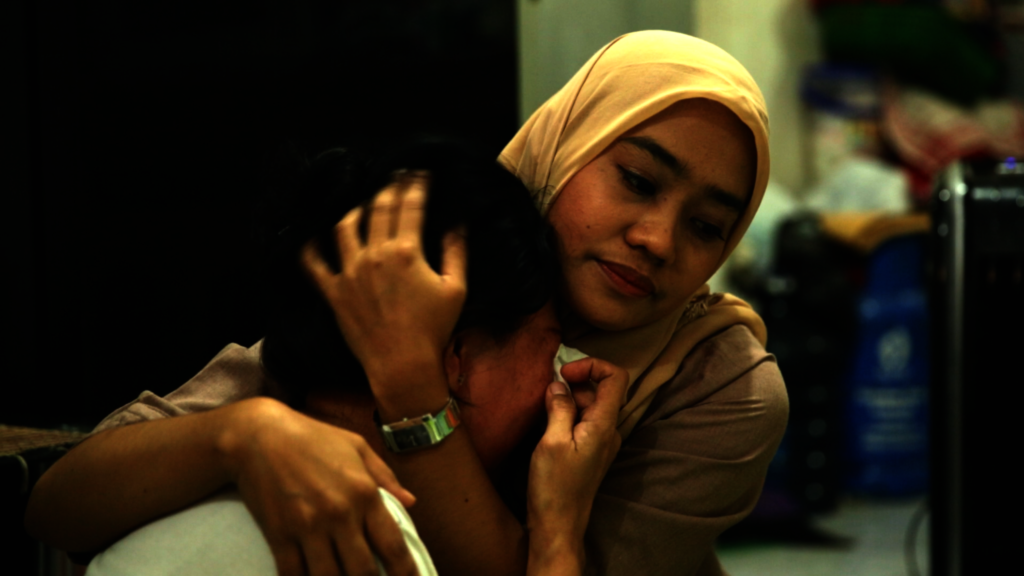
PHOTO: Ana says she copes with her “heartbreaking” job by talking to friends. (ABC News: Phil Hemingway )
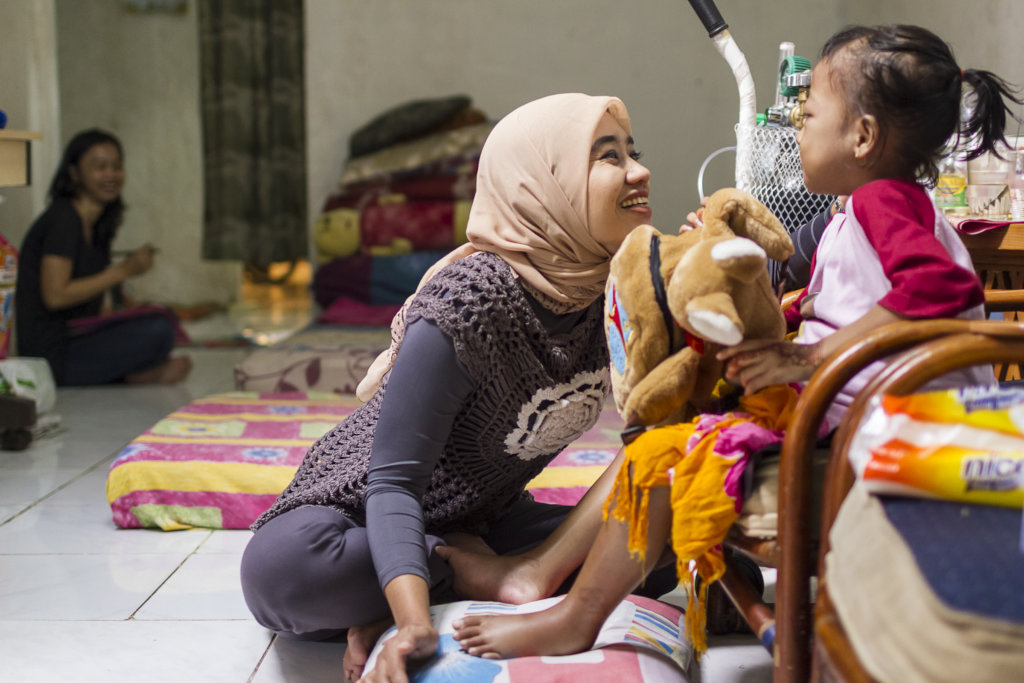
Ana plays and sings with the little girl, who knows the nurse from three previous visits.
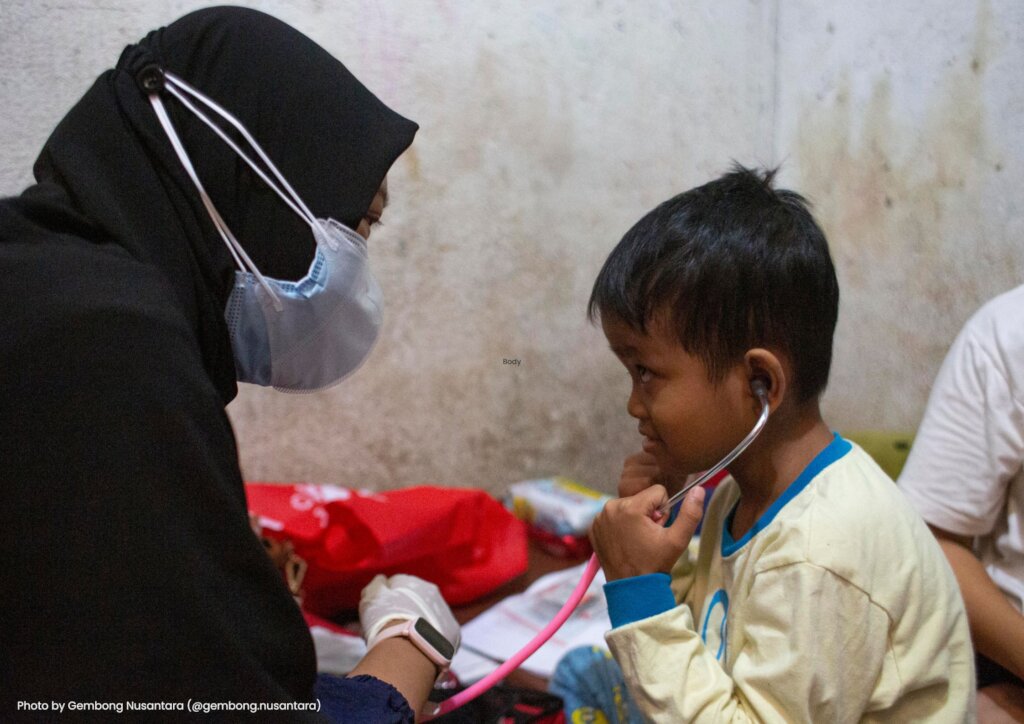
Raihana smiles and laughs and lets Ana examine her.
It’s an easy medical check-up for the toddler — a painless moment that could have otherwise been so difficult.
Normally Raihana’s medical visits would involve an uncomfortable trip through Jakarta traffic to a medical clinic and a long wait to see a health worker for a few short minutes.
“By visiting the house I could spend one hour talking to the family, apart from doing the physical assessment,” Ana says.

PHOTO: Raihana’s cancer has spread to her brain. (ABC News: Phil Hemingway)
“They can share everything they would like to share. Their feelings, their hopes and also about the child’s condition. If they go to hospital [they] probably won’t get that opportunity.”
Today Raihana’s doing well. There’s no infection and the last round of chemotherapy has not given her diarrhoea.
This kind of home visit is extremely rare in Indonesia.
Ana works for a Jakarta-based charity, Rachel House, that says there are about 700,000 children in Indonesian who need palliative care — but less than 1 per cent receive it.
“Our patients can feel more comfortable in their family home,” Rachel House’s Barry Dunning, who is in Indonesia as part of an Australian government volunteering program, says.
“It’s a huge challenge getting to hospitals. Indonesia does have a form of universal health care but accessing those services can be very difficult, particularly if [a family] come from a very low-income background.”
Raihana’s mother, Fatma, says Ana’s visit is valuable to the family.
“It’s very helpful and I know more now that I didn’t understand before,” she said.

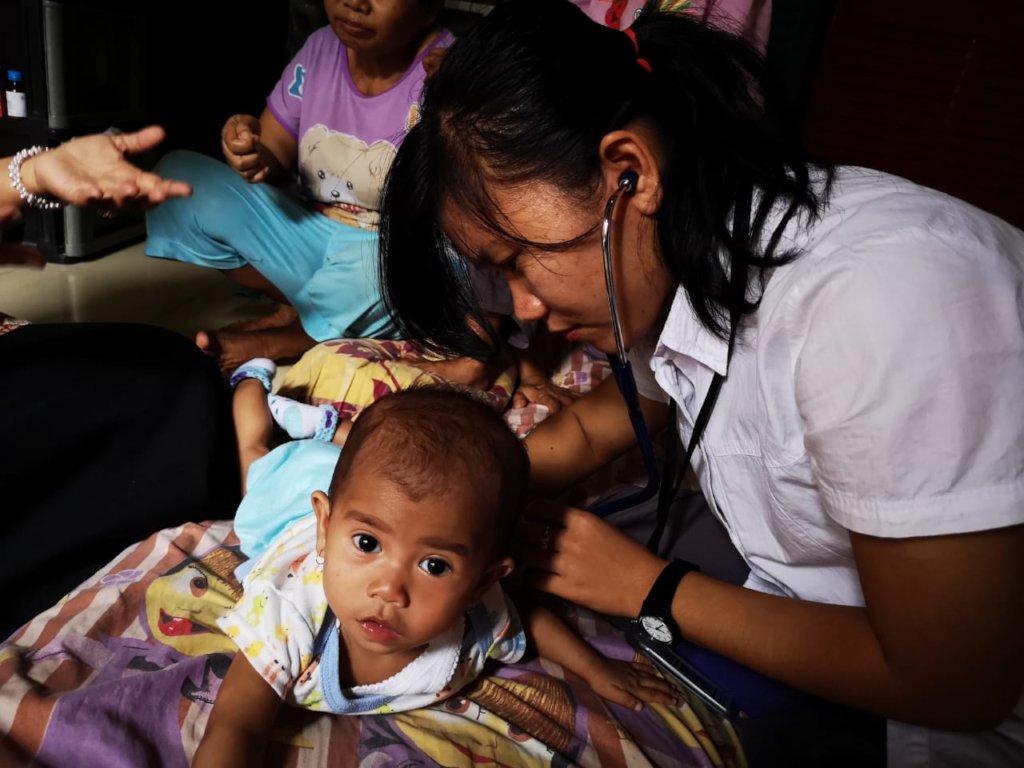
PHOTO: Ana treats Raihana, who has cancer in her retina. (ABC News: Phil Hemingway)
This work takes a toll on Ana, who spends every day working with dying children.
“You know that at some point the child might die, so you have to prepare the family for that time, and you have to ensure their wishes, their hopes can be fulfilled before the child dies,” she says.
“To be honest this is a heartbreaking job actually.
“So very often I would be very sad every time I come home from a patient’s house. But this time because Raihana’s condition is very good, it’s not really sad.
Ana says she talks to friends and people close to her to manage stress.
“Whenever I feel so frustrated about the child’s condition, I will do self care, like listening to music. I do everything that makes me feel better,” she said.
Links:
Project reports on GlobalGiving are posted directly to globalgiving.org by Project Leaders as they are completed, generally every 3-4 months. To protect the integrity of these documents, GlobalGiving does not alter them; therefore you may find some language or formatting issues.
If you donate to this project or have donated to this project, you can receive an email when this project posts a report. You can also subscribe for reports without donating.



Support this important cause by creating a personalized fundraising page.
Start a Fundraiser