By Prita Rifianti | Program Officer
One and a half years ago, a boy started to lose his ability to move.
One and a half years ago, the boy was diagnosed with HIV.
One and a half years ago, Rachel House was introduced to the boy.
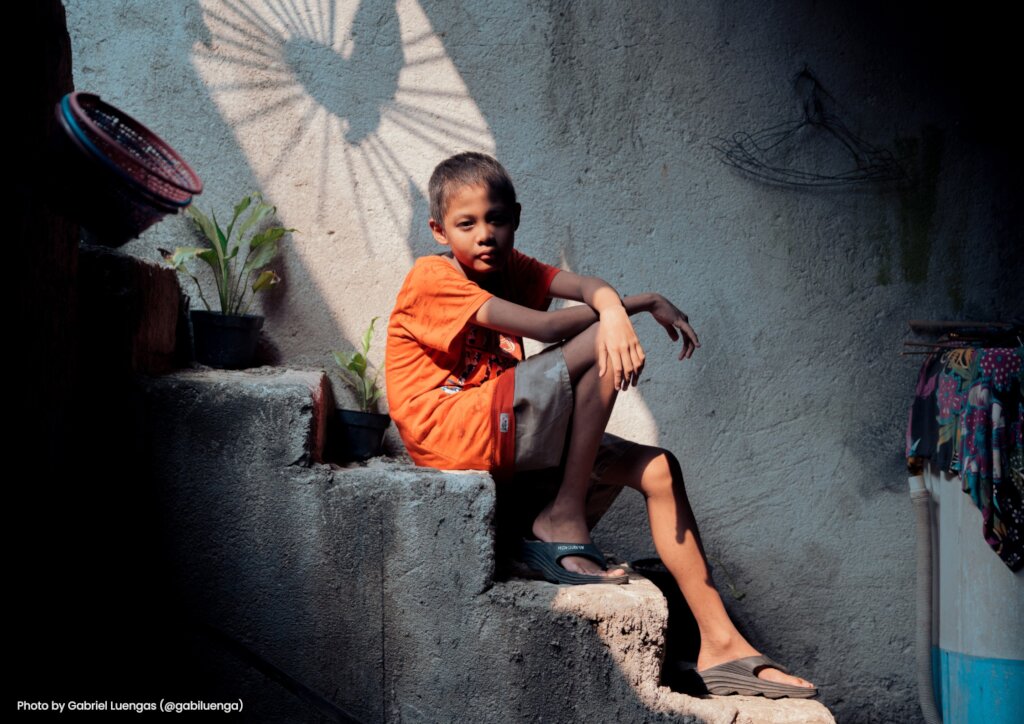
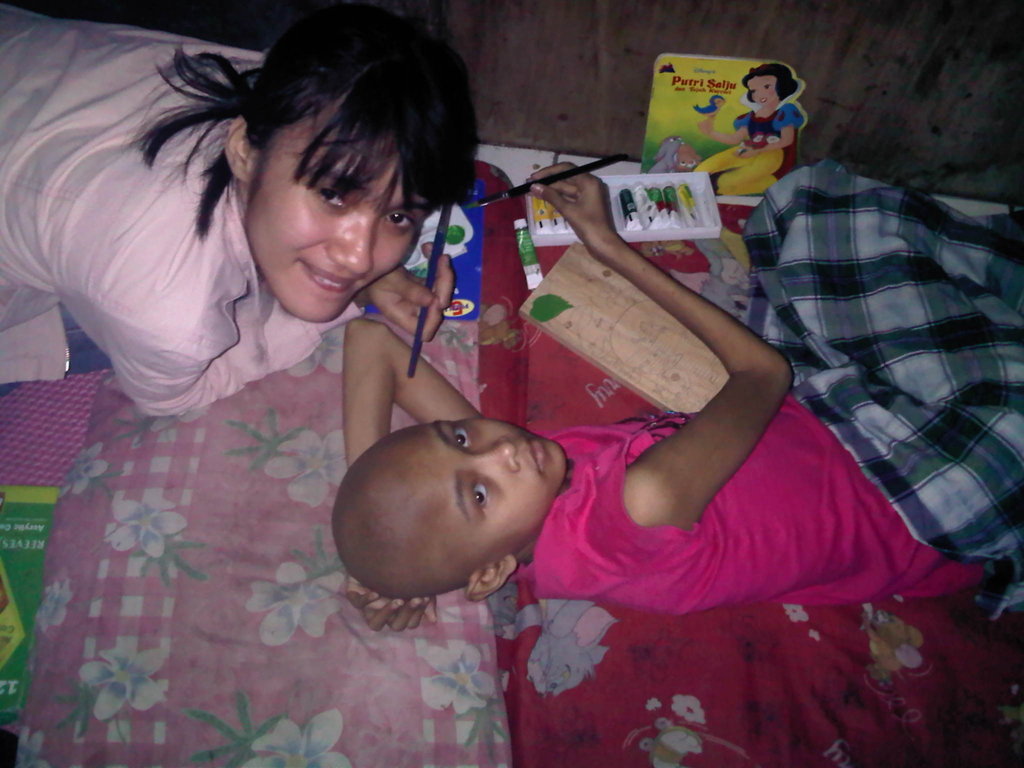
His name is Ardi. He is seven years old. The HIV virus had compromised his immune system and caused neurologic complications. By the time Ardi was admitted to Rachel House, he had lost his ability to see, to hear, to speak, to eat and to walk. His limbs were contorted in awkward angles while he spent his days lying immobile in bed.
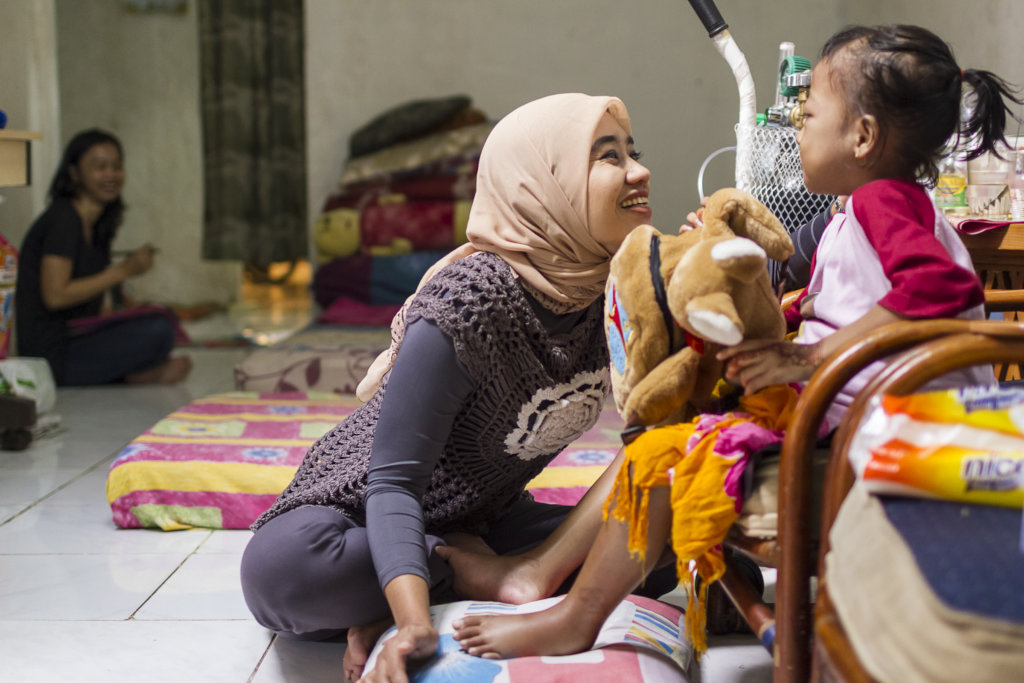
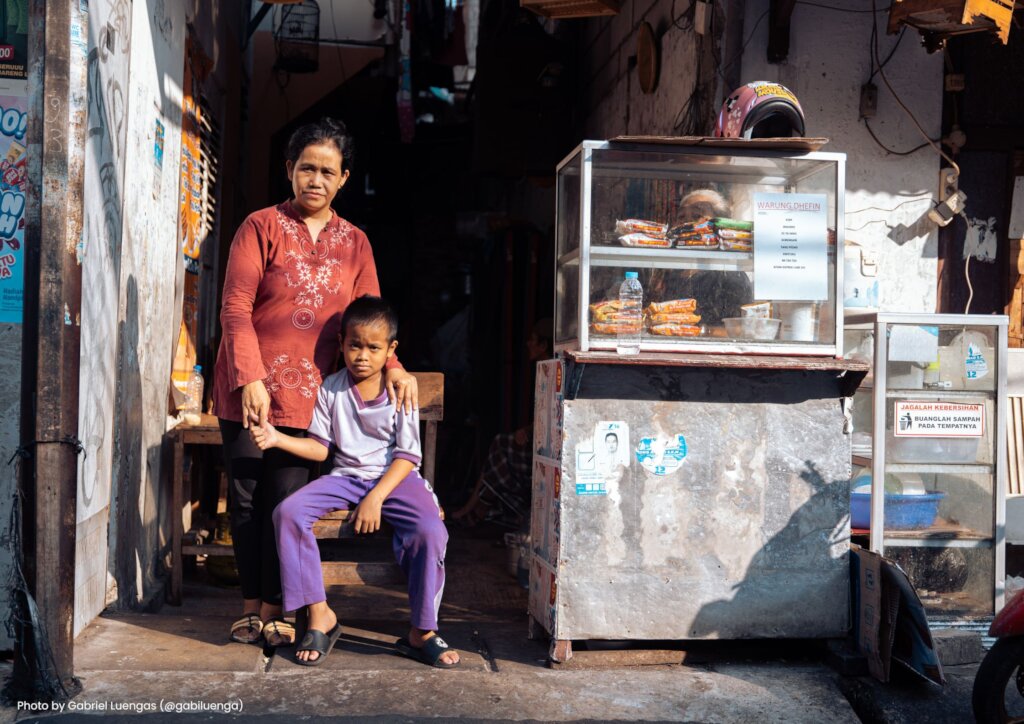
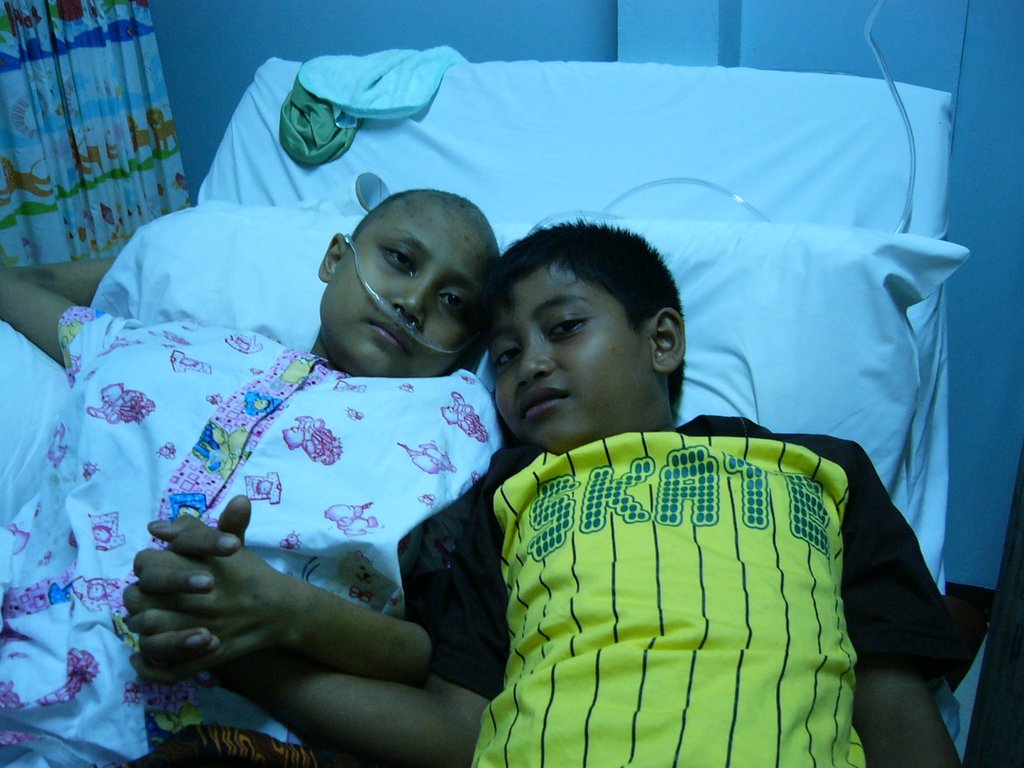
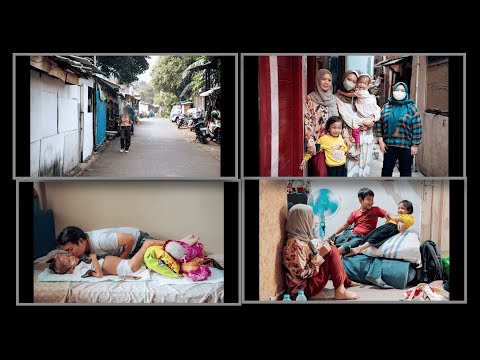
The “bed”, which is really a mattress, shared with his parents, his brother and his two sisters every night in a three-by-four rented room. Whenever our nurses visited, they would often find Ardi surrounded by his sisters, who continued to look after him in the most caring manner; they played and joked with him, and caringly wiped the saliva that had dribbled down his chin due to the facial paralysis.
Ardi’s father continued to harbor high hopes for him. He believed, with all of his heart, that Ardi will one day regain mobility and will return to school. Ardi had been his pride and joy; one of the top students in his class, trophies and awards lined the walls of the small room.
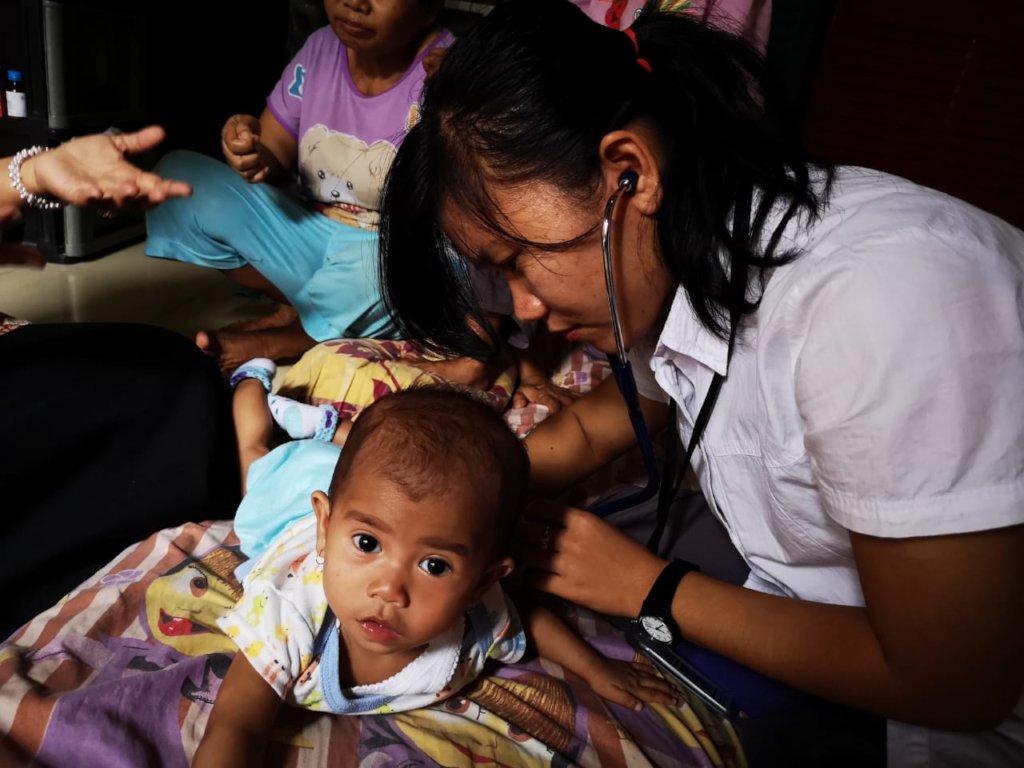
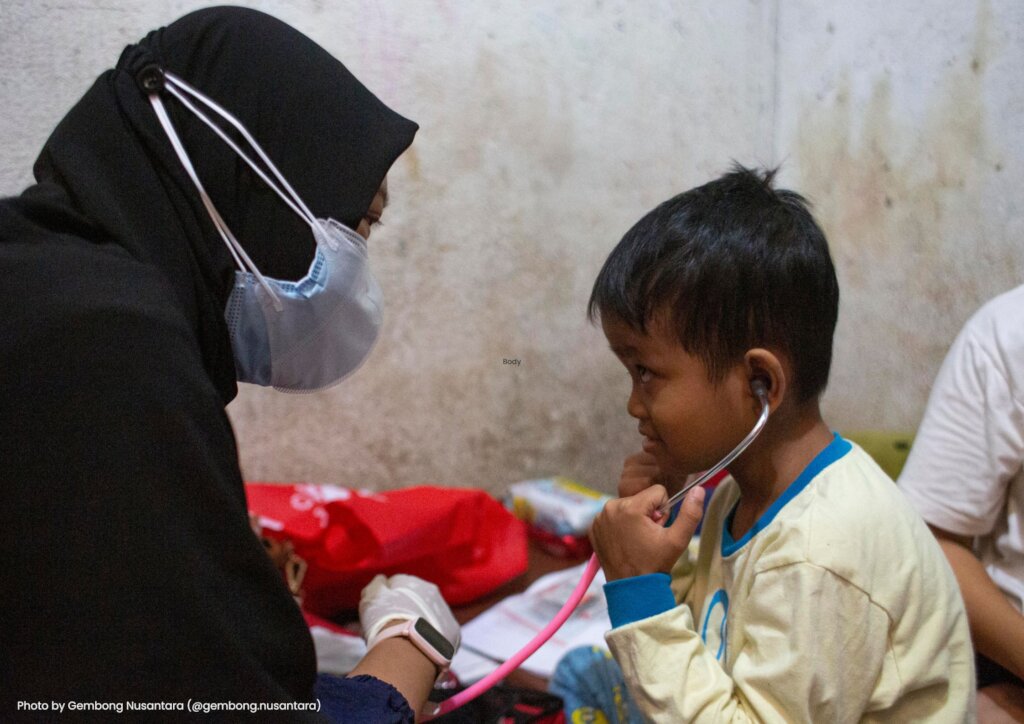
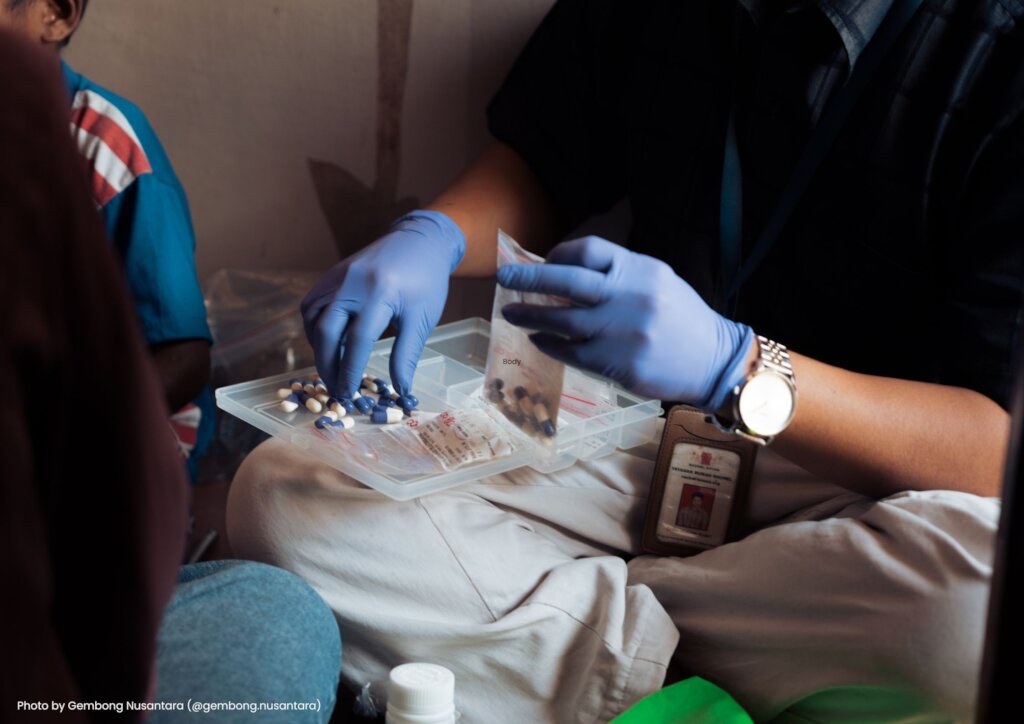
Ardi was referred to Rachel House to help manage the symptoms that had compromised his quality of life. Rachel House’s nurses supported Ardi’s parents with the essential skills and knowledge to ensure proper administering of medications, effective ways of managing Ardi’s feeding (nasogastric) tube, methods of easing his breathing (complicated by lung Tuberculosis), and physiotherapy exercises to help Ardi regain his strength and movement. All the big and small things that would help make Ardi’s days just a little bit easier.
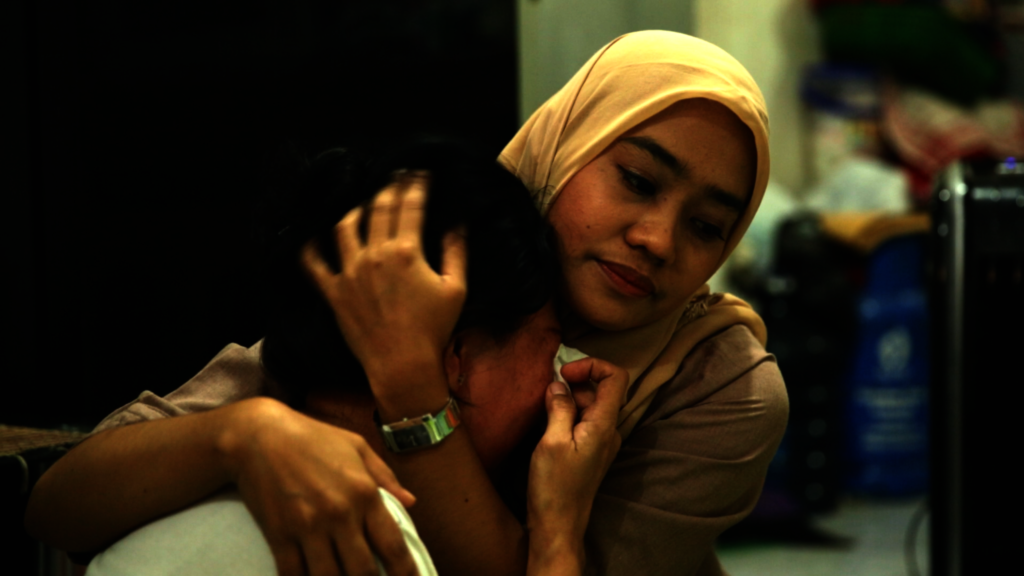
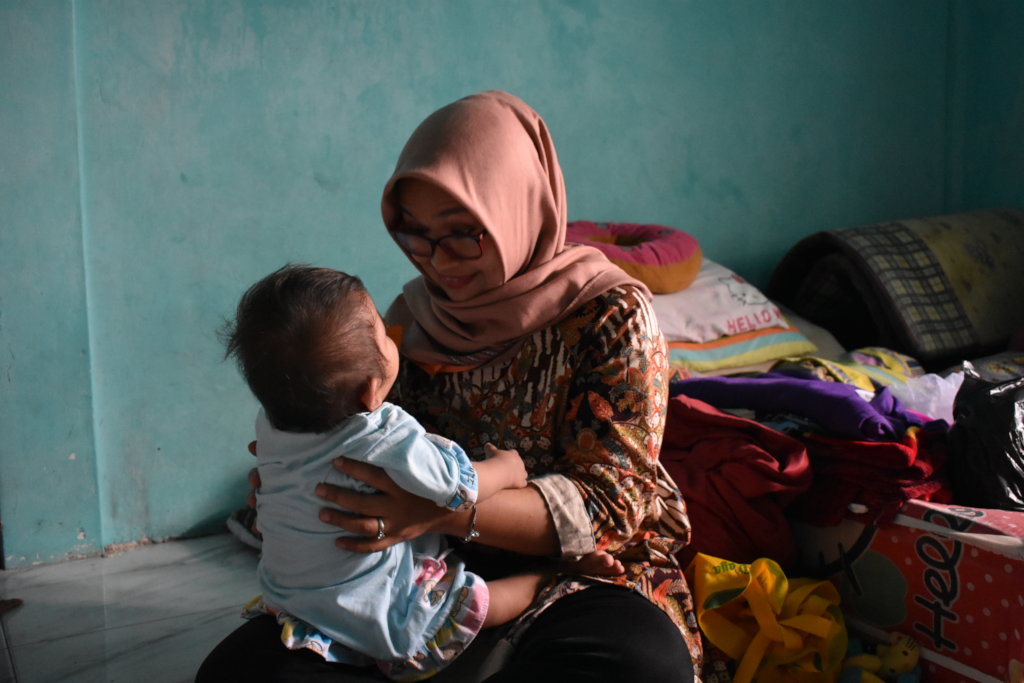
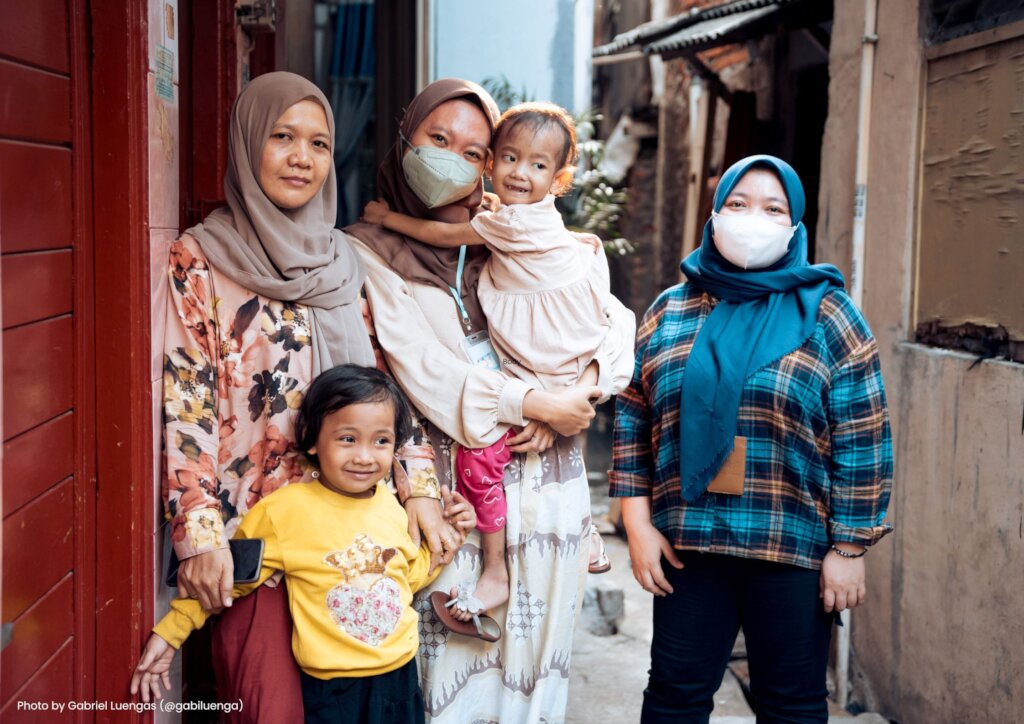
But of course, the nurses’ work extends beyond just the patient. With other children to raise, Ardi’s parents needed emotional support, care and compassion; with the additional expense of Ardi’s treatment, his father had to work twice as hard to support the family. Our nurses became their friends, their trusted confidants, with whom they shared their grief and broken dreams.
A doctor once told Ardi’s parents that his paralysis was irreversible.
“But I have faith,” the father said. And that faith gave them courage. Physiotherapy was an arduous journey; with progress so slow it at times tested the father’s conviction. But little by little, Ardi’s conditions improved.
Today, Ardi is able to sit up on his own, and even stand up with support. He has regained most of his hearing and some of his sight; he is now able to watch television with his sisters, laugh at cartoon or some random celebrity gossip show. Ardi is a living proof that a father's love and faith, combined with compassionate care and appropriate treatment, can move mountain. Being HIV-positive does not mean that all is lost for these children; and it definitely does not mean that they do not deserve to live life to the fullest surrounded by the people who love them.
Project reports on GlobalGiving are posted directly to globalgiving.org by Project Leaders as they are completed, generally every 3-4 months. To protect the integrity of these documents, GlobalGiving does not alter them; therefore you may find some language or formatting issues.
If you donate to this project or have donated to this project, you can receive an email when this project posts a report. You can also subscribe for reports without donating.



Support this important cause by creating a personalized fundraising page.
Start a Fundraiser