We often get asked, "How do you know you have succeeded as an organization?" One metric we use is to track whether we have provided our products and services to all of the residents of a village who want them. Through our monitoring system, each year we track our annual outputs (products and services distributed), as well as the number of people whom we have directly benefitted (see our 2016 Year In Review summary on our website).
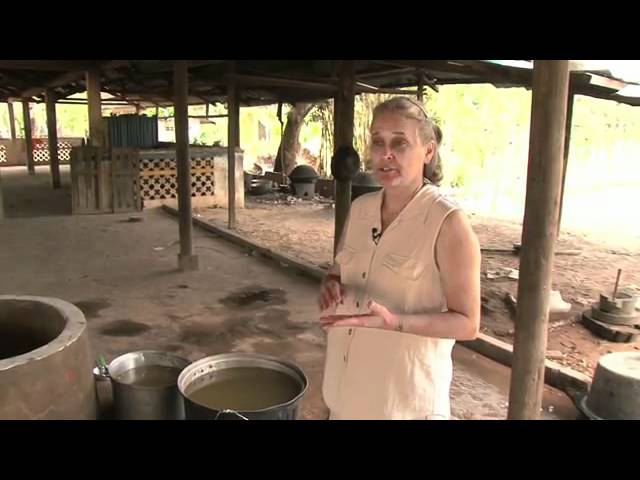
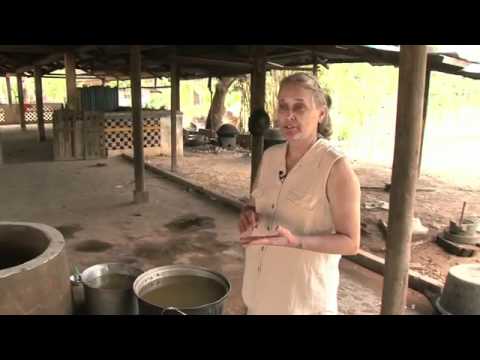
In terms of on-the-ground changes in the quality of living our village partners have experienced (in monitoring lingo, our "outcomes"), we typically look to the extensive research that exists about the positive, even transformative, impact our rural development strategies provide. Also, we collect testimonials from some of our village partners (for best example, see "Saruen's Story" video on our website homepage).
While these benchmarks continue to serve Trailblazer well in assessing our impact,we want to develop a more strategic way to acquire both quantitative (numbers) and qualitative (stories) data on how our products and services are changing the lives of the individuals, families, and entire villages we serve. We are motivated to do this for three reasons.
First, more and more villages and villagers are asking us to support them, and we will be able to better plan and evaluate our work with a robust monitoring, evaluation and reporting (MER) process. Second, as we expand our fundraising efforts to include more grant-making entities, we are being asked for more details about our monitoring and evaluation systems. Finally, establishing a more robust MER process is the last major undertaking of our now two-year effort to strengthened Trailblazer as an organization.
This past spring, Trailblazer enlisted the pro bono support of a MER expert, local to Fort Collins (Trailblazer's home base in the states), to provide guidance for three MER related projects: [1] developing the process and protocols for Trailblazer's enhanced monitoring, evaluation and reporting system; [2] hiring a MER manager, a Cambodian who will work with our team in Cambodia; and [3] initiating a pilot project to have local Cambodian high school students interview Trailblazer recipients in their own villages to collect data and stories about our work.
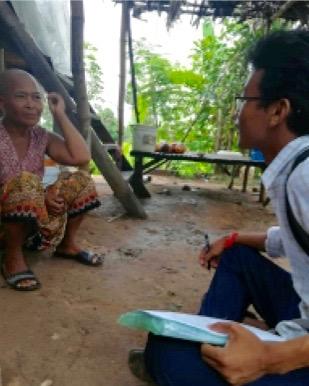
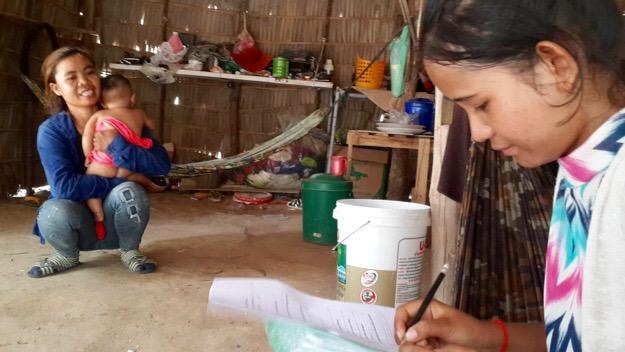
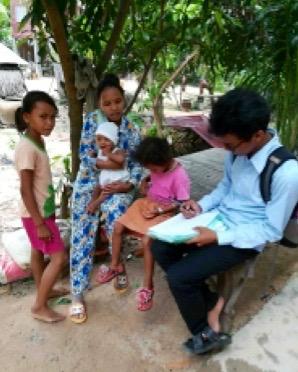
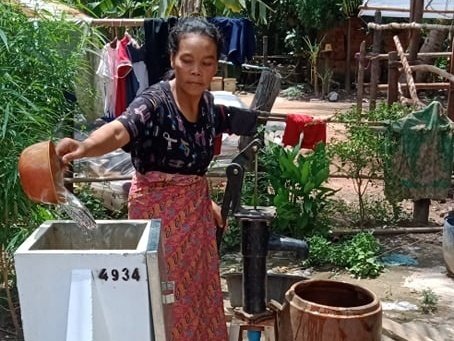
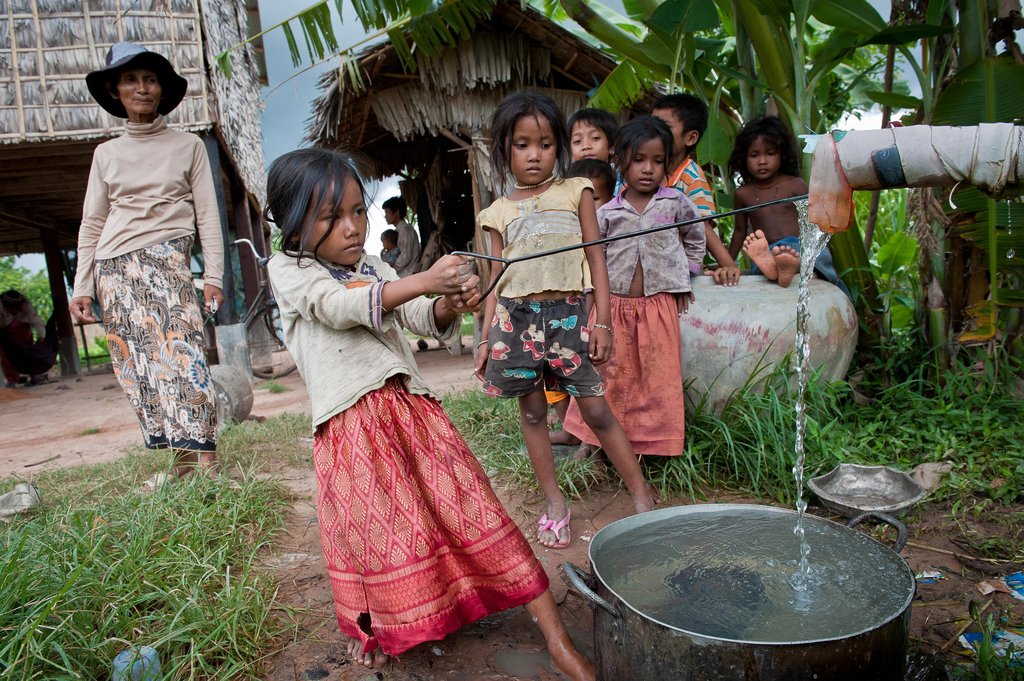
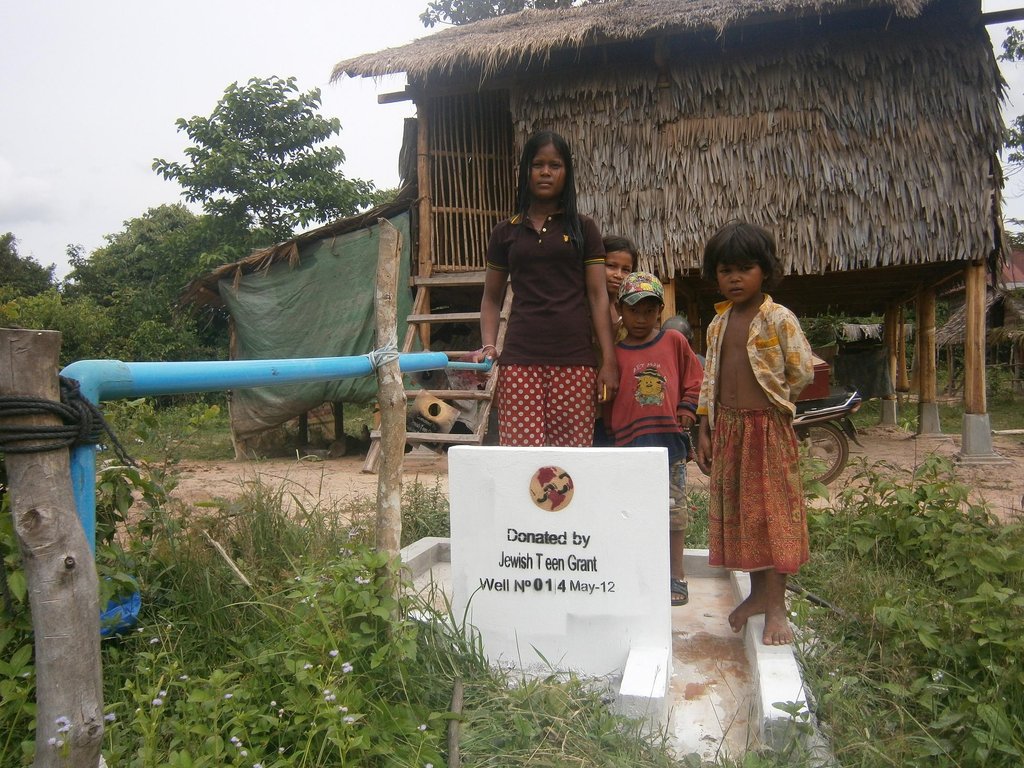
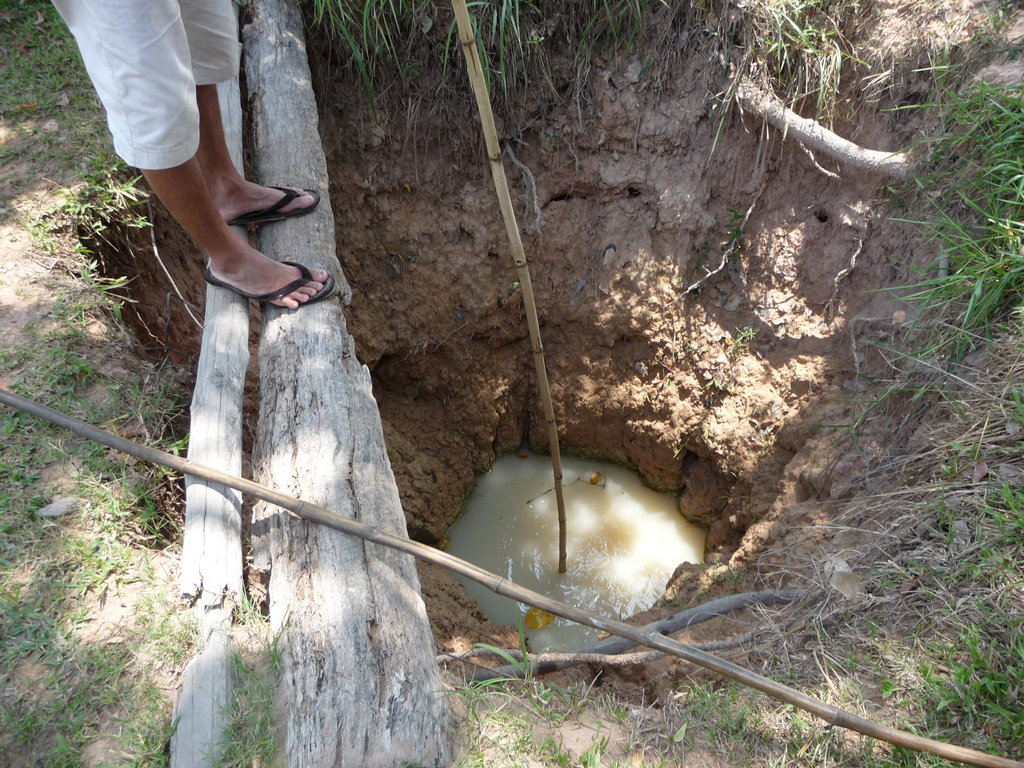
The pilot project took place in late July, when four students from the Jay Pritzker Academy in Siem Reap conducted interviews with forty residents of six villages (all photos here from those interviews). Each person interviewed had received a water filter and a well, Trailblazer's ideal combination for clean water. And these people had received these products within the last eighteen months, a timeline that allows Trailblazer to follow these families from the very beginning, or close to the beginning, of their having the well and filter .
While we don't have the hard data fully tabulated yet, here are some of the more pertinent or informative observations the students made.
1. The students are interested in doing this again next year, and believe the answers they receive then will be more in depth, as the recipients will have had more experience with their wells and filters.
2. Generally speaking, the recipients now realize how the combination of a well and water filter gives them both more access to water, and better quality drinking water. The students predict that next year the recipients will say the well has provided them and their families with a better garden, and thus better food. The year after, the students' surmise, the recipients will have more money, as they would have been able to sell excess crops from their garden.
3. One humorous thing the students pointed out is that, due to the high iron content in the well water (which makes the water a little rust colored), families are filtering that water before using it to wash their clothes and babies. Yes, this is a funny - as in curious - practice. However, it makes perfectly good sense in terms of the recipients solving a problem they have.
4. Another funny answer that stuck with the students was a husband and wife that said they used to argue all the time about who would get the water (since they had to travel further to a water source). That couple was thankful for the well and filter, as they now have one less thing to worry about, and argue about (an unanticipated benefit of Trailblazer's work).
5. Maybe the most helpful feedback we received from the students had to do with the equitable distribution of wells and water filters. Specifically, the students worried about poorer families that may not have attended the village meeting when the opportunity to ask for a water filter or well was announced. This possibility had to do with how close a given family lives to the center of that village, with those families who have more financial resources (everything is relative) probably living closer.
The implications of where one lives has to do with how easily they can attend the village meeting when the opportunity to order a well or water filter was presented. This occurs during an annual needs assessment meeting, facilitated by the village chief. If a person or family lives closer to the village center, they will be more likely to both hear about the meeting, and be able to attend the meeting (due to distance and financial resources needed to get to the meeting).
As a recommendation, the students, who would know because they grew up in these villages, suggested that Trailblazer work with village chiefs to set up a better system for ensuring all villagers know about this annual meeting, and can attend it if they want to. This is the type of data Trailblazer wants to be able to collect and/or collect more of, as it helps us evaluate and refine our programs, products and services.
As such, this pilot project has already proven to be valuable in enhancing Trailblazer's program monitoring. Combine that success with our efforts to develop better MER systems and hire a new MER manager, and Trailblazer will be able to fully launch our improved monitoring and evaluation process in early 2018. While this may not be the most captivating part of Trailblazer's work, it is critical to our continued growth and success. Therefore, it is exciting news we wanted to share with you, our supporters.
Links:
![Share on Twitter]()
![Share on Facebook]()