By Erin Thomas | Policy and Research Coordinator
Interview with Banaba Working Group Project Lead, Rae Bainteiti
The forced displacement of the Banaban people because of phosphate mining in 1945 has resulted in human rights violations at many levels. Currently, there is scant literature, data, and analysis about many of the human rights violations related to the forced relocation of the Banaban people. What data does exist shows Banabans continuing to inherit deficit statistics in all well being domains and stunted socio-economic, cultural, and political aspirations. These inequities are underpinned by two states’ ageing pieces of legislation (the Kiribati Constitution: Chapter IX and Fiji’s Banaban Settlement Act 1970) that govern Banaban affairs which fail to meet human rights standards for Banabans.
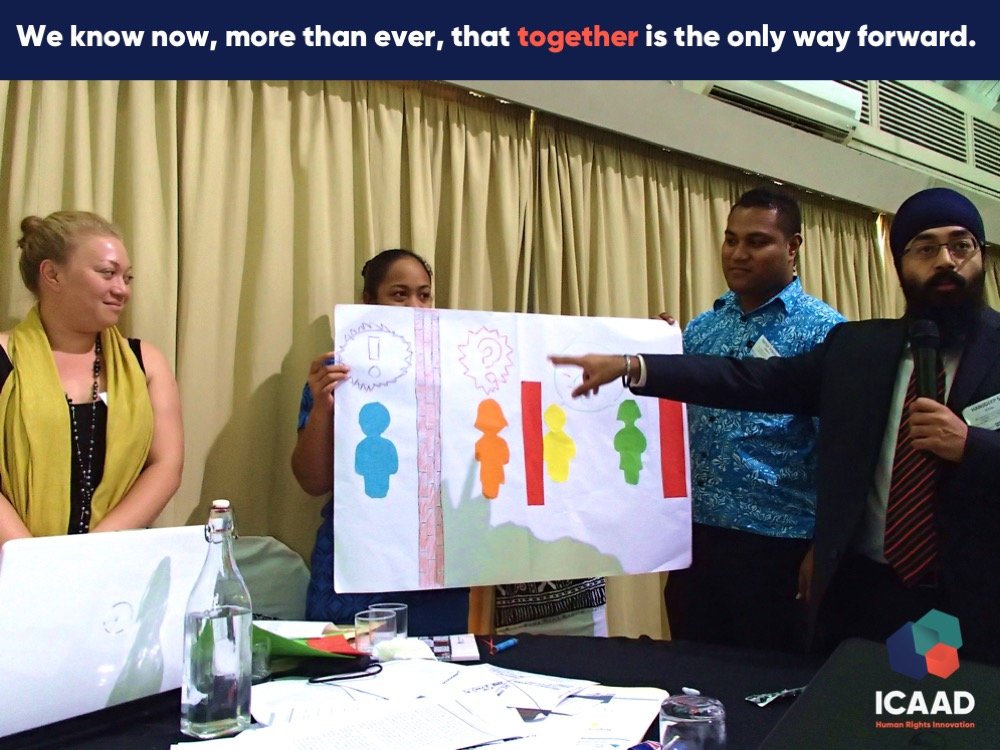
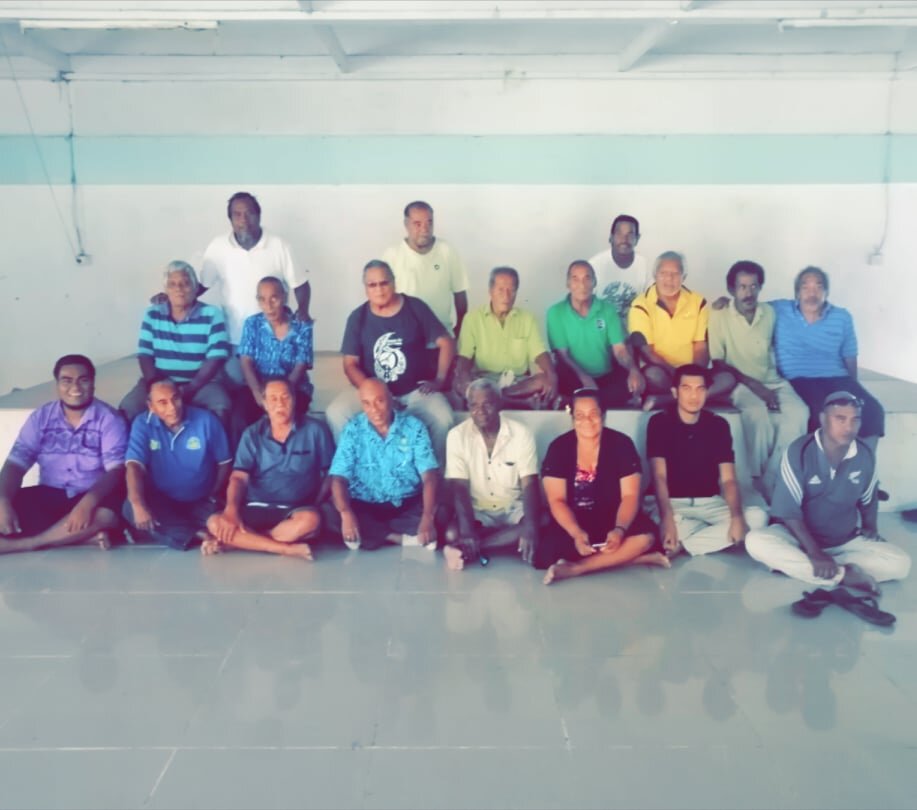
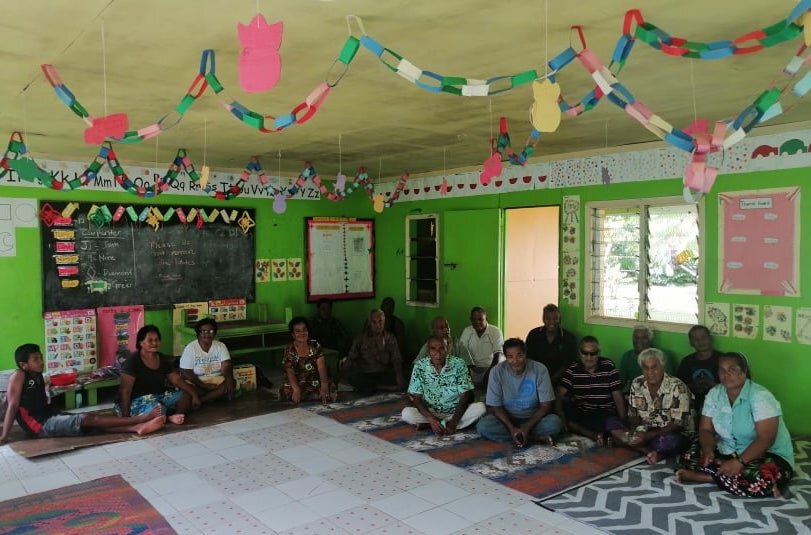
ICAAD and the Banaban Working Group are working together to host a series of dialogue sessions with key stakeholders on Rabi Island and Banabans overseas to ground our understanding of relocation in the legal sense and its implications for cultural, national, and social identity. The Banaba Working Group will contribute a final case study in the Right to Life with Dignity (RTLWD) Research Paper. ICAAD is supporting this work through legal research assisted by Clifford Chance and King & Wood Mallesons.
Below, Itinterunga Rae Bainteiti, the Project Lead shares more about the project and what he has experienced in the community dialogue sessions.
Why is this project so important right now?
Climate displacement is clearly an urgent challenge for us to address, and the displacement of Banabans has critical lessons for the climate movement, especially in the Pacific. For Banabans on Rabi Island, this project is happening at a very important time because for almost a decade now, the Rabi Council of Leaders which governs Banaban affairs has been in dissolution. This body is crucial in safeguarding Banaban affairs in Fiji and Kiribati. The work requires both legal analysis and rich community dialogue.
Tell us more about the community dialogue sessions.
The dialogue with communities in a culturally competent way is generating data that are missing in academic space and highlights the urgency to document as much as we can from the remaining elders. Therefore there is an urgent need to hold more of these conversations. Banaban elders have deep knowledge about displacement, litigation, and conversations around self-determination and identity. They also have a vision for their people that calls for bolder actions for the younger generation. The sessions have provided a forum to discuss contemporary as well as long standing Banaban issues that are pertinent to Banaban development in two states: Fiji and Kiribati which become valuable lessons learnt for future climate-induced displaced communities.
How have community members responded to the sessions?
For 76 years, the Banabans on Rabi have lived/survived with grief and trauma. Despite this, there hasn’t been any support in the past to facilitate a space for ‘healing’. So for the elders, the spaces have been healing and therapeutic. The sessions have been unique in that they also highlight the importance of intergenerational dialogue between youths and our elders. As a youth myself, I witnessed firsthand the disconnect of our youths with issues shared by our elders because there is no enabling environment that would provide a space for these dialogues to convene especially on Right to Life with Dignity themes. Furthermore, young people are rapidly adapting to new cultures because of this disconnect. In time, this may ultimately result in the loss of our Banaban knowledge and the extinction of many of our important Banaban cultures. I have been blessed to have this intimate opportunity presented in this project to be an audience to my elders who will not be around forever.
What insights have emerged from the work so far?
A big takeaway for me has been understanding the importance of training on human rights and governance, among other areas. More community education and capacity building is required, thus investment in financial resources to reach all communities. Every displaced person because of environmental degradation of any form, should understand their basic human rights and have access to resources in their native language so that they can be advocates for themselves and their communities.
Anything else to add?
In closing, I would like to sincerely acknowledge ICAAD for the partnership on “The Right to Life With Dignity Project” and for making this important work happen. As the Banabans commemorate 76 years this year on Rabi, the sad reality is that nothing major has happened in terms of development to uplift this community to thrive in their new home and in their homeland, Banaba. I hope our contribution to the Right to Life with Dignity research report will not only highlight what went wrong with the Banaban story of displacement but more importantly how policymakers, legislators, politicians and advocates can use the story of my people to craft future policies and laws that actually work for climate-induced displaced communities of the future. For us Banabans, we have a long way to go and this project is an important step in the right direction.
Links:
Project reports on GlobalGiving are posted directly to globalgiving.org by Project Leaders as they are completed, generally every 3-4 months. To protect the integrity of these documents, GlobalGiving does not alter them; therefore you may find some language or formatting issues.
If you donate to this project or have donated to this project, you can receive an email when this project posts a report. You can also subscribe for reports without donating.



Support this important cause by creating a personalized fundraising page.
Start a Fundraiser