By Souad Agnaou | Vice President
As UNCCD COP17 brought governments, civil society, Indigenous Peoples, researchers, youth, and communities together in Ulaanbaatar, the High Atlas Foundation (HAF) brought a clear message from Morocco: land restoration and climate action must put communities at the center.
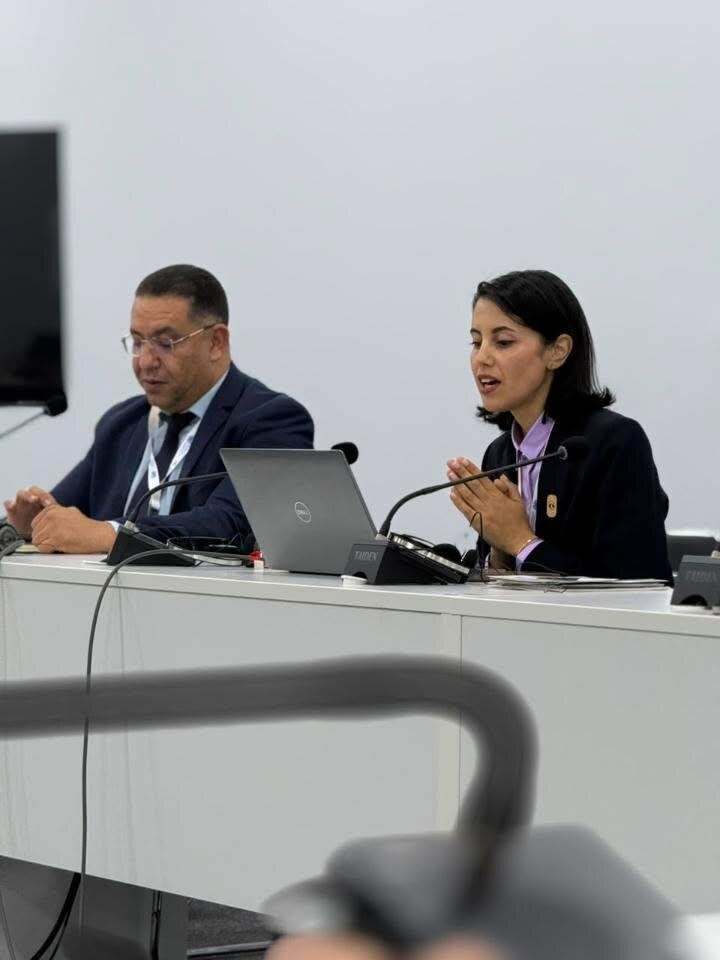
HAF Vice President Souad Agnaou participated throughout the COP, contributing to civil society discussions and presenting HAF's key messages on community-led restoration, climate finance, sustainable agriculture, and carbon markets.
HAF's Message:
Climate Action Starts With Communities
At COP17, HAF brought the voices and priorities of Morocco’s rural communities to the global stage, calling for climate action that starts where change happens: in communities.
Speaking in Mongolia, HAF Vice President Souad Agnaou emphasized that climate finance and land restoration must be shaped from the ground up, with women, youth, and farming families playing a central role in decisions that affect their land and livelihoods.
Communities, she stressed, should be more than beneficiaries of projects designed elsewhere. They should help identify priorities, shape solutions, manage implementation, monitor progress, and assess results.
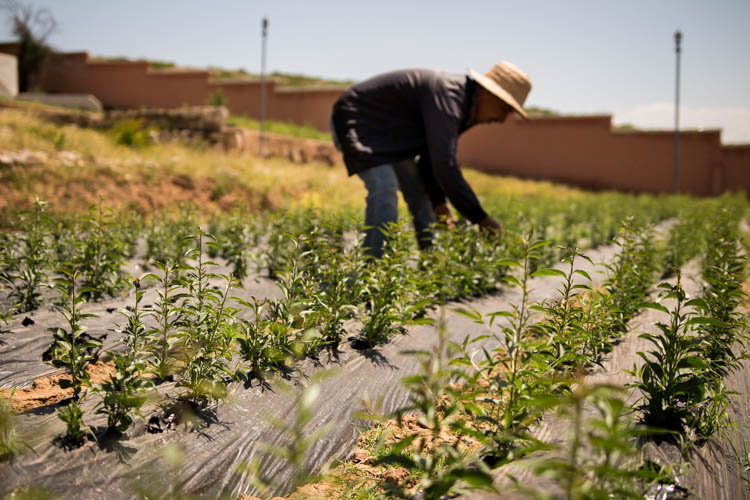
This approach reflects HAF’s work on the ground: supporting women, youth, and farming families to lead initiatives that strengthen livelihoods, restore degraded land, and protect natural resources.
For HAF, meaningful climate action begins by listening to communities and giving them the tools to shape their own future.
"National and international commitments only become meaningful when they fully and widely translate into local community projects, accessible financing, long-term partnerships, and major results that people experience everywhere transformatively experience." - Souad Agnaou, HAF Vice President
HAF's Side Event:
An Integrated Model, Presented to the World
On the opening day of COP17, HAF hosted a side event exploring women’s leadership in agriculture and agroforestry as a pathway to land restoration, resilient livelihoods, and climate finance. Issues related to women’s and youth participation, leadership, and inclusion remained present in the discussions and in the final decisions.
The international panel brought together complementary experiences from Morocco, Bosnia and Herzegovina, the United Kingdom and Mongolia.
- Khalid Cherki, Morocco’s UNCCD National Focal Point: Presented Morocco’s national context and its efforts to move from forest degradation toward more resilient landscapes through the Forests of Morocco 2020–2030 Strategy.
- Souad Agnaou, HAF Vice President: Presented “From Community Agroforestry to Climate Finance: Morocco’s Pathway to Women-Led Land Restoration,” highlighting how community participation, agroforestry, women’s leadership, livelihoods, and sustainable financing can reinforce one another within a broader development model.
- Dr. Marijana Kapovic Solomun, Representative of the Association “Mother Nature” in Bosnia and Herzegovina: Shared lessons from restoring fragile landscapes affected by drought, wildfire, erosion, and land abandonment. Her intervention emphasized the importance of adapting restoration approaches to local ecological conditions and combining practical restoration with long-term monitoring, research, and institutional cooperation.
- Bayarchimeg Budee, Founder and CEO of A Vital Bond for Conservation Fund Mongolia: Presented experiences from the Gobi Desert, demonstrating how agroforestry and botanical restoration can contribute not only to ecological regeneration but also to local livelihoods and women’s economic opportunities.
- Alena Maslova, Representative of Green and Better World and Founder of Dobrosphera Kind Media: Brought a different but equally important dimension to the conversation: the role of arts, responsible media, and communication in engaging younger generations in climate action, desertification, circular economy, and the protection of cultural heritage.
Together, the panel demonstrated that restoration is most powerful when environmental, social, and economic objectives are addressed together rather than in isolation.
The event drew strong interest from civil society organizations and other participants, opening opportunities for continued exchange, partnership, and greater visibility for community-based restoration approaches.
Beyond Carbon:
A Community-Centered Approach to Carbon Finance
At COP17, HAF championed a broader vision for carbon finance, positioning climate action as a pathway to rural development.
HAF presented its integrated model in Morocco, which starts with community participation and project identification and brings together agroforestry, women and youth engagement, capacity building, tourism, and livelihood opportunities. The model also connects these efforts to carbon-market financing, creating a potential mechanism to sustain and reinvest in community priorities.
For HAF, carbon projects should do more than generate credits. They should create tangible and lasting value for the women, youth, and farming families who restore land and protect natural resources. HAF’s approach connects carbon activities with the planting of endemic fruit and forestry trees, community-managed water infrastructure, and locally identified development priorities.
This means putting communities at the center of how carbon projects are designed, implemented, and how their benefits are used. A meaningful share of the value generated through carbon markets should return to the people and communities whose work makes landscape restoration possible, including through investments in priorities they identify themselves.
HAF is also calling for carbon standards, regulations, and buyers to recognize these wider benefits. When carbon finance strengthens livelihoods, restores degraded land, supports local institutions, and gives communities greater ownership over their natural resources, its impact extends far beyond the carbon credit itself.
Beyond COP17
For HAF, the success of international commitments should ultimately be measured by what people experience in their daily lives:
- Are farming families better equipped to cope with drought?
- Are women and young people gaining new opportunities?
- Are degraded lands being restored by the people who depend on them?
- Do communities have a meaningful voice in decisions about their land and natural resources?
COP17 was not only about bringing community perspectives to the global climate conversation. It was about strengthening the connection between international commitments and action on the ground, where farmers, women, youth, and rural communities are restoring land, managing natural resources, and building more resilient livelihoods.
Global commitments become meaningful when they translate into local projects, accessible financing, long-term partnerships, and tangible results for communities.
Project reports on GlobalGiving are posted directly to globalgiving.org by Project Leaders as they are completed, generally every 3-4 months. To protect the integrity of these documents, GlobalGiving does not alter them; therefore you may find some language or formatting issues.
If you donate to this project or have donated to this project, you can receive an email when this project posts a report. You can also subscribe for reports without donating.



Support this important cause by creating a personalized fundraising page.
Start a Fundraiser