By Camilla Capel | Fundraising and Events Executive
This year has been an inspiring journey for our education projects, as we worked to engage communities, empower young minds, and foster a deeper connection to conservation across the UK, Africa and Asia.
UK
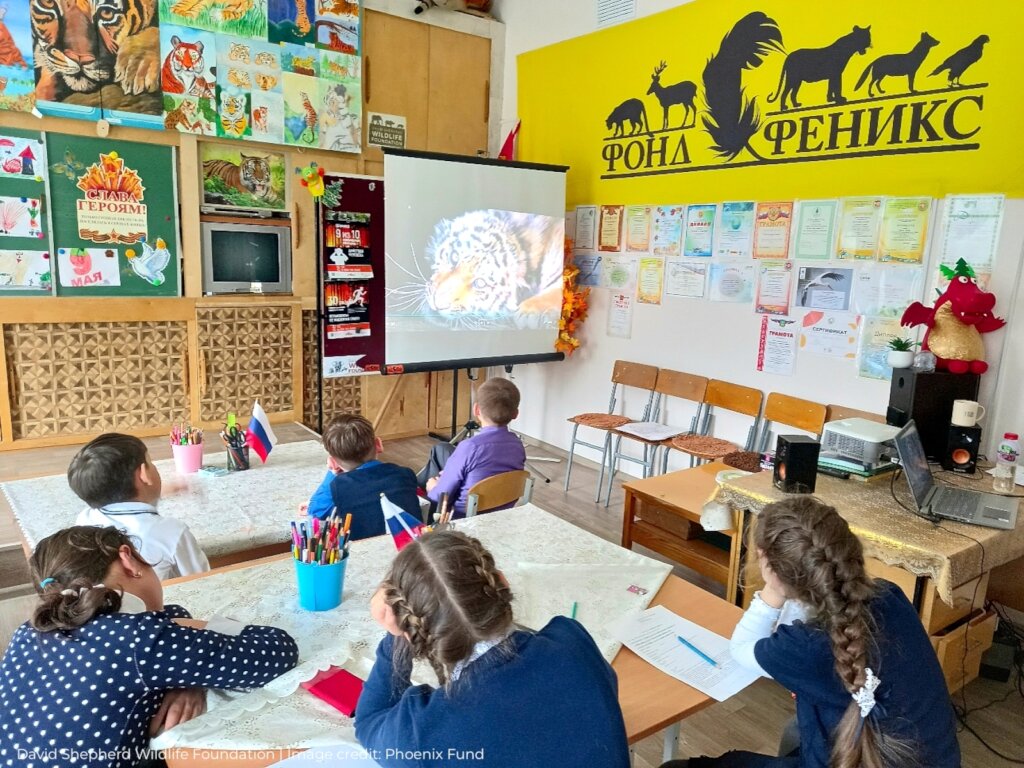
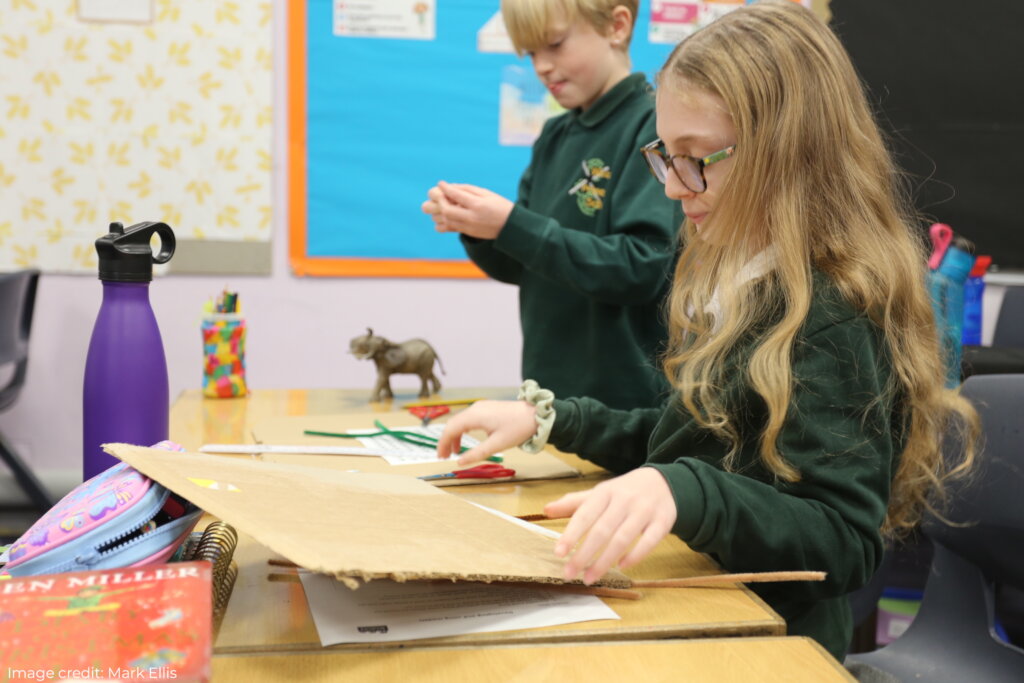
The past few months have been incredibly active for the education team at the David Shepherd Wildlife Foundation. Our primary programme of talks and workshops now reaches around 900 children each month, including over 25 tiger-themed sessions featuring puppet-making activities. These sessions teach children about tiger anatomy, camouflage, and hunting strategies, while fostering early conversations about conservation and coexistence.
Recent workshops included a Year 5 class creating Savannah habitats on paper plates, and we’ve delivered sessions in Stockport, Smethwick, Trowbridge, and numerous London schools.
We also welcomed Wilton Nsimango, Director of Education and Community at Painted Dog Conservation, one of our conservation partners in Zimbabwe, for a UK school and college tour ahead of his speech at DSWF’s Wildlife Ball. A standout moment was his talk to 130 animal science students at Merrist Wood College, which captivated the audience. With this momentum, 2026 promises to be even busier!
Zambia
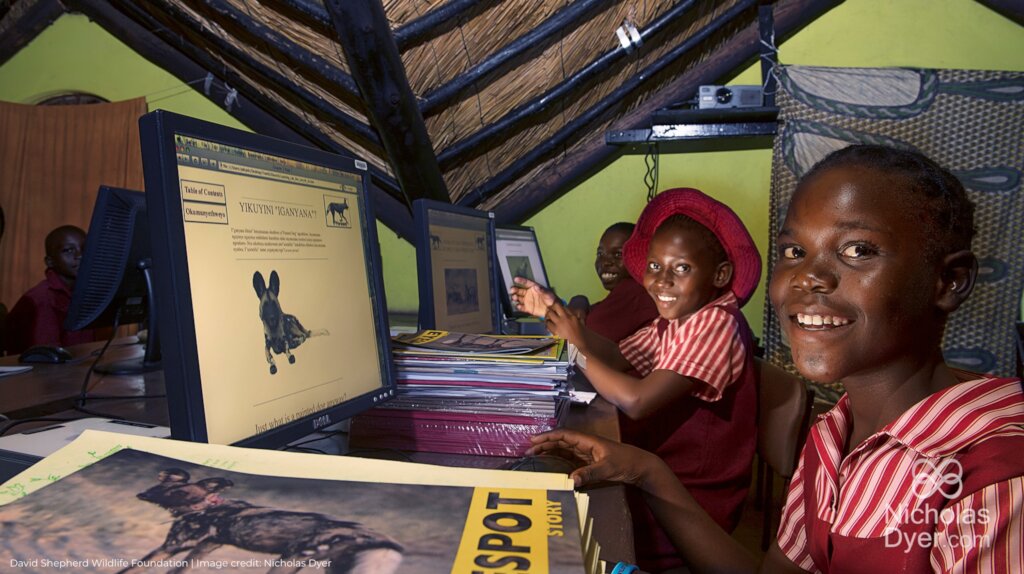
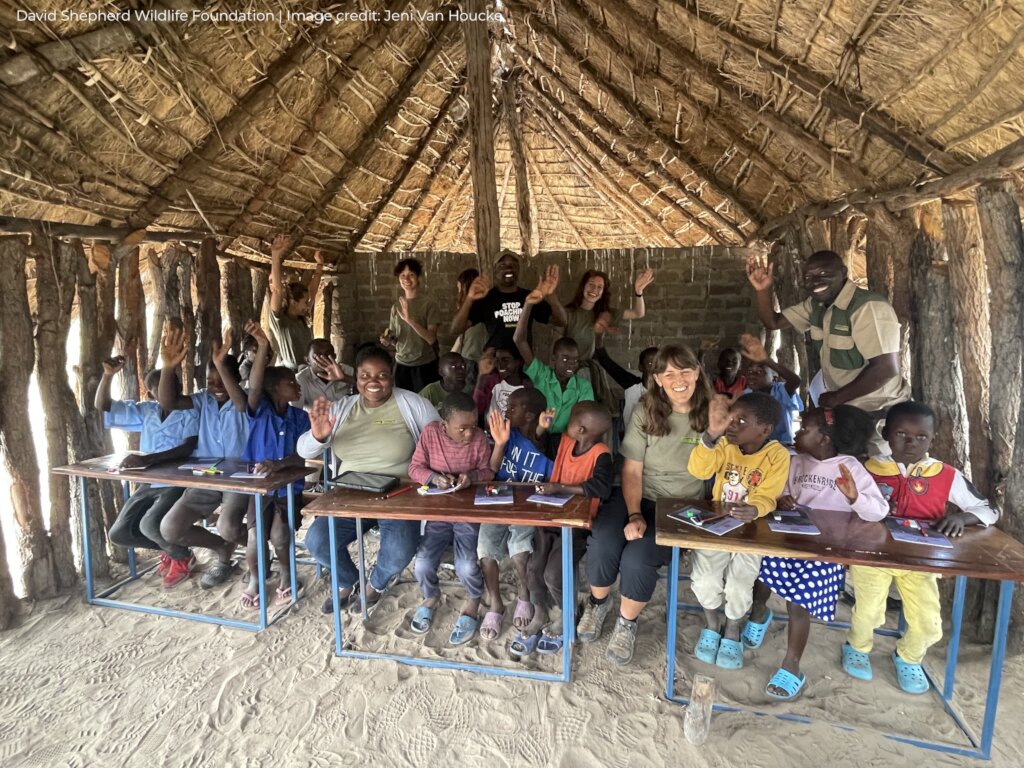
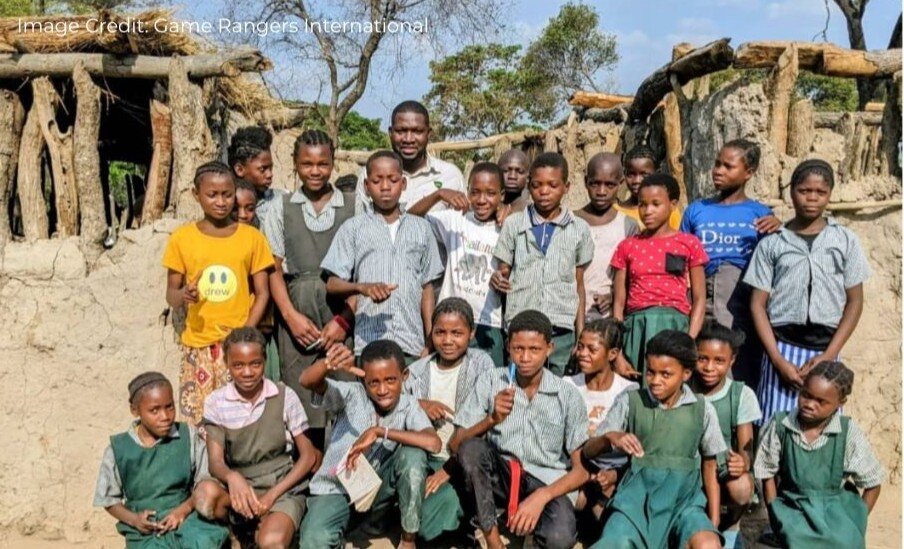
Education and community engagement in Zambia continues to inspire children, youth, and communities, building the next generation of conservation leaders. Thanks to your support, our education and community programmes are creating lasting change for people and wildlife.
Connecting Communities to Conservation
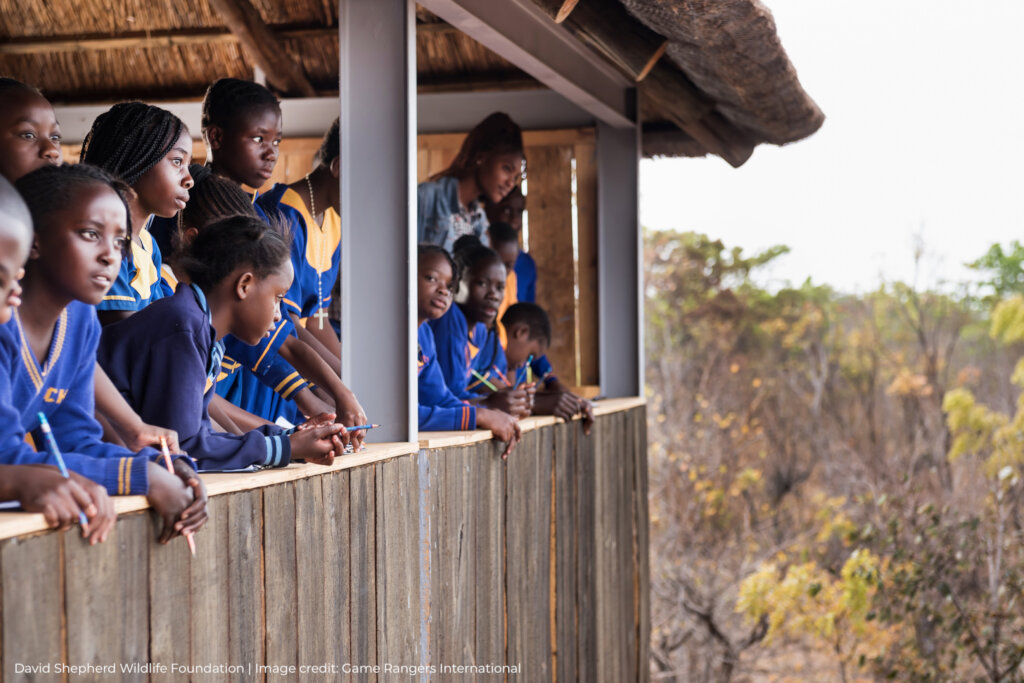
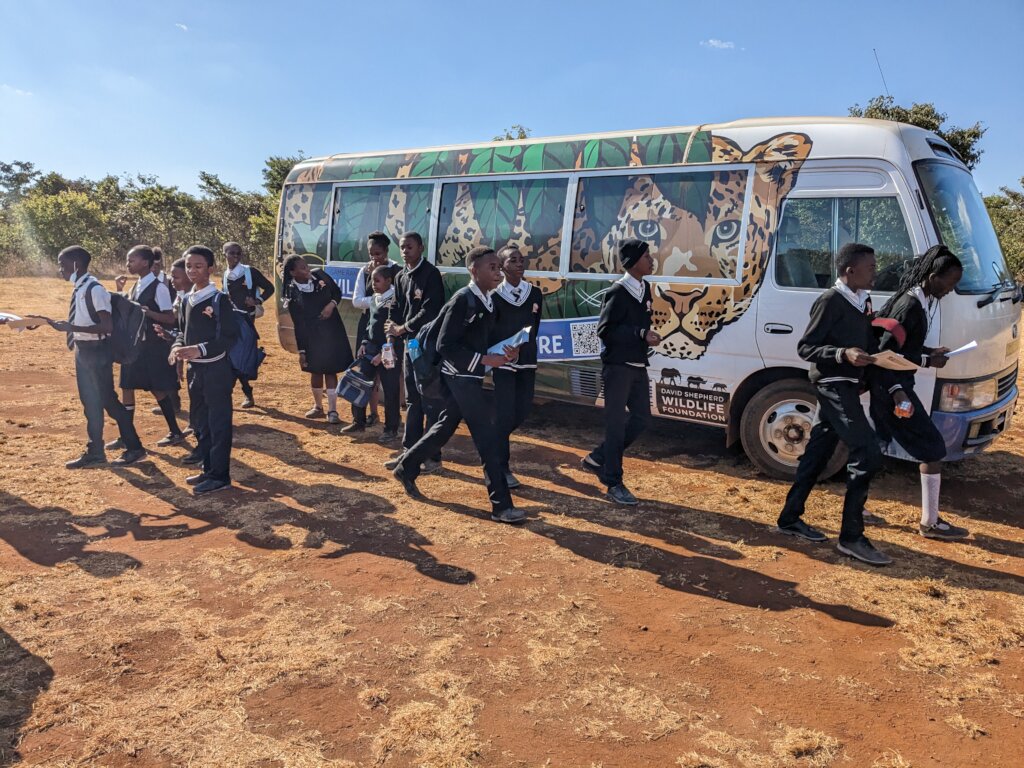
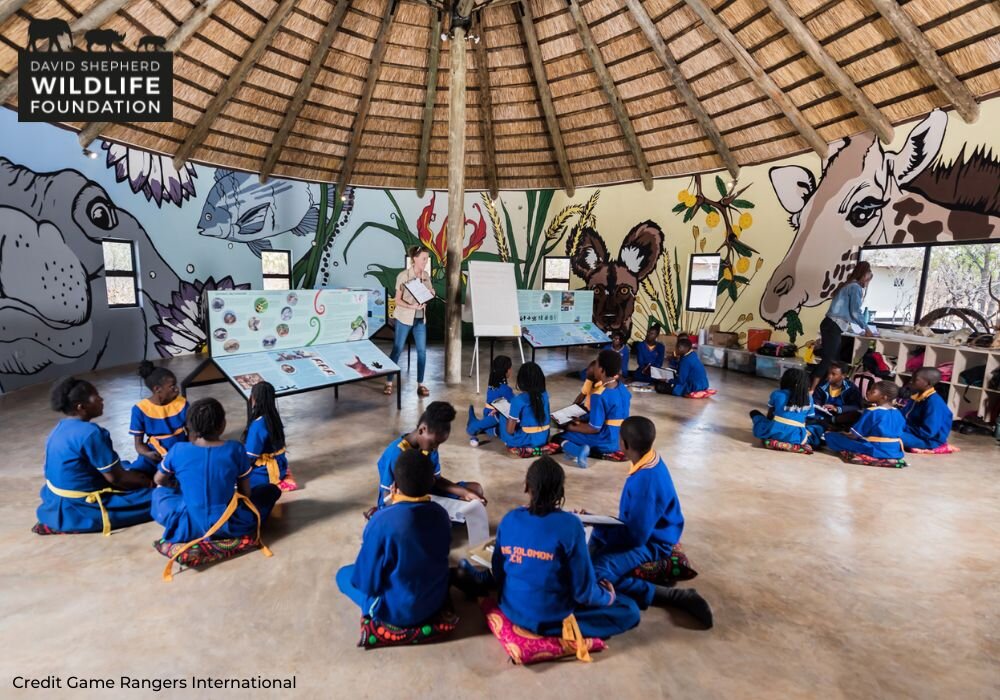
This year, the Wildlife Discovery Centre in Zambia welcomed over 5,400 visitors, including 2,700 children, most from local schools. Through Discovery Days and active school clubs, we reached nearly 1,000 children every week, sparking curiosity and inspiring action. Alongside this, we mentored 16 future conservation leaders and trained 11 interns in education, research, and hospitality—building skills that will shape the next generation.
Empowering Communities
Our work in Zambia extended beyond classrooms. We supported 300 farmers with coexistence strategies and distributed 780 conflict mitigation toolkits to reduce human-wildlife conflict. Conservation messages reached far and wide through weekly radio shows and more than 90 jingles, engaging an audience of around 150,000 listeners.
Investing in Youth and Women
At Basanga Youth Club, 244 young people participated in sports and life skills programmes that integrate conservation education. Women’s empowerment remained a priority: 39 women received first aid training, and women’s groups produced 170 handcrafted wildlife toys, creating sustainable livelihoods.
Driving Innovation
Innovation is at the heart of our approach. A new STEM lab and a school library at the Ngoma primary school on the edge of the Kafue National Parkare inspiring hands-on learning, while partnerships with Duke University and the expansion of the Little Ndaba Collection are strengthening our impact.
Looking ahead, we aim to grow school clubs, expand youth engagement, support women’s livelihoods, and scale conservation awareness through community events and radio outreach.
Kyrgyzstan & Mongolia
Kyrgyzstan: Inspiring Young Conservationists
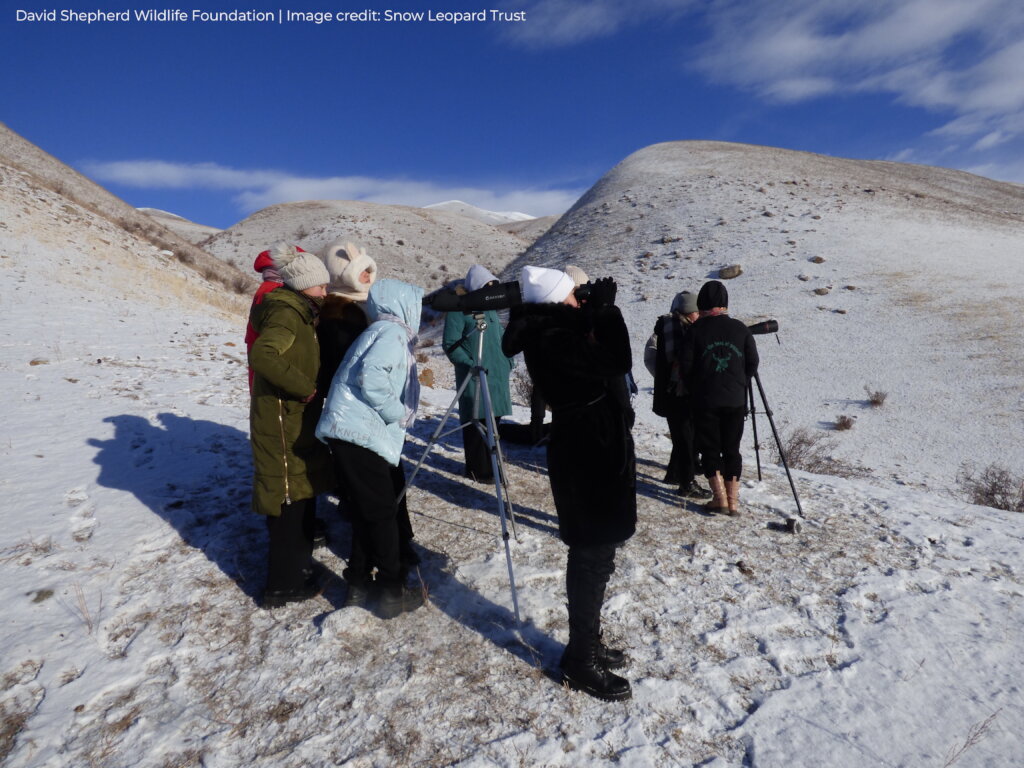
Your support is helping us bring the story of the snow leopard to life for communities in Kyrgyzstan. This year, our partners on the ground created engaging 45-minute lesson plans for 23 English teachers, blending language learning with cultural and ecological awareness. They also visited four rural schools, delivering interactive lectures and nature courses that sparked curiosity and pride in local wildlife.
In the Tian-Shan Mountains, summer eco-camps welcomed 60–80 young participants, immersing them in wildlife observation, hands-on environmental activities, and habitat exploration—an unforgettable experience that builds future conservation champions.
Beyond the classroom, our project partners are keeping the conversation alive through digital outreach. Between 250 and 400 children joined WhatsApp learning groups, and they produced videos, social media content, audio stories, and 300 printed guidebooks to reach even more families. They’ve also started camera-trapping projects, giving students practical insights into wildlife monitoring.
Together, we’re creating opportunities for learning, leadership, and lasting change—thank you for making this possible.
Project reports on GlobalGiving are posted directly to globalgiving.org by Project Leaders as they are completed, generally every 3-4 months. To protect the integrity of these documents, GlobalGiving does not alter them; therefore you may find some language or formatting issues.
If you donate to this project or have donated to this project, you can receive an email when this project posts a report. You can also subscribe for reports without donating.



Support this important cause by creating a personalized fundraising page.
Start a Fundraiser