By Camilla Capel | Development Executive
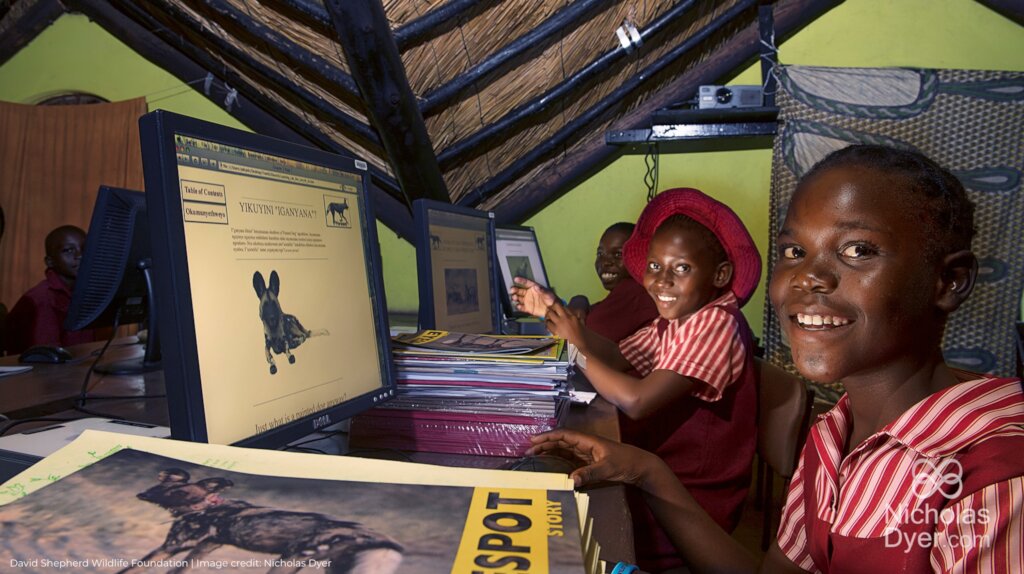
Your support is transforming how the next generation connects with wildlife, bridging the gap between classrooms in the UK and the front lines of conservation in Africa and Asia. Through your generosity, our education program has reached thousands of students this year, turning curiosity into active conservation leadership.
UK
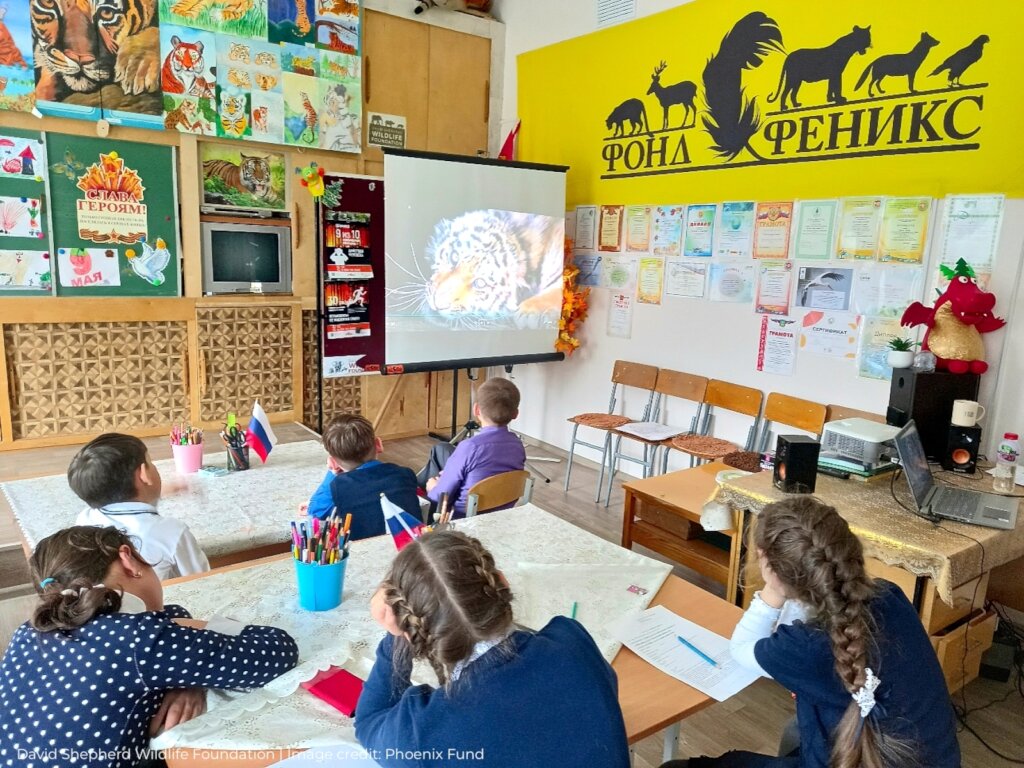
In early 2026, our UK education team reached a major milestone with a flagship online event that connected 90 schools and 4,500 children to a live herbivore survey in Zimbabwe. Students engaged directly with field experts, asking so many questions that the session had to be extended. Our inperson school and library workshops have already reached over 2,000 children in the first quarter of the year.
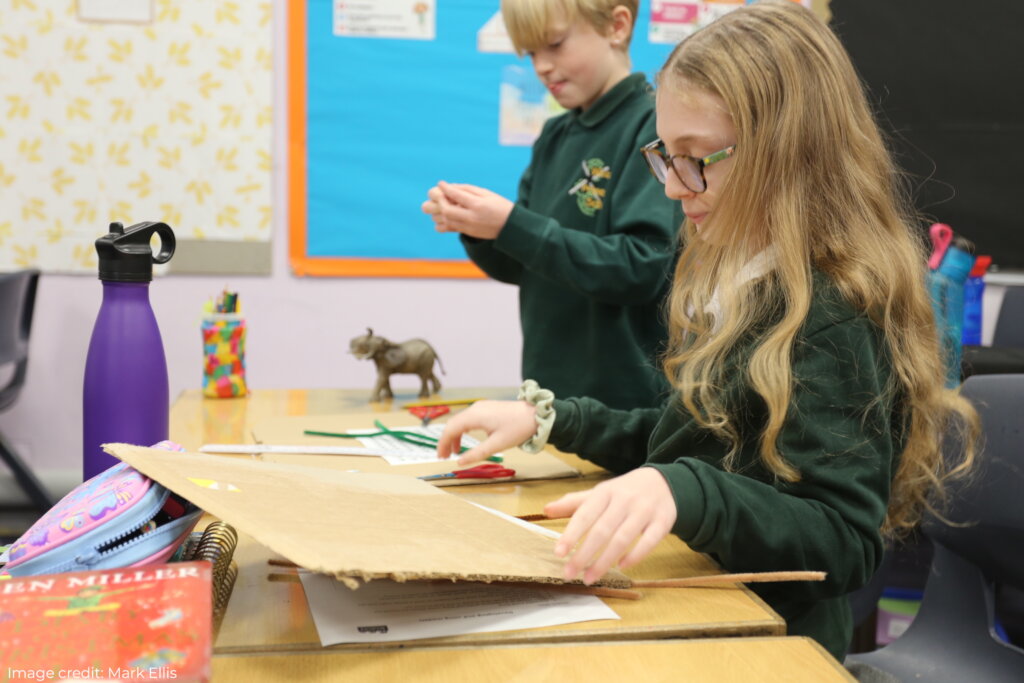
We continue to bring real science into the classroom by giving students access to genuine conservation data. More than 300 students across the UK are undertaking 30hour research projects using GPS collar data from our partners in Zambia. We are also developing new GCSE science resources that could reach up to 300,000 young people, ensuring conservation science plays a meaningful role in national education. At a secondary school in southern England, 19 student ambassadors are creating their own environmental films using professional tools, helping them become powerful advocates for the species they study.
Zambia - Elephants
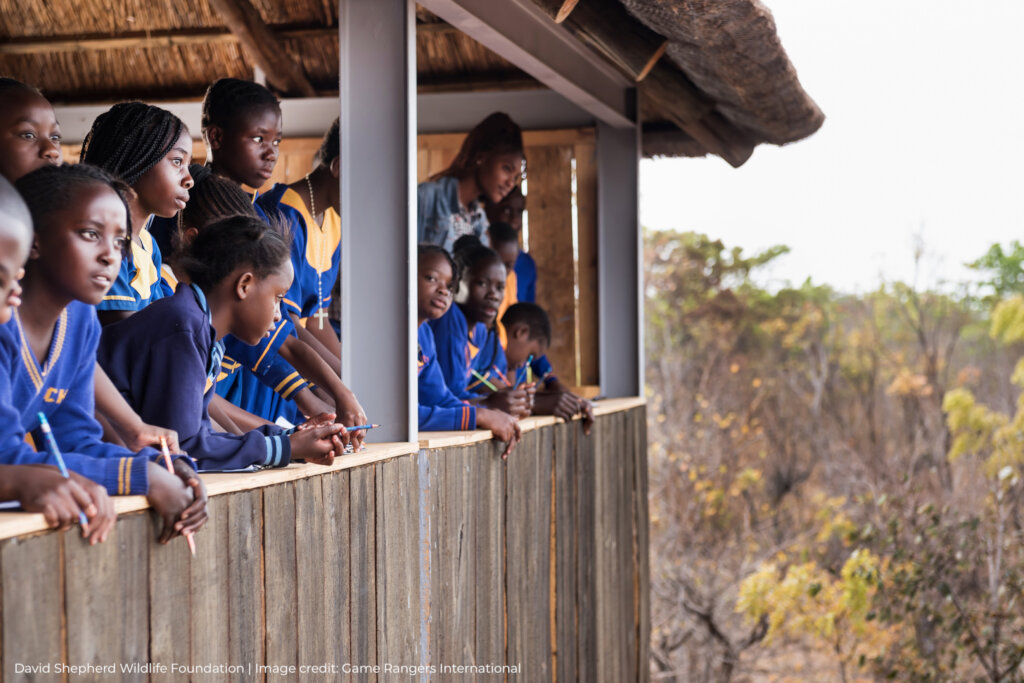
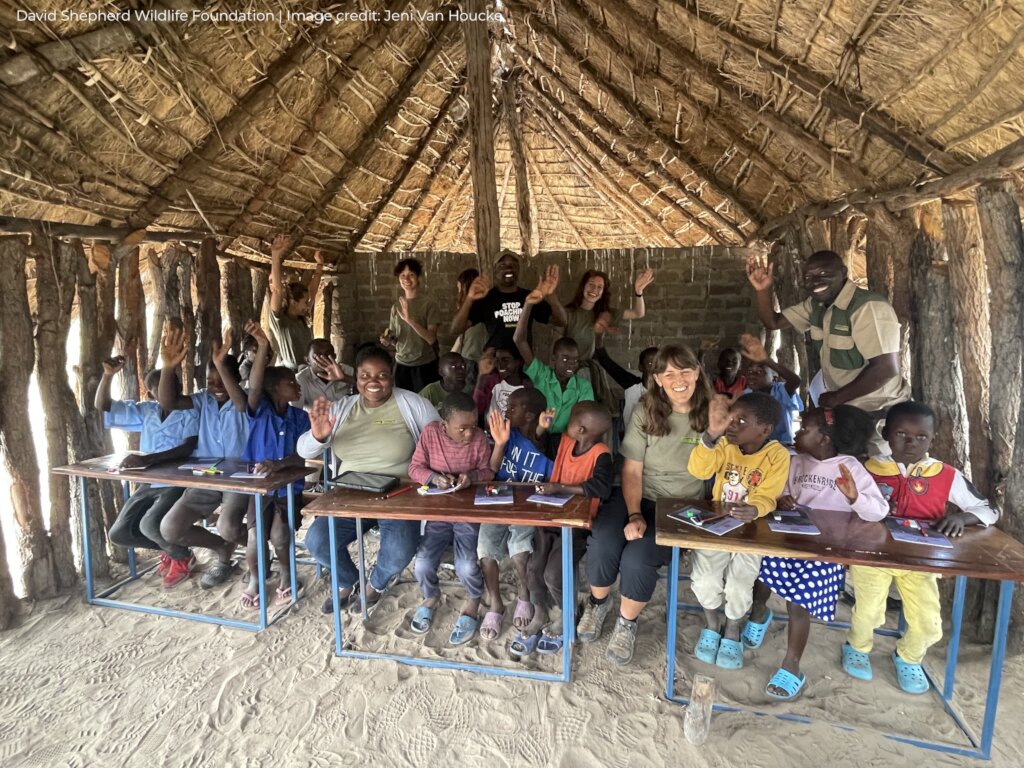
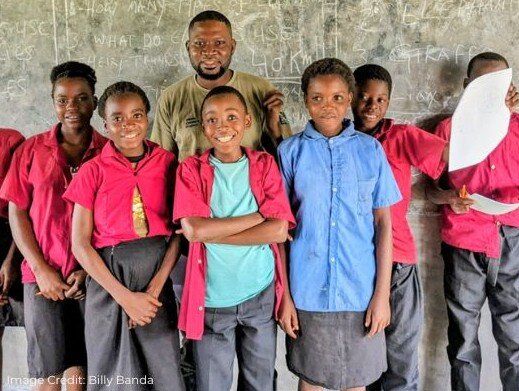
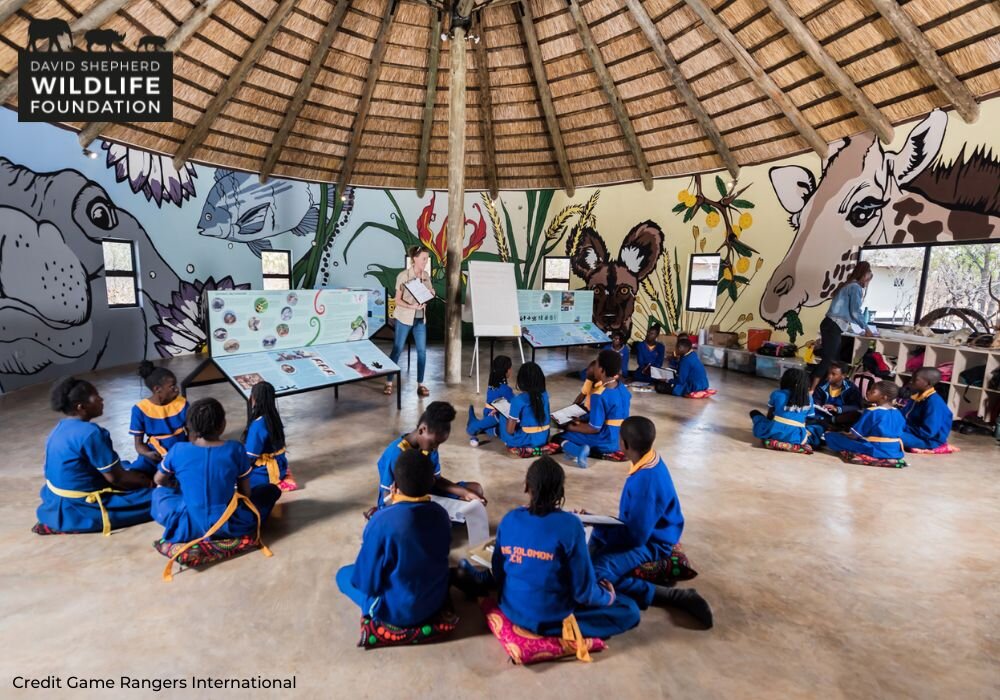
Your support is helping transform classrooms into conservation hubs across the Greater Kafue Ecosystem, where the future of elephants depends on engaging the next generation. With over 60% of Zambia’s population under 25, our field partner’s programme is harnessing this potential by reaching 50 schools across two Game Management Areas and providing monthly lessons that build longterm stewardship.
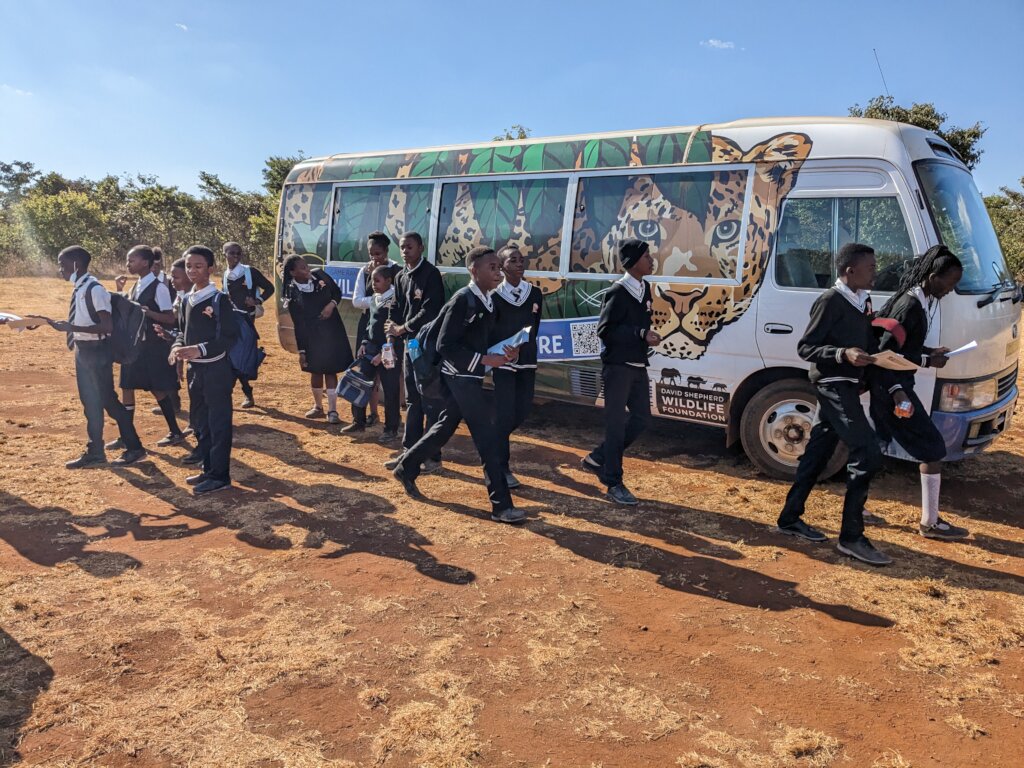
In the Elephant Nursery Release area, conservation clubs in 25 schools help children see elephants as part of their heritage rather than a source of conflict. Wildlife Discovery Days give students the chance to visit the National Park, experience nature firsthand, and discover conservation as a real career path. Meeting young Zambian interns further helps them envision themselves as future leaders.
Our support extends beyond the classroom, with full school sponsorships for 60 orphaned children and welfare assistance for rural families. This year, we are also launching lifeskills workshops to help schoolleavers enter the workforce and become confident conservation ambassadors.
Despite challenges such as seasonal flooding, our conservation field partner’s team remains committed to delivering these essential programmes.
Mongolia and Kyrgyzstan
Our conservation field partners in Mongolia and Kyrgyzstan are implementing a strategy that bridges the "ecological gap" by empowering local youth and supporting herder communities.
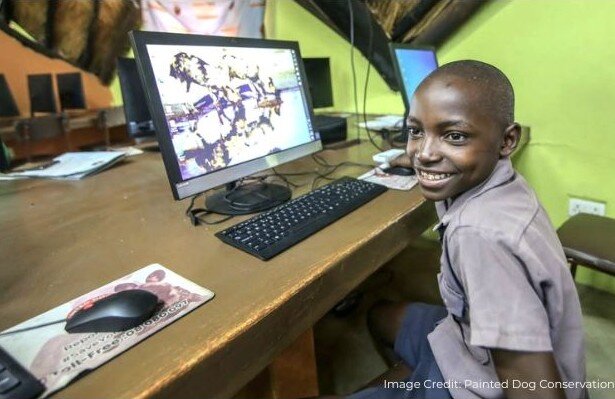
Education is a cornerstone of the work in Kyrgyzstan, where our partner’s team with 23 rural schools to foster a new generation of ecological custodians. They are engaging grade seven students through dedicated digital groups, sending three conservation assignments per month. These activities, such as building home compost pits, are designed to ignite curiosity and encourage pro-environmental behaviours within herder households.
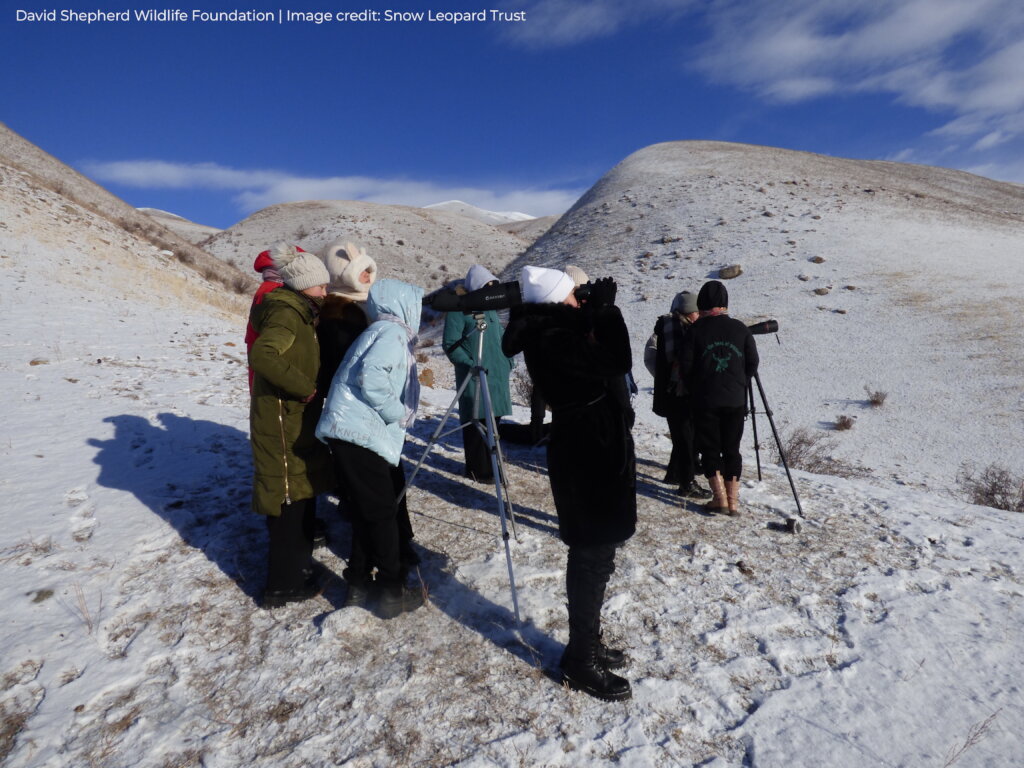
In the year ahead, approximately 80 students will participate in an intensive four-night camp at the Shamshy Wildlife Sanctuary. Children gain hands-on experience using telescopes and binoculars to observe wildlife and participate in practical conservation tasks like setting up salt licks for ibex.
Our partners are visiting ten remote schools to deliver lectures and lead nature excursions, while also launching new Nature Clubs in the Pamir Alai landscape focused on tree planting and recycling.
In Mongolia, our partners are scaling their educational reach by equipping local educators with the tools to lead their own conservation initiatives. They are launching a new initiative in Uvs Province to train 12 teachers from six districts on how to conduct high-quality nature excursions.
Following this training, approximately 100 local students will participate in guided outdoor learning experiences to observe the unique biodiversity of their home region.
Project reports on GlobalGiving are posted directly to globalgiving.org by Project Leaders as they are completed, generally every 3-4 months. To protect the integrity of these documents, GlobalGiving does not alter them; therefore you may find some language or formatting issues.
If you donate to this project or have donated to this project, you can receive an email when this project posts a report. You can also subscribe for reports without donating.



Support this important cause by creating a personalized fundraising page.
Start a Fundraiser