By Monica Verma | Officer in Charge
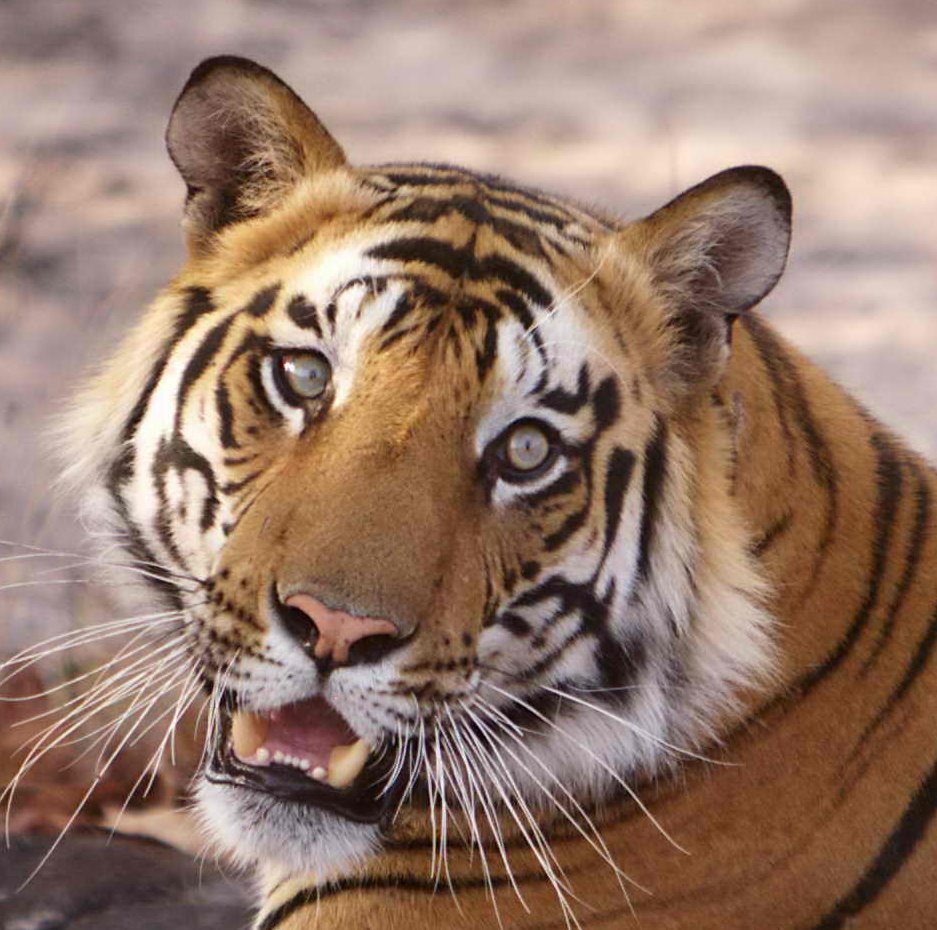
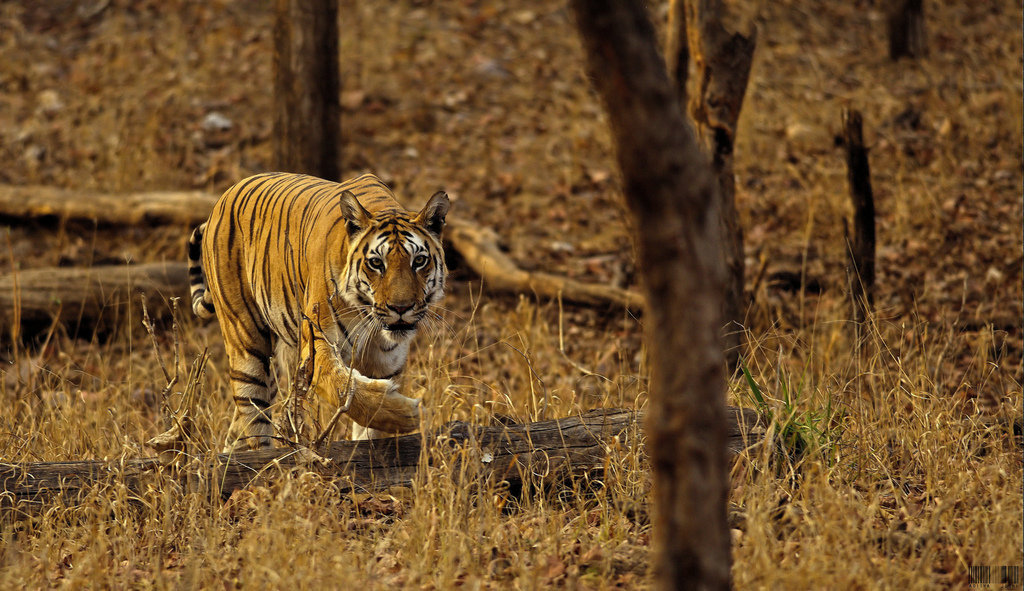
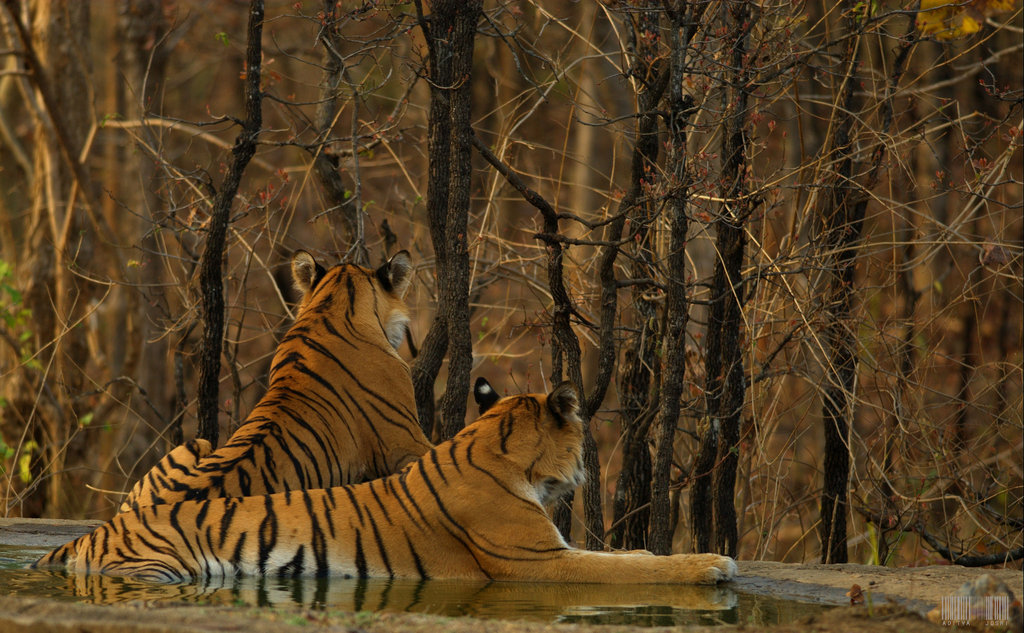
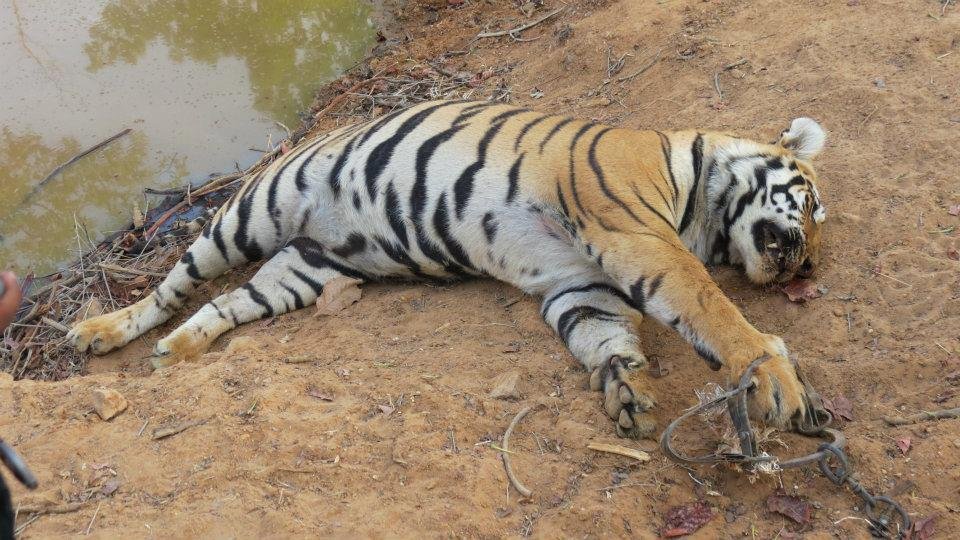
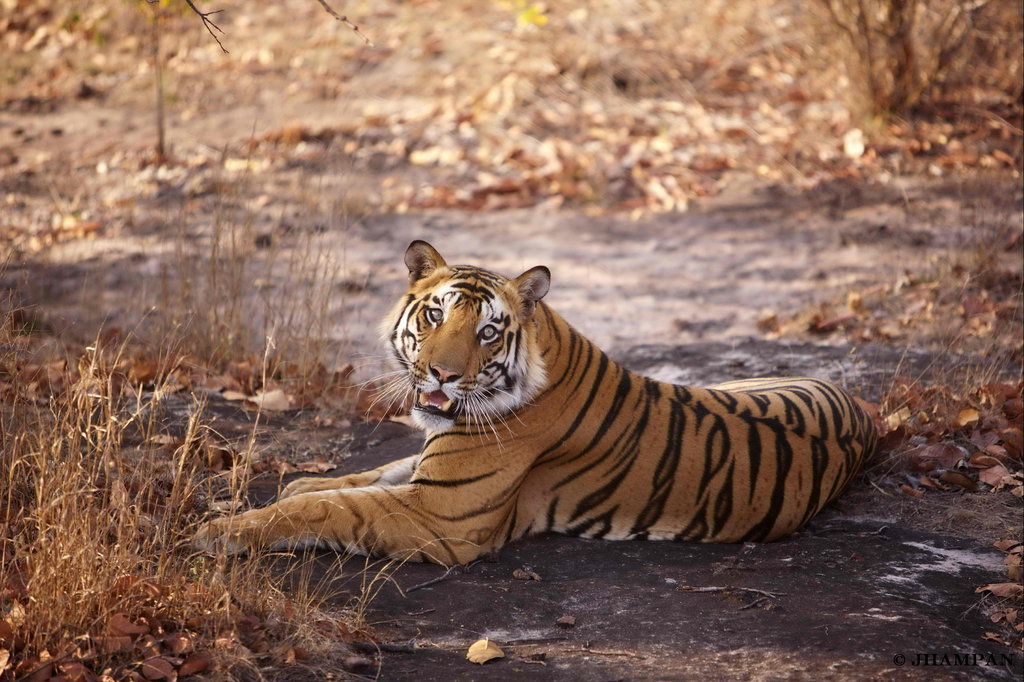
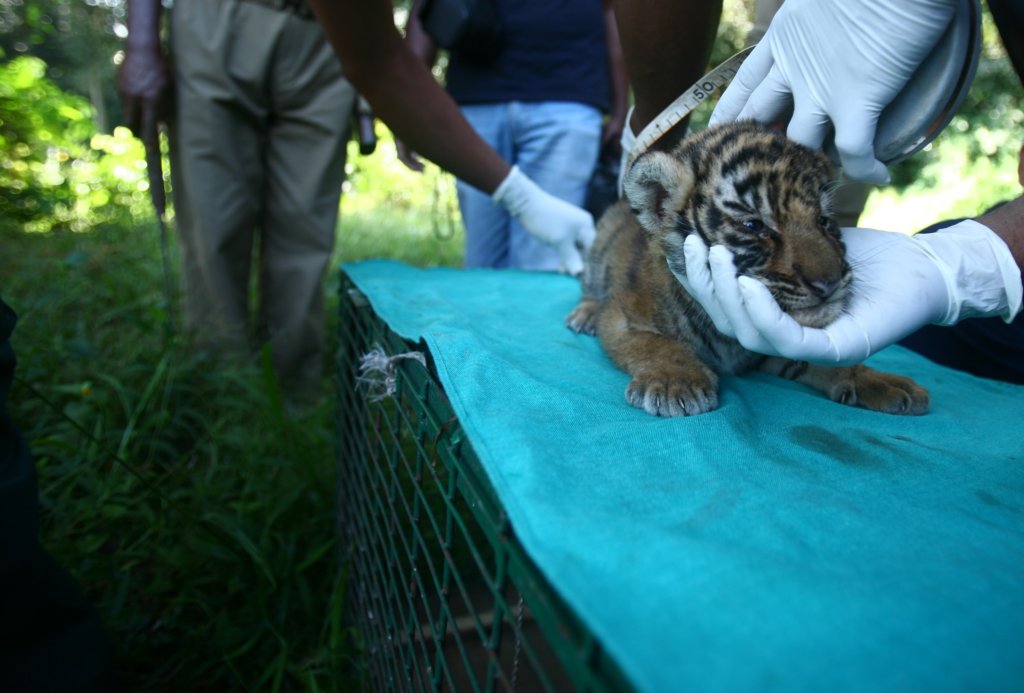
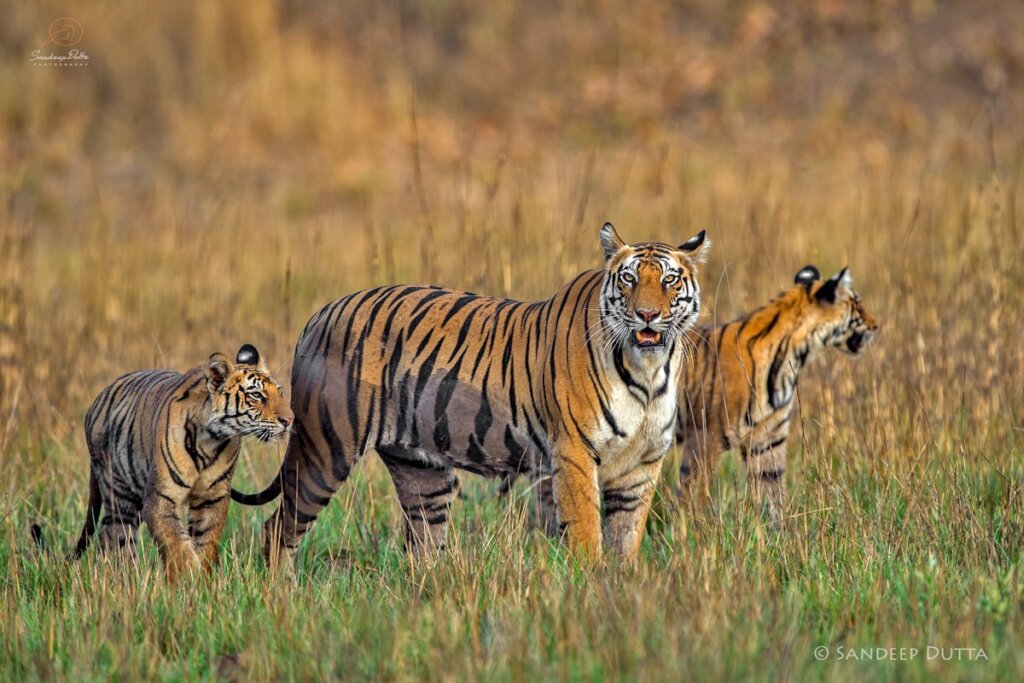
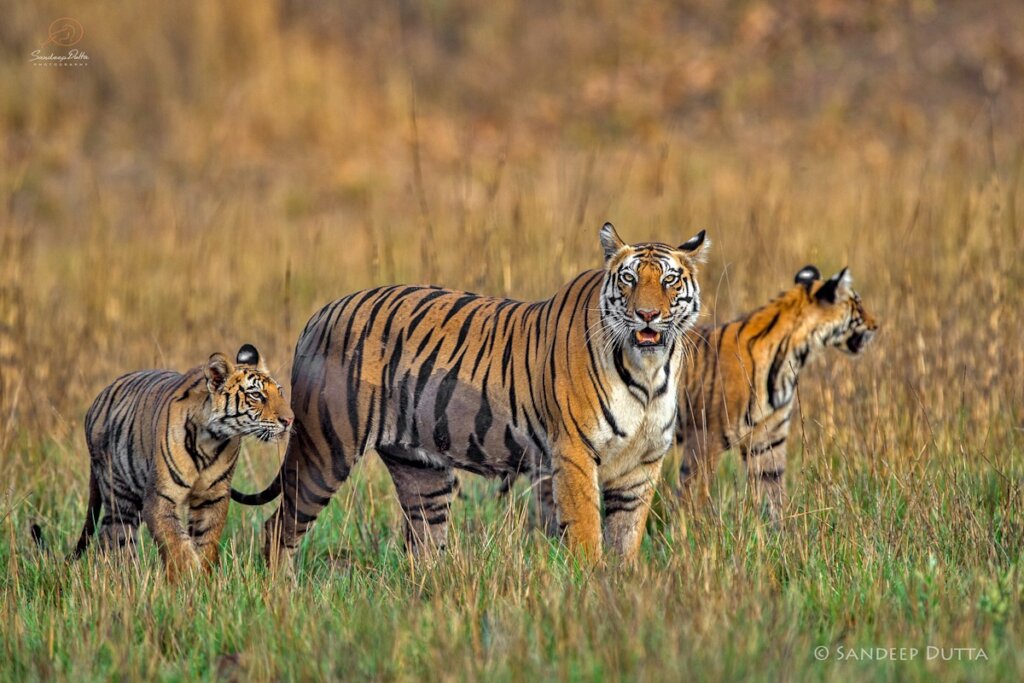
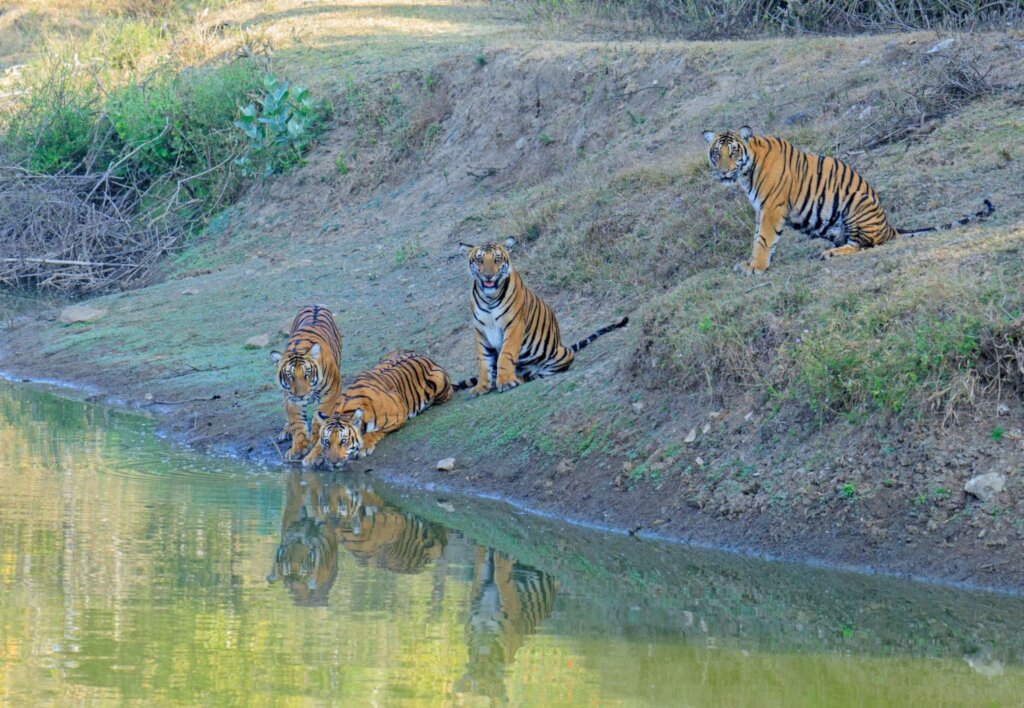
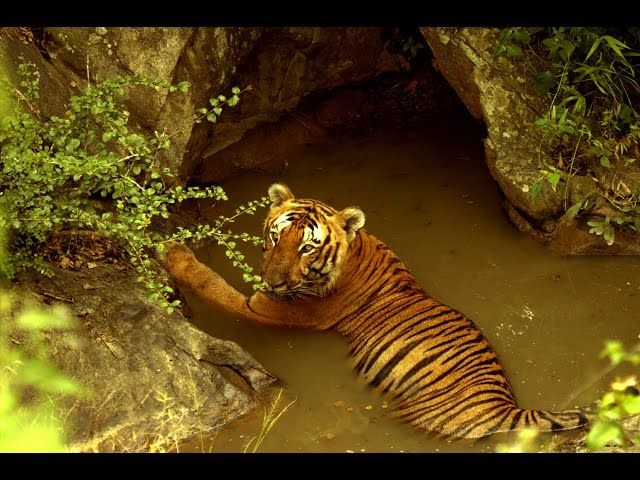
Tigers are classified as Endangered under the IUCN Red List of Threatened Species. At the beginning of the last century, it is believed that thousands of tigers roamed the wild globally, with several thousand in India alone. However, tigers have since lost 93% of their habitat and now occupy just 7% of their historic range.
The primary driver of this decline has been human expansion. Since India’s independence in 1947, vast stretches of prime tiger habitat have been lost to agriculture and development.
In the face of this alarming decline in global tiger numbers, India became the first country to champion the cause of tiger conservation and their habitat. Today, India has successfully increased its tiger population to 3,682 individuals—nearly 75% of the global tiger population!
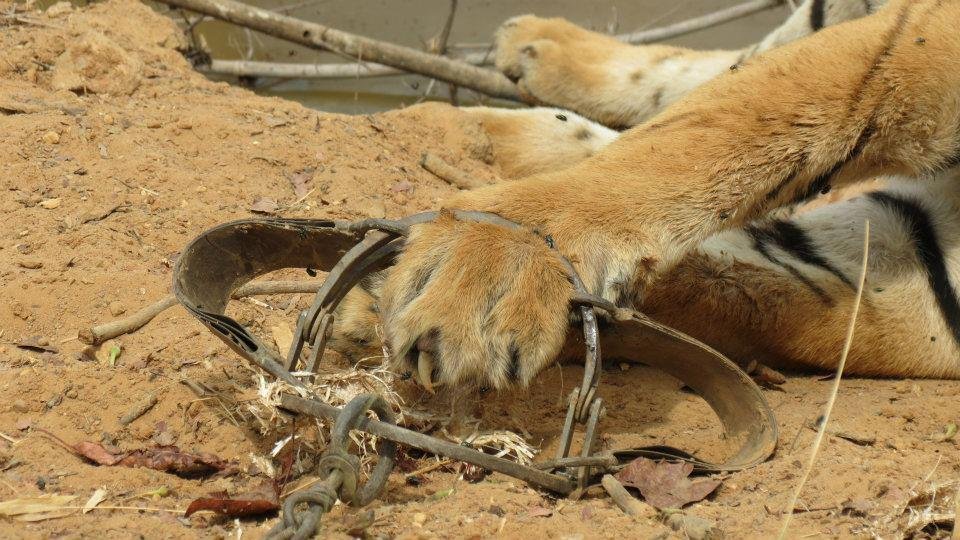
While this achievement is monumental, conserving 75% of the global tiger population in the world’s most populous country remains a formidable challenge. Every step forward is hard-won, as threats like habitat loss, human-wildlife conflict, and poaching persist, requiring sustained and innovative efforts.
At Wildlife Trust of India (WTI), we are at the forefront of protecting the Royal Bengal Tiger in collaboration with the Government of India. From large-scale habitat restoration and safeguarding critical tiger corridors to curbing illegal wildlife trade and mitigating human-tiger conflict, we are committed to saving the stripes. Your unwavering support empowers us to keep this vital work going.
Heart of the Sundarbans: A Tale of Resilience
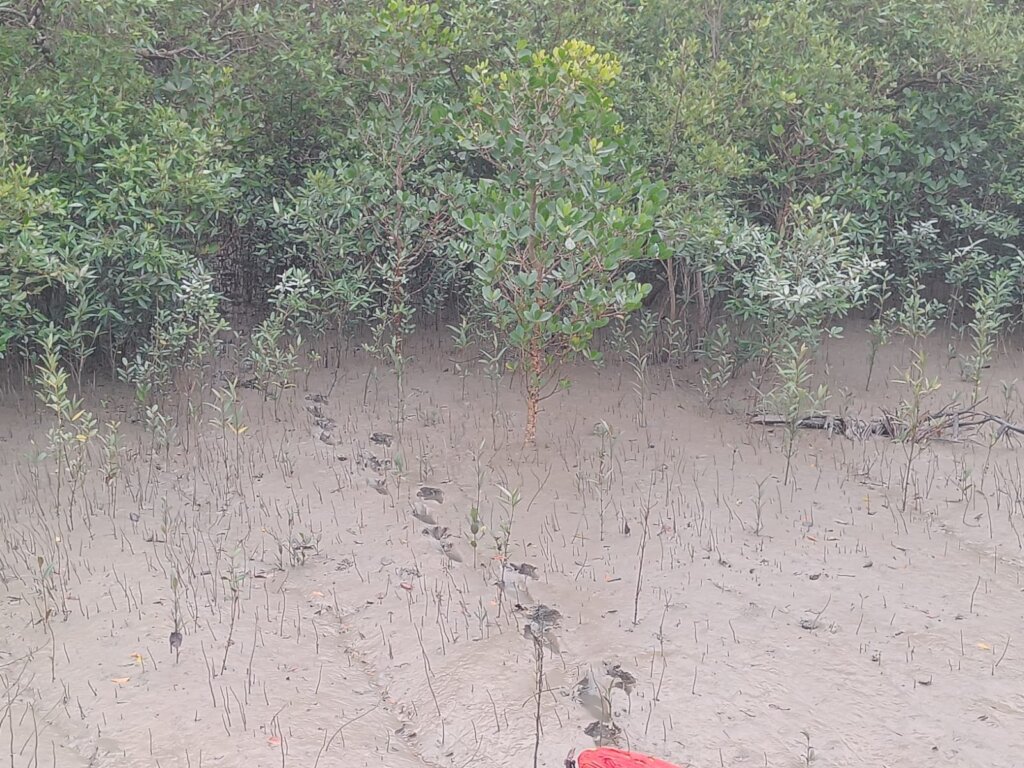
The Sundarbans in West Bengal is a critical tiger habitat and one of the most densely populated regions. Here, tigers and humans live in precarious proximity, with conflicts an unfortunate reality. WTI’s long-term project in the Sundarbans focuses on preventing human-tiger conflict, thereby protecting both human lives and tiger populations.
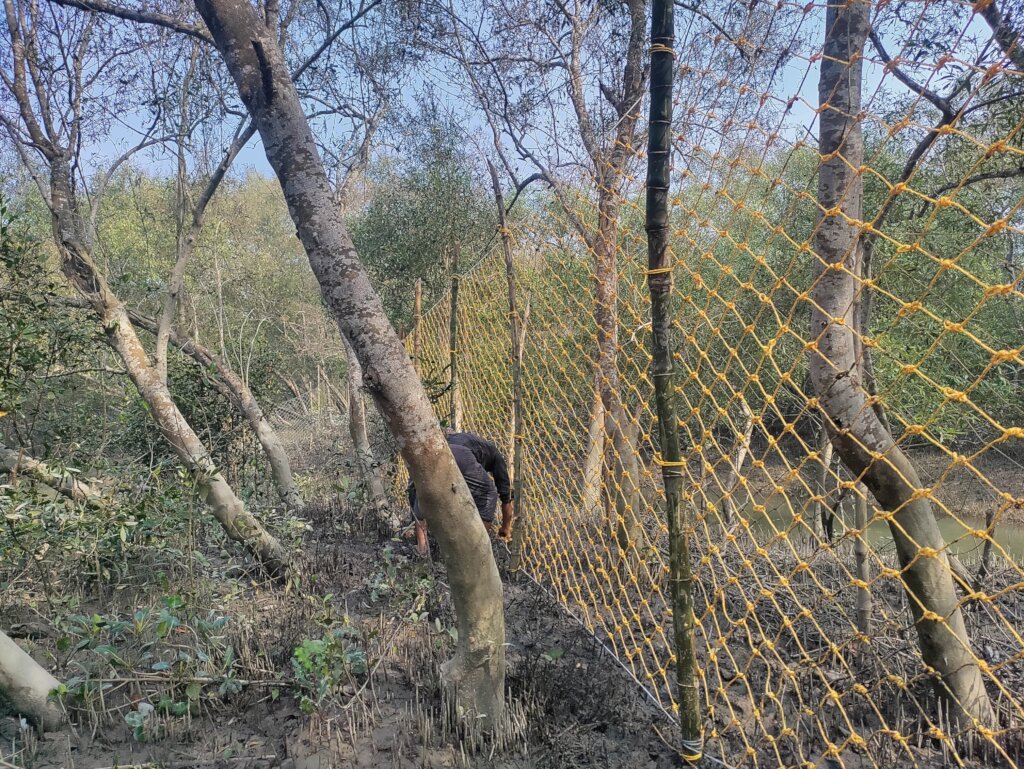
On January 6th, WTI’s Rapid Response Team (RRT) and the Forest Department found tiger pugmarks near Kishorimohompur village. The team immediately initiated rigorous monitoring, working day and night. Local residents were informed about the tiger’s presence, and precautions were disseminated. Several kilometers of nylon net fencing were installed along the village periphery. These fences, regularly installed and maintained by WTI, are highly effective in conflict-prone areas, preventing tigers from entering villages.
For two intense days and nights, the team patrolled the area, tracking pugmarks and ensuring the tiger did not venture into harm’s way. Finally, on January 8th, the tracks revealed a success story: the tiger had safely returned to the forest.
Similar conflict management activities—where tigers are either relocated or provided safe passage back to the forest—are regularly conducted by WTI in other landscapes such as Wayanad in Kerala and Terai in northern India.
Saving a Tigress: A Battle Against All Odds
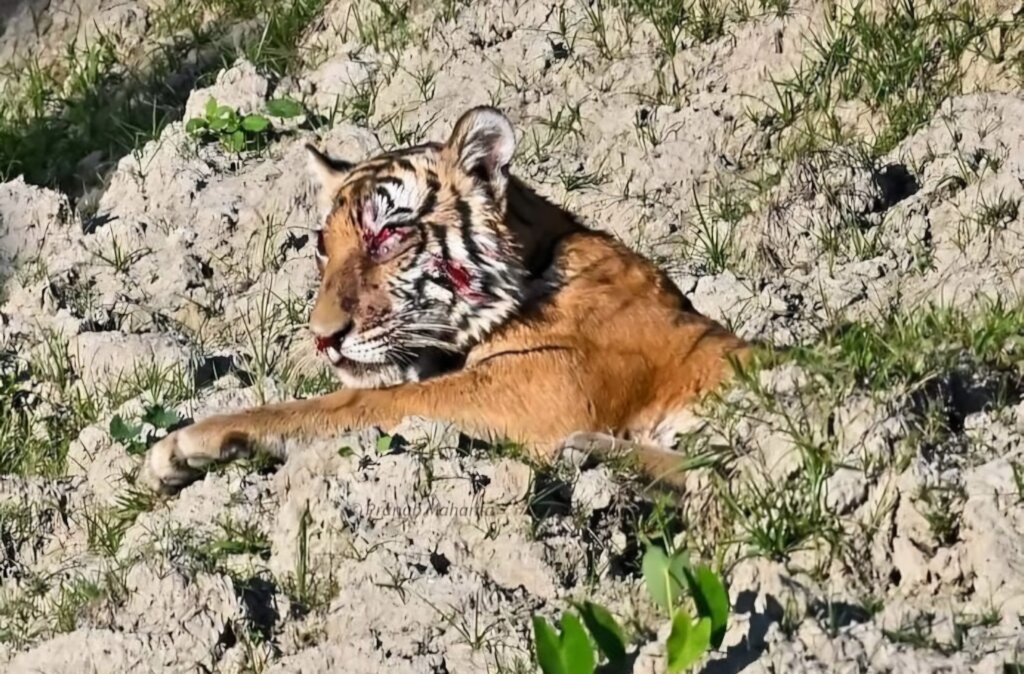
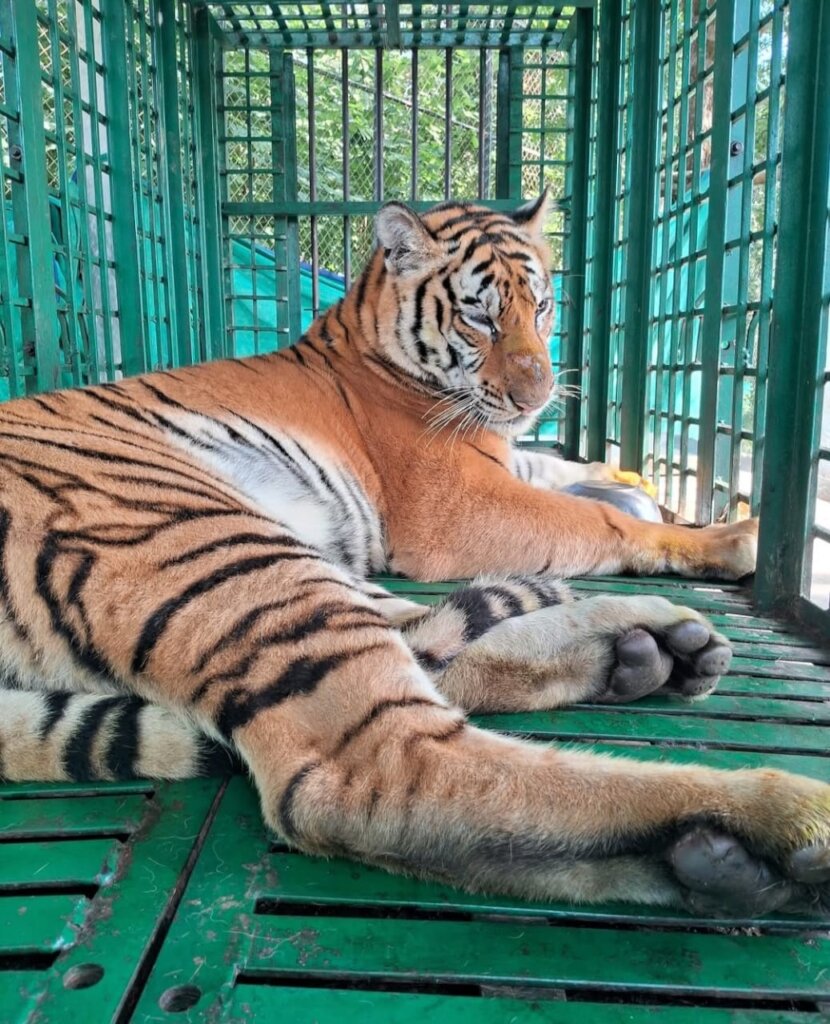
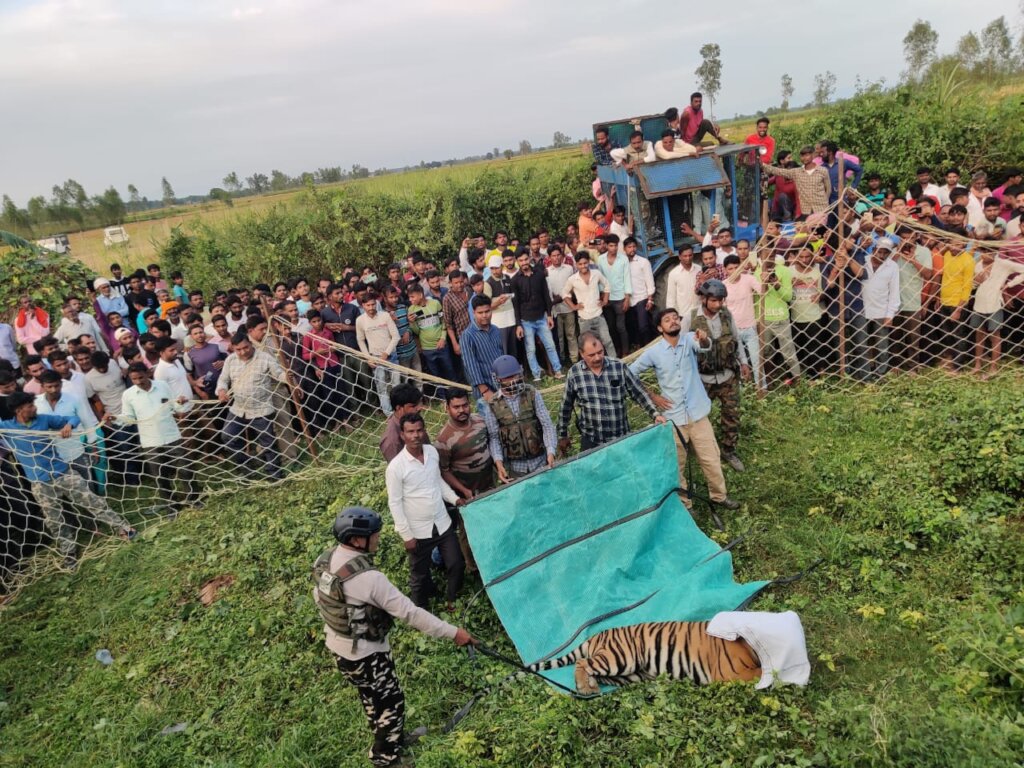
Not every conflict ends so smoothly. In Kaziranga, Assam, a tigress faced a near-fatal encounter with humans. On November 20th, villagers near Kalibor town in the buffer zone of Kaziranga Tiger Reserve pelted a tigress with stones after she attacked and killed their livestock, fearing for their safety. When the teams arrived, they found the tigress critically injured and surrounded by an agitated crowd.
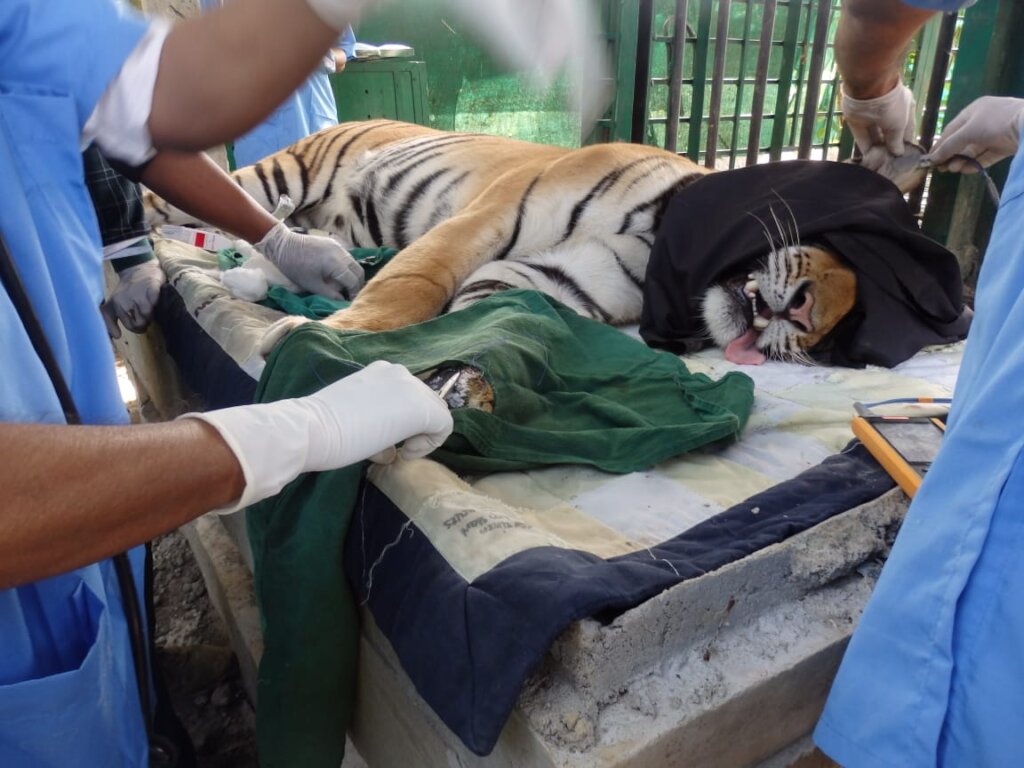
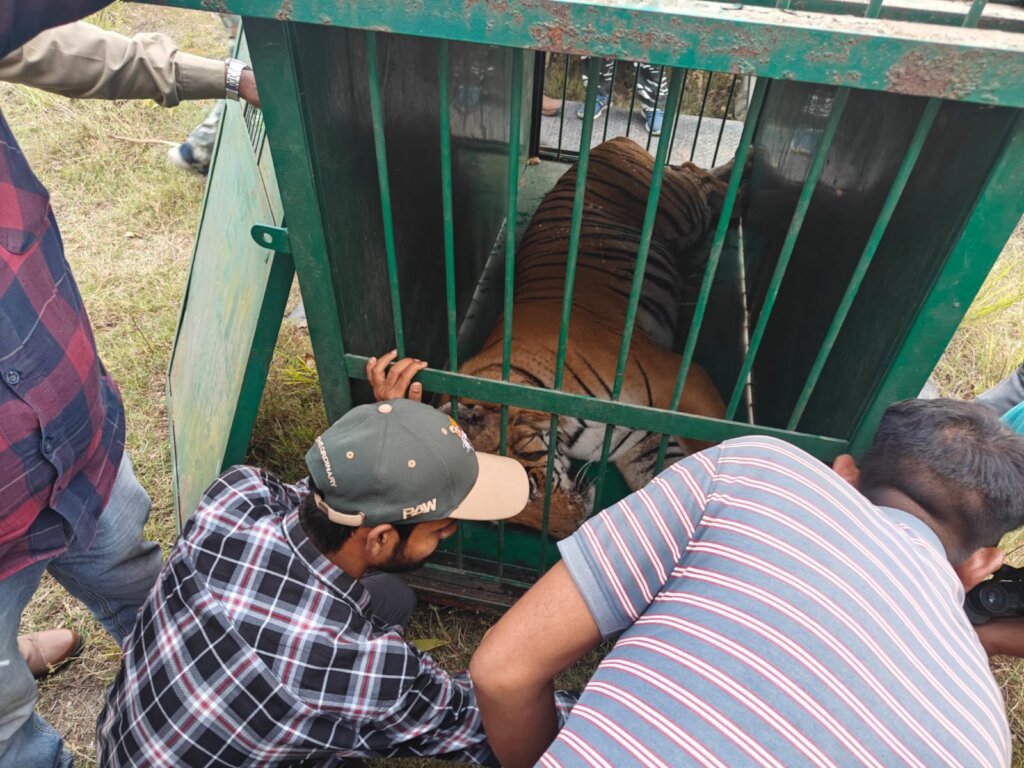
The team calmed the crowd and carefully tranquilized the injured tigress. She was transported to WTI’s Centre for Wildlife Rehabilitation and Conservation (CWRC) for immediate medical attention.
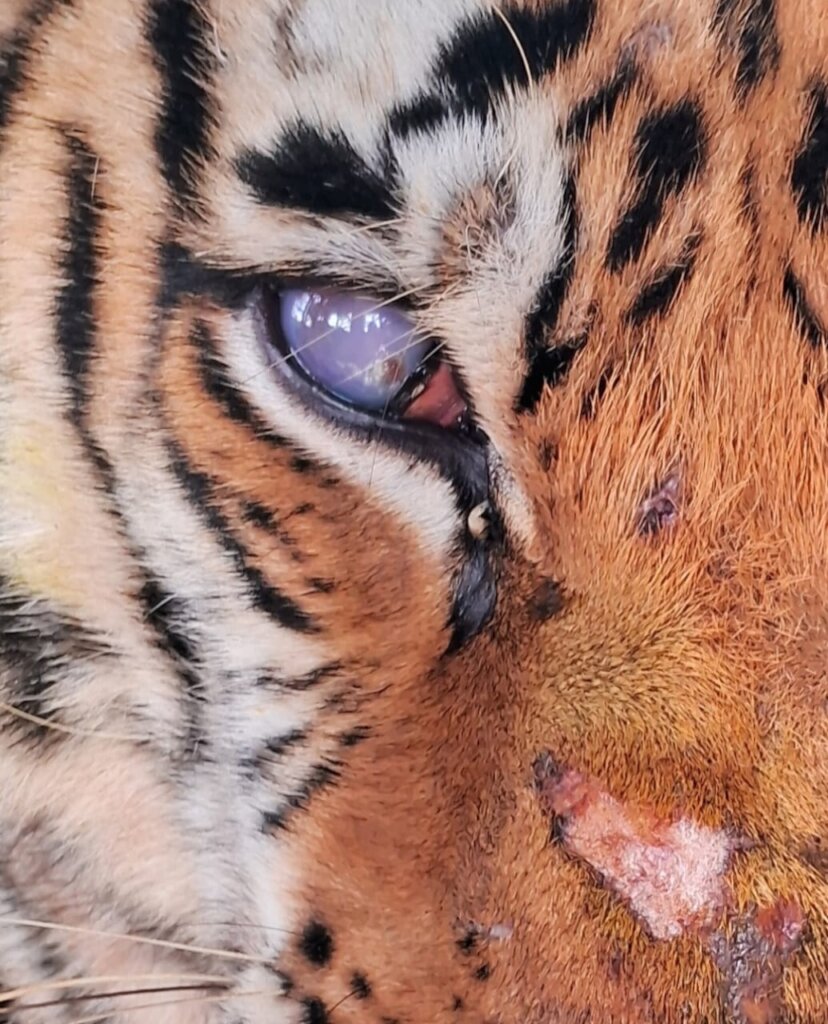
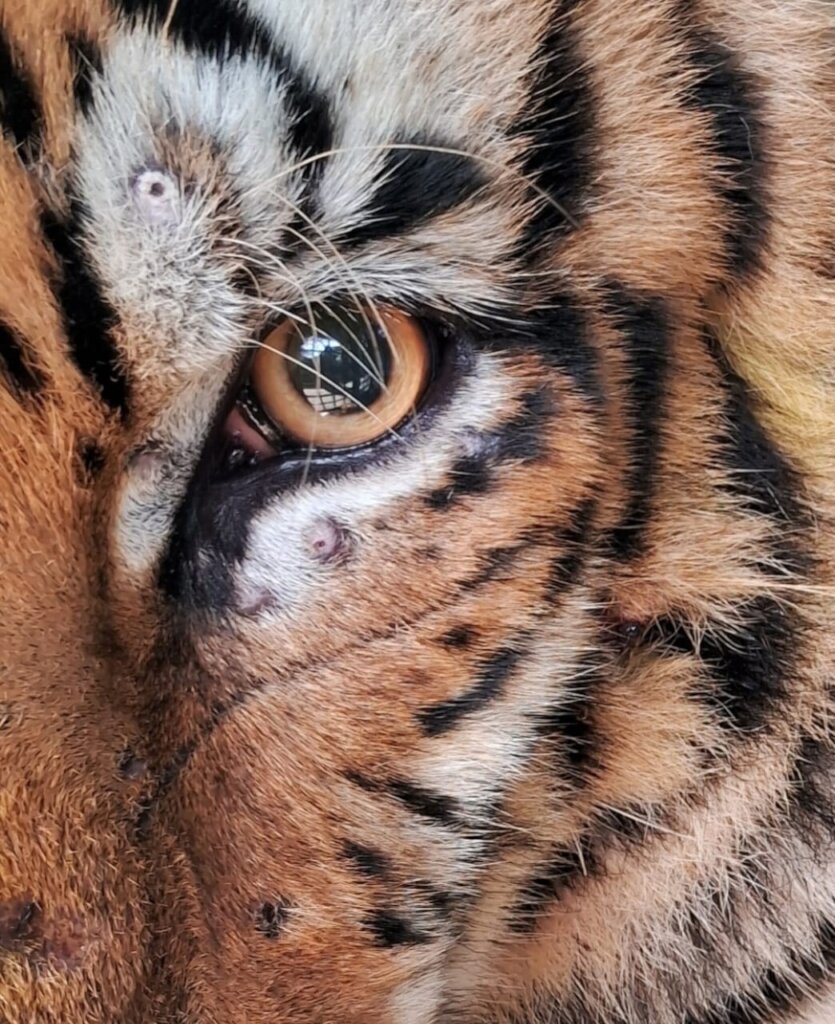
X-rays and blood tests were conducted. Her condition was grim: severe injuries covered her body, a nasal fracture caused constant bleeding, and she was nearly blind in both eyes. The odds of survival seemed slim. Yet, our veterinarians refused to give up.
For days, the tigress couldn’t eat and had to be fed through a syringe. Administering medication was a delicate and painstaking process. Slowly but surely, her resilience shone through. The nasal bleeding stopped, and movement returned to the pupil in her left eye. By early December, she started eating on her own and her left eye regained full vision.
A month after her rescue, the tigress stood tall again—strong, fierce, and a testament to the power of care and determination. She was later transferred to the safety and care of the Assam State Zoo.
Conclusion: Celebrating Progress Together
The above achievements in tiger conservation are a testament to the unwavering dedication of teams on the ground and the vital support from individuals like you. Each victory brings us closer to securing a future for India’s tigers and the ecosystems they inhabit.
Your belief in our mission has made stories like these possible. Thank you for standing with us in our commitment to wildlife and their habitats. Together, we continue to make a meaningful difference—one stripe at a time.
Warm Regards,
Team WTI
By Monica Verma | Officer in Charge
By Monica Verma | Officer in Charge
Project reports on GlobalGiving are posted directly to globalgiving.org by Project Leaders as they are completed, generally every 3-4 months. To protect the integrity of these documents, GlobalGiving does not alter them; therefore you may find some language or formatting issues.
If you donate to this project or have donated to this project, you can receive an email when this project posts a report. You can also subscribe for reports without donating.



Support this important cause by creating a personalized fundraising page.
Start a Fundraiser